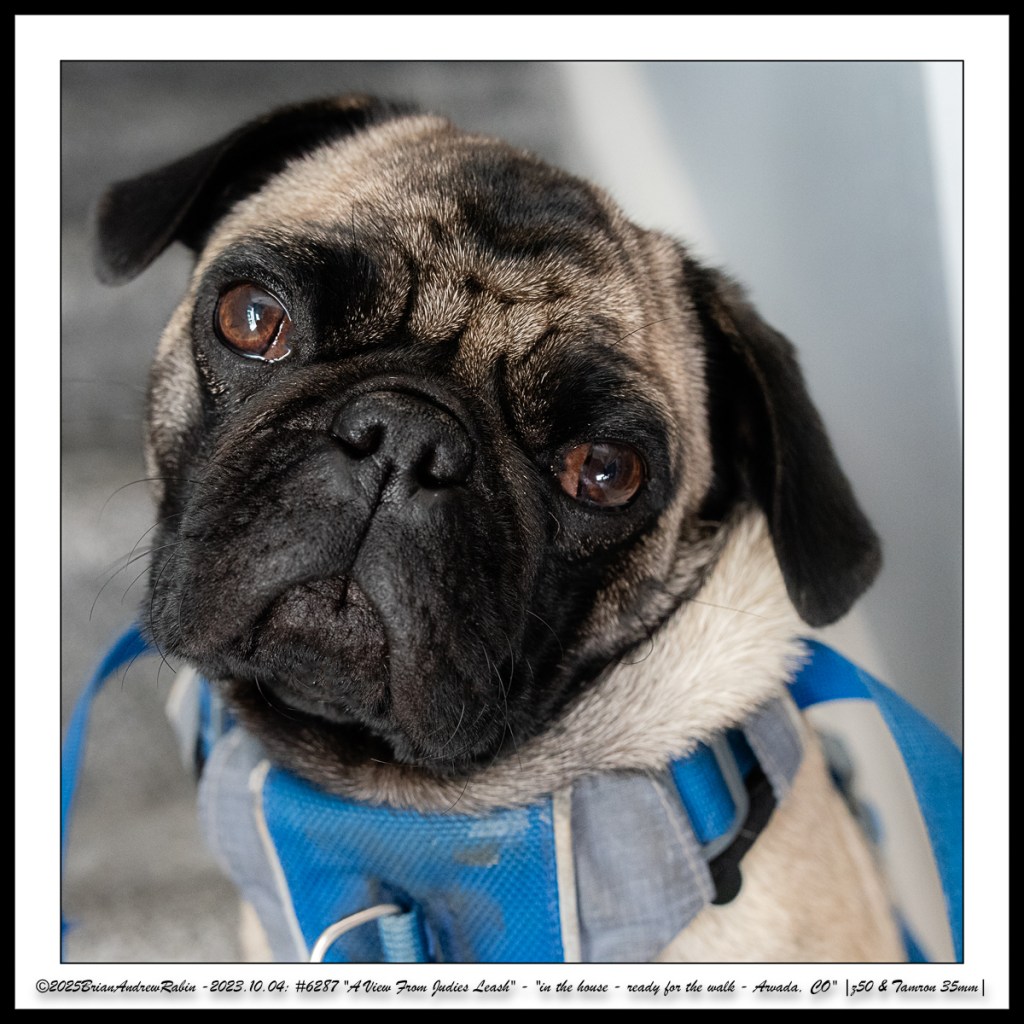
A pug, a camera and a pocketful of mini milk bones & poop bags —a morning walk in the neighborhood.
From the series: “A View from Judie’s Leash”
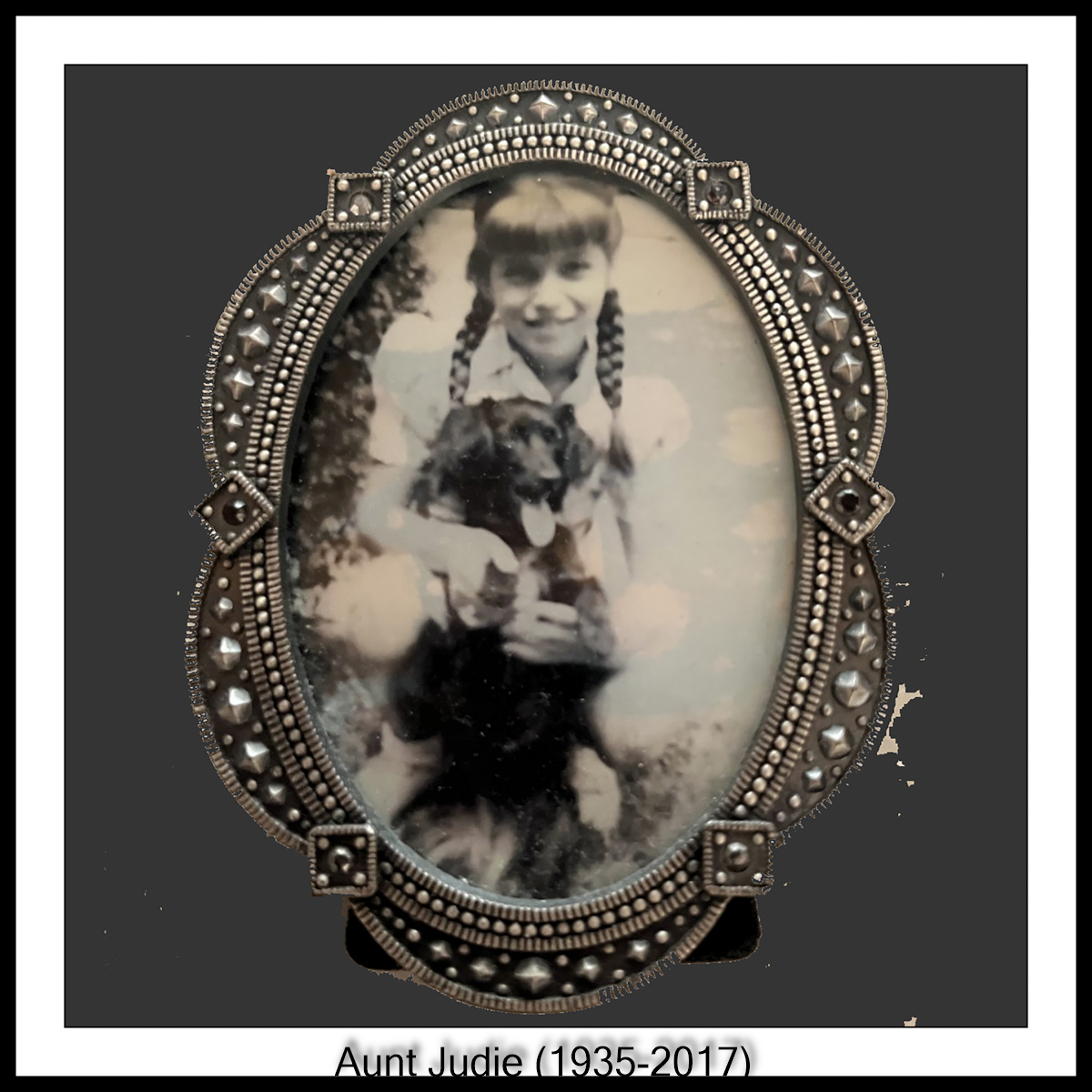
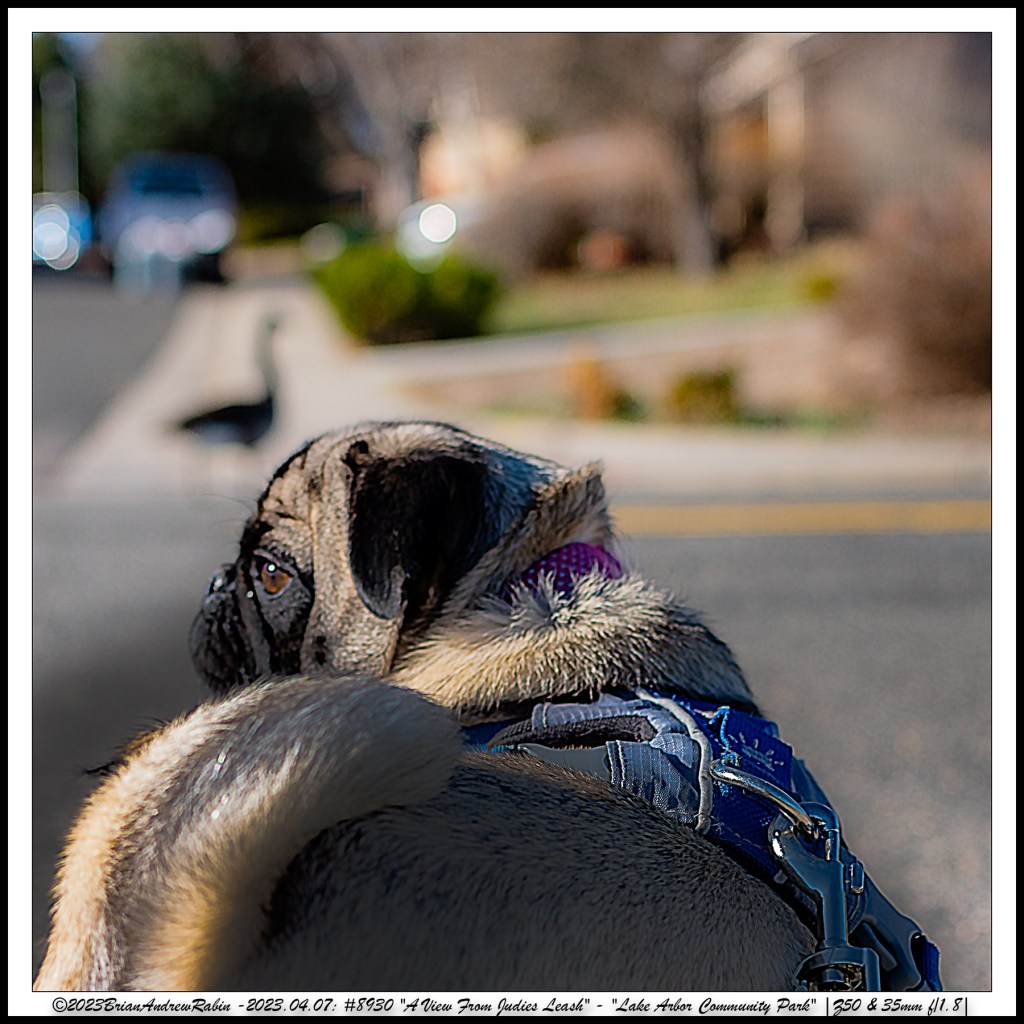
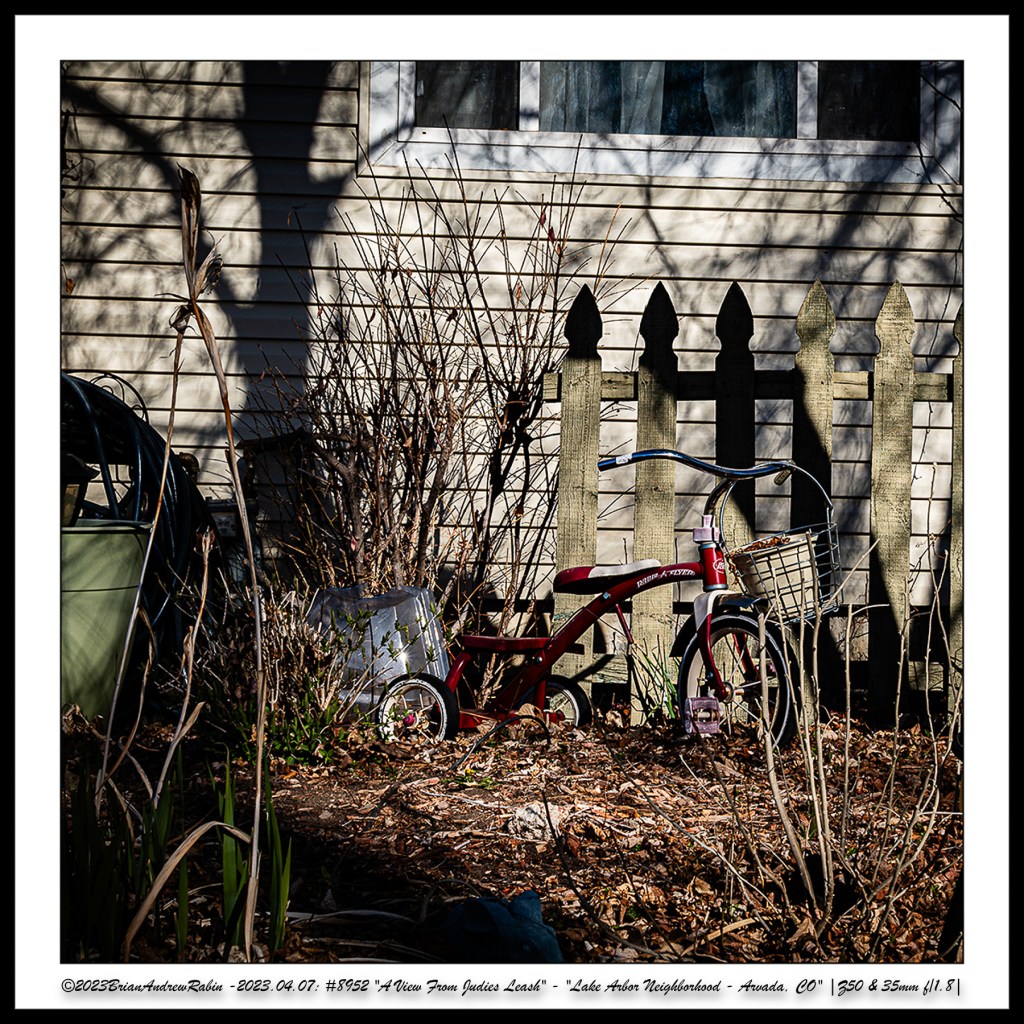
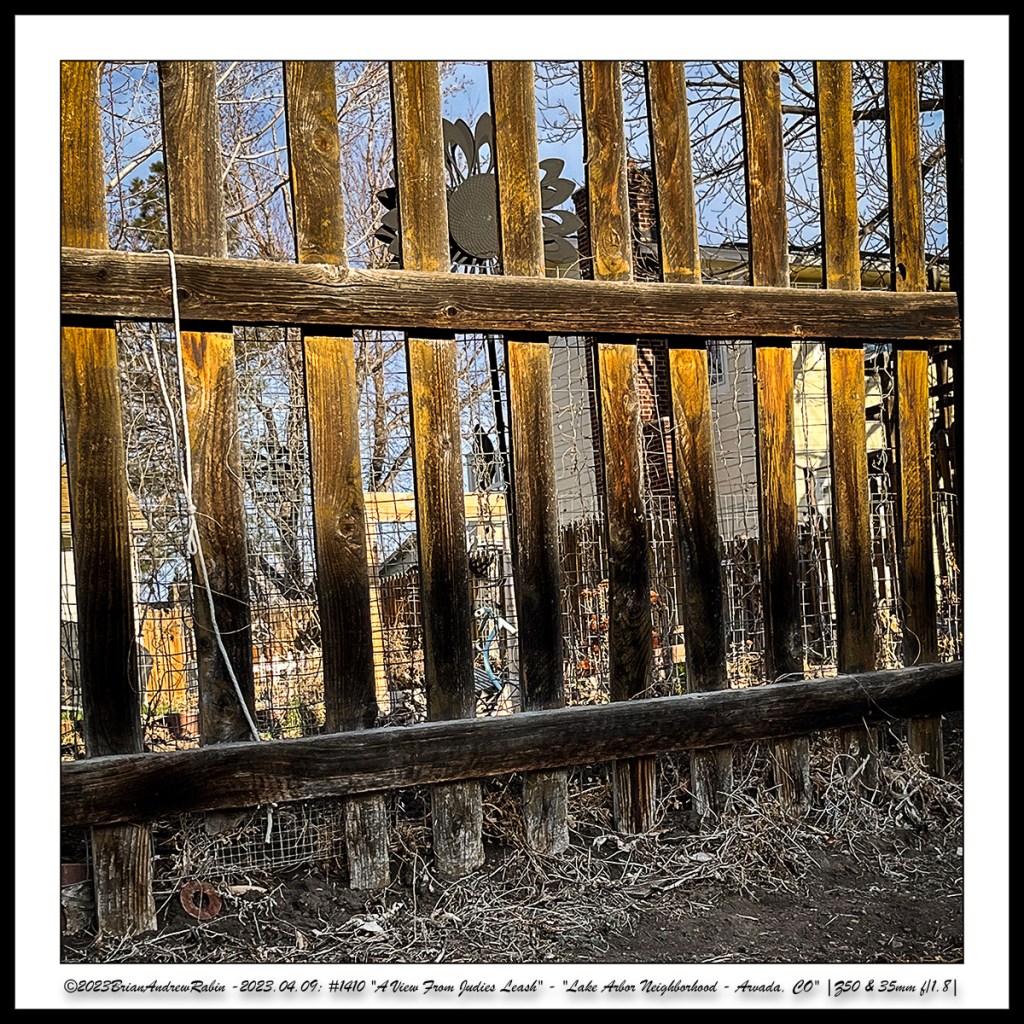
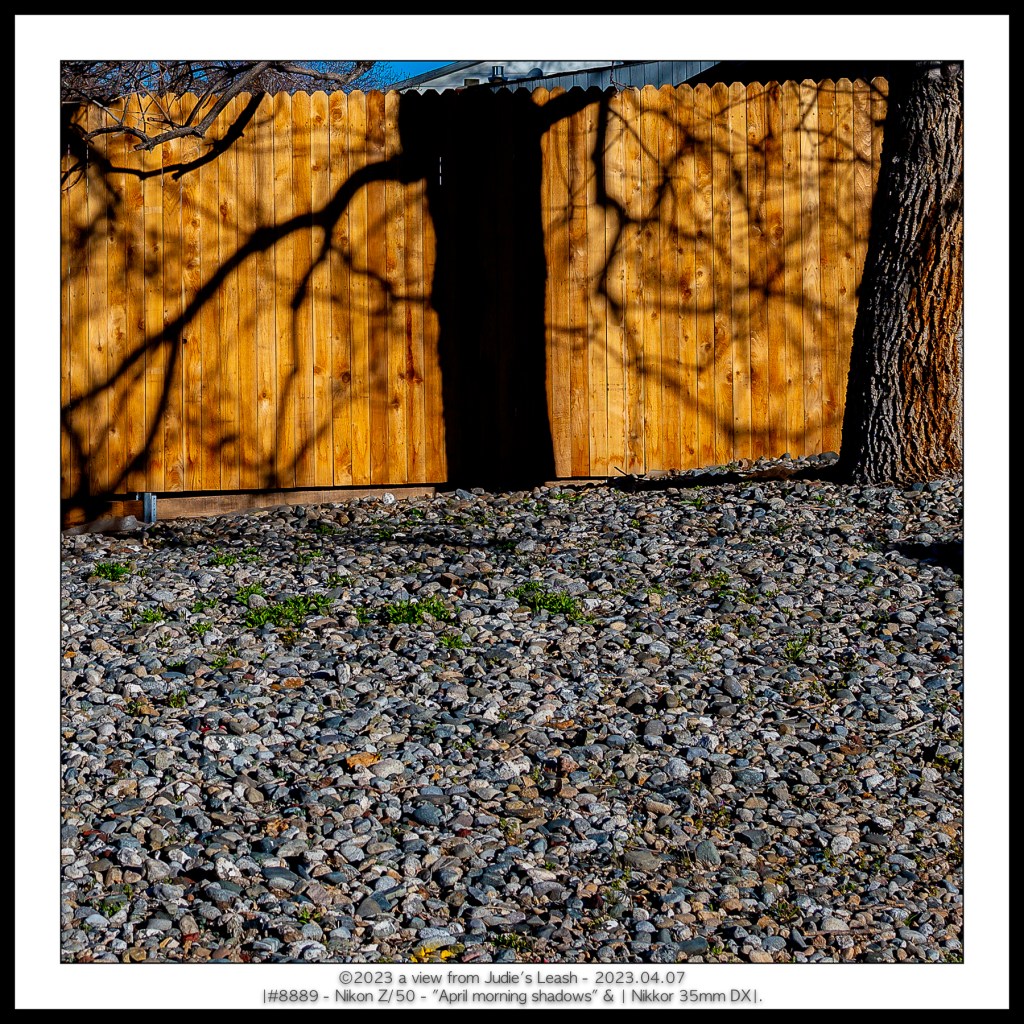
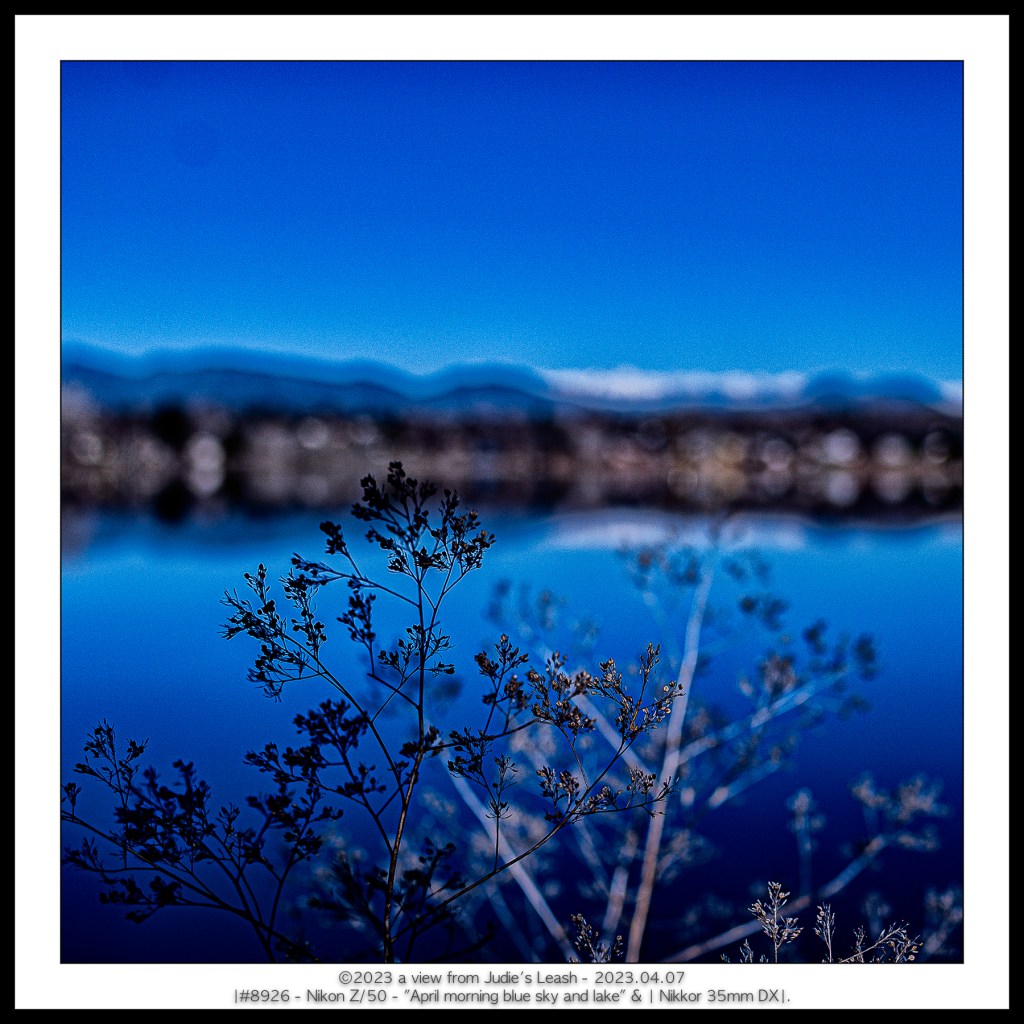
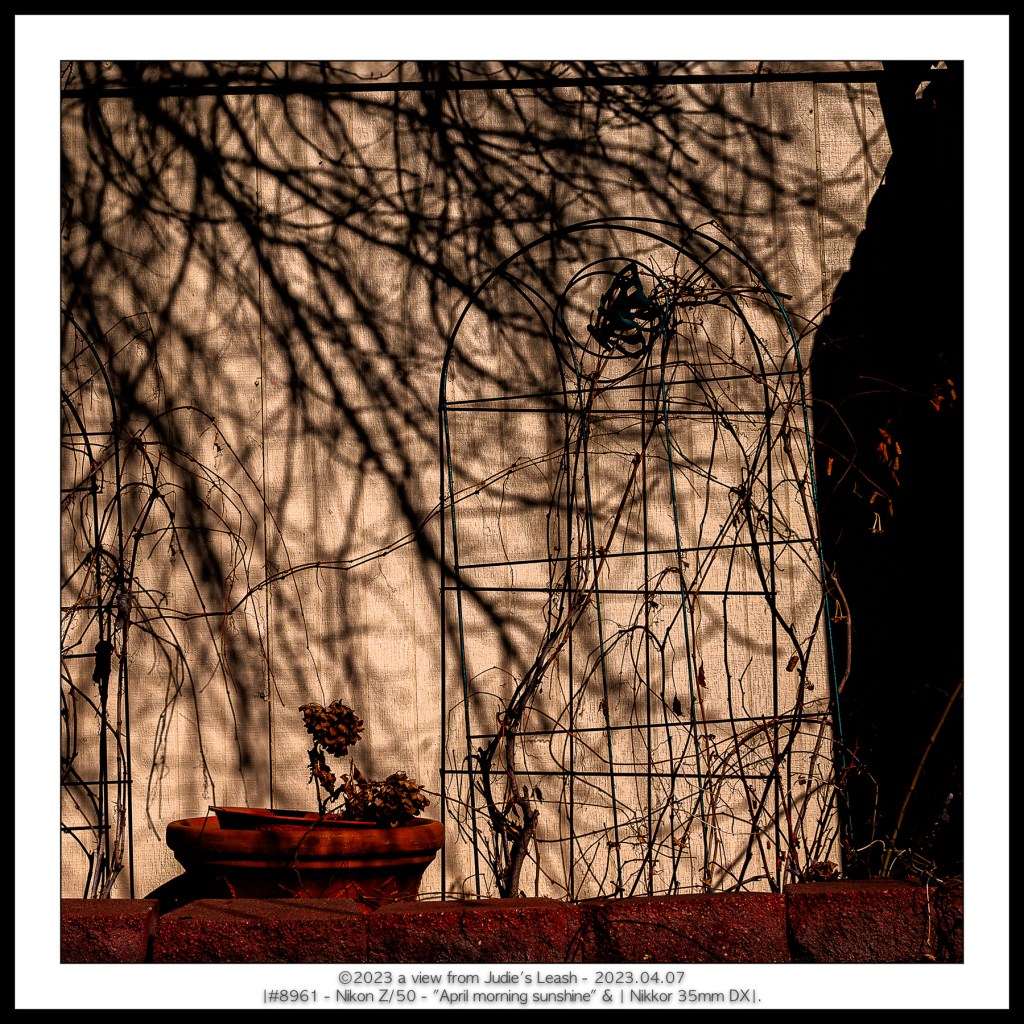
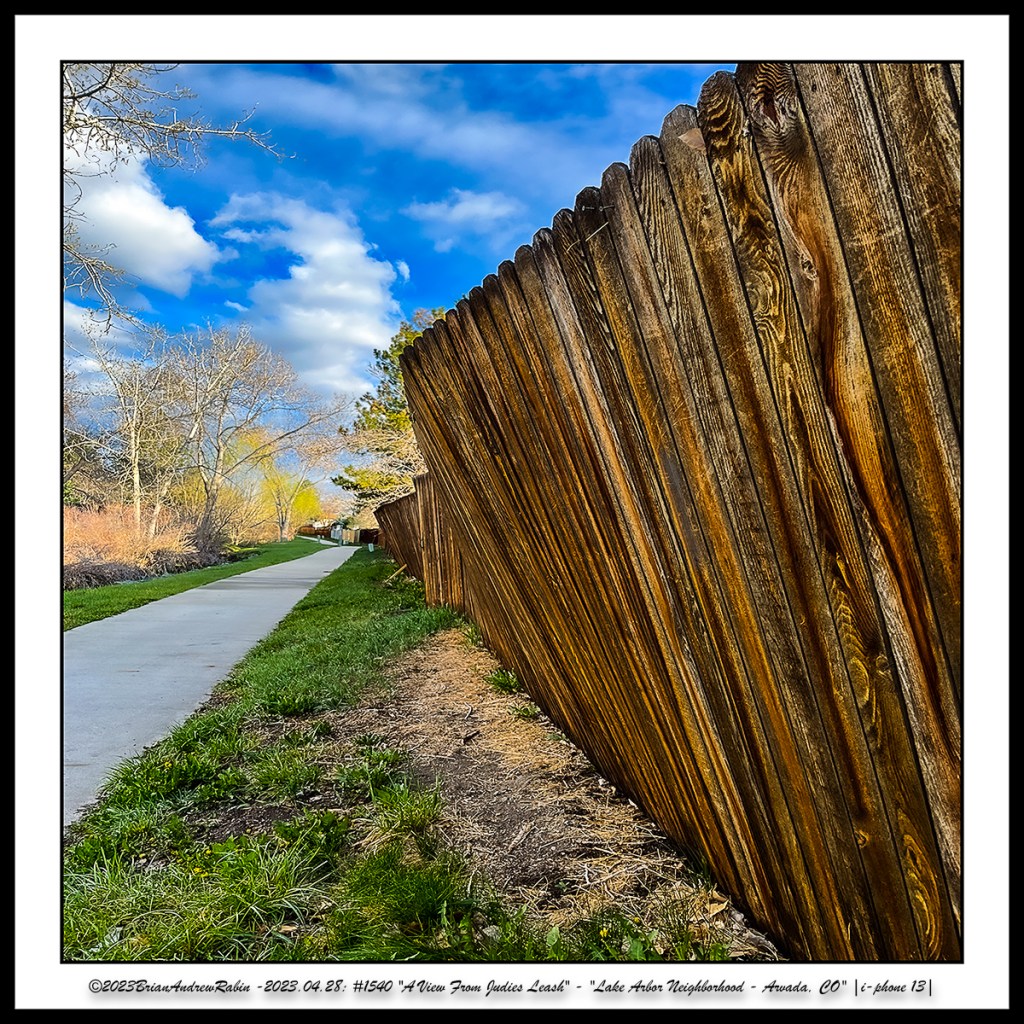
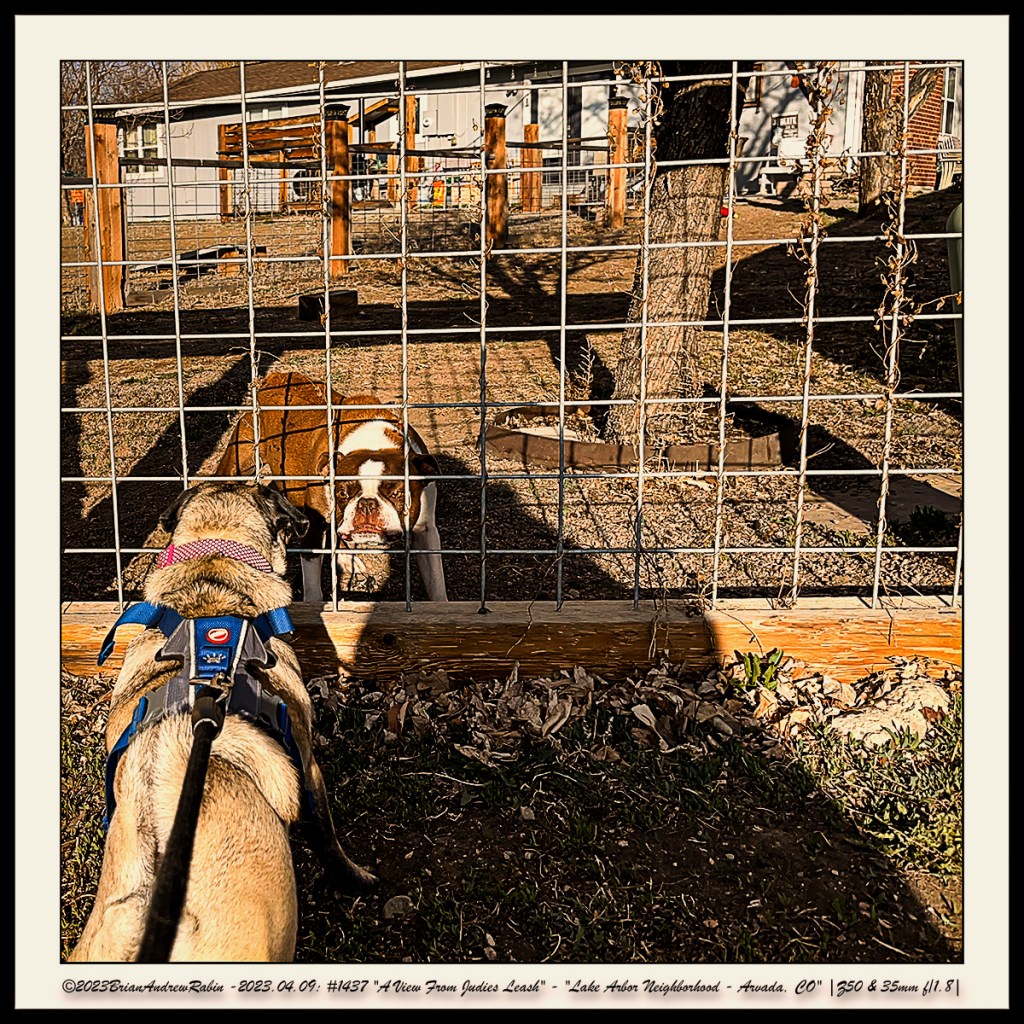
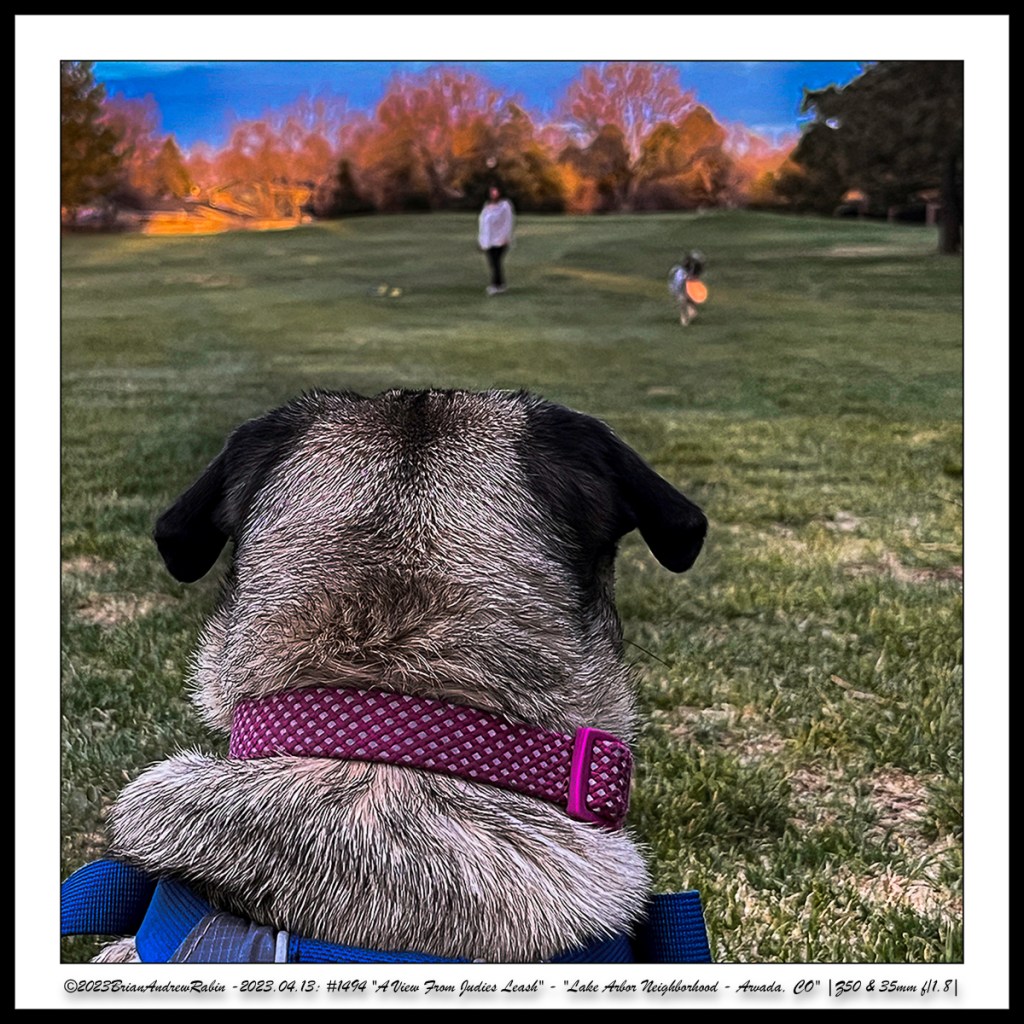
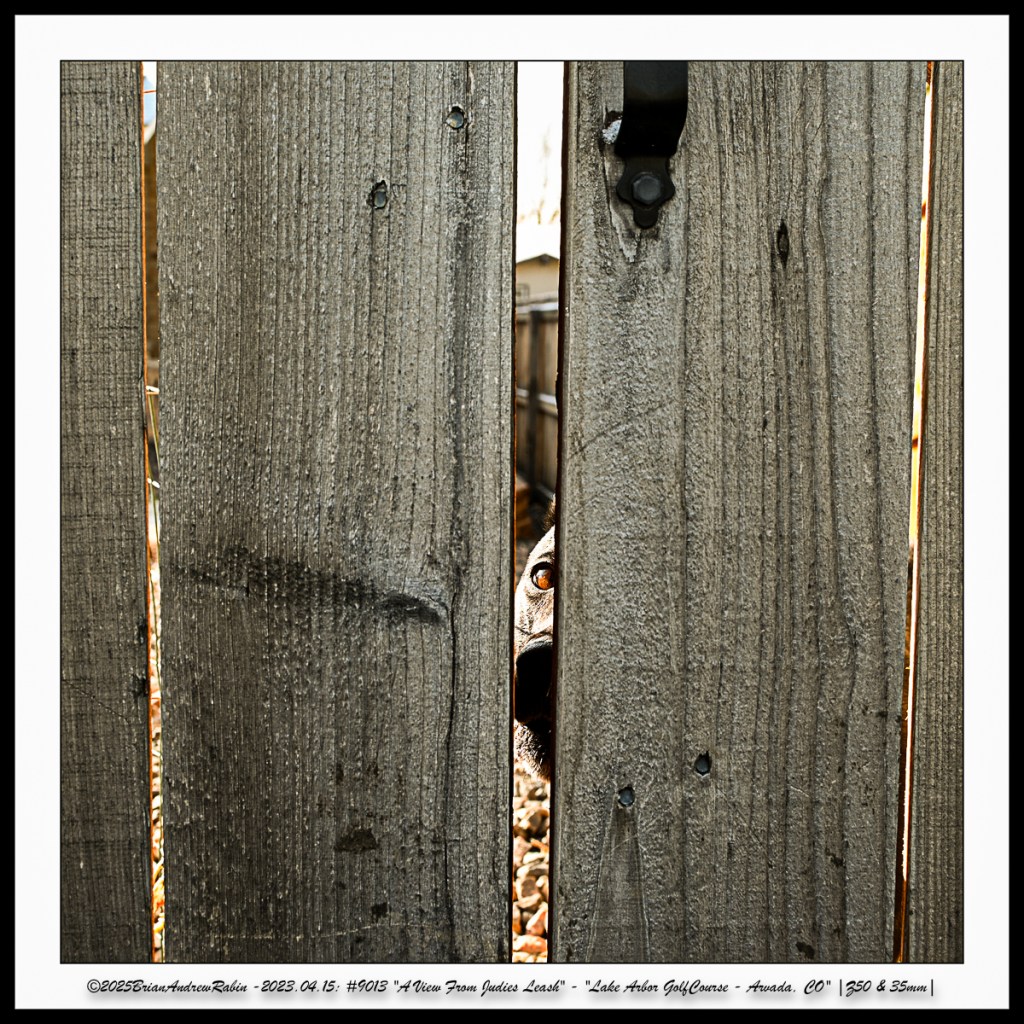
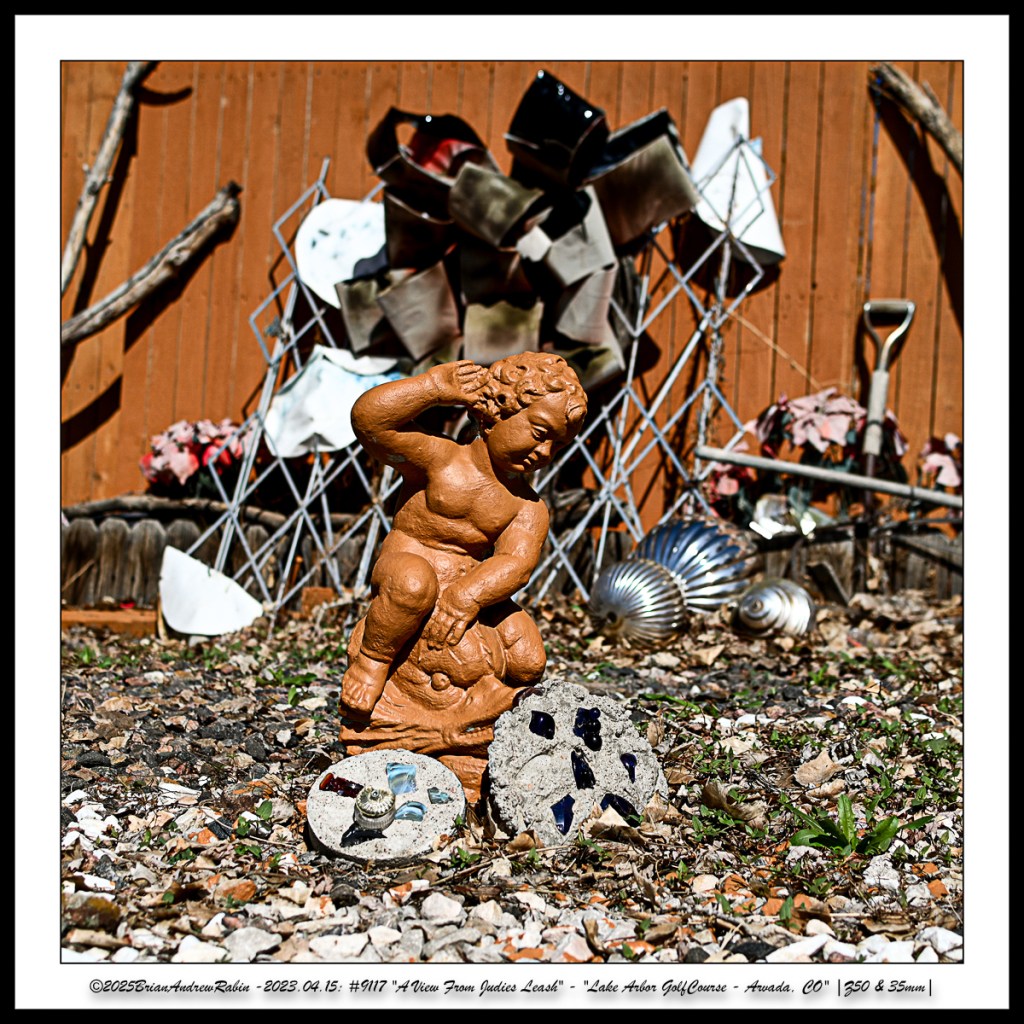
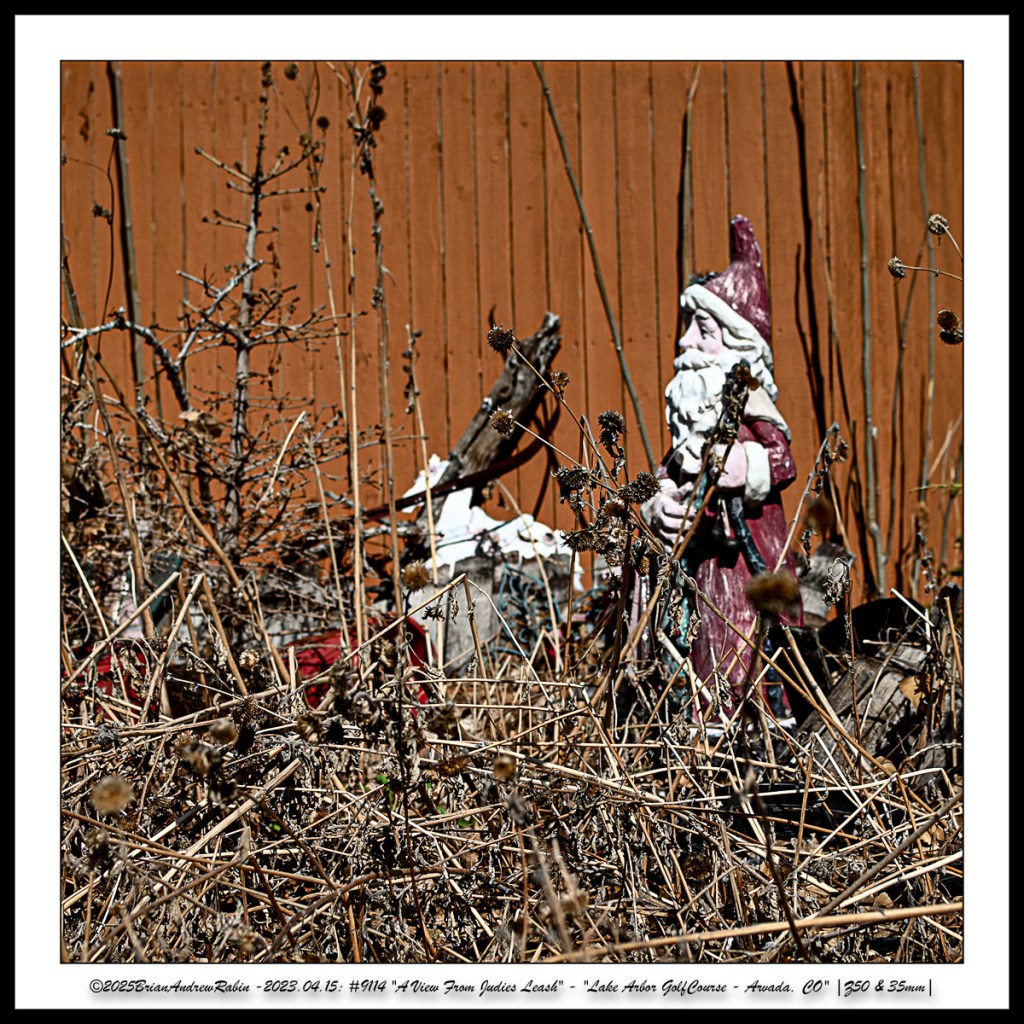
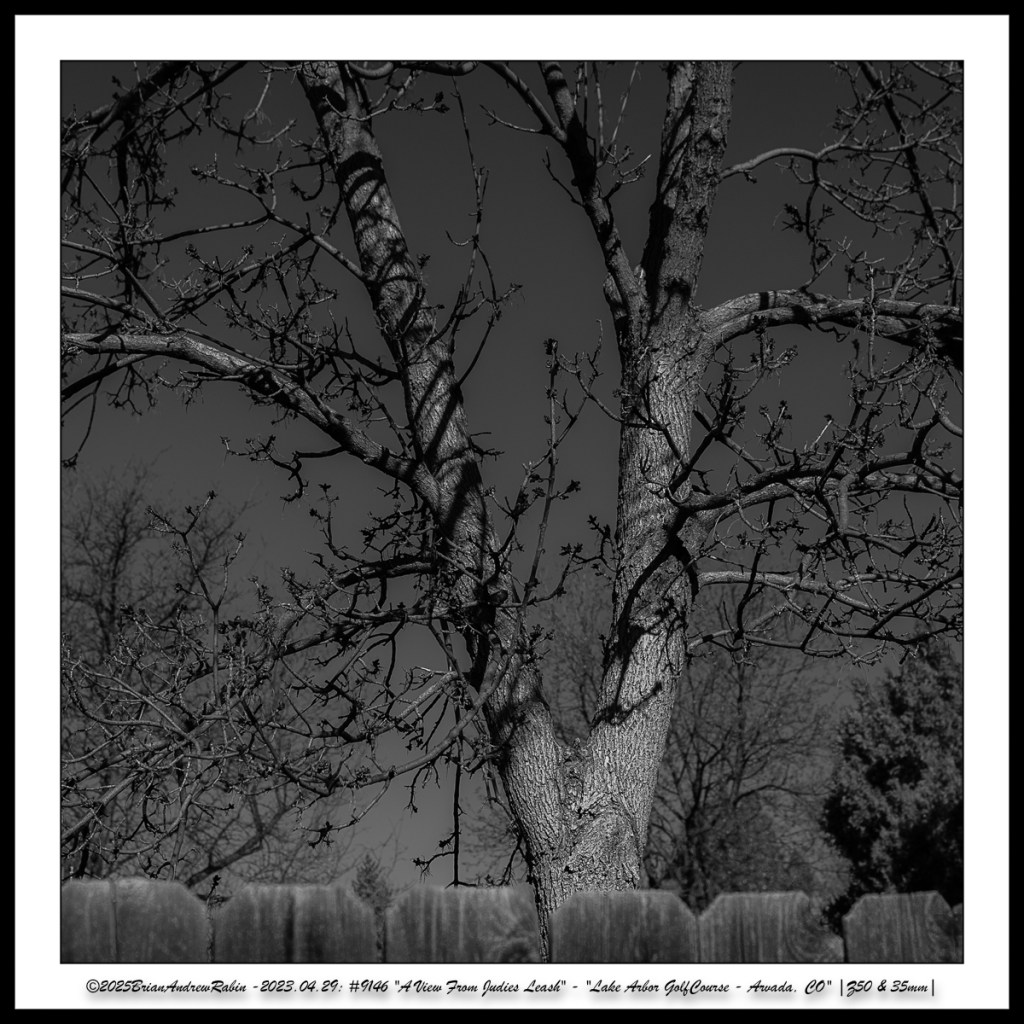
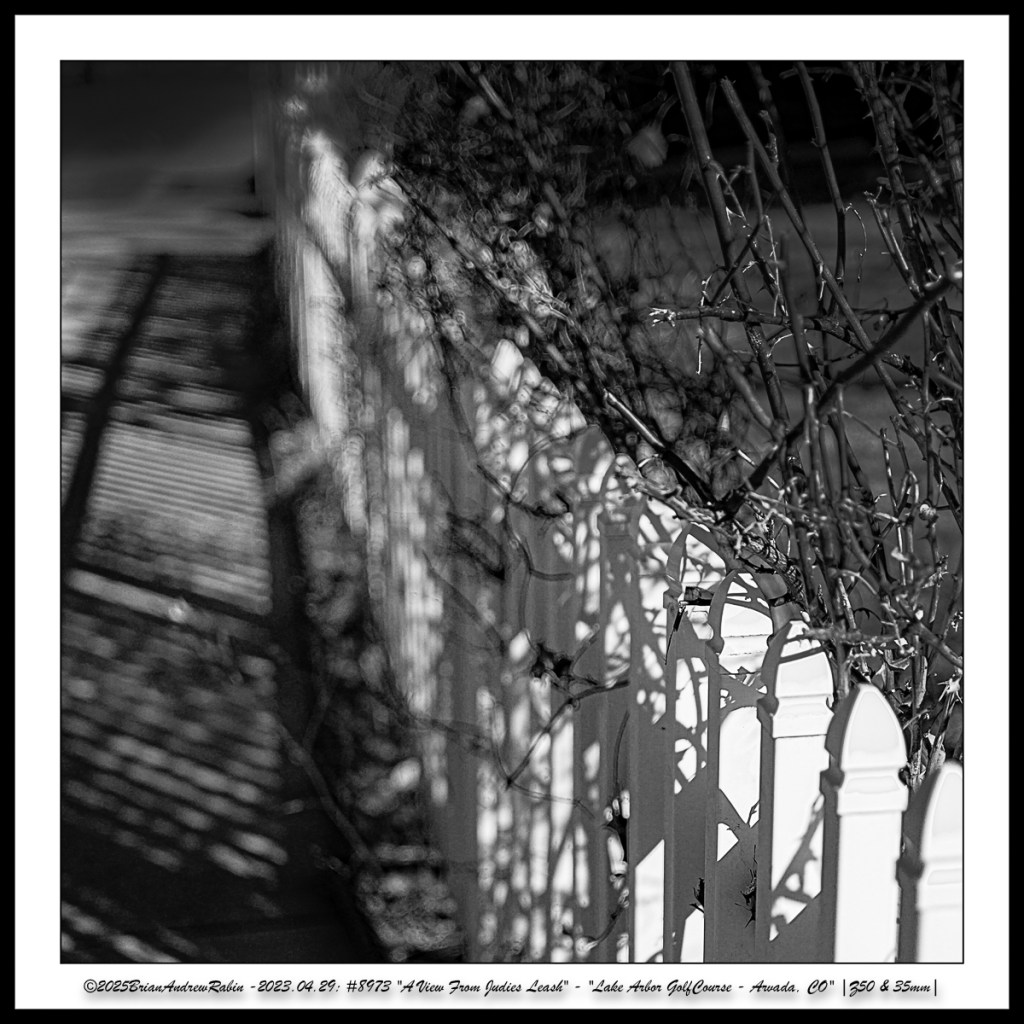
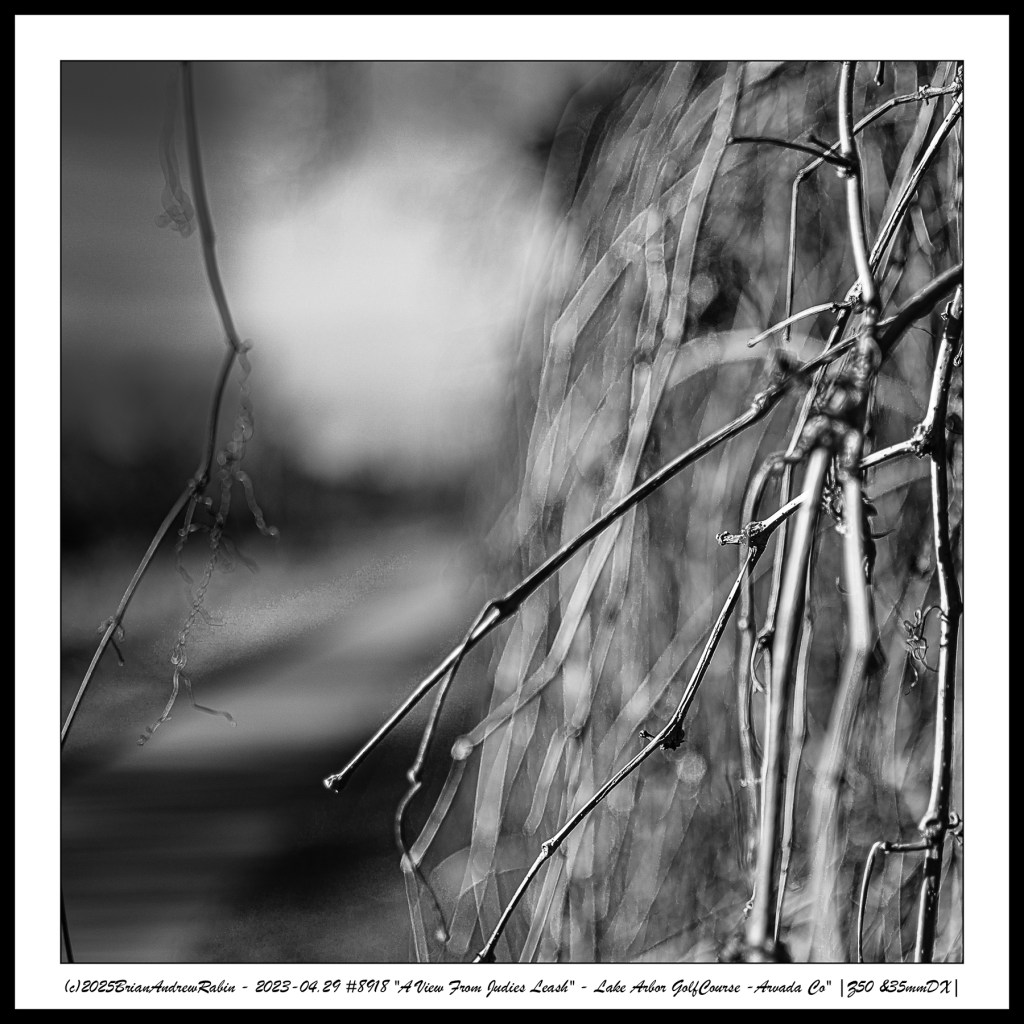
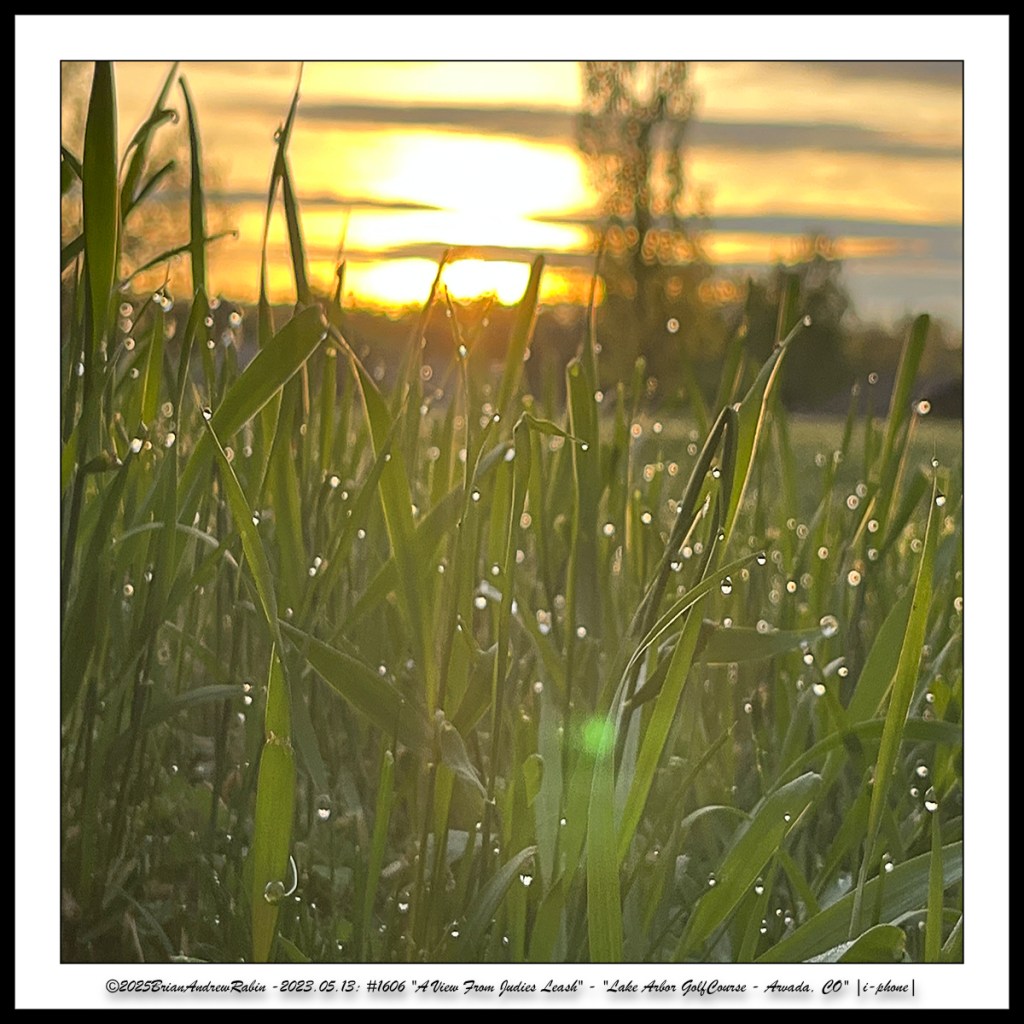
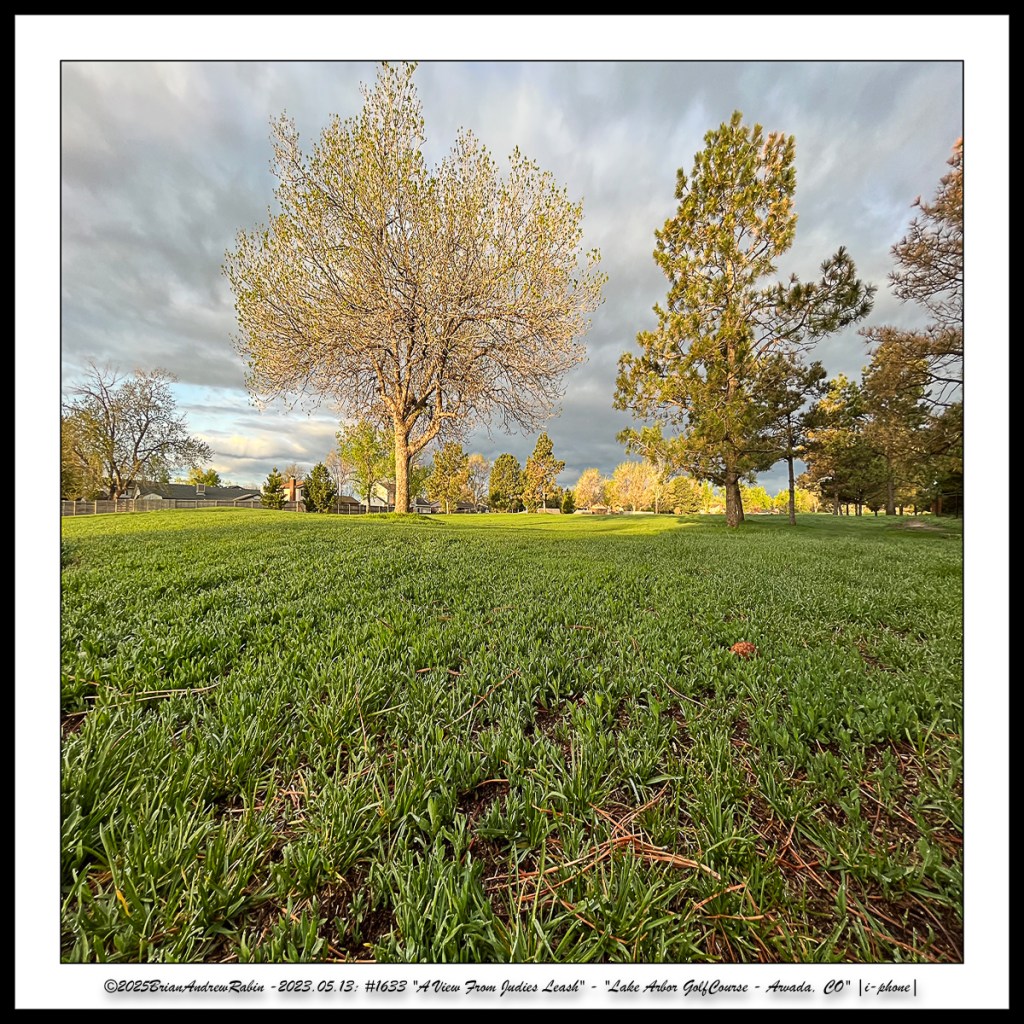
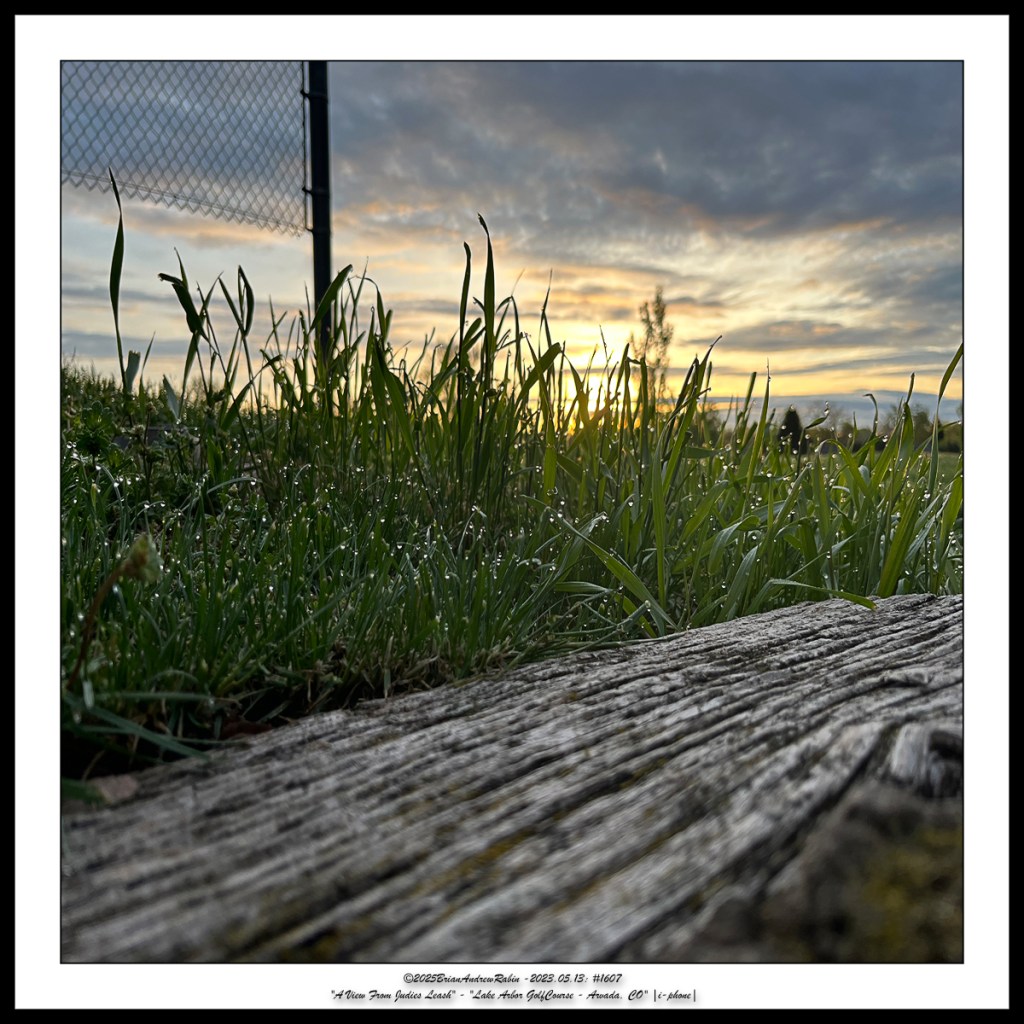
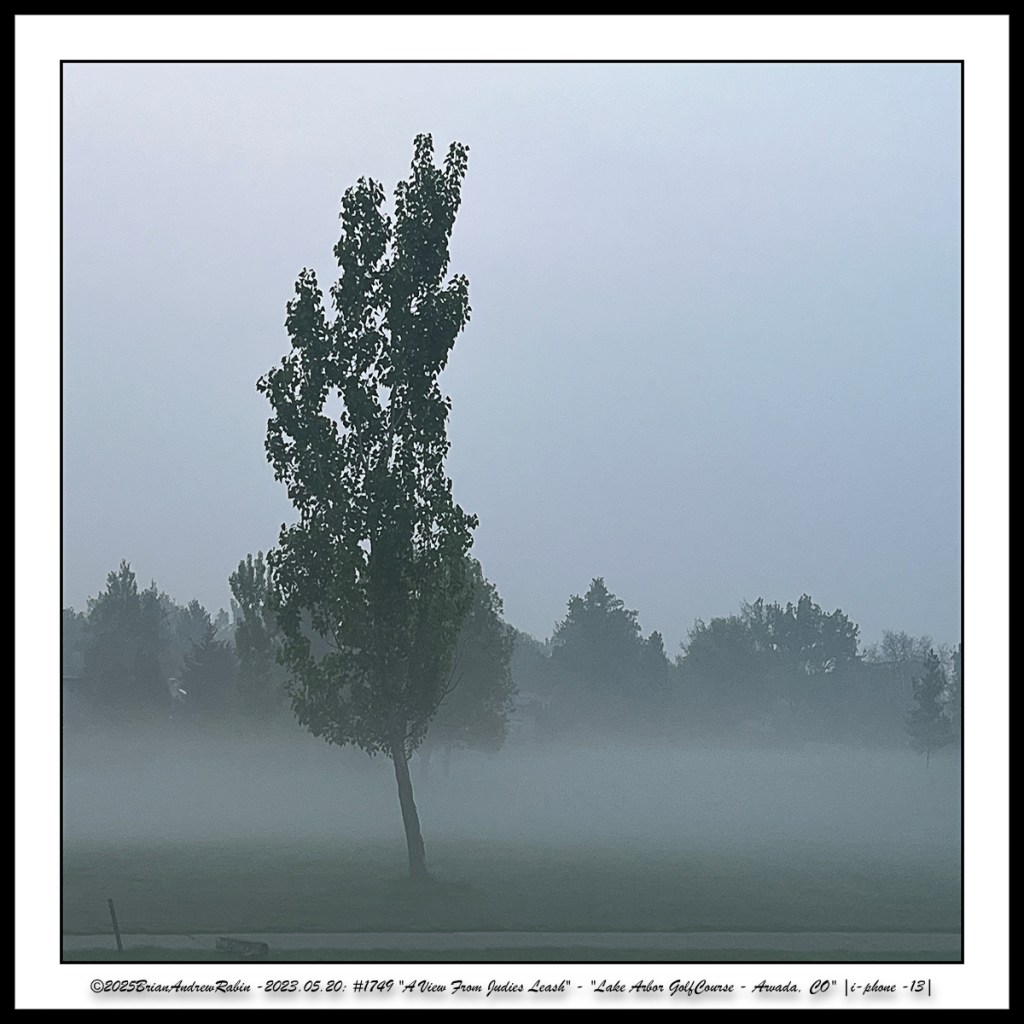
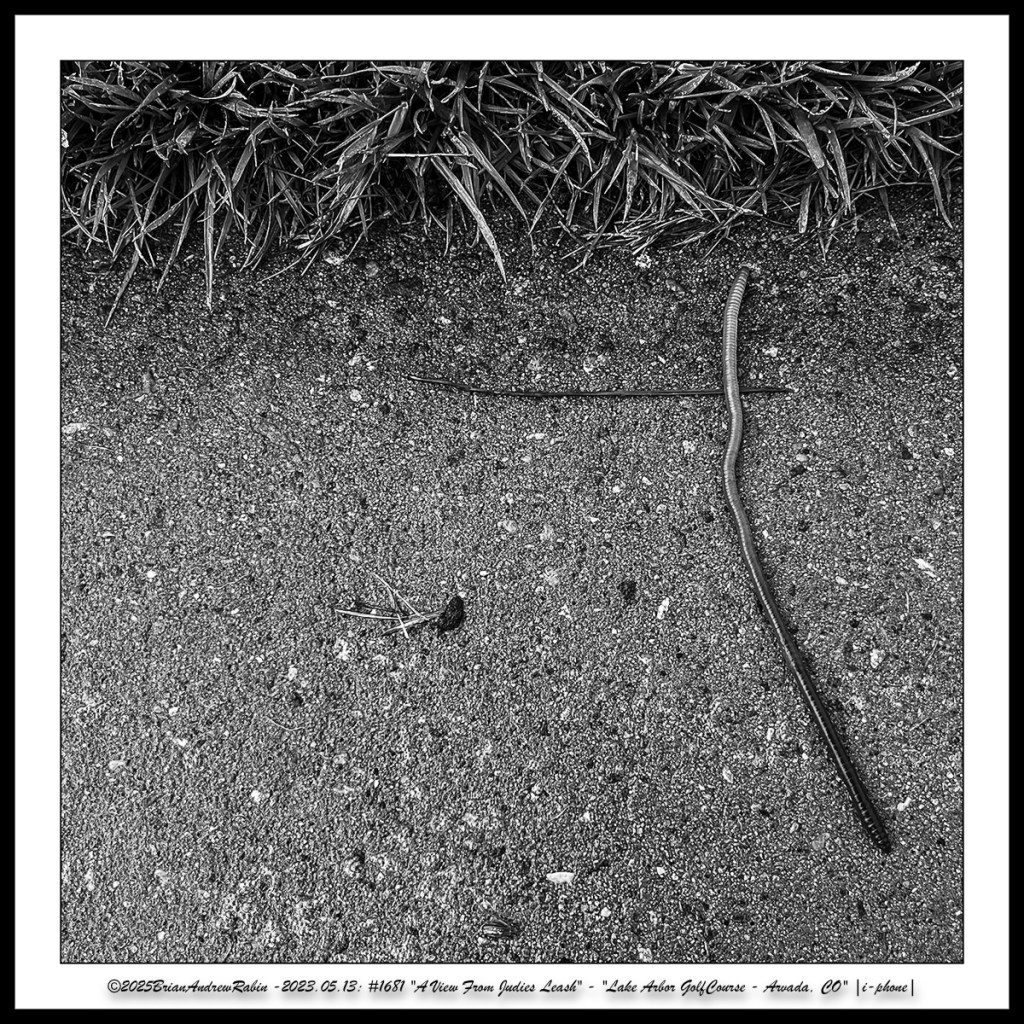
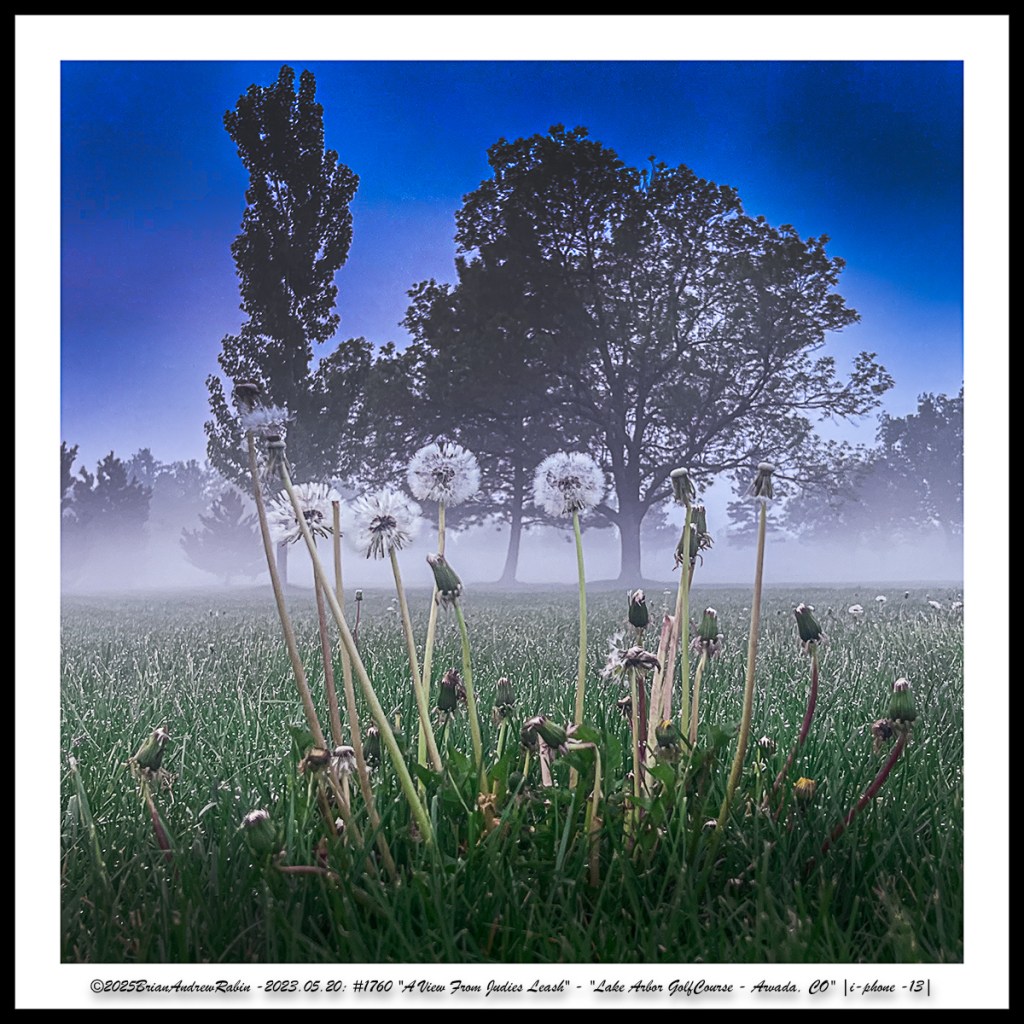
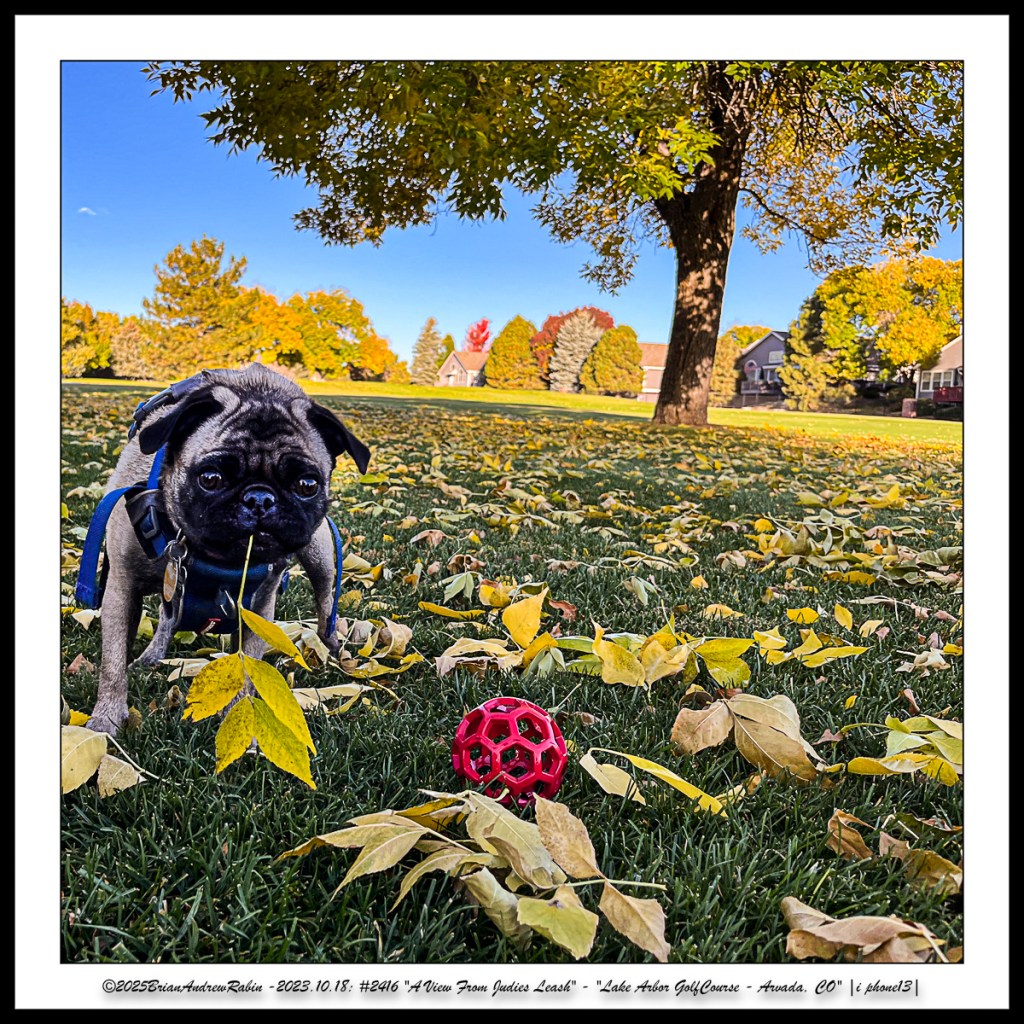
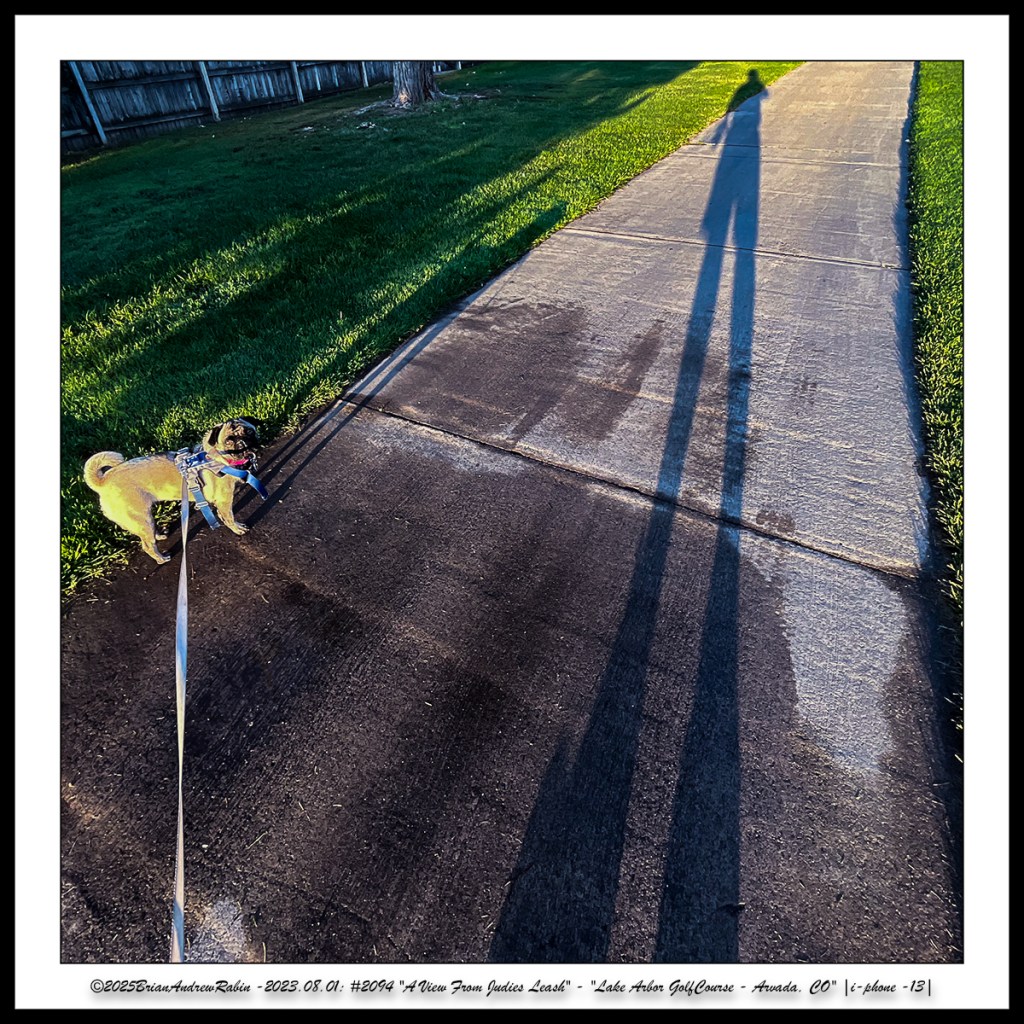
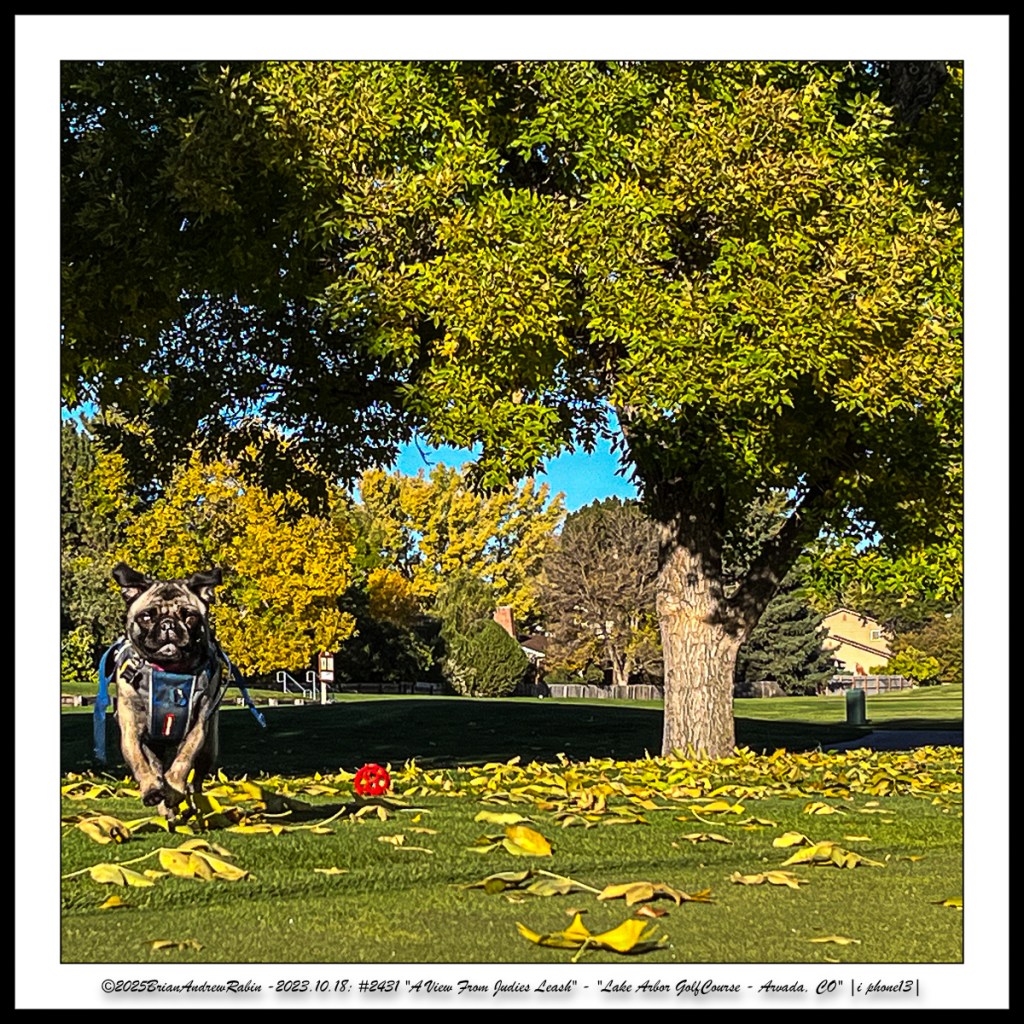
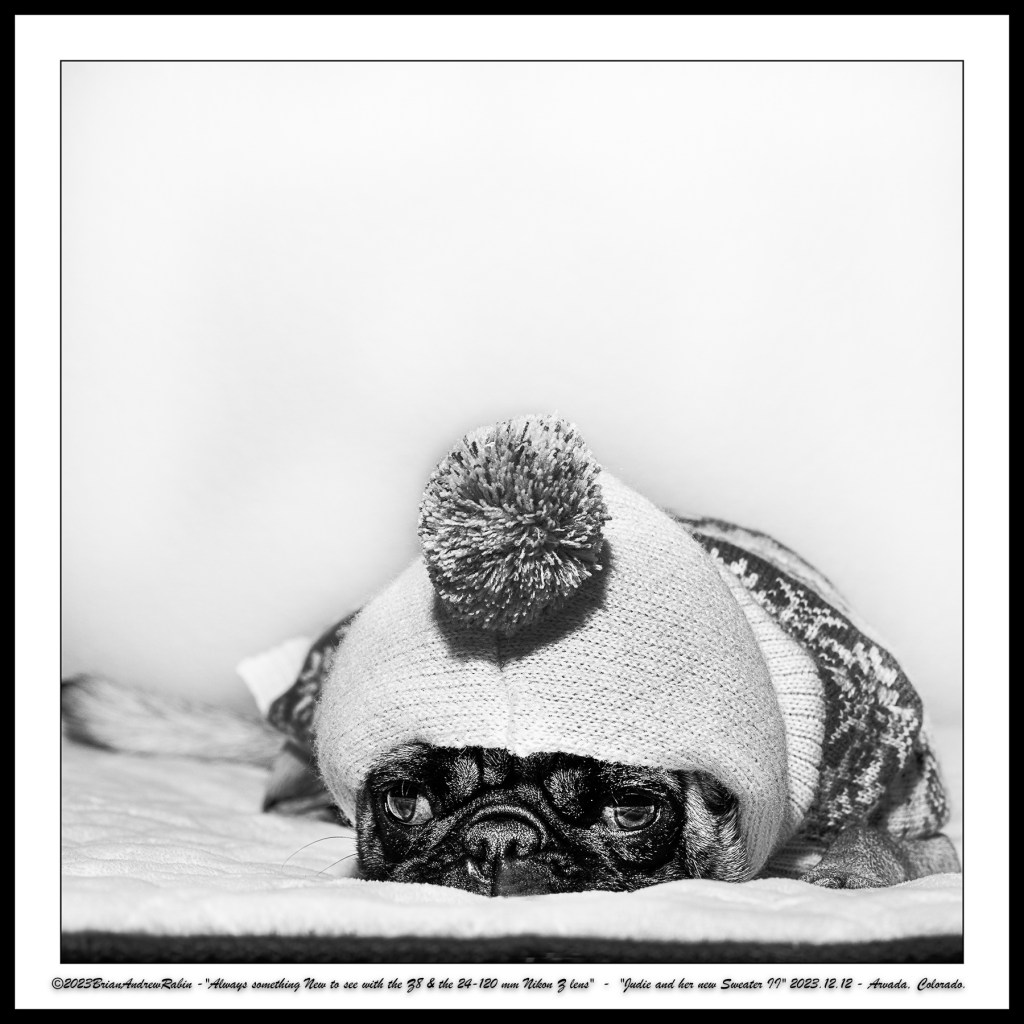
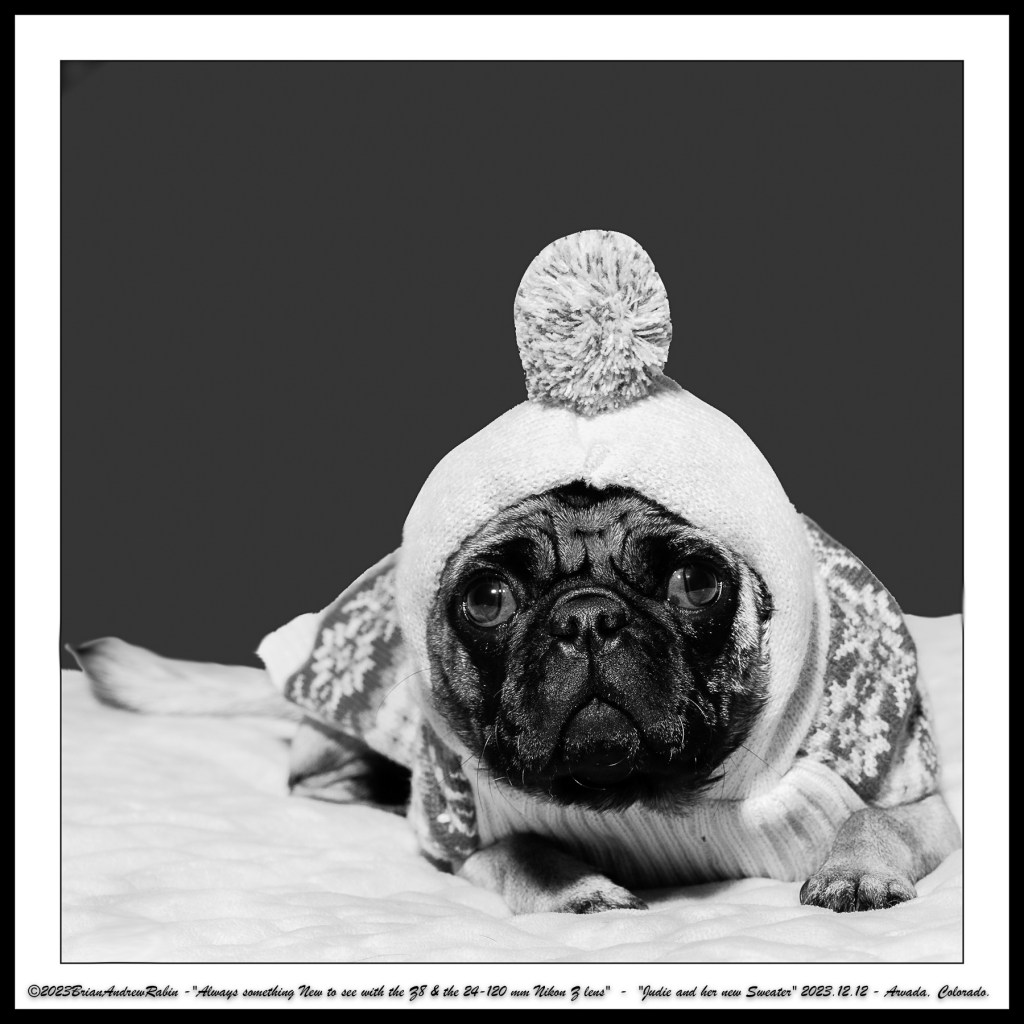
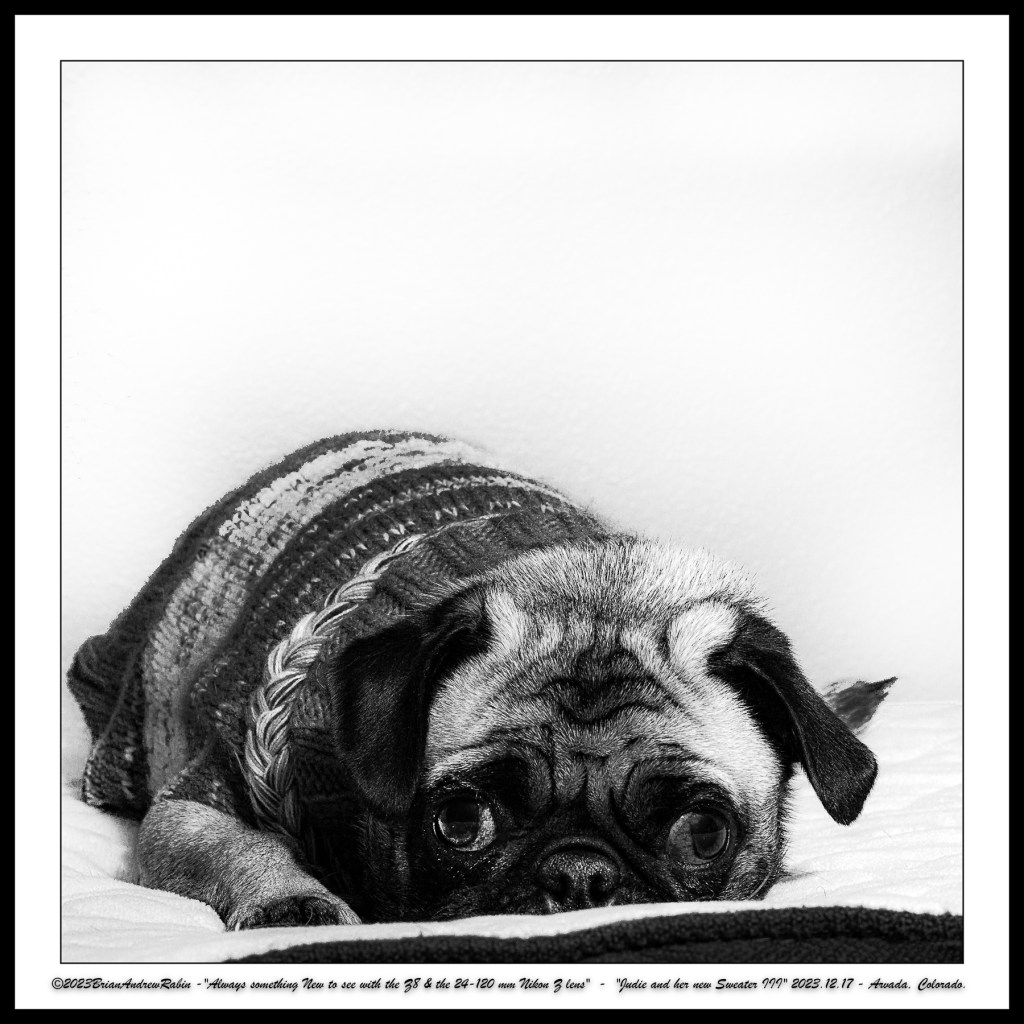
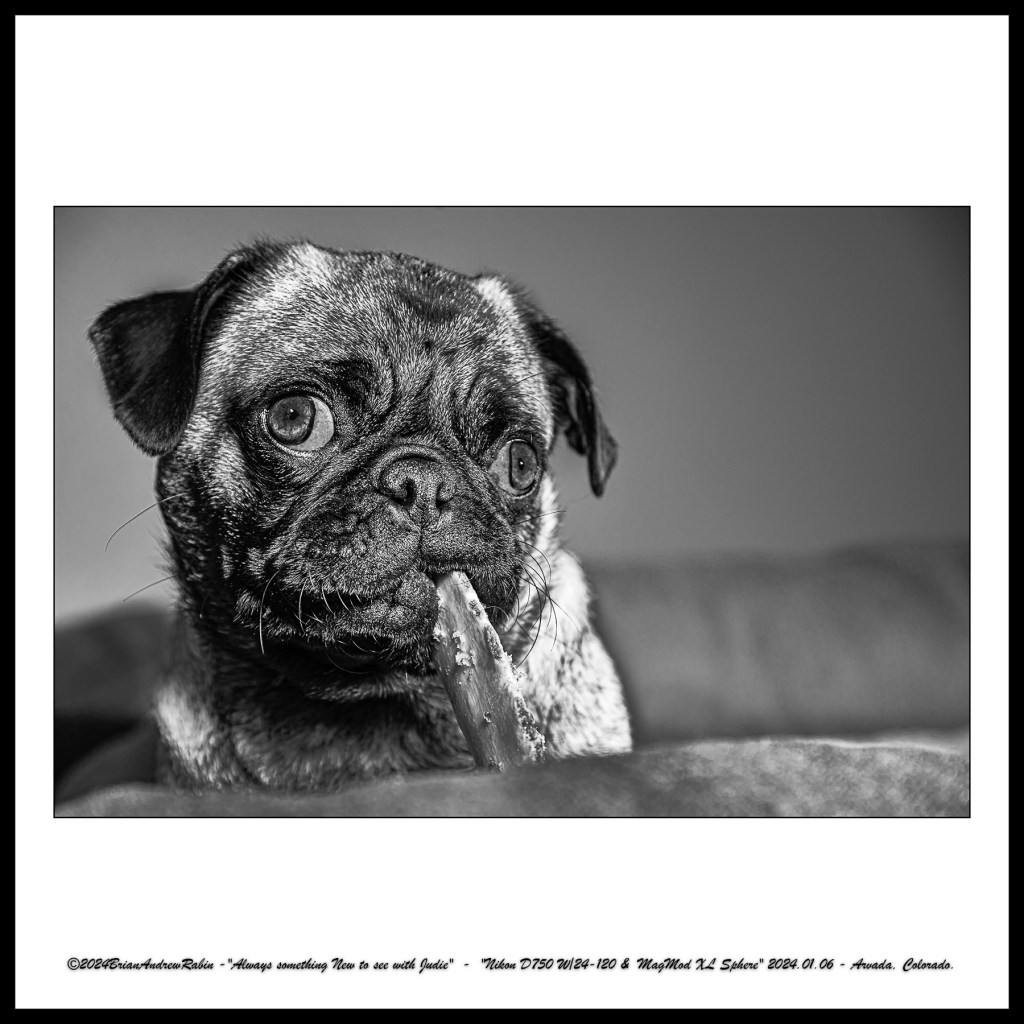
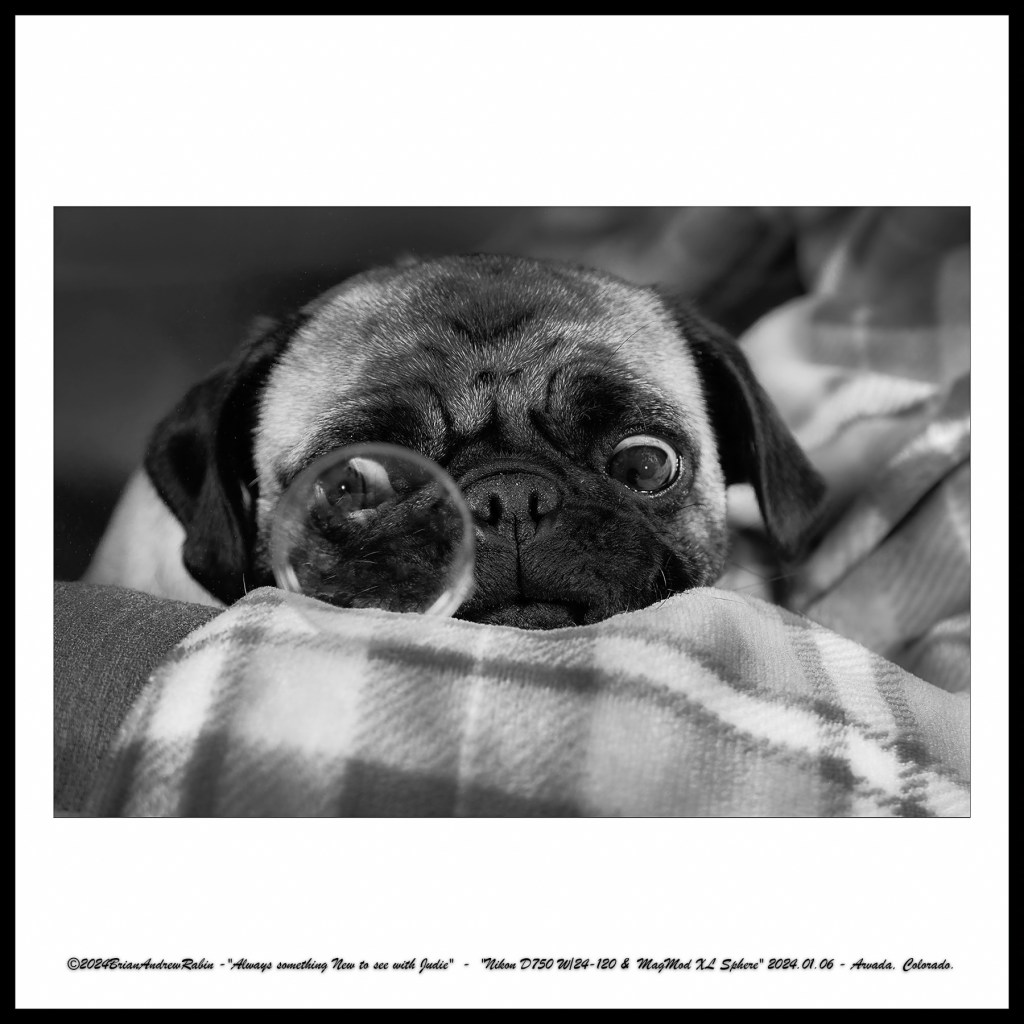
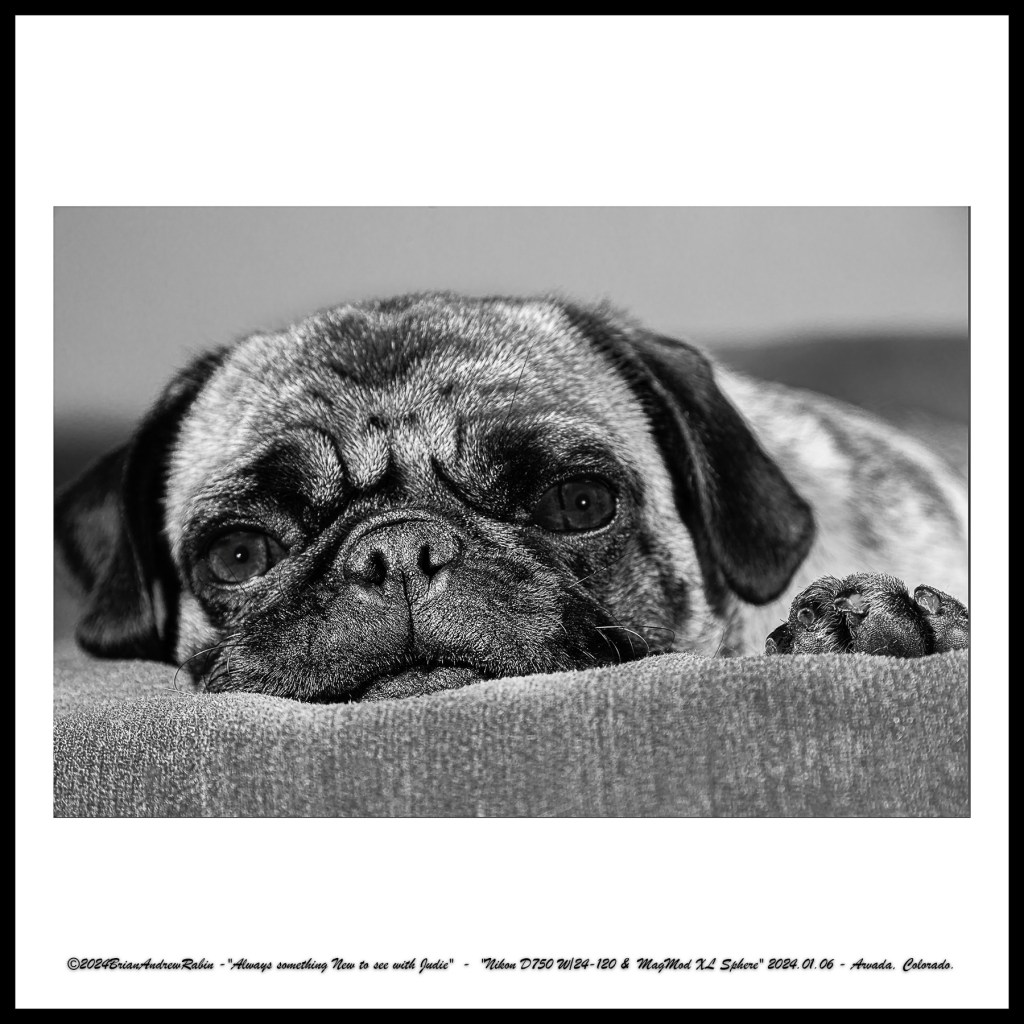
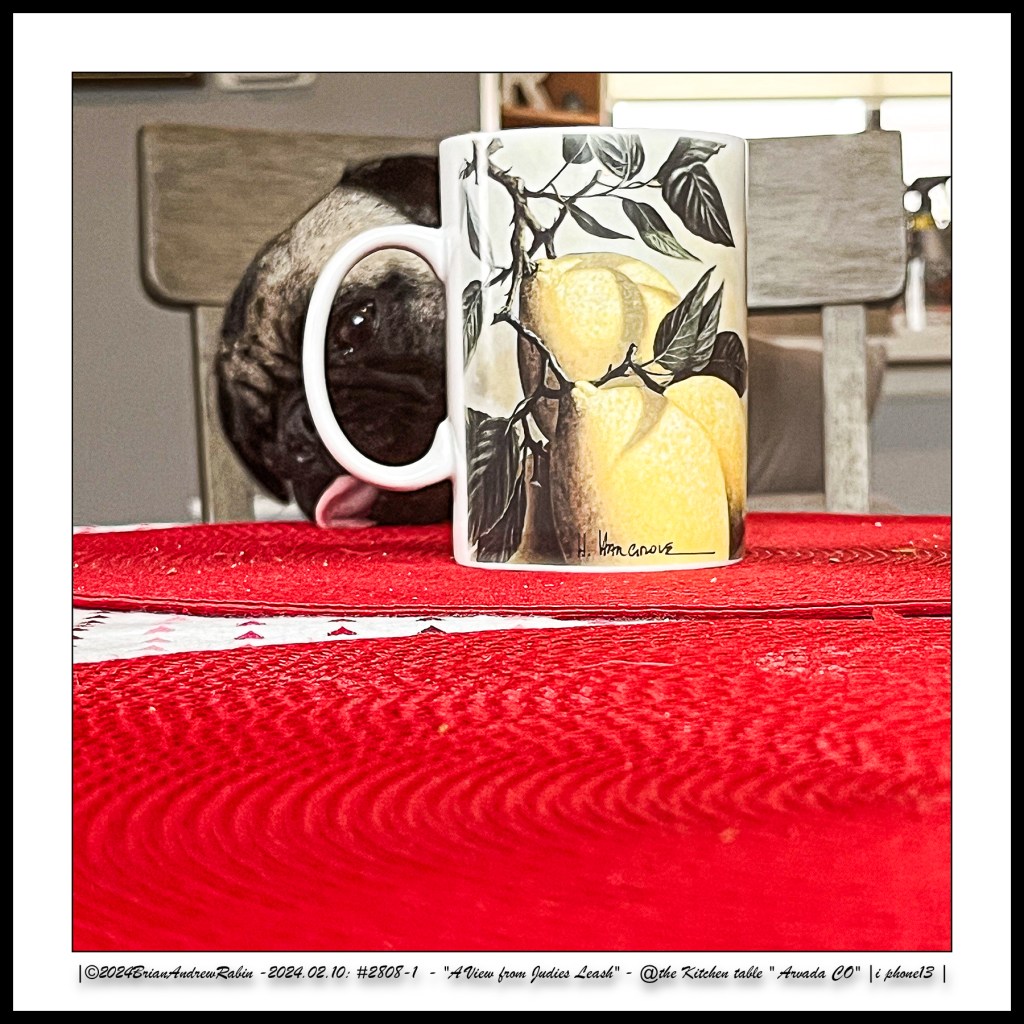
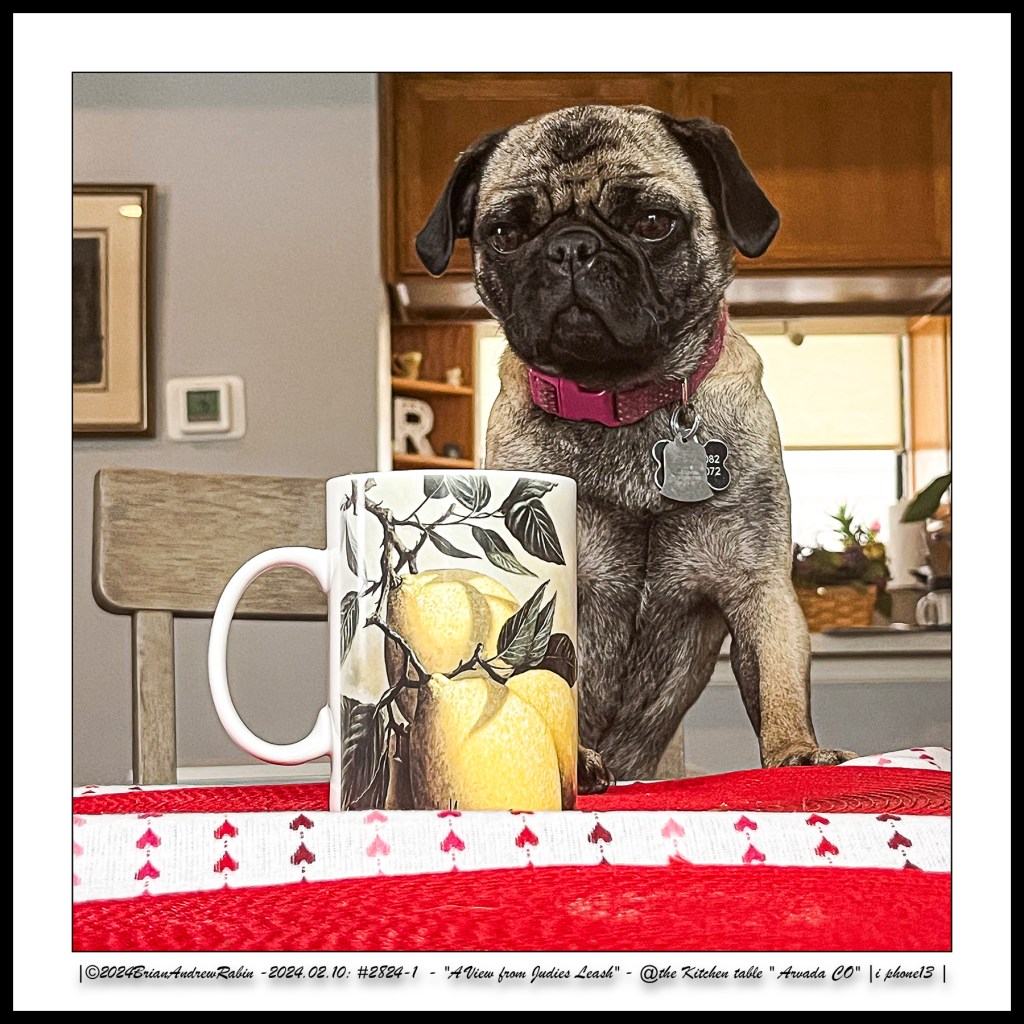
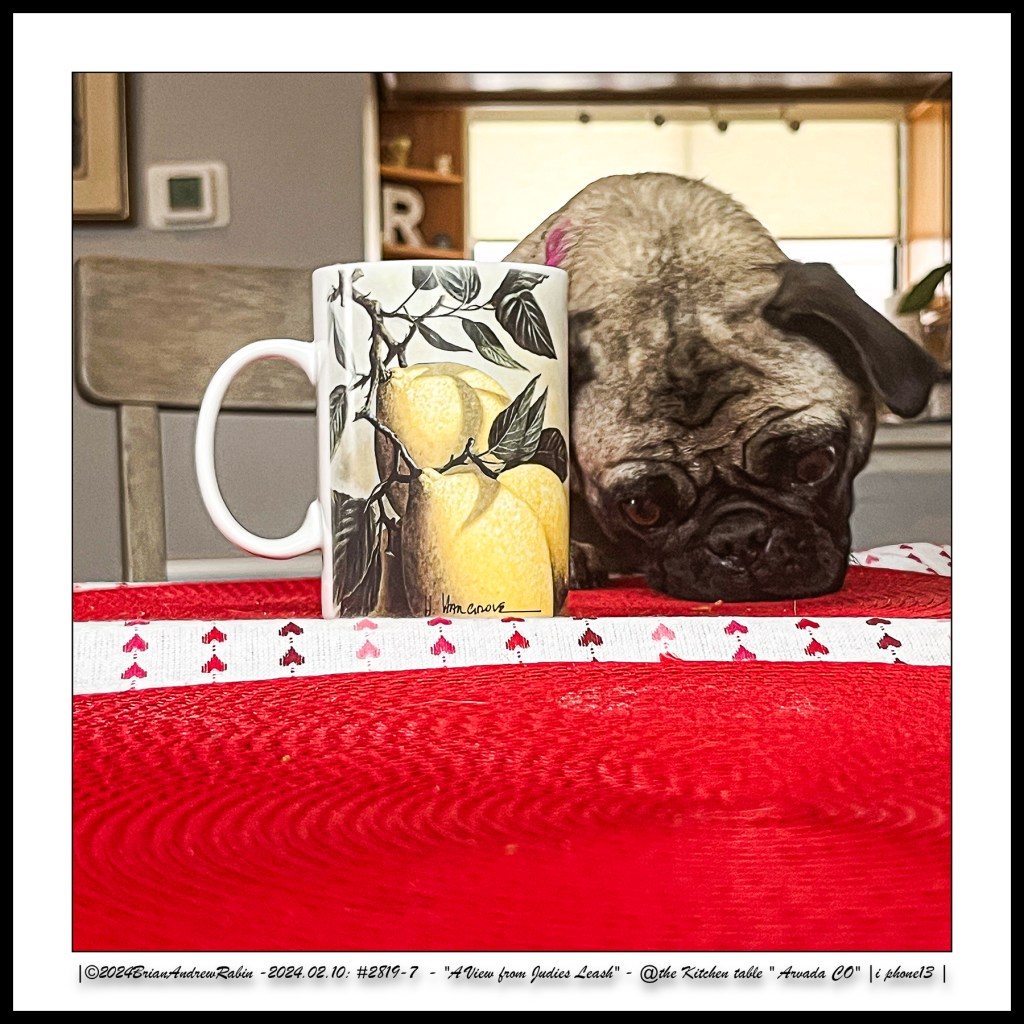
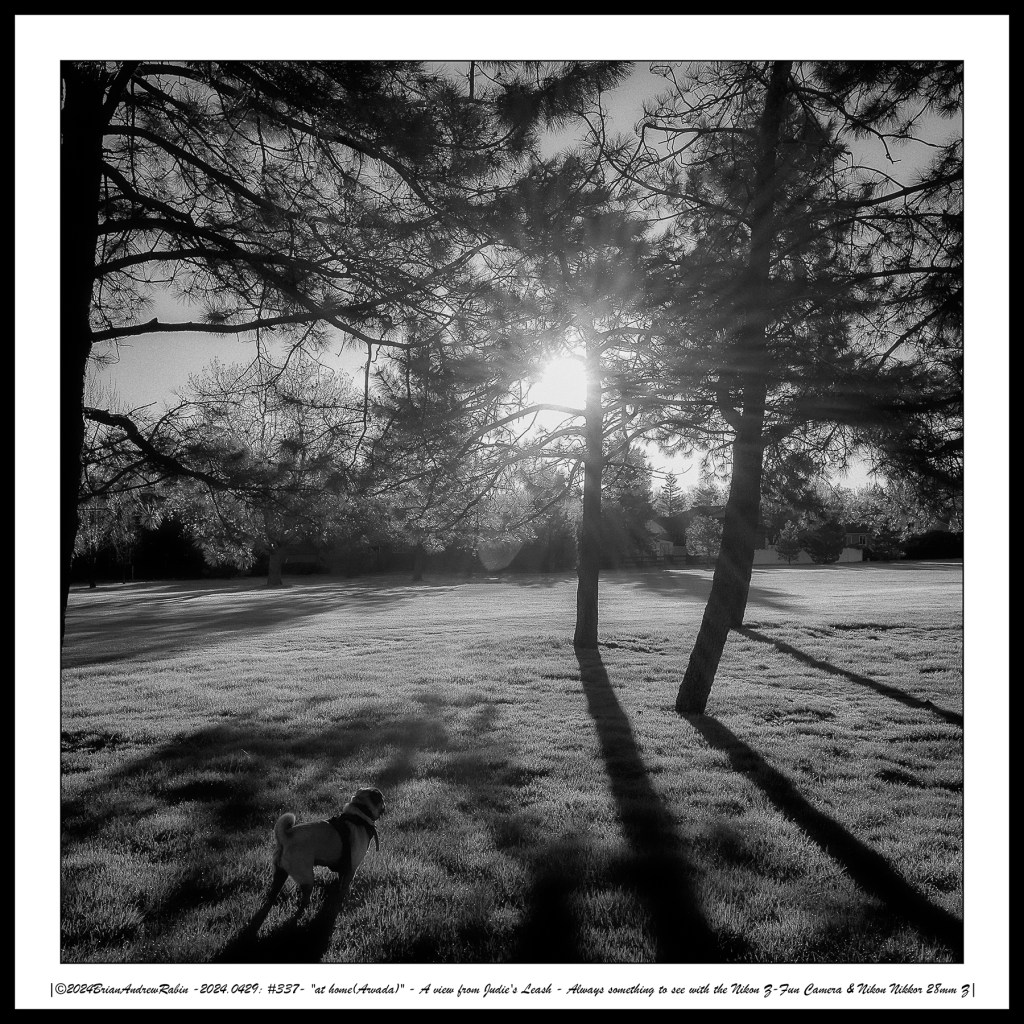
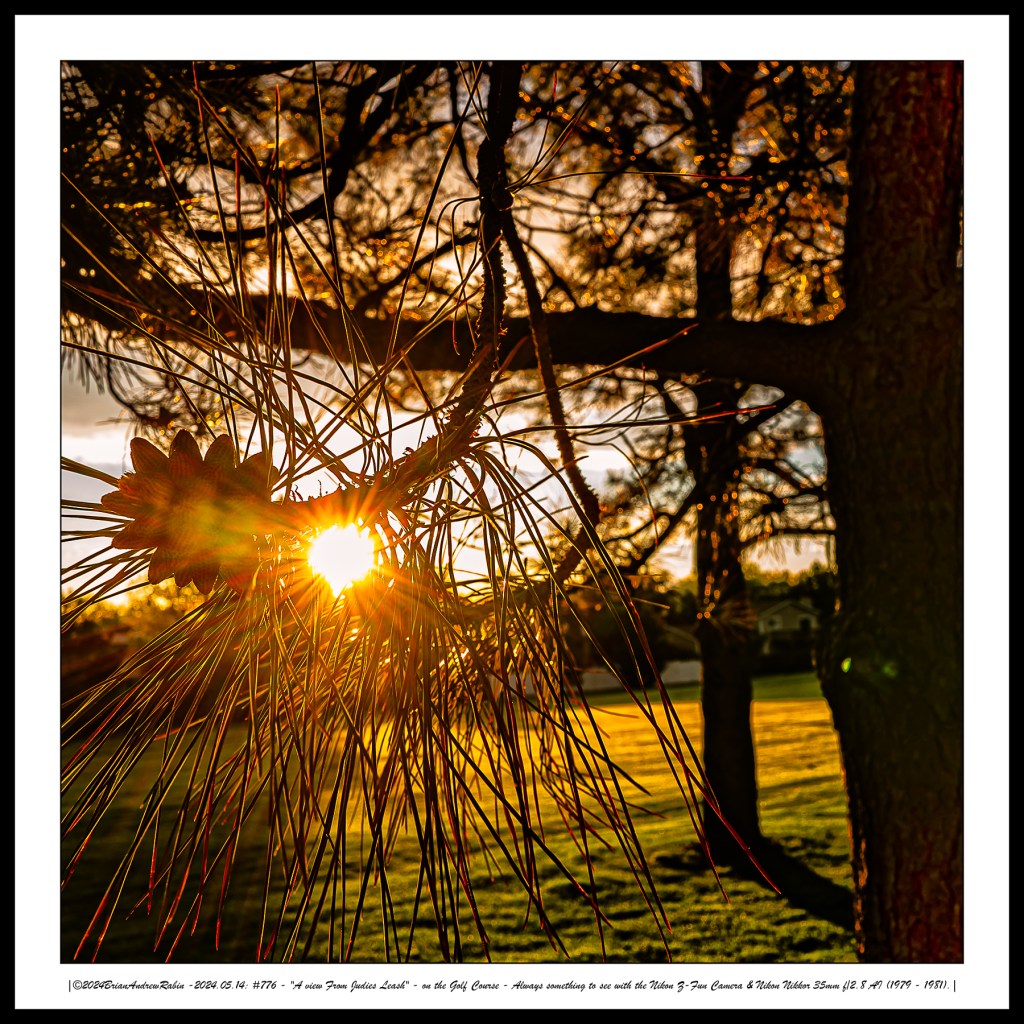
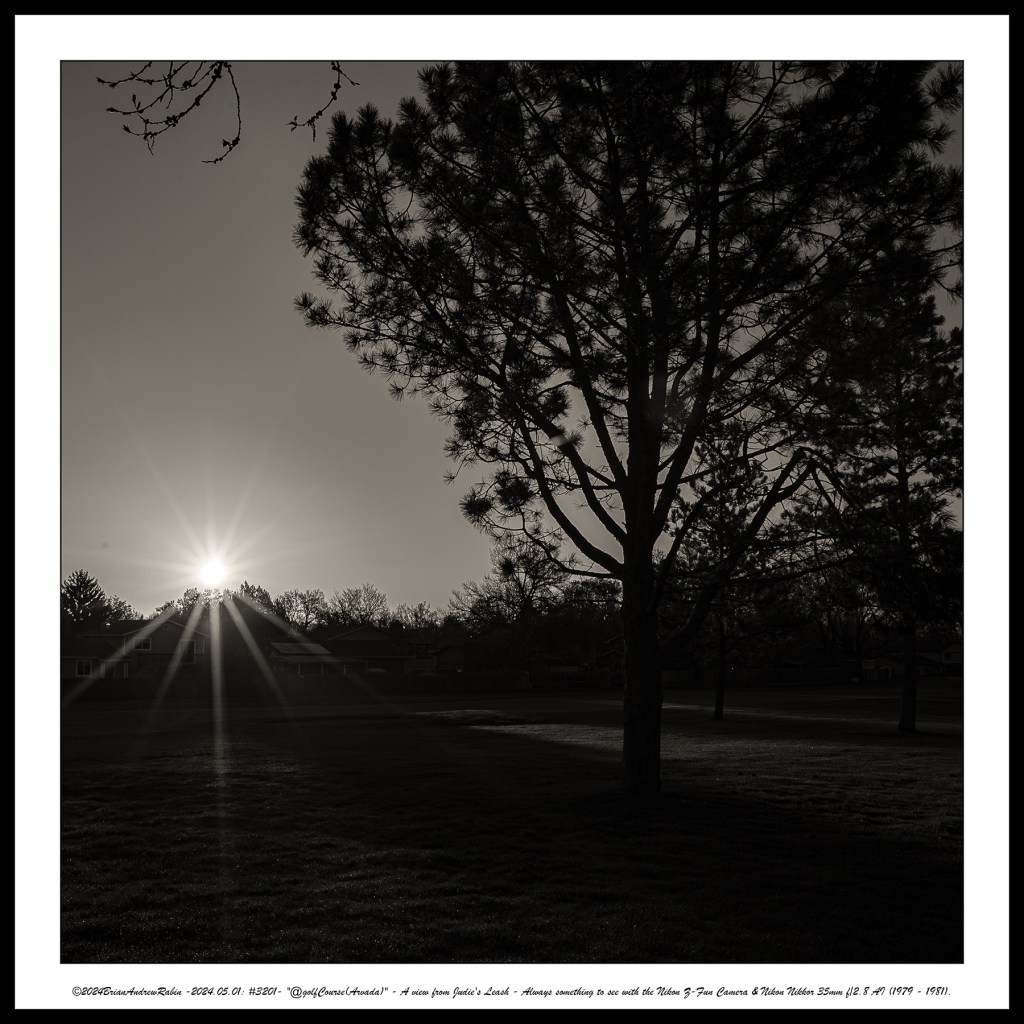
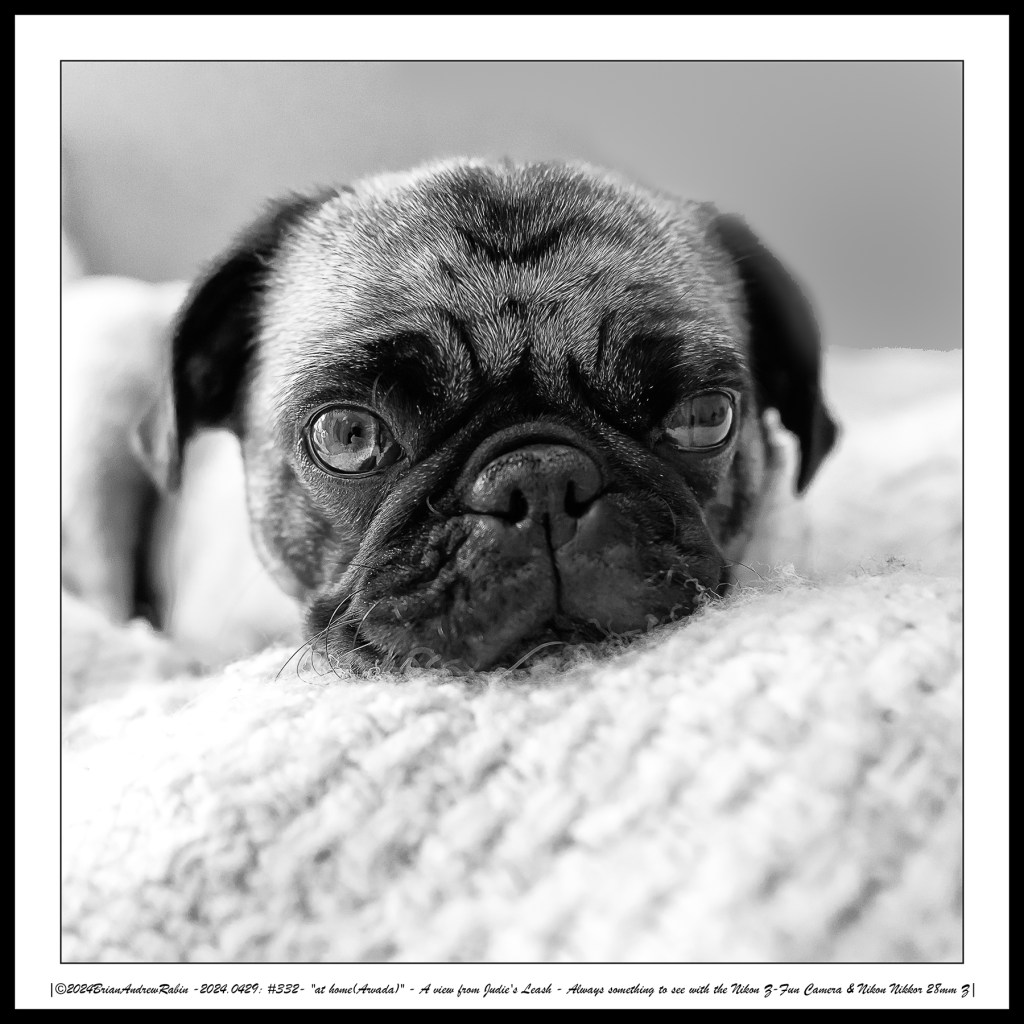
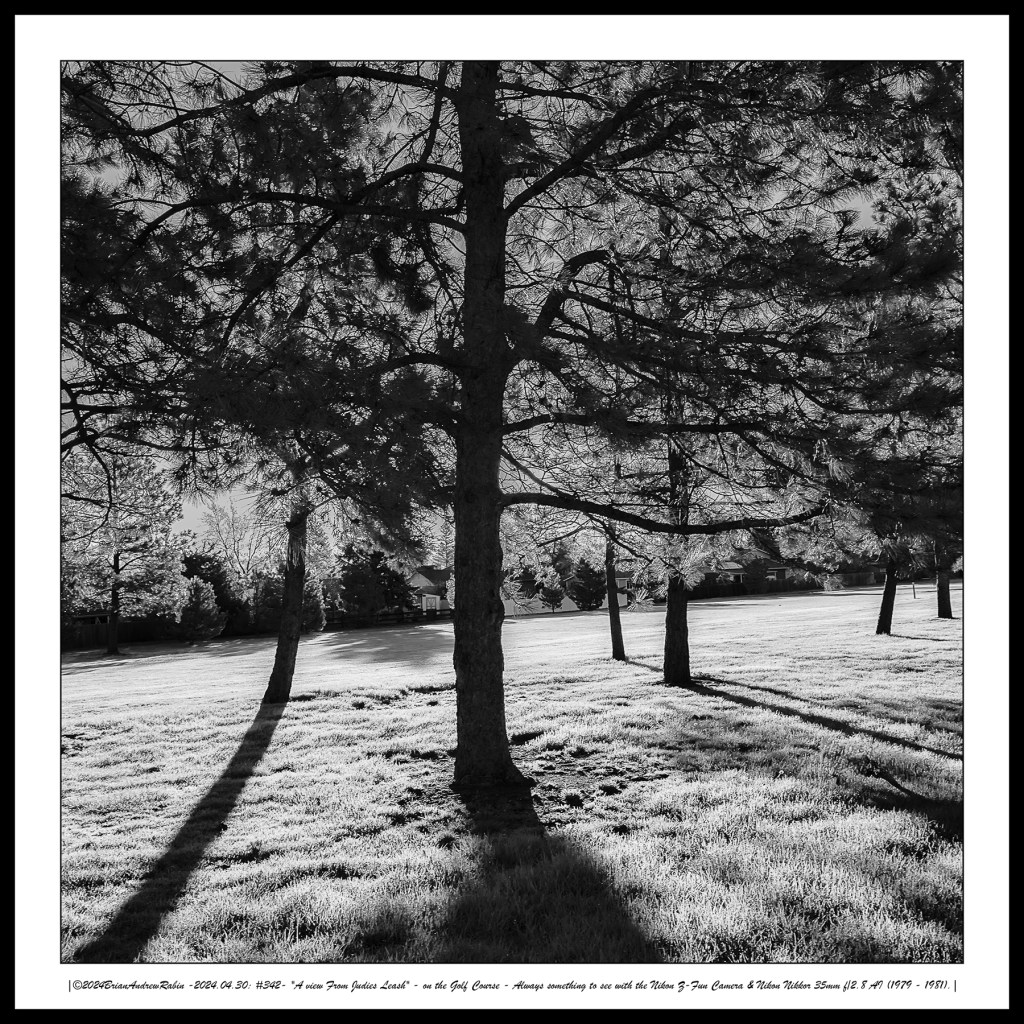
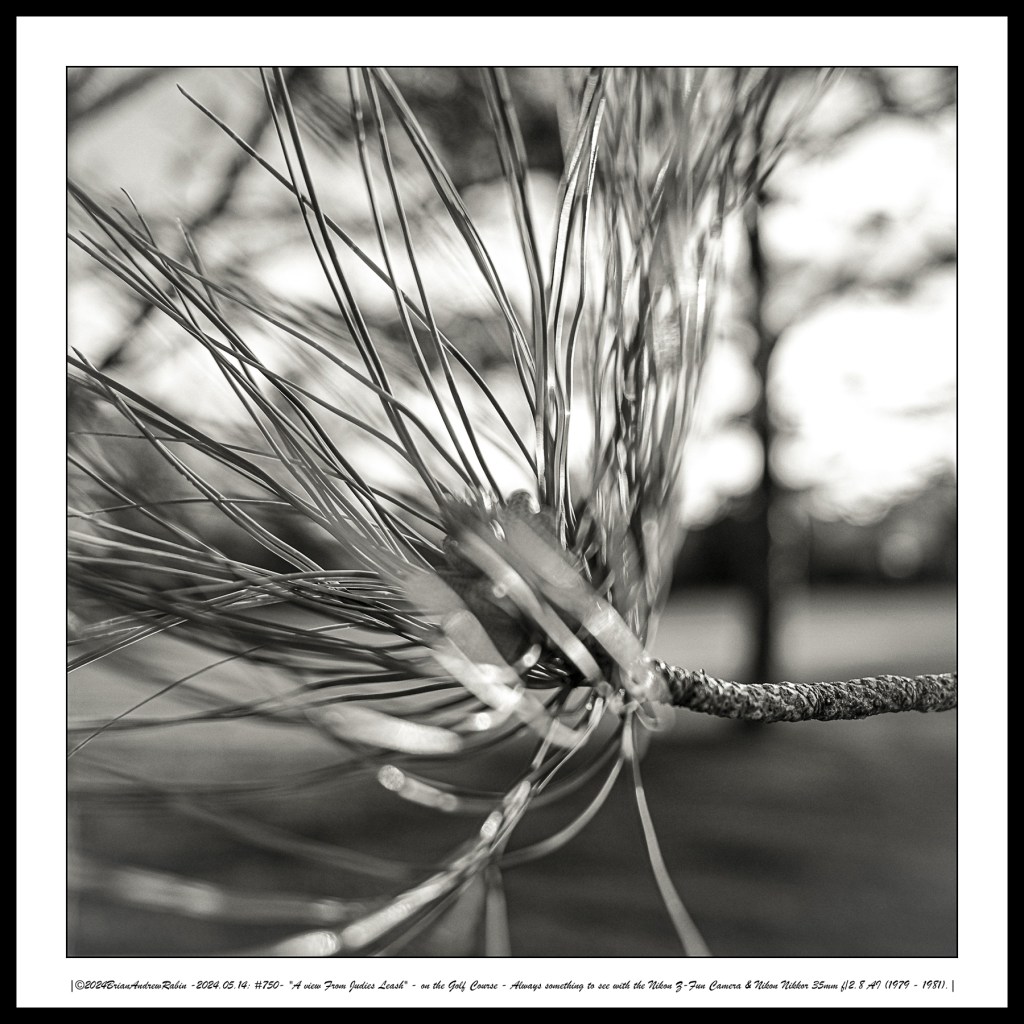
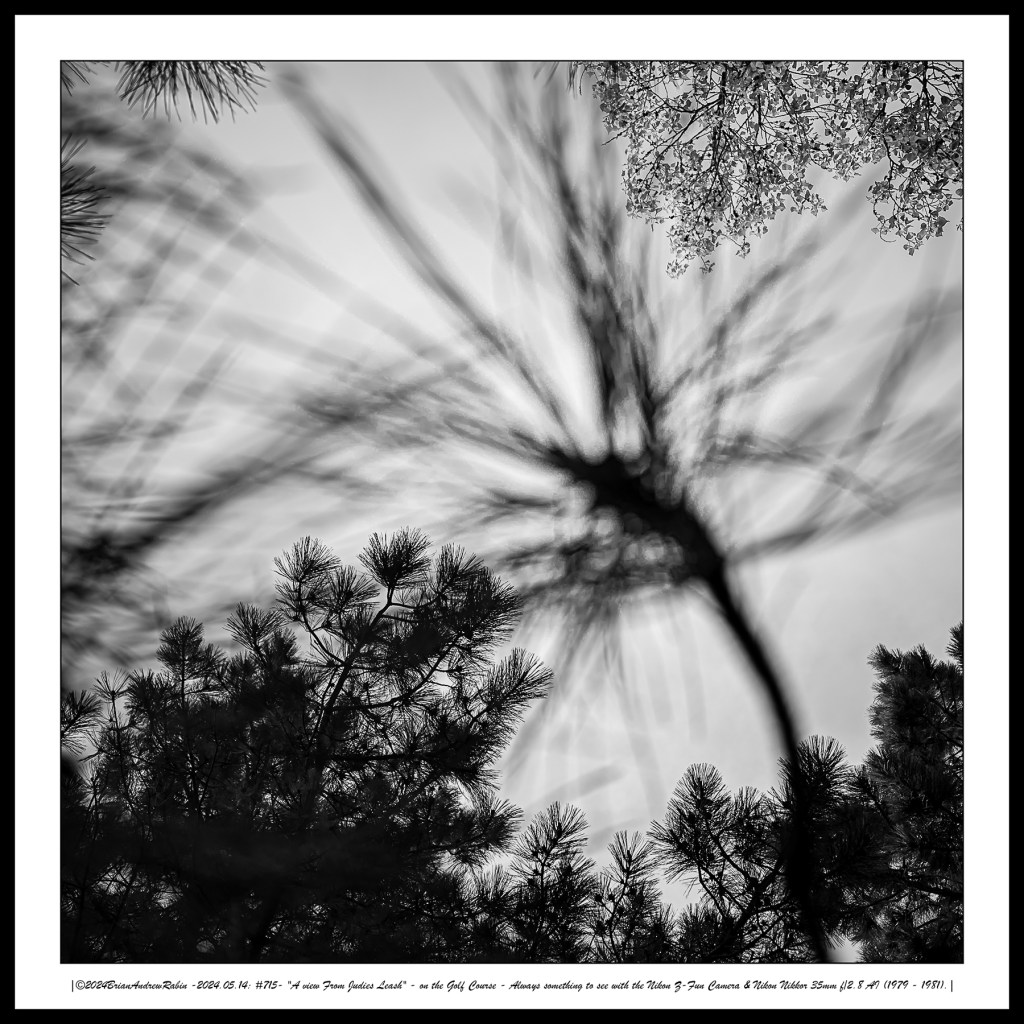
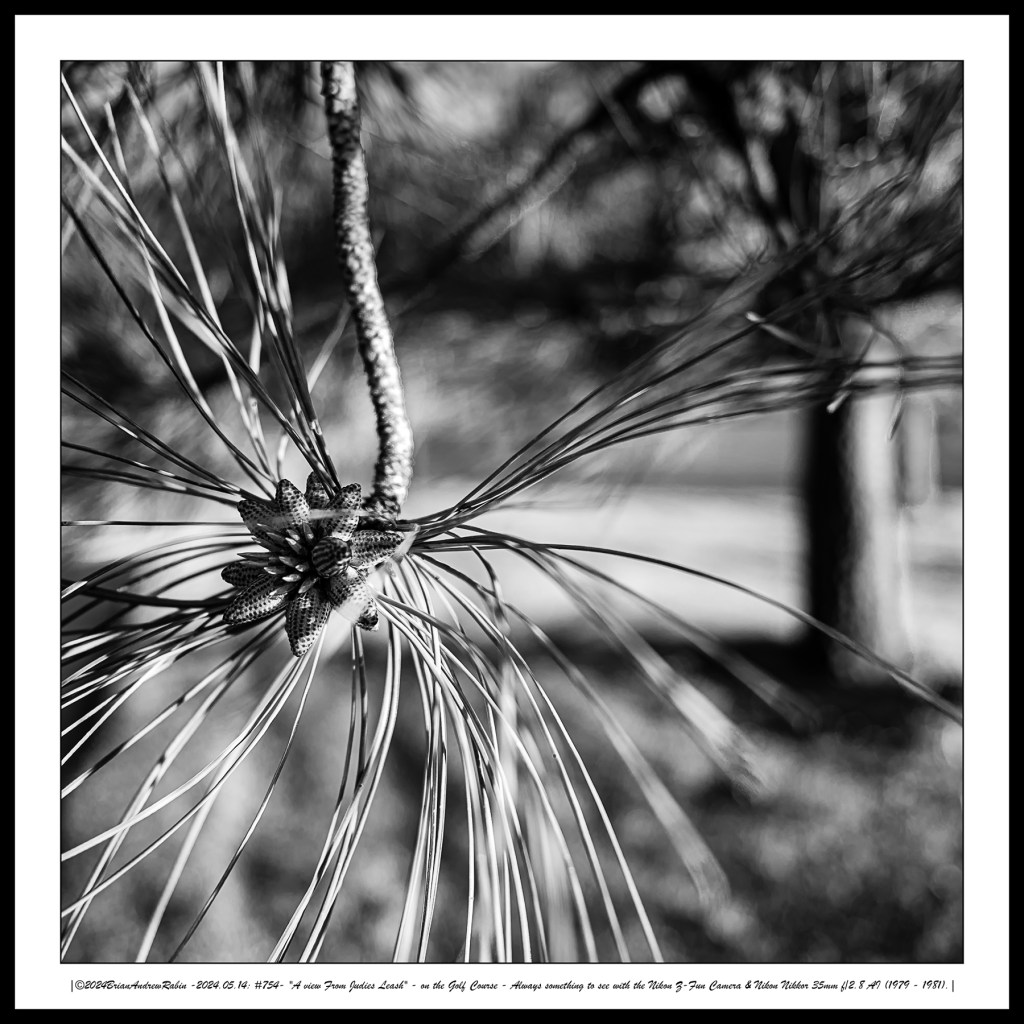
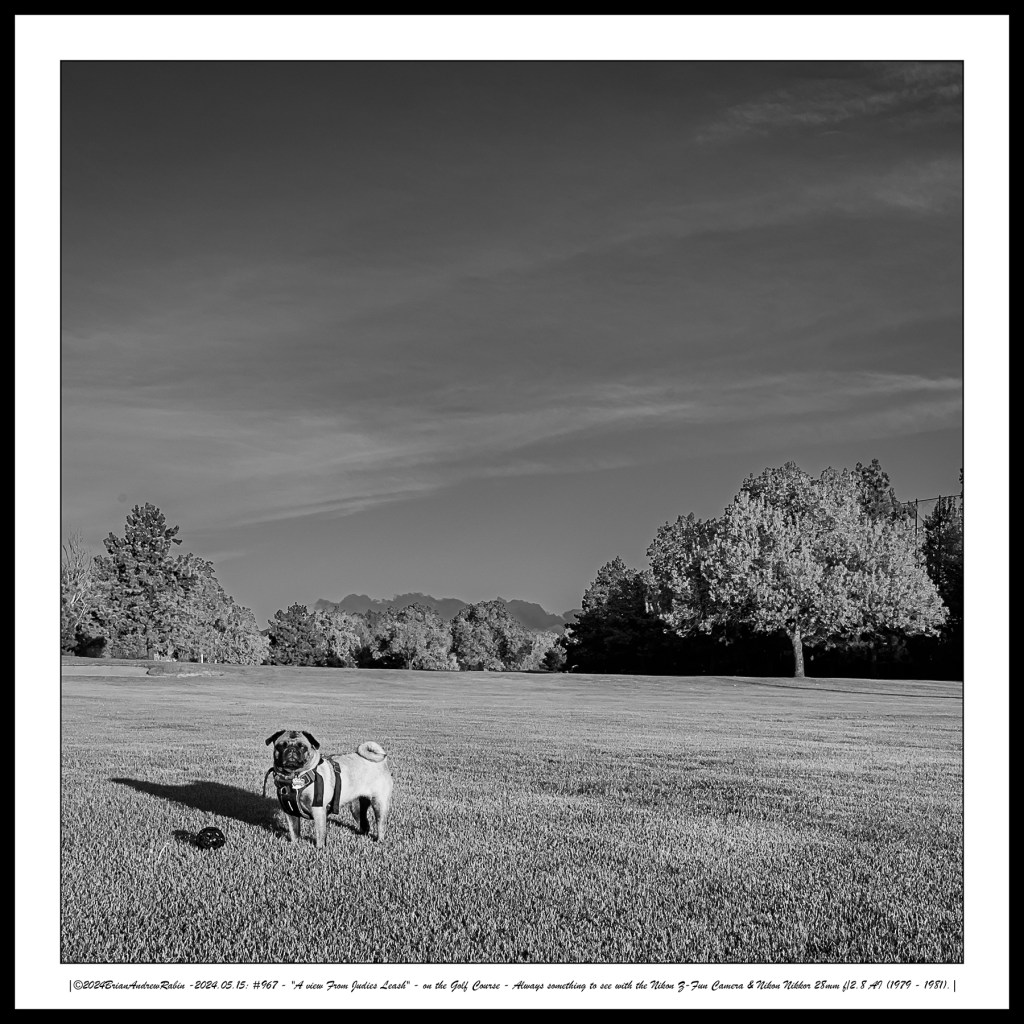
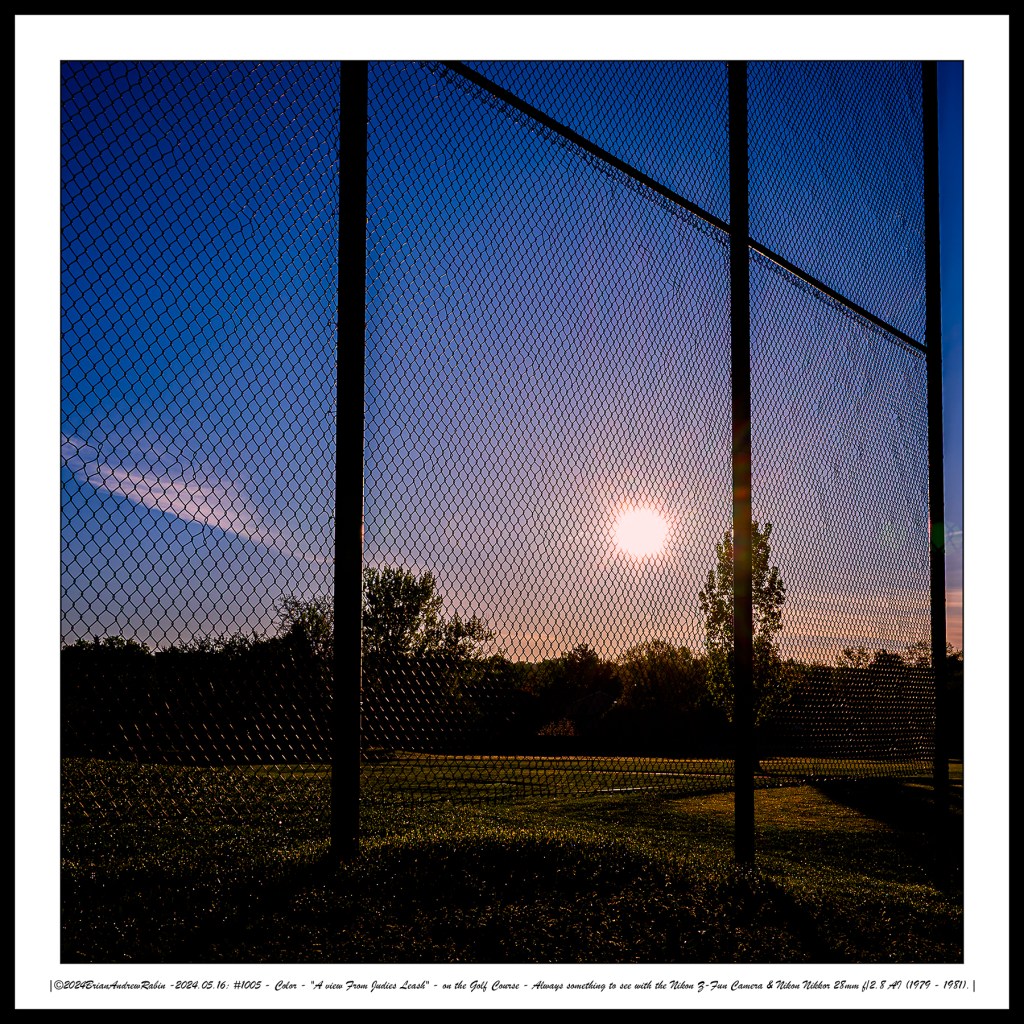
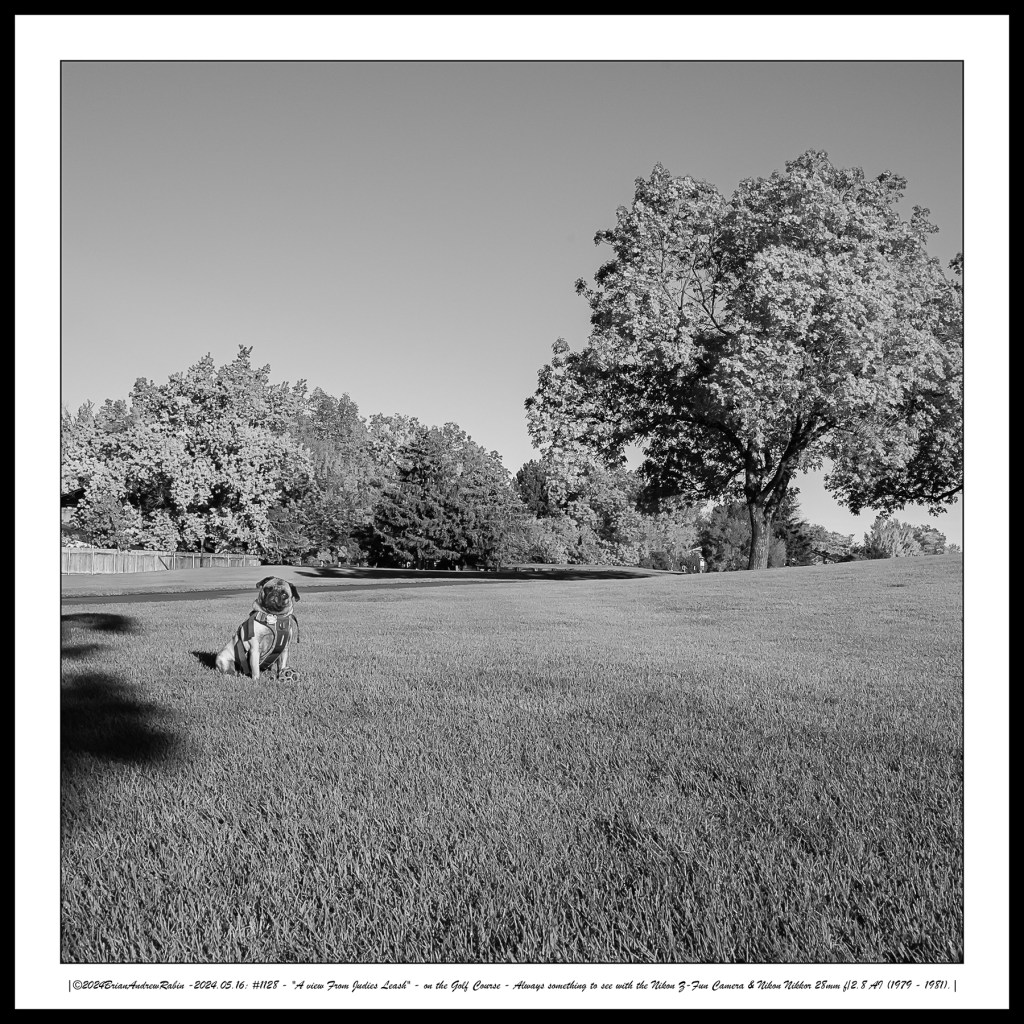
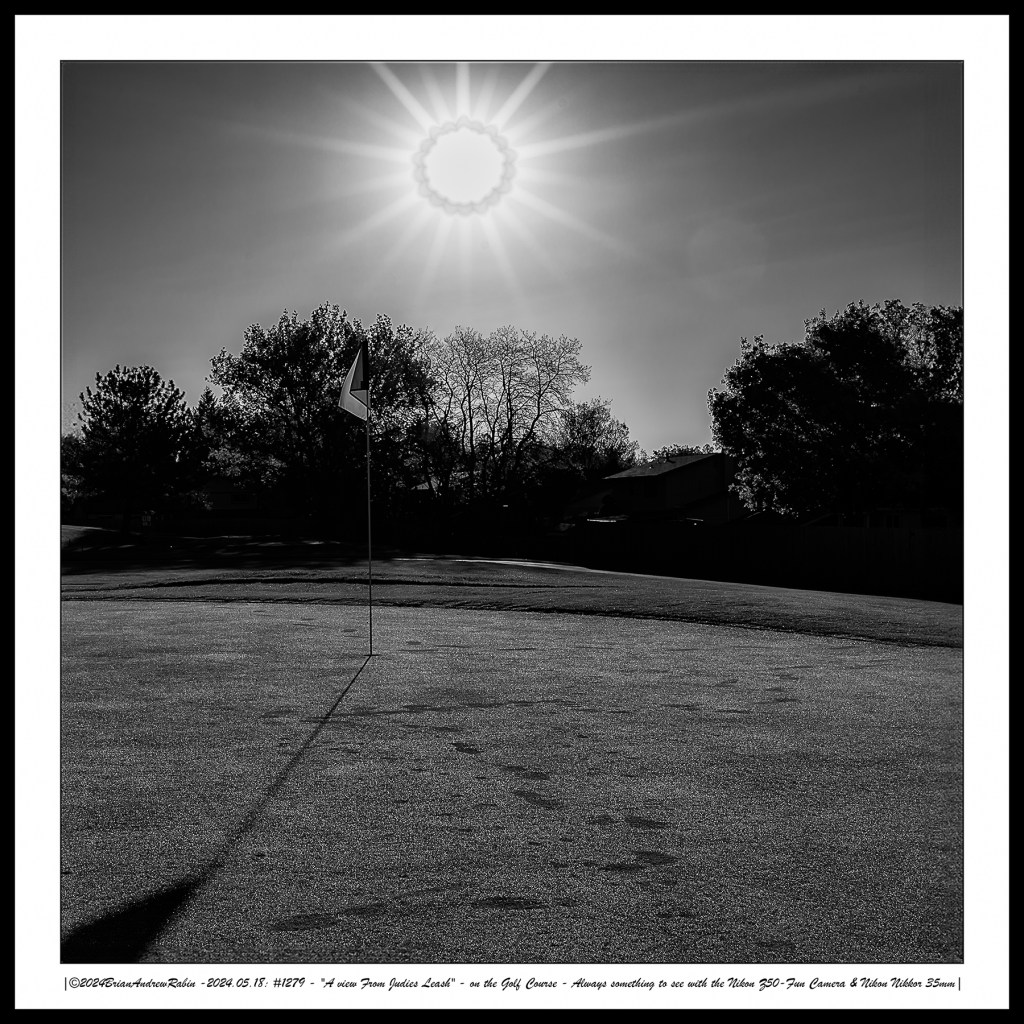
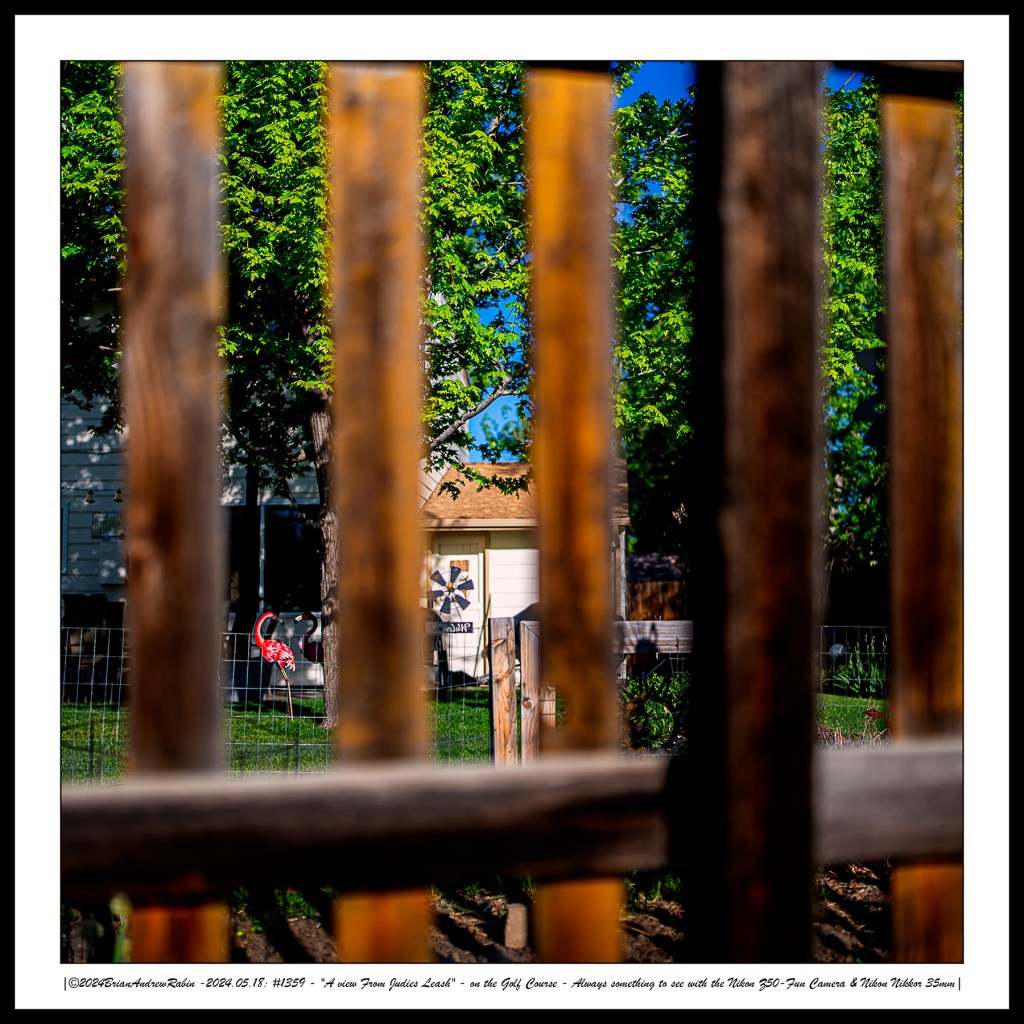
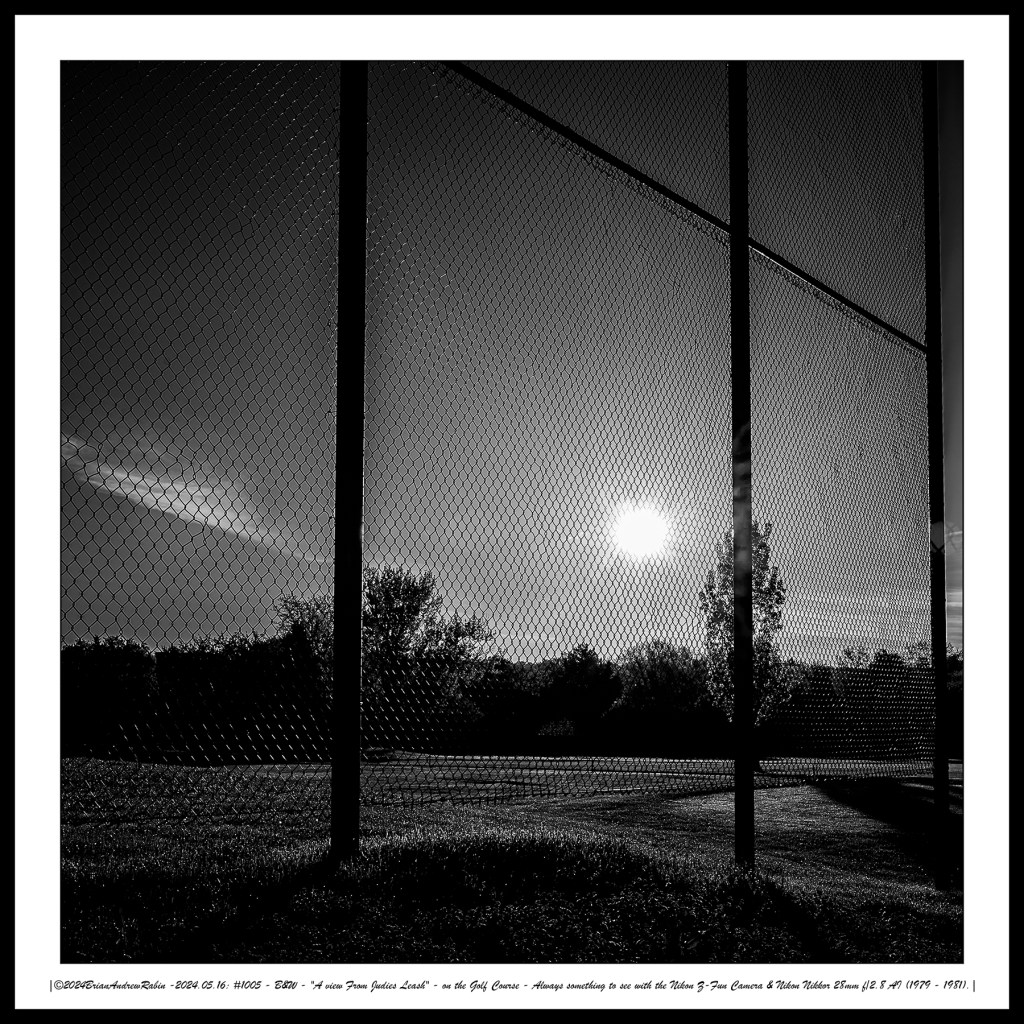
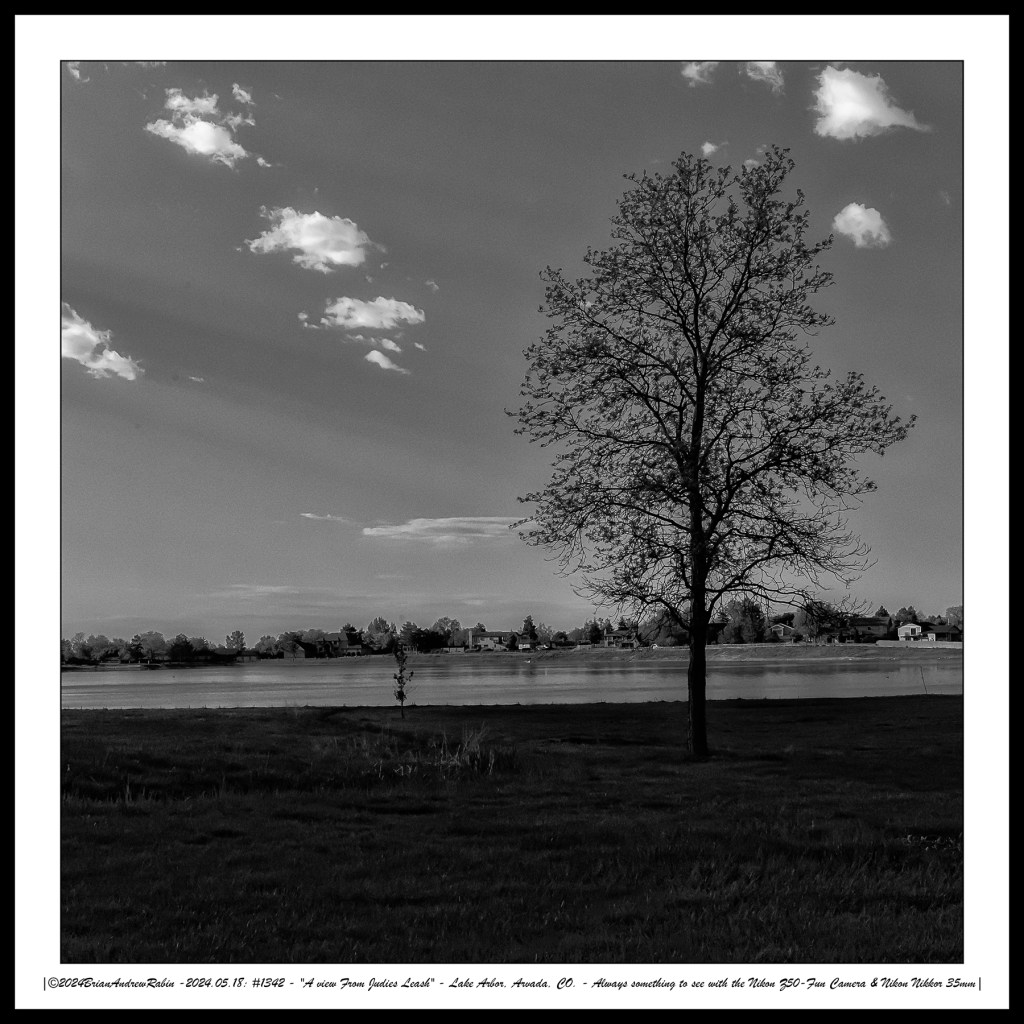
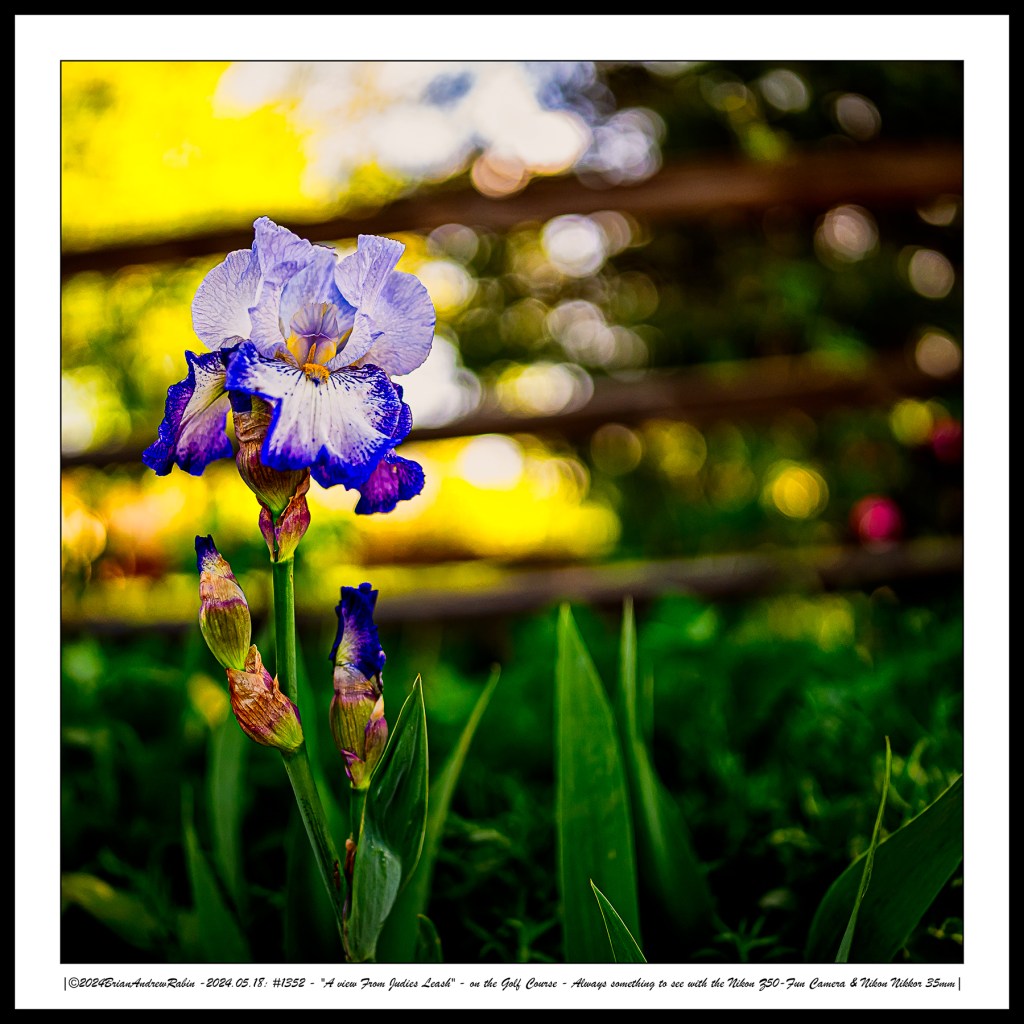
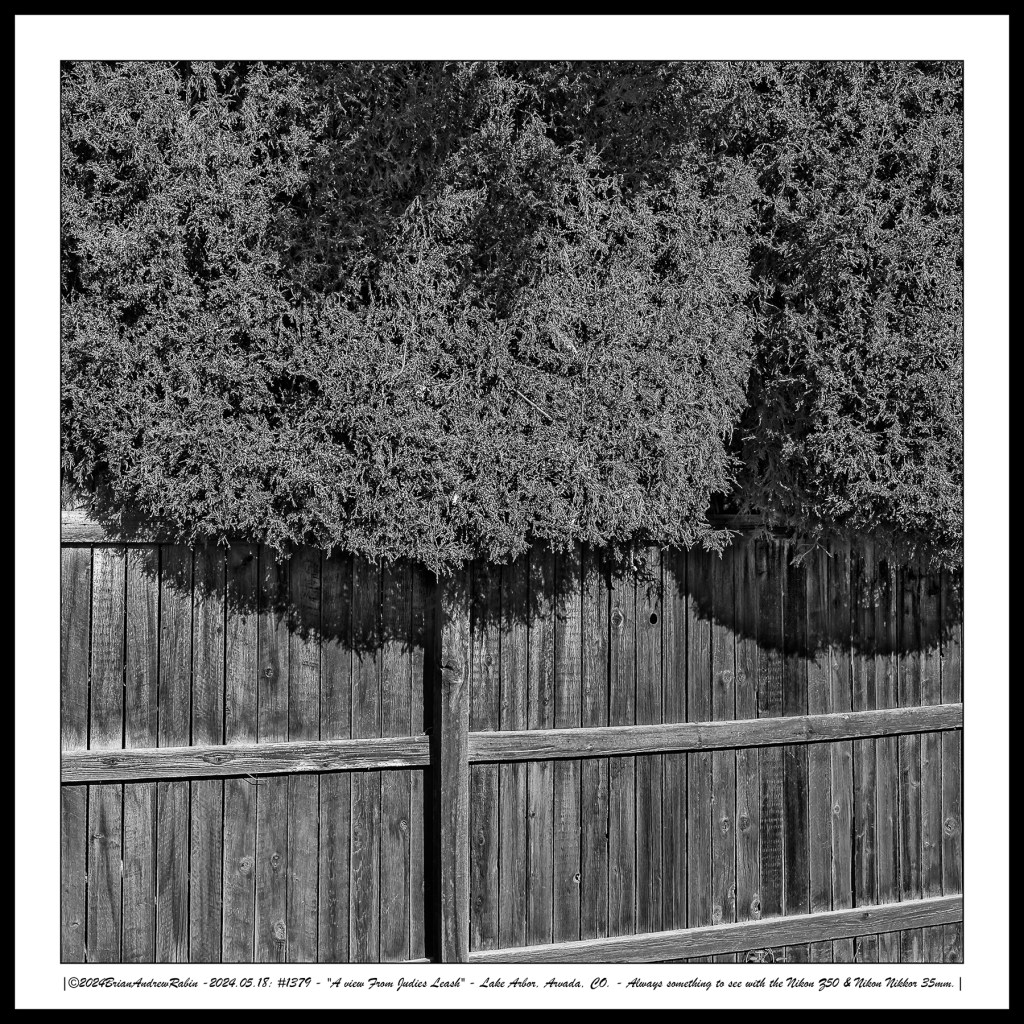
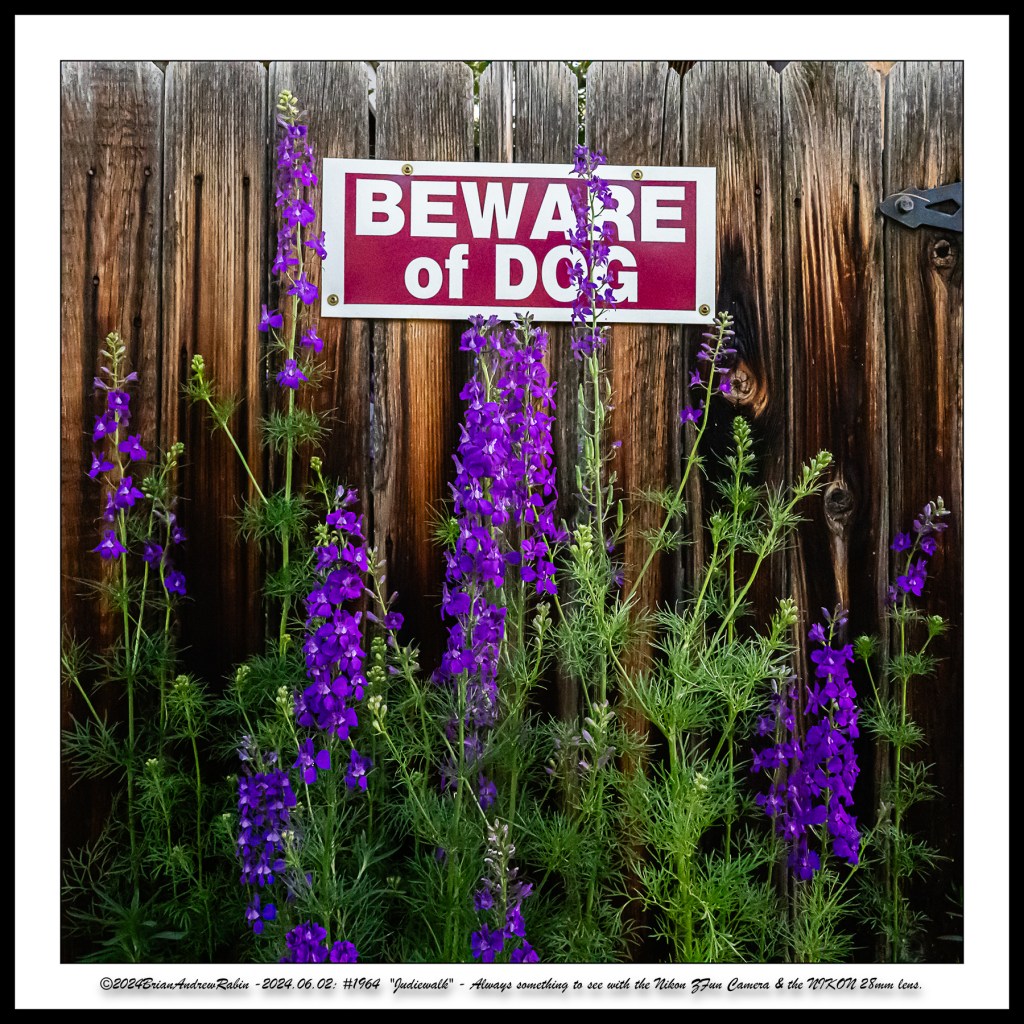
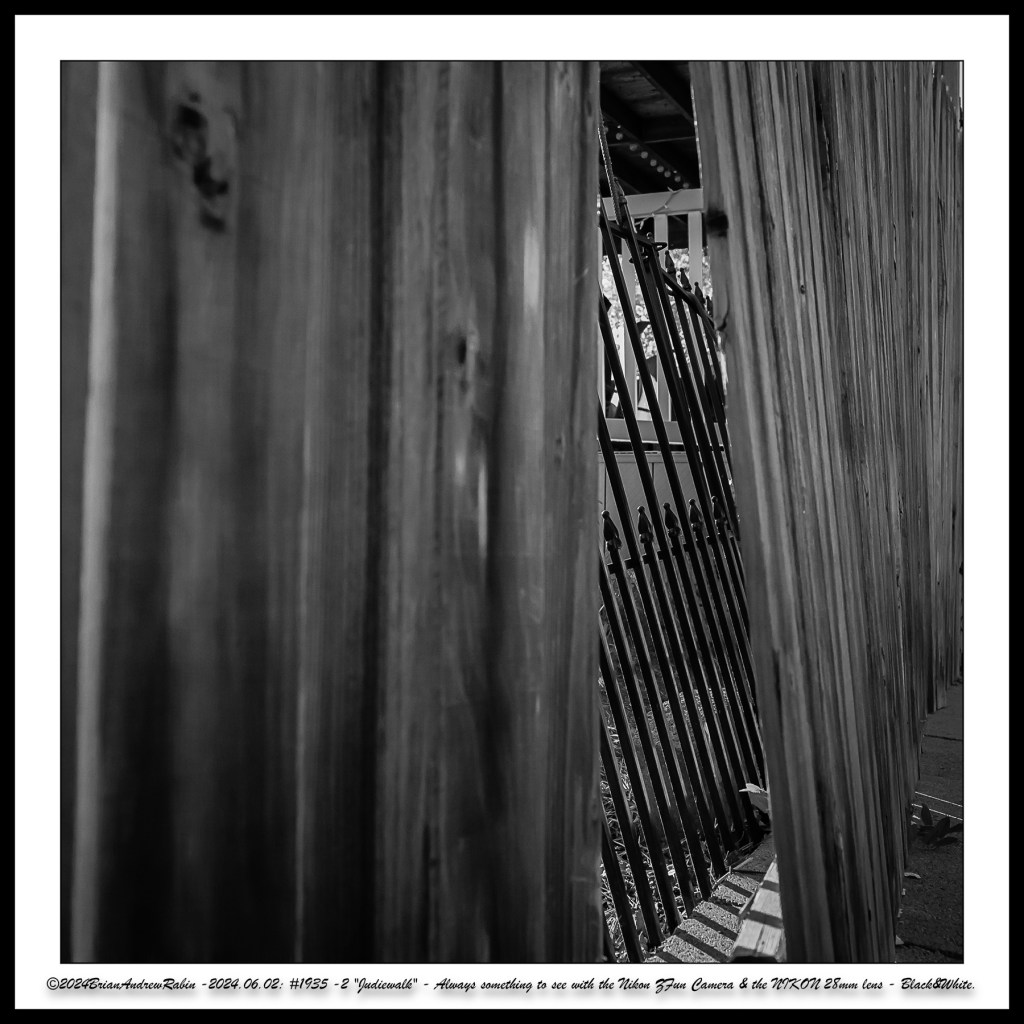
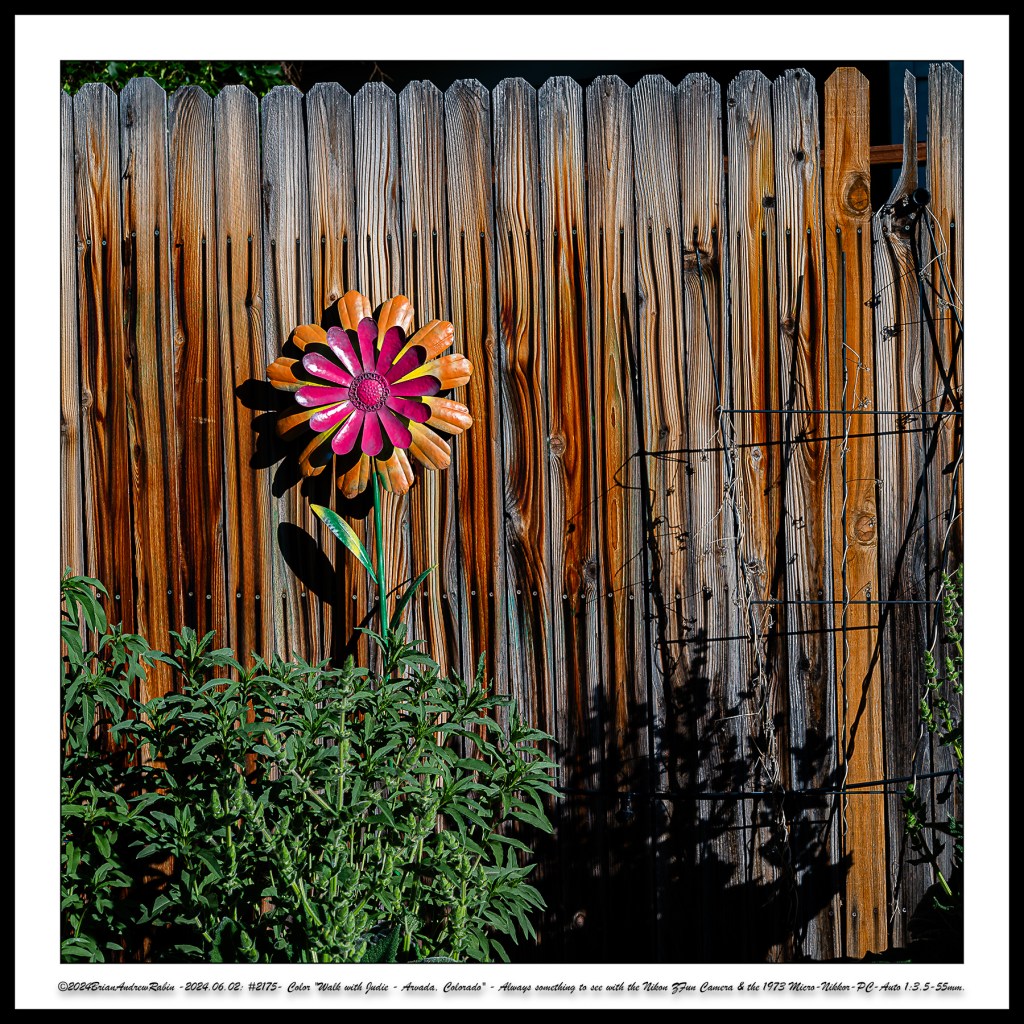
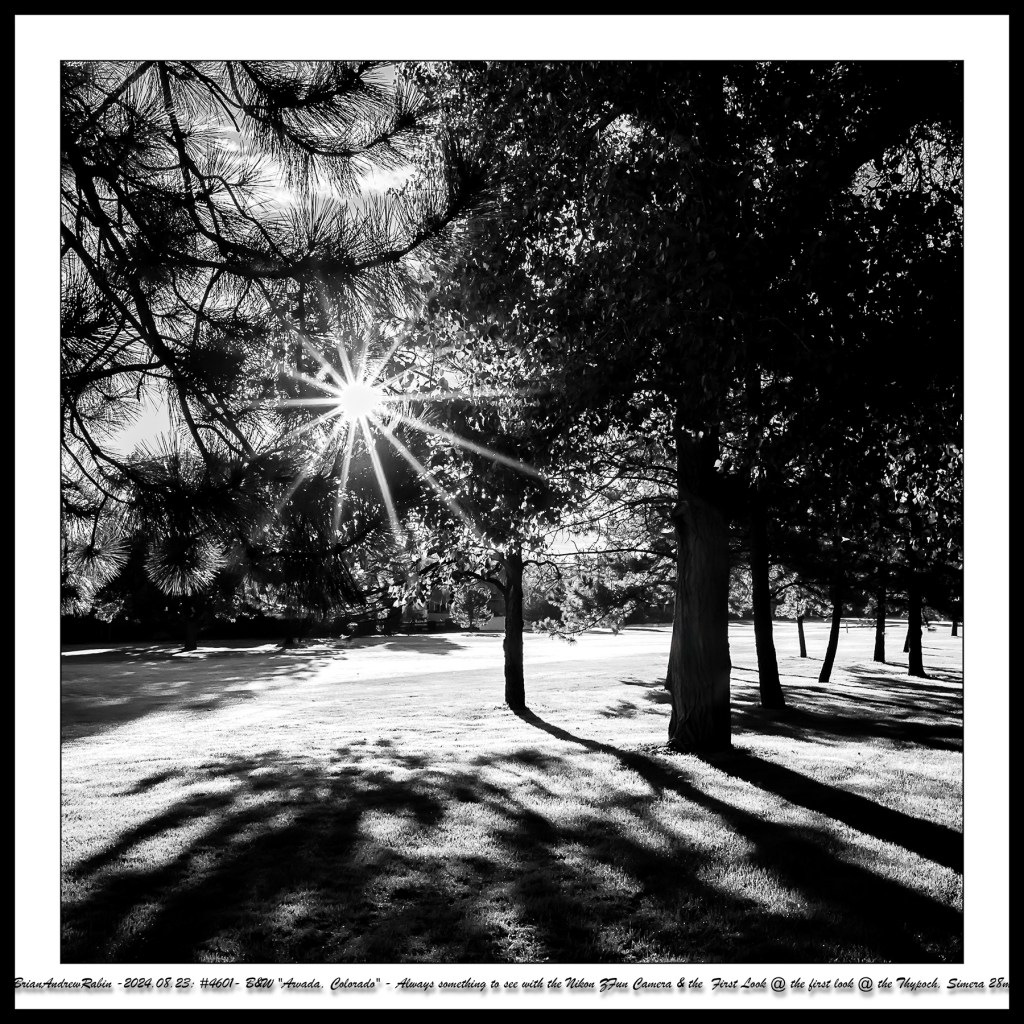
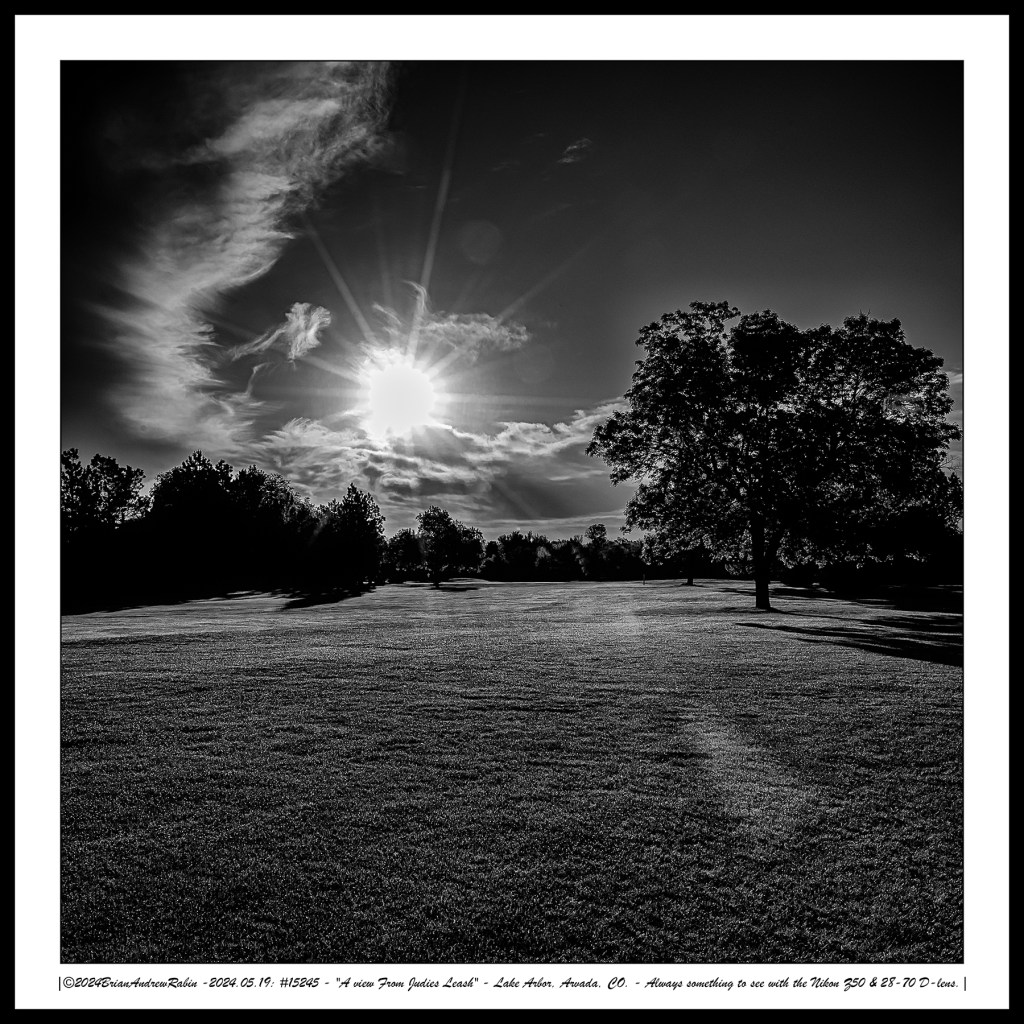
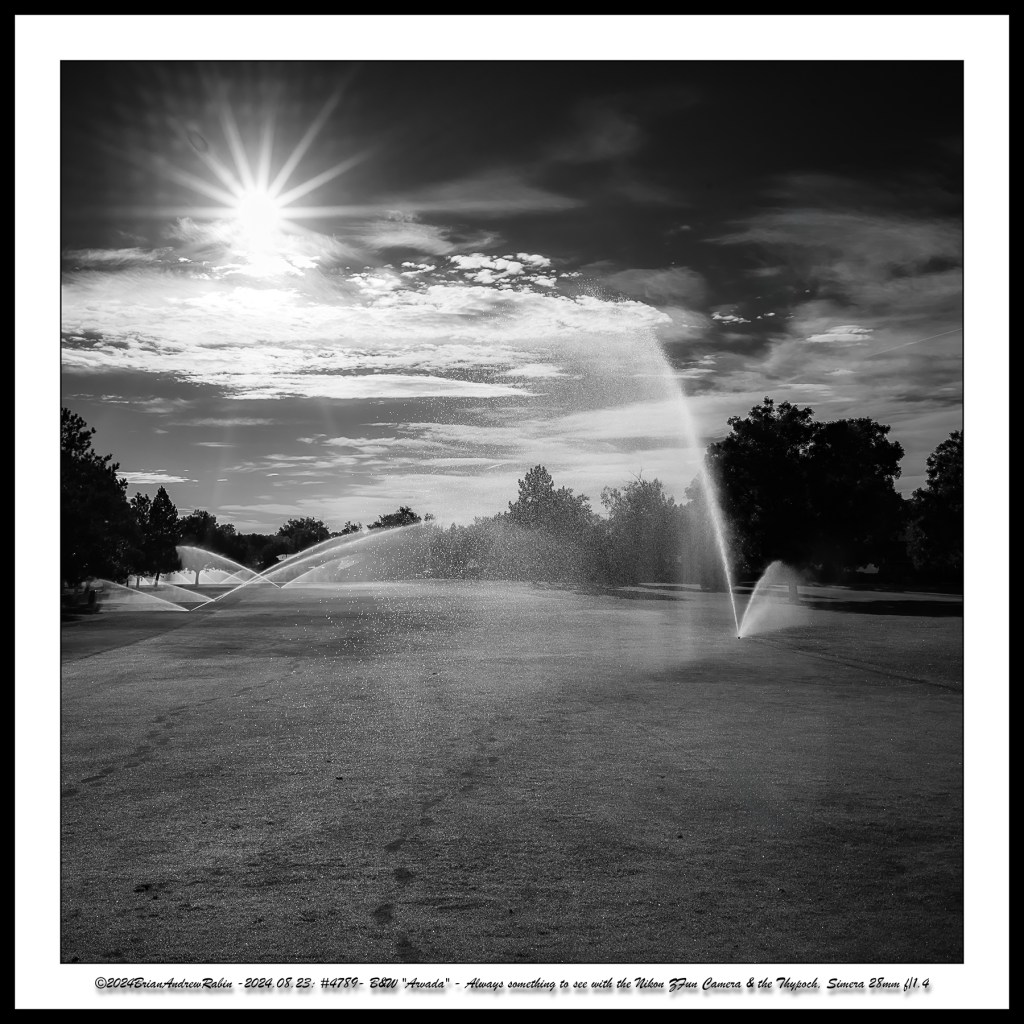
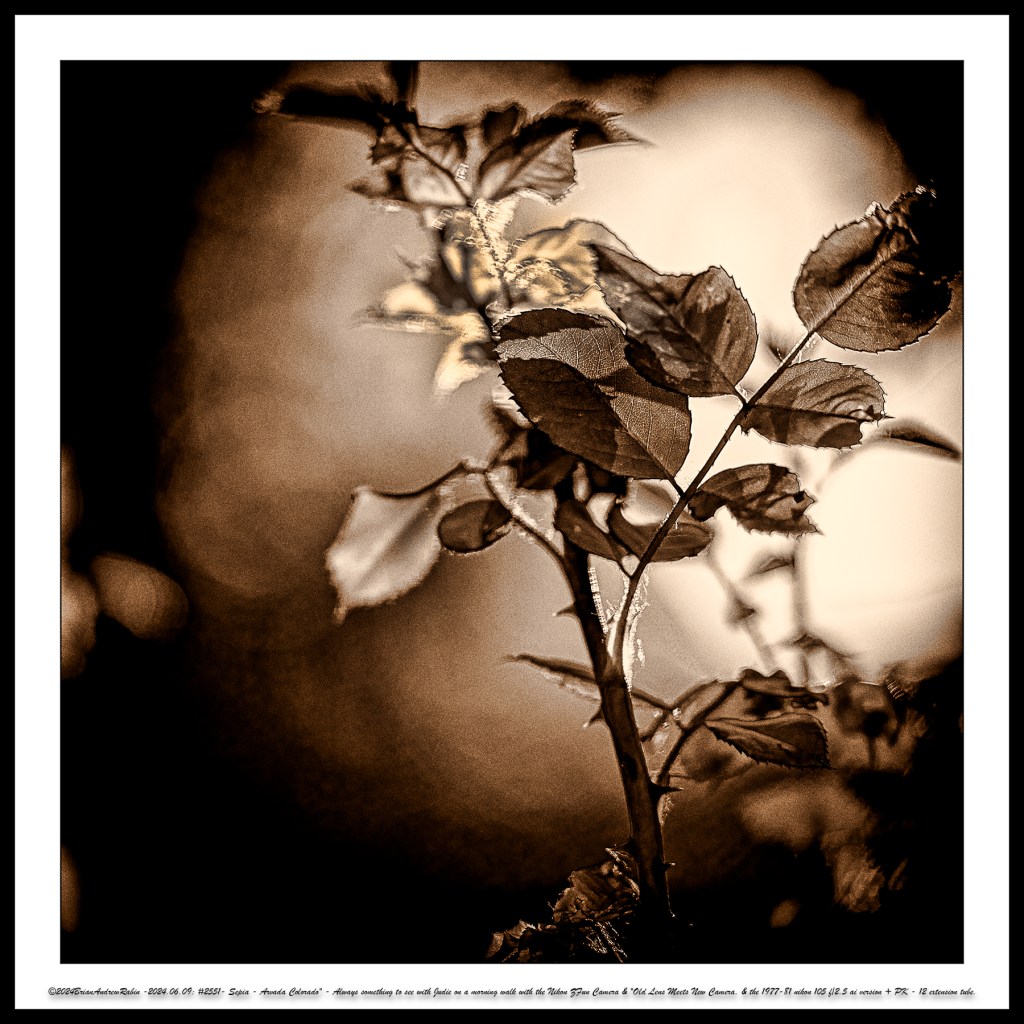
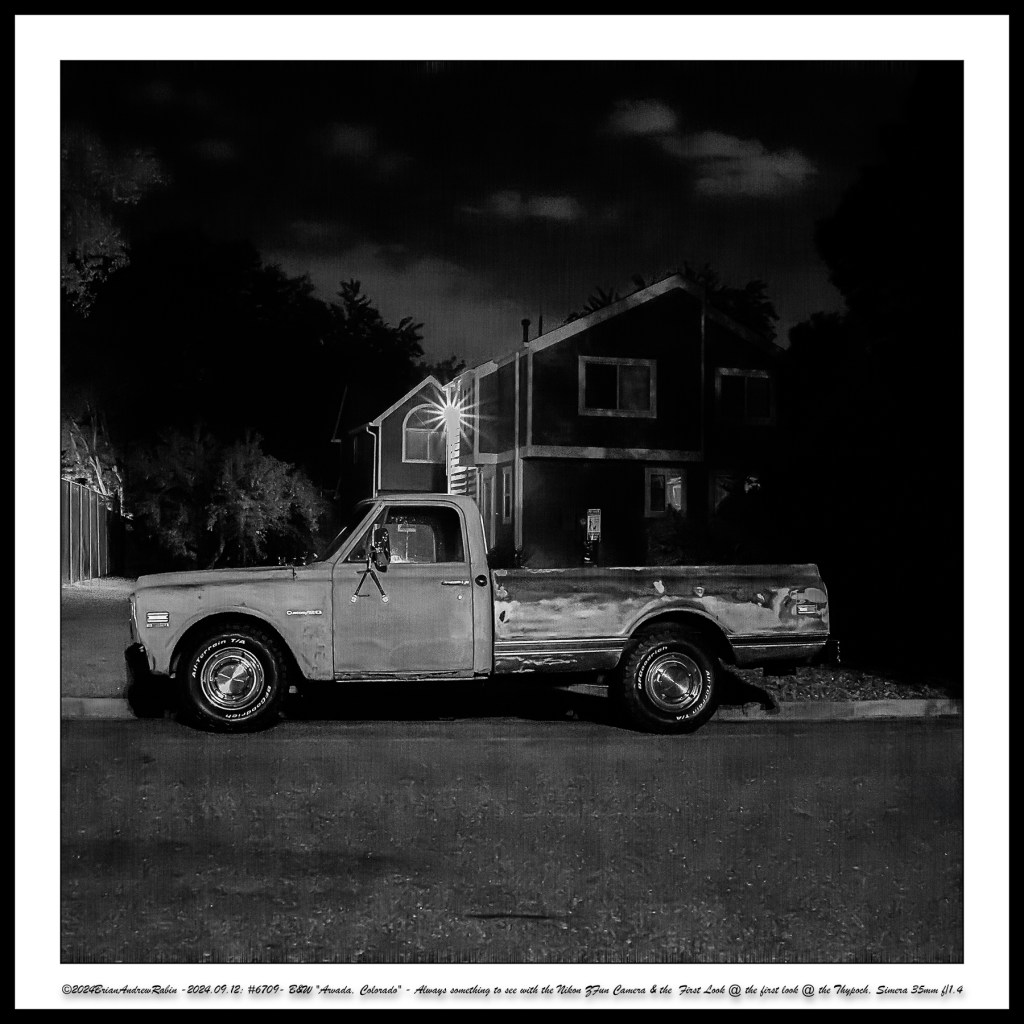
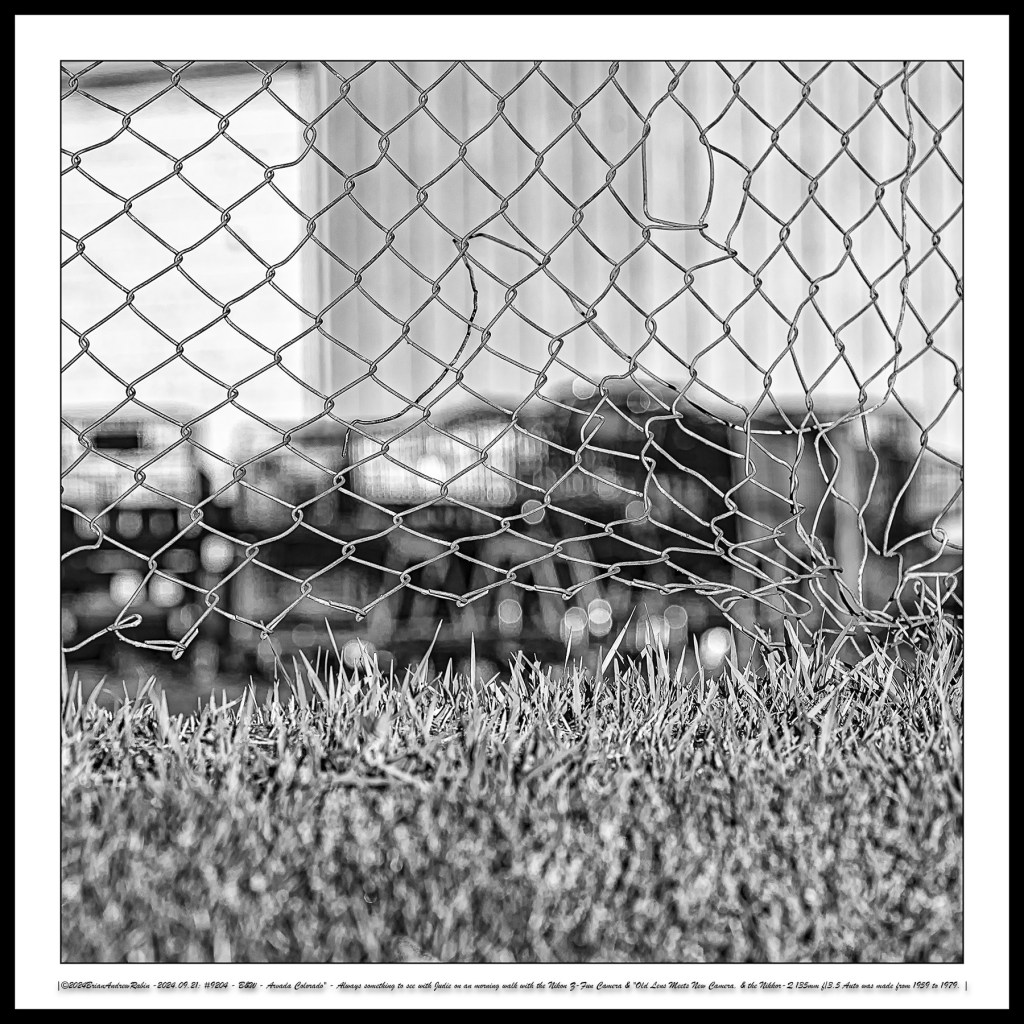
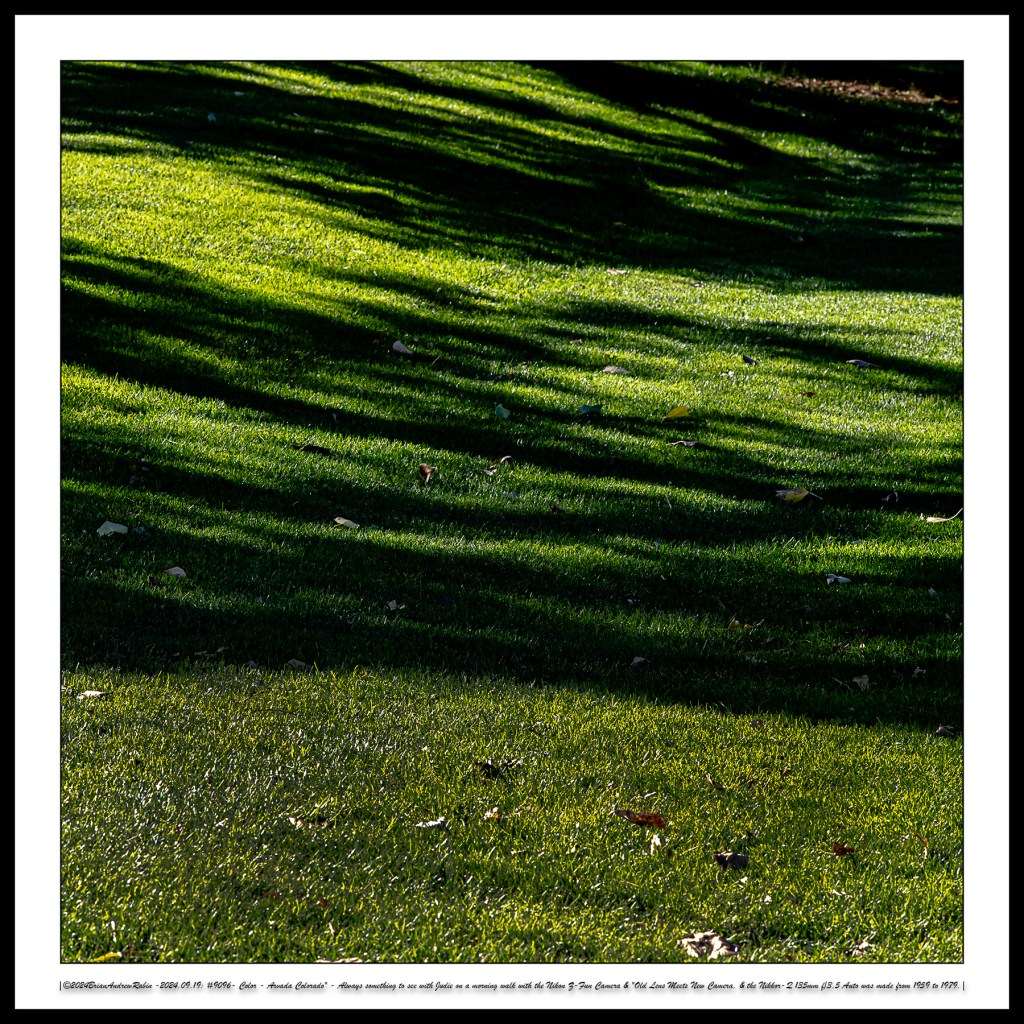
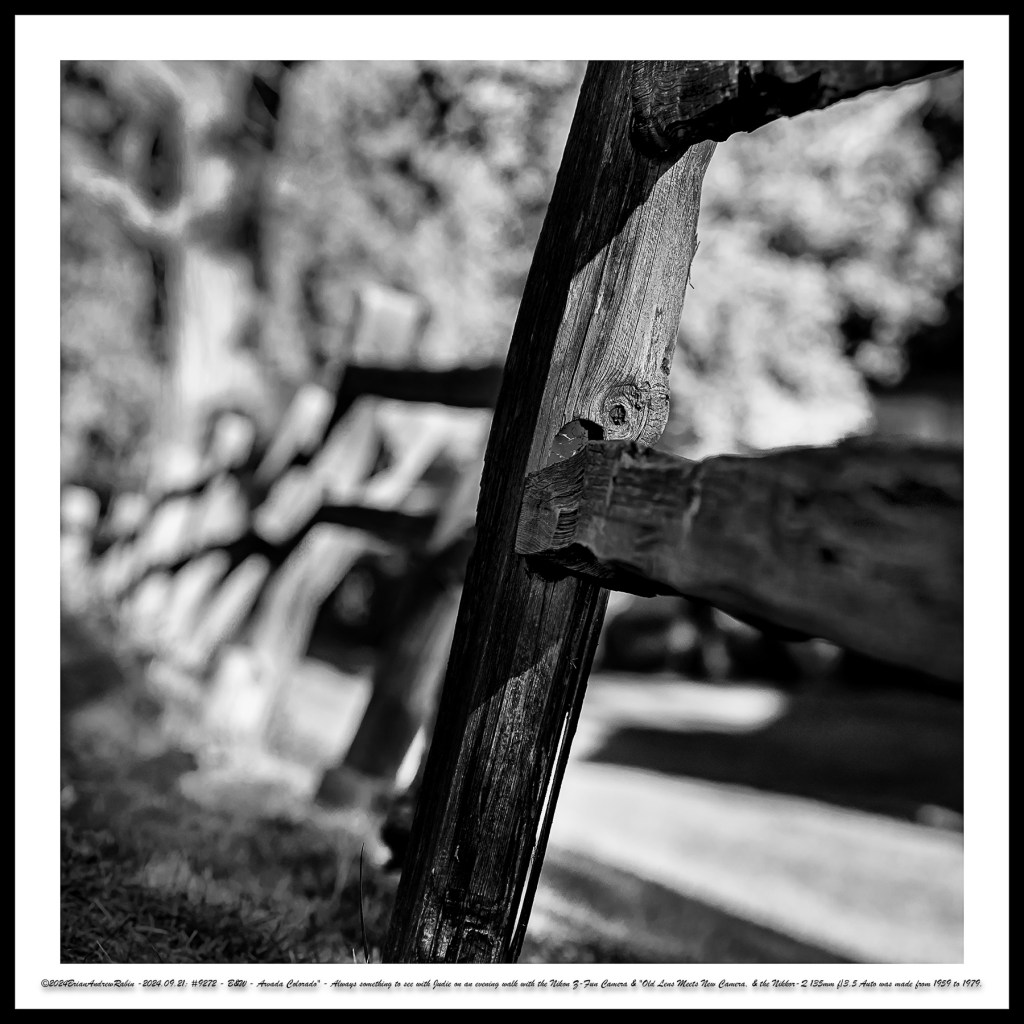
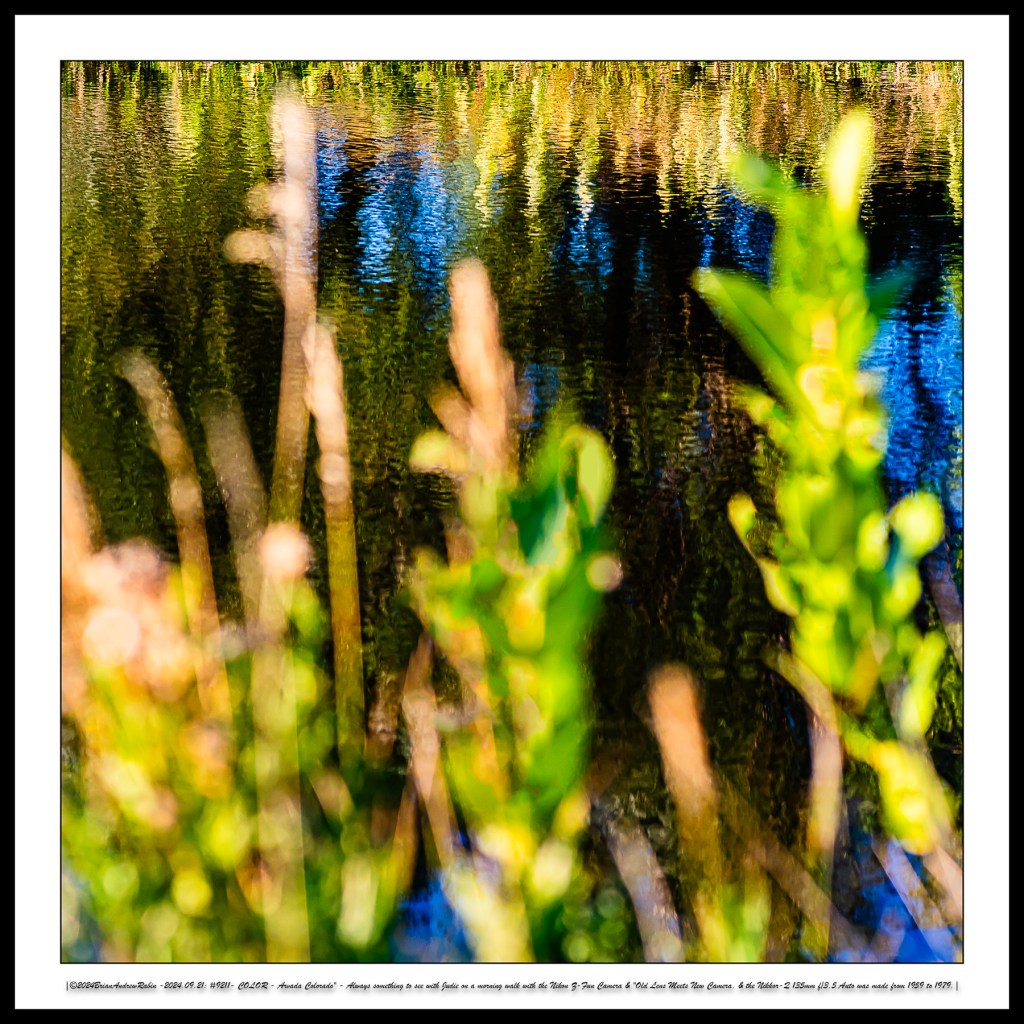
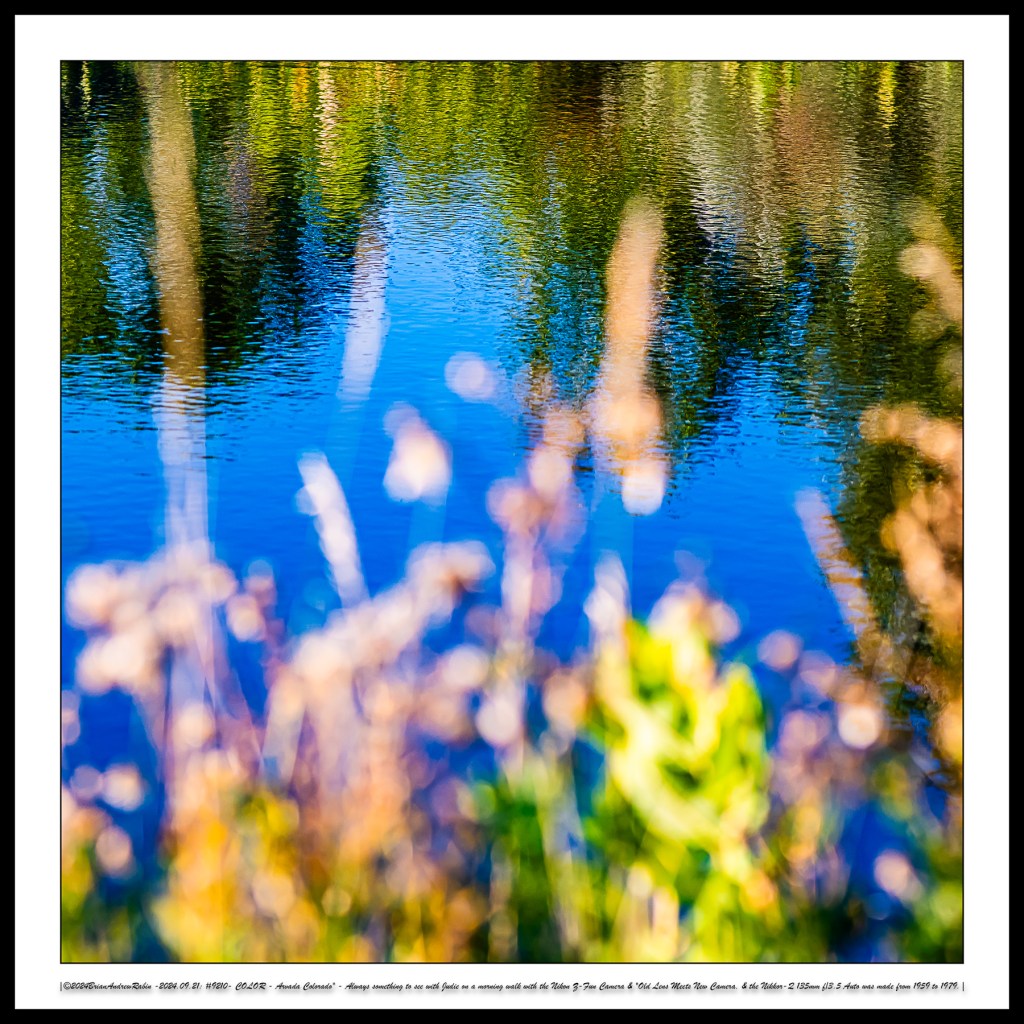
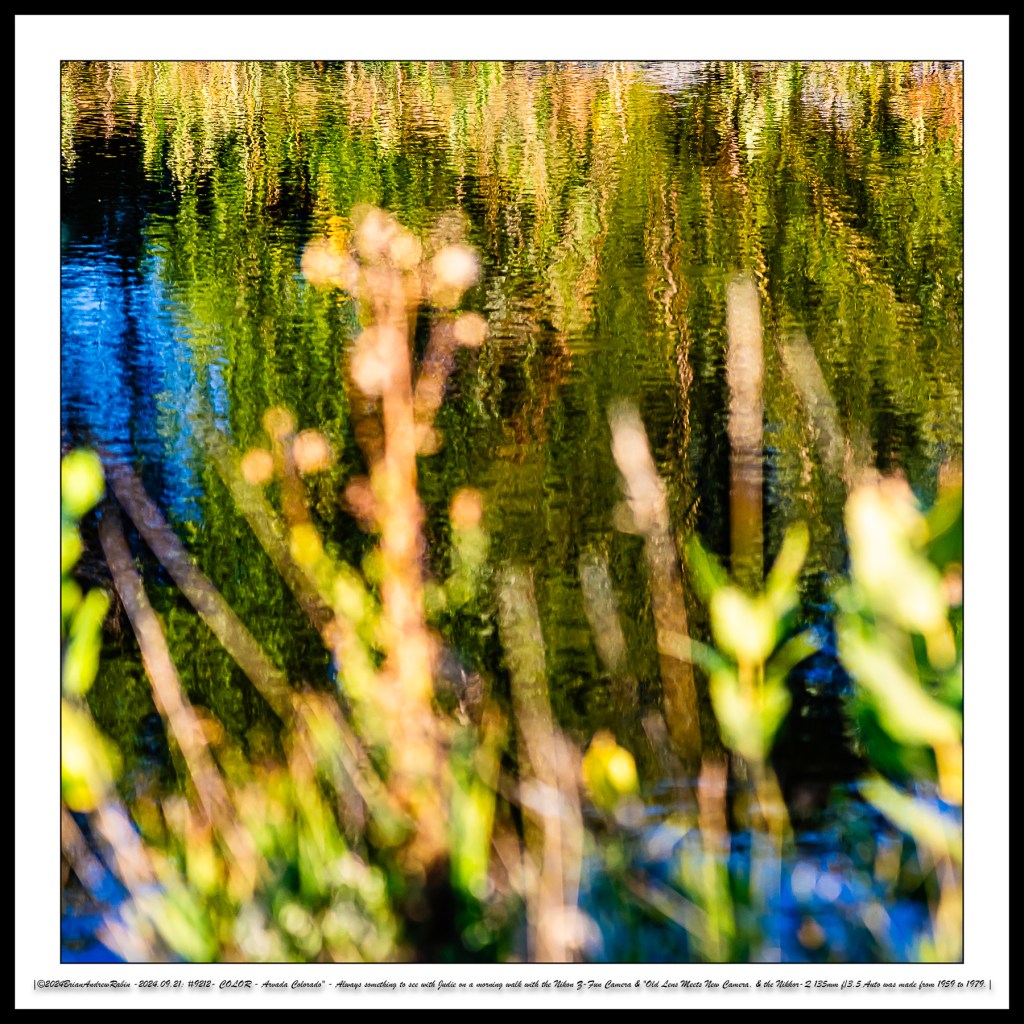
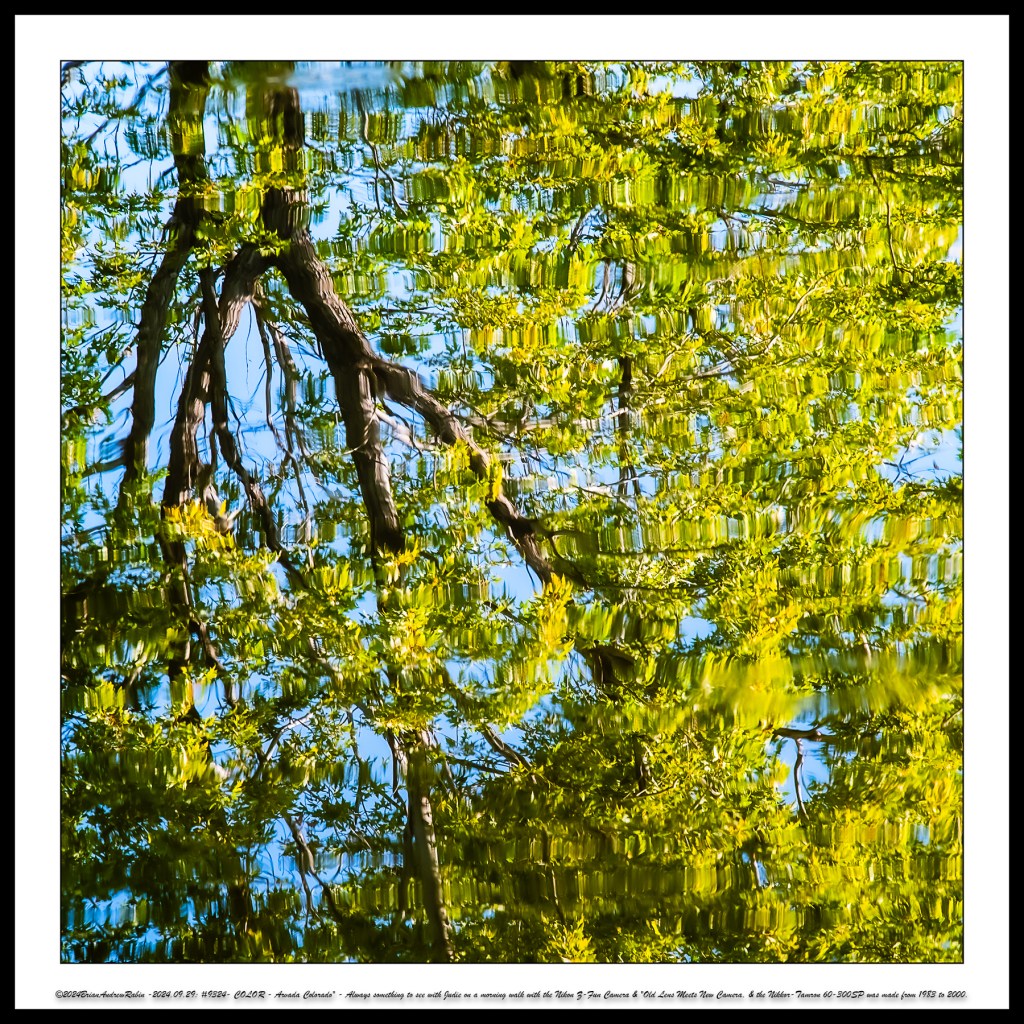
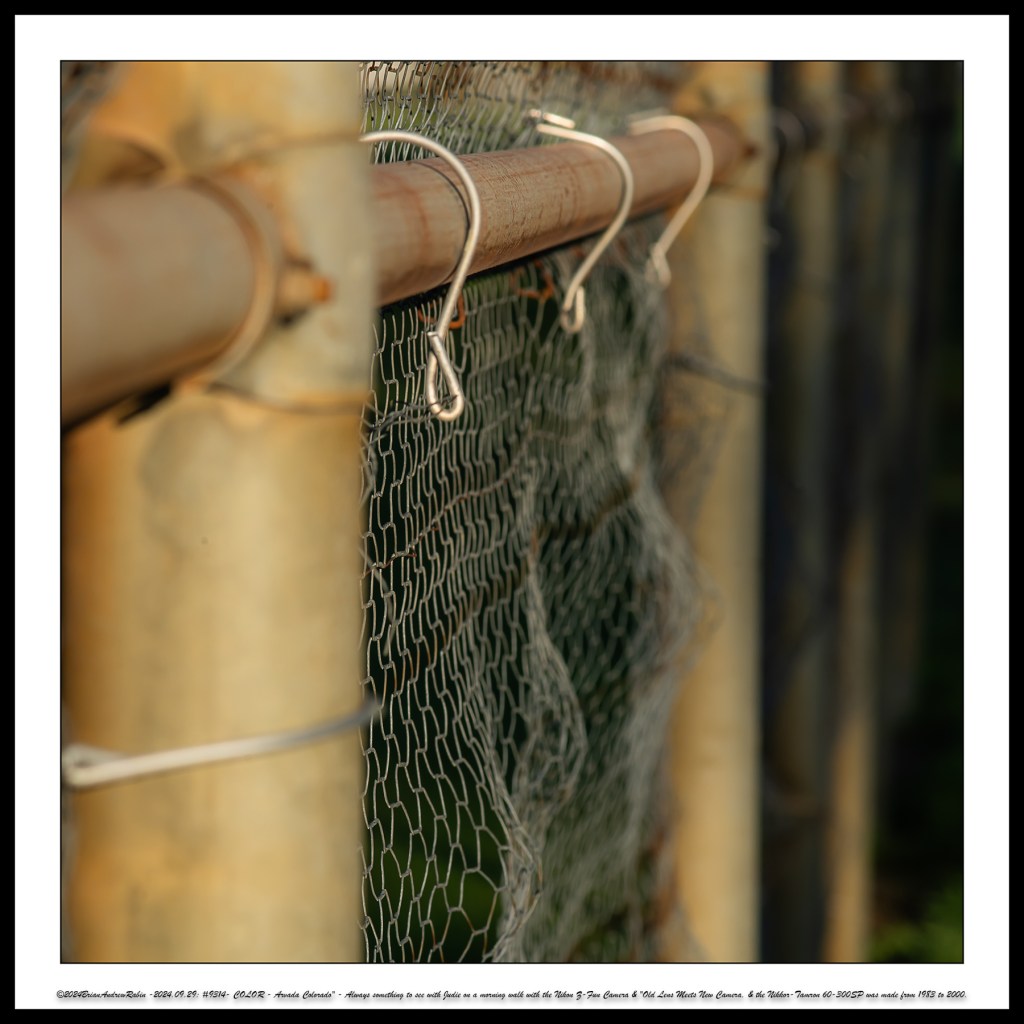
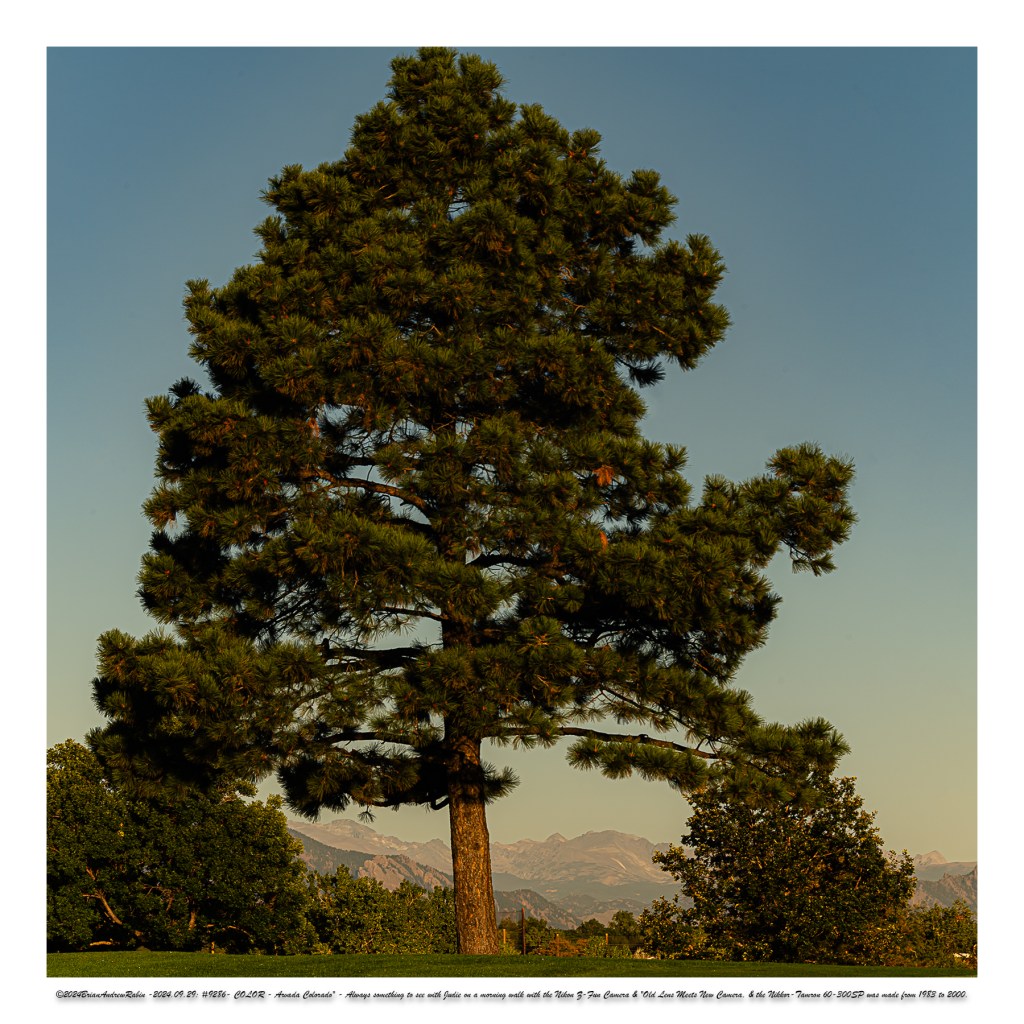
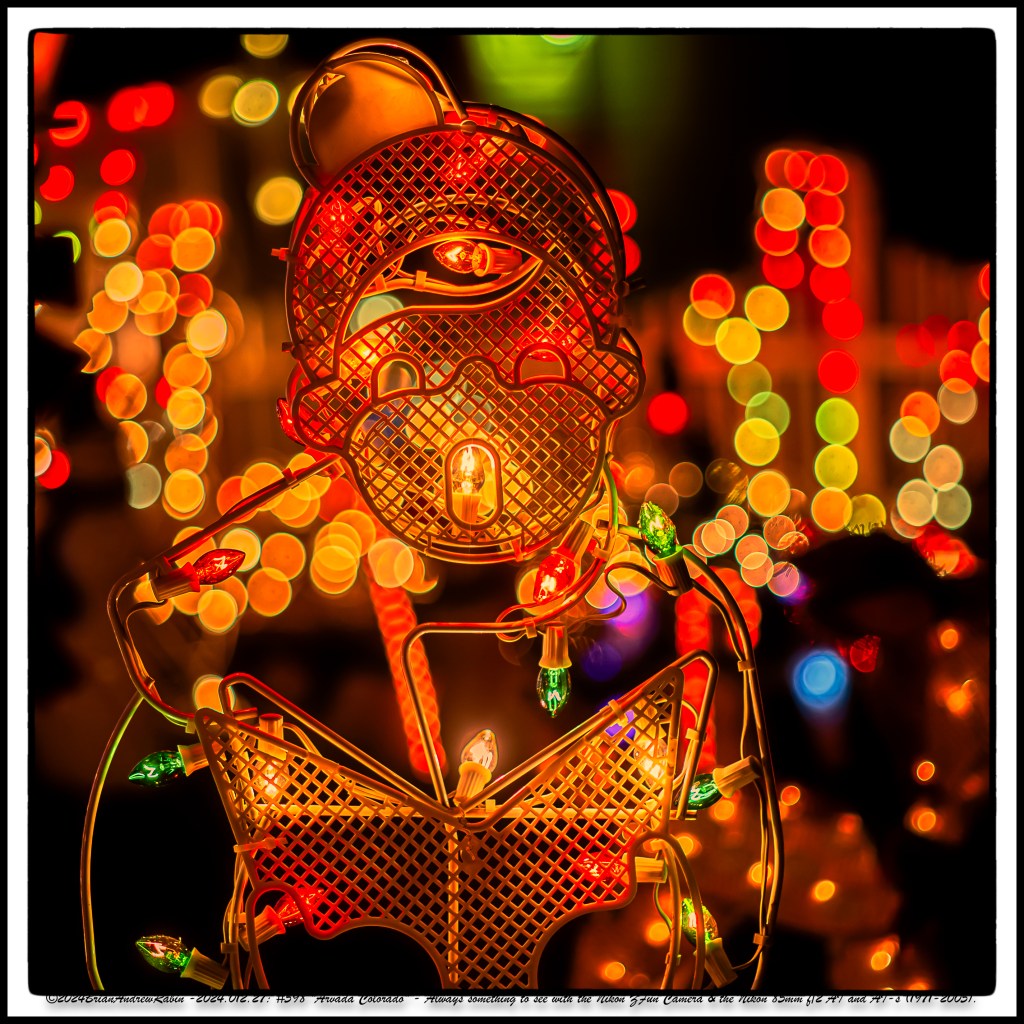
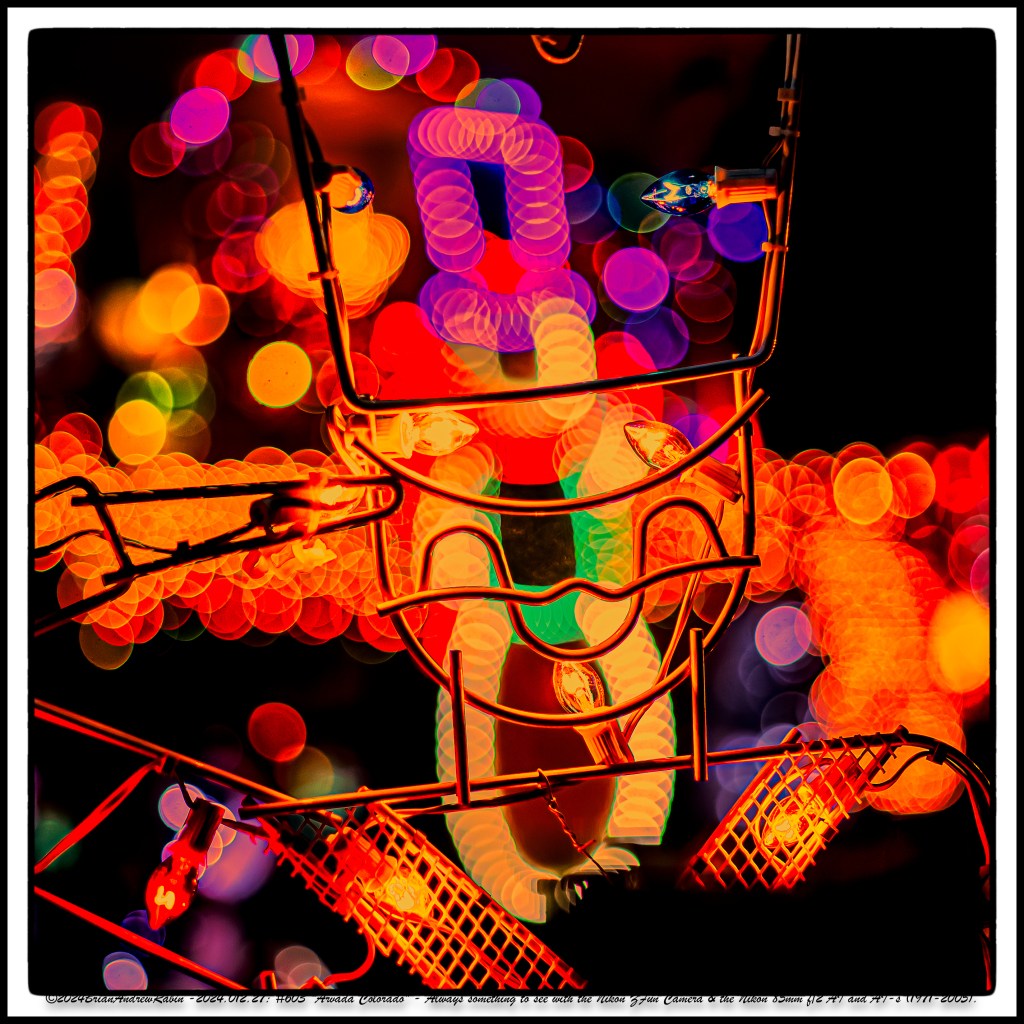
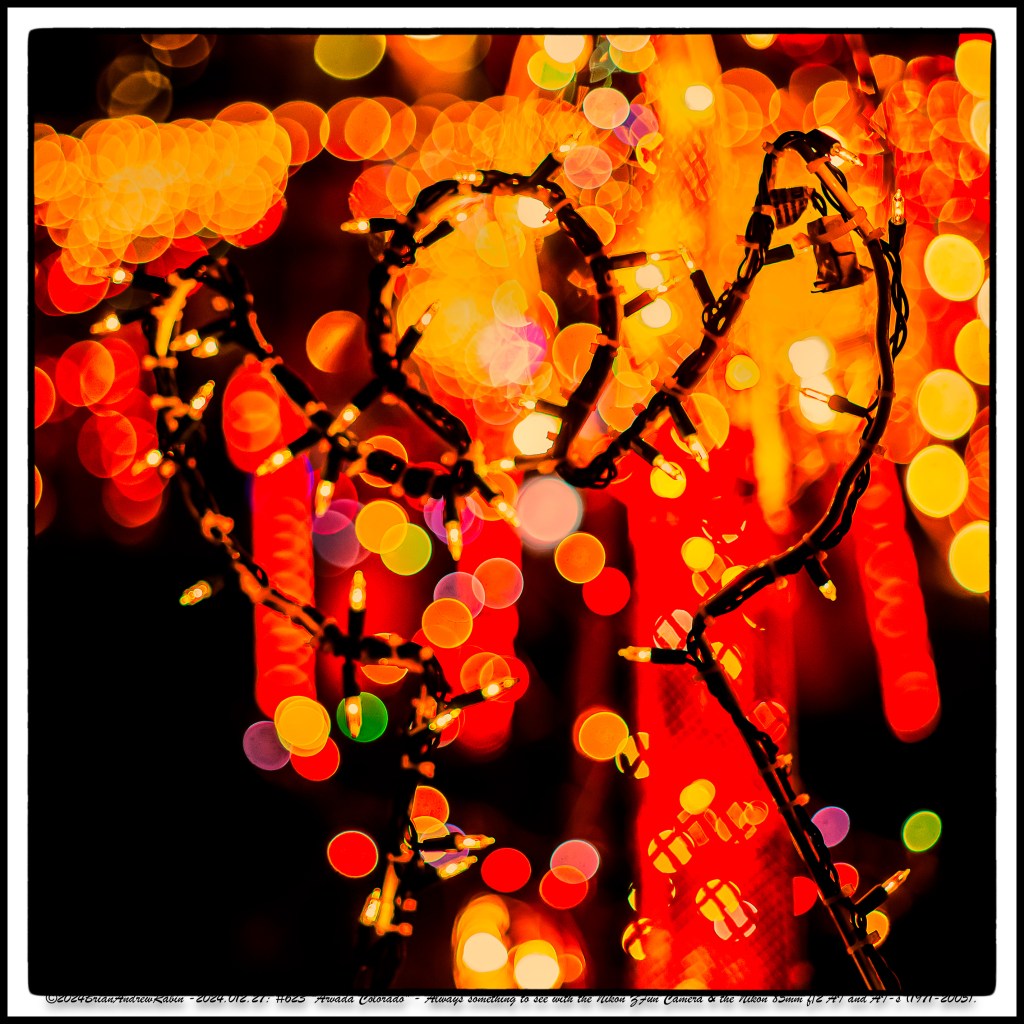
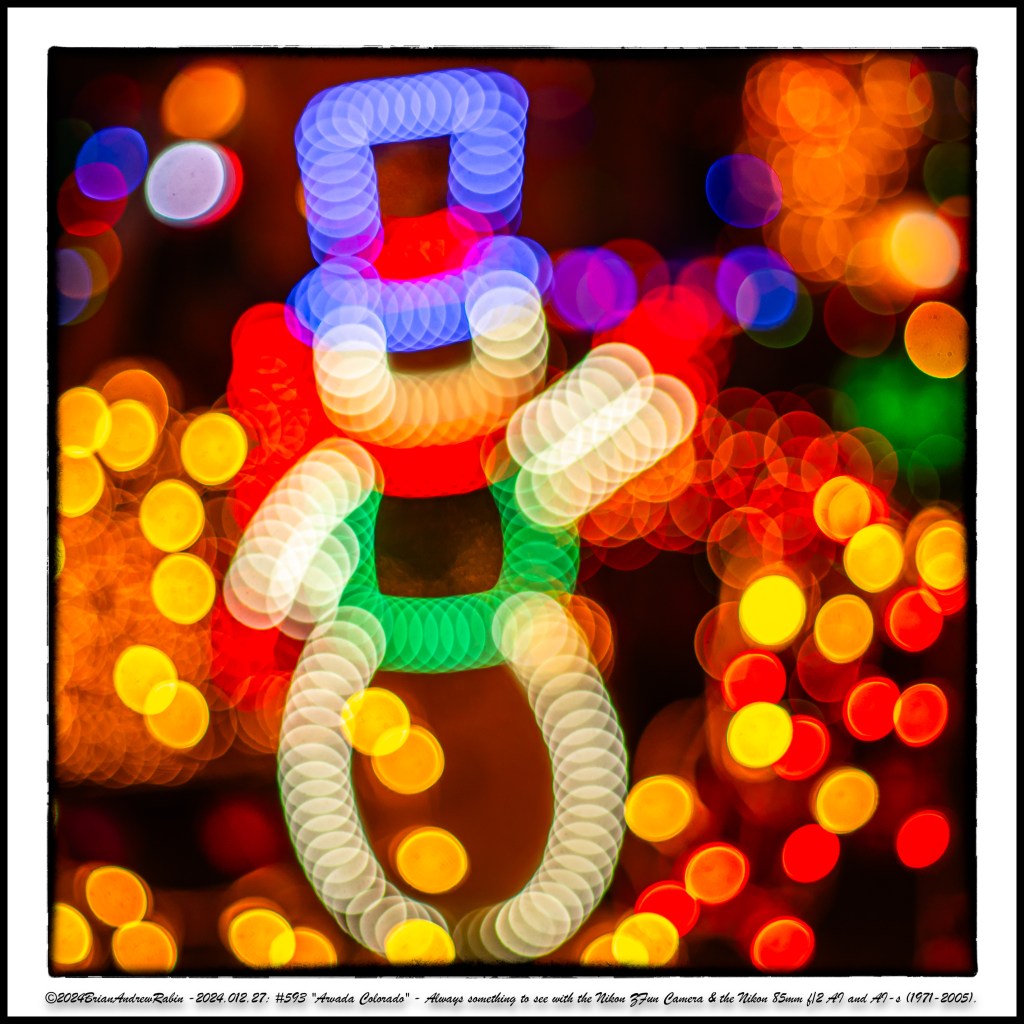
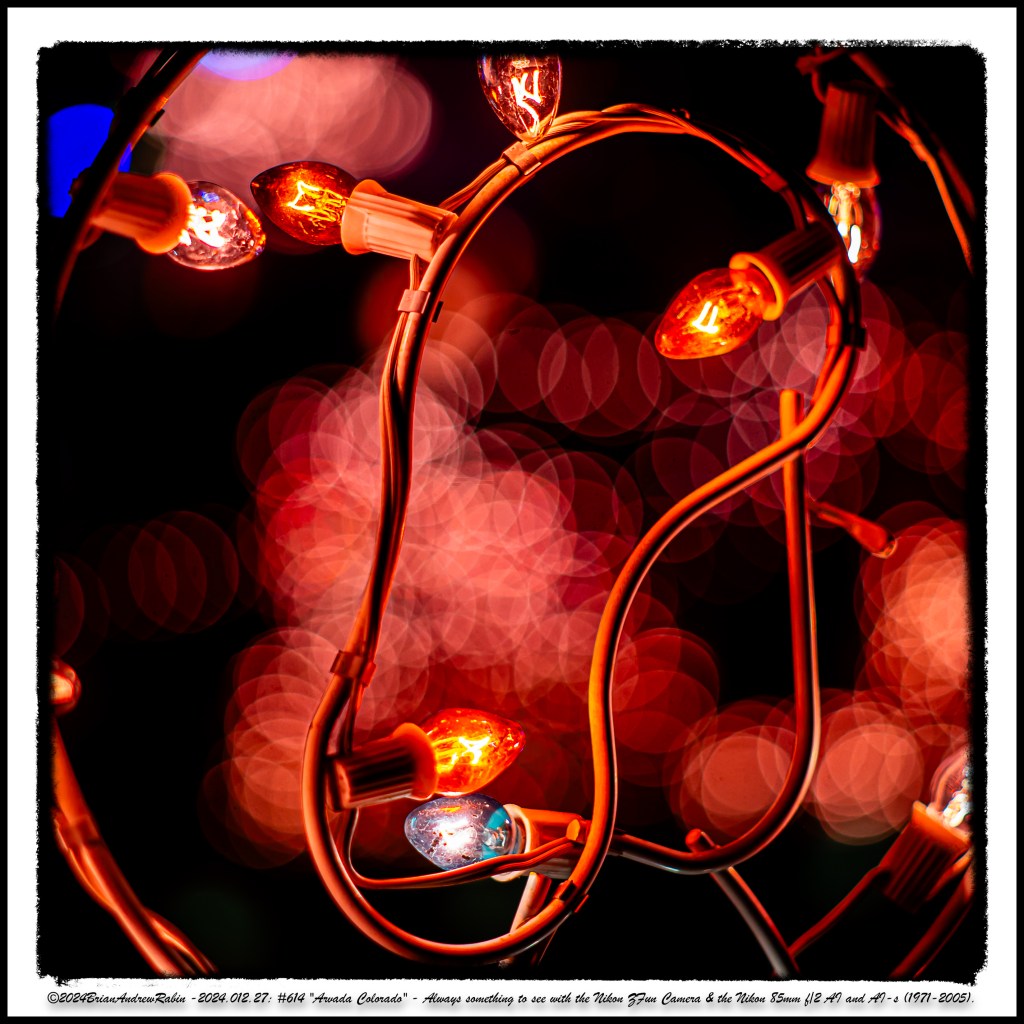
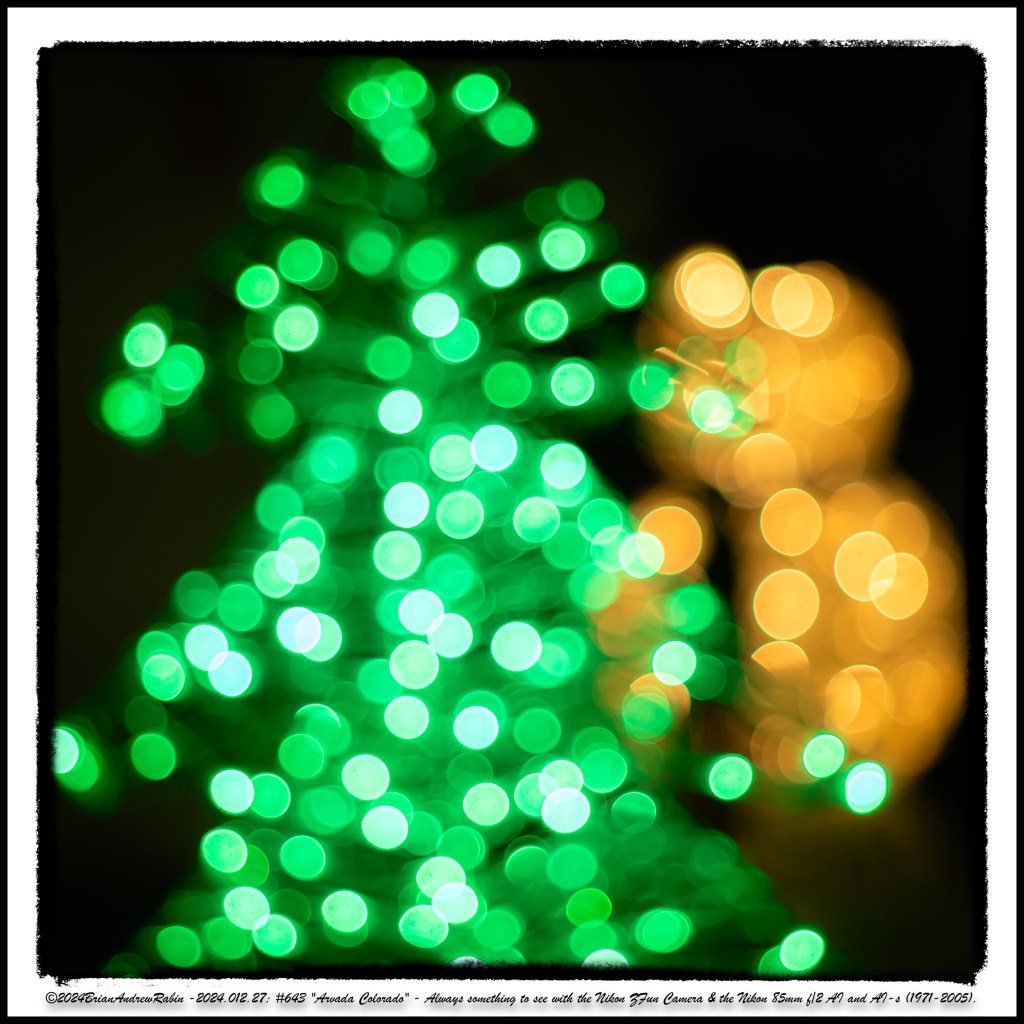
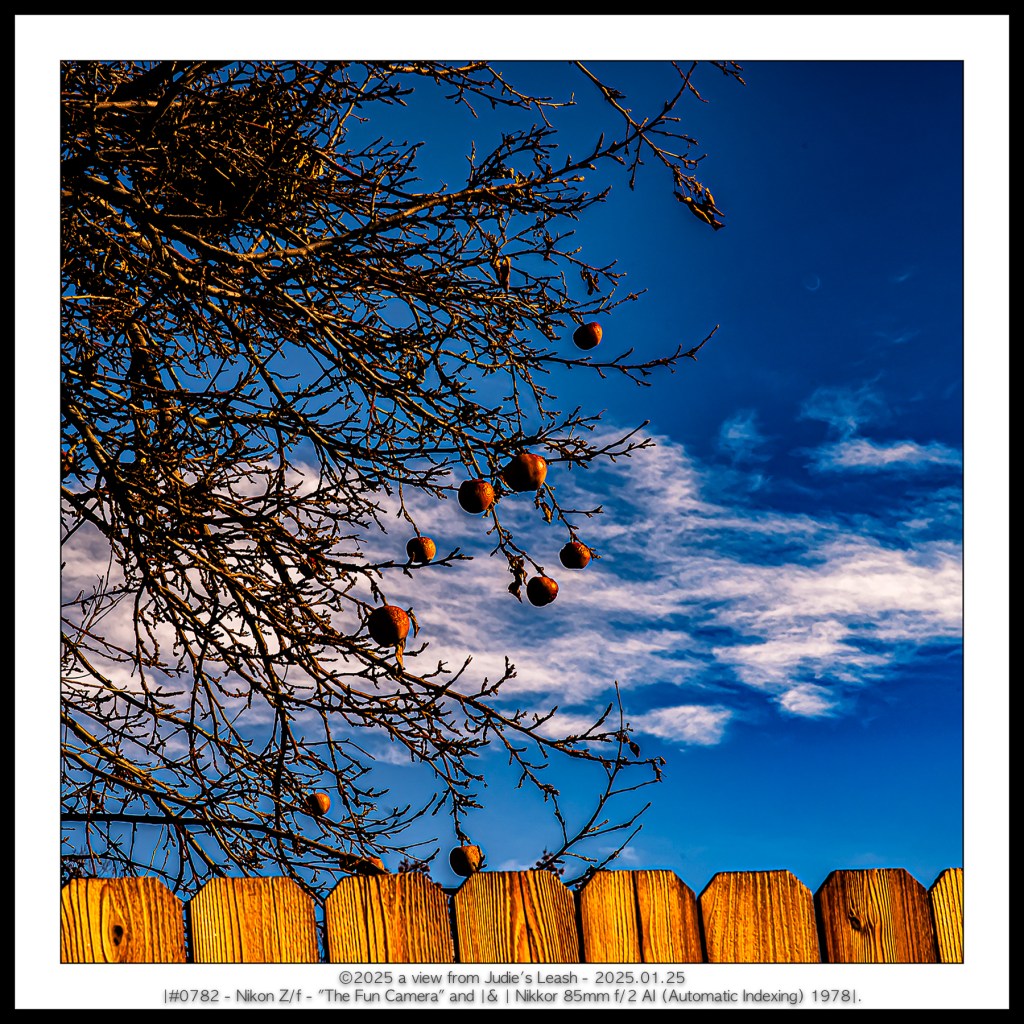
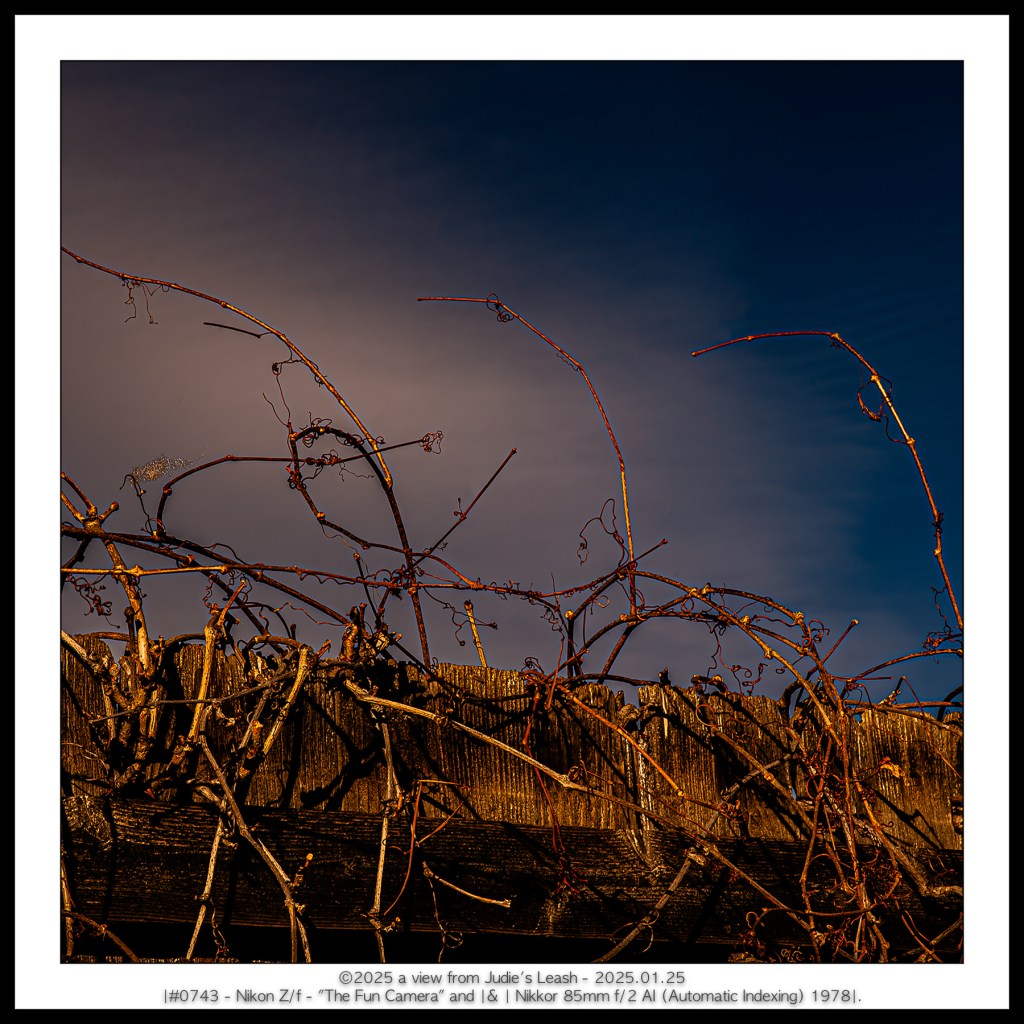
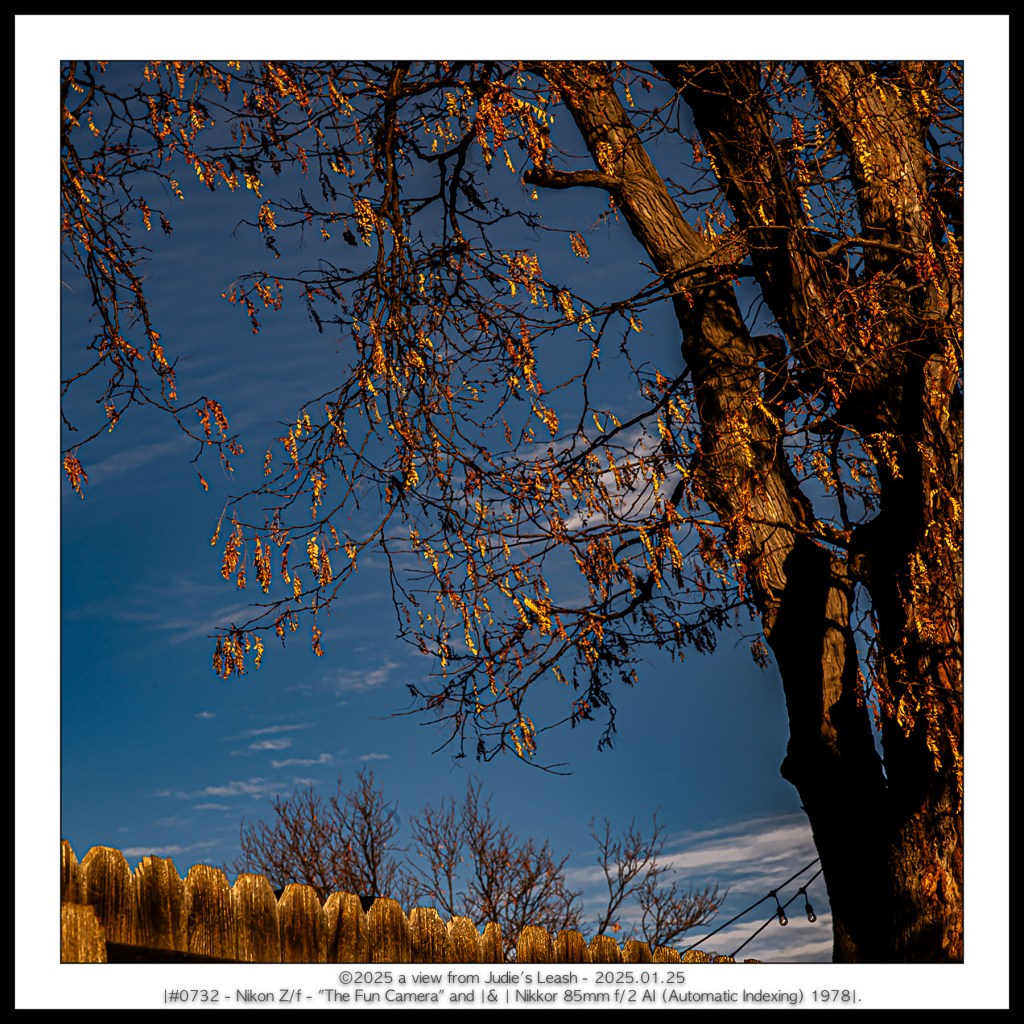
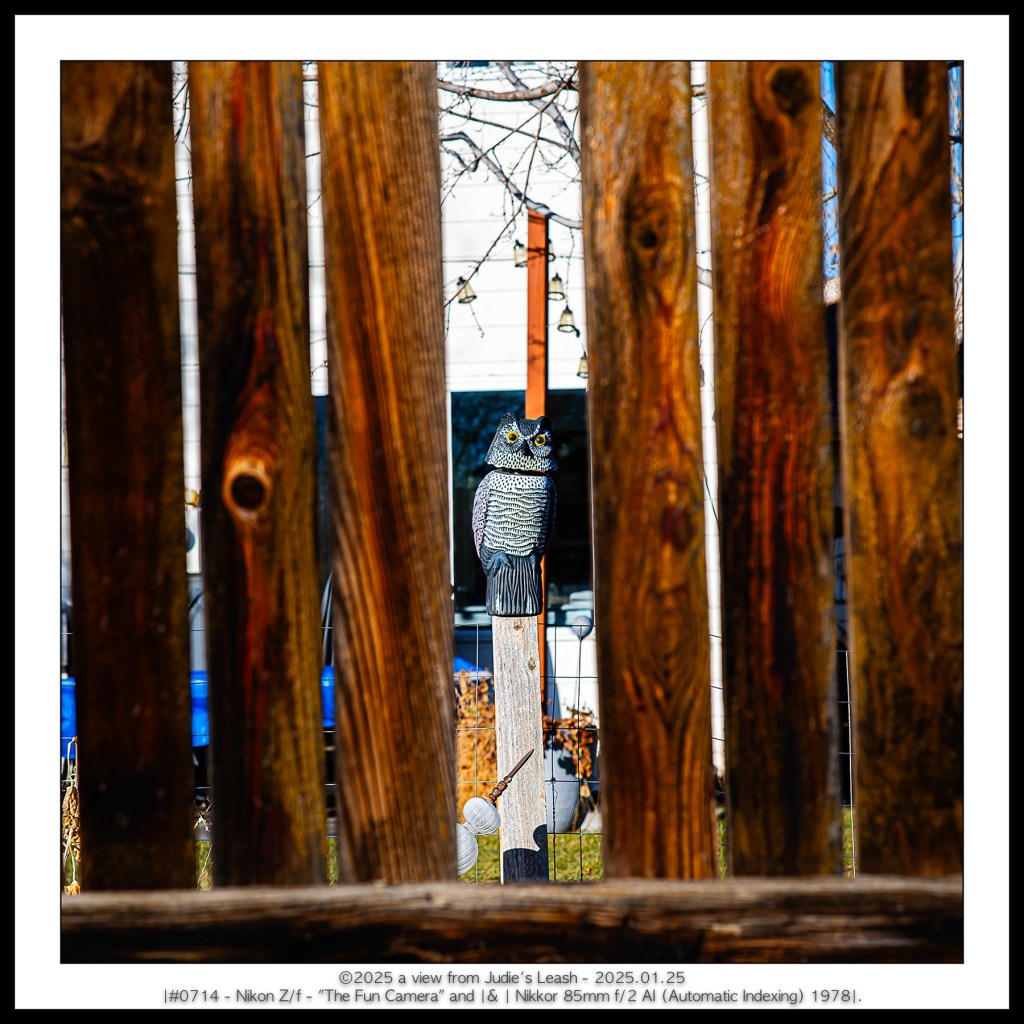
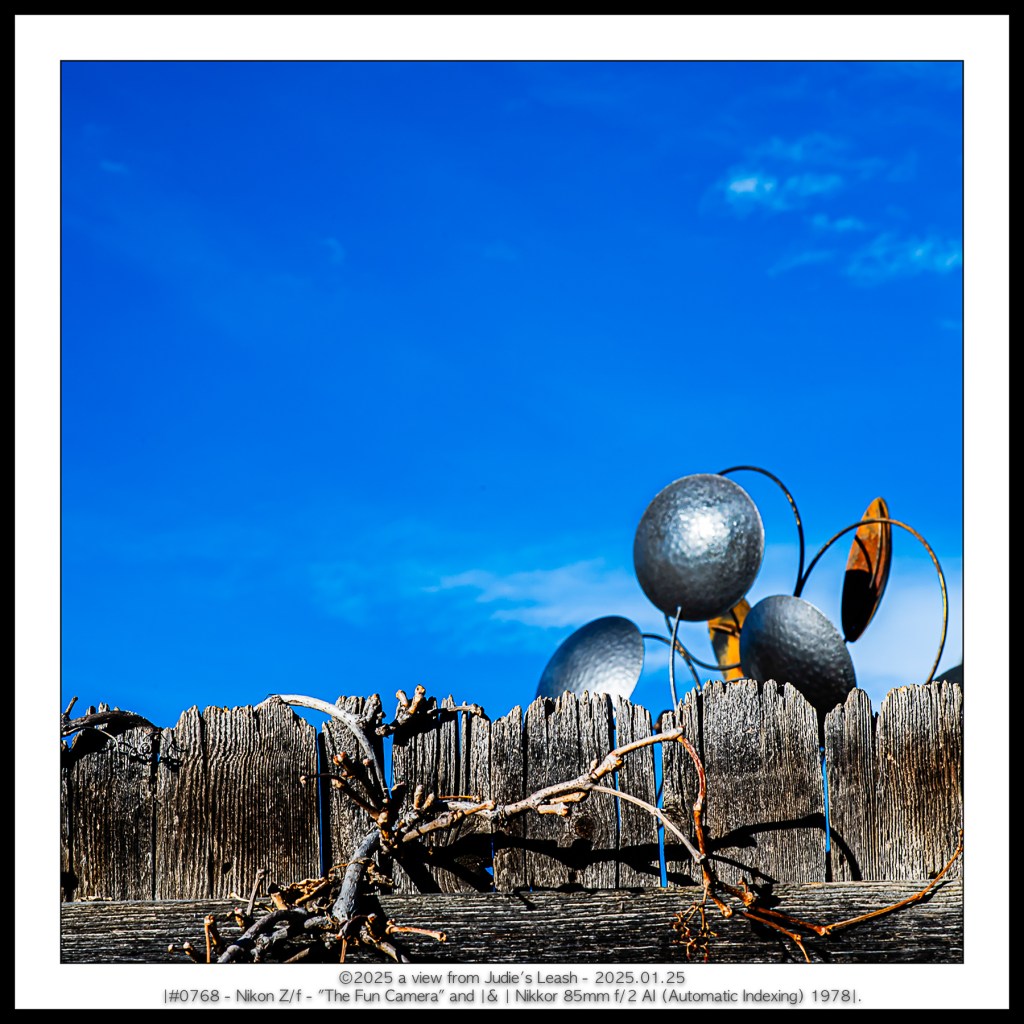
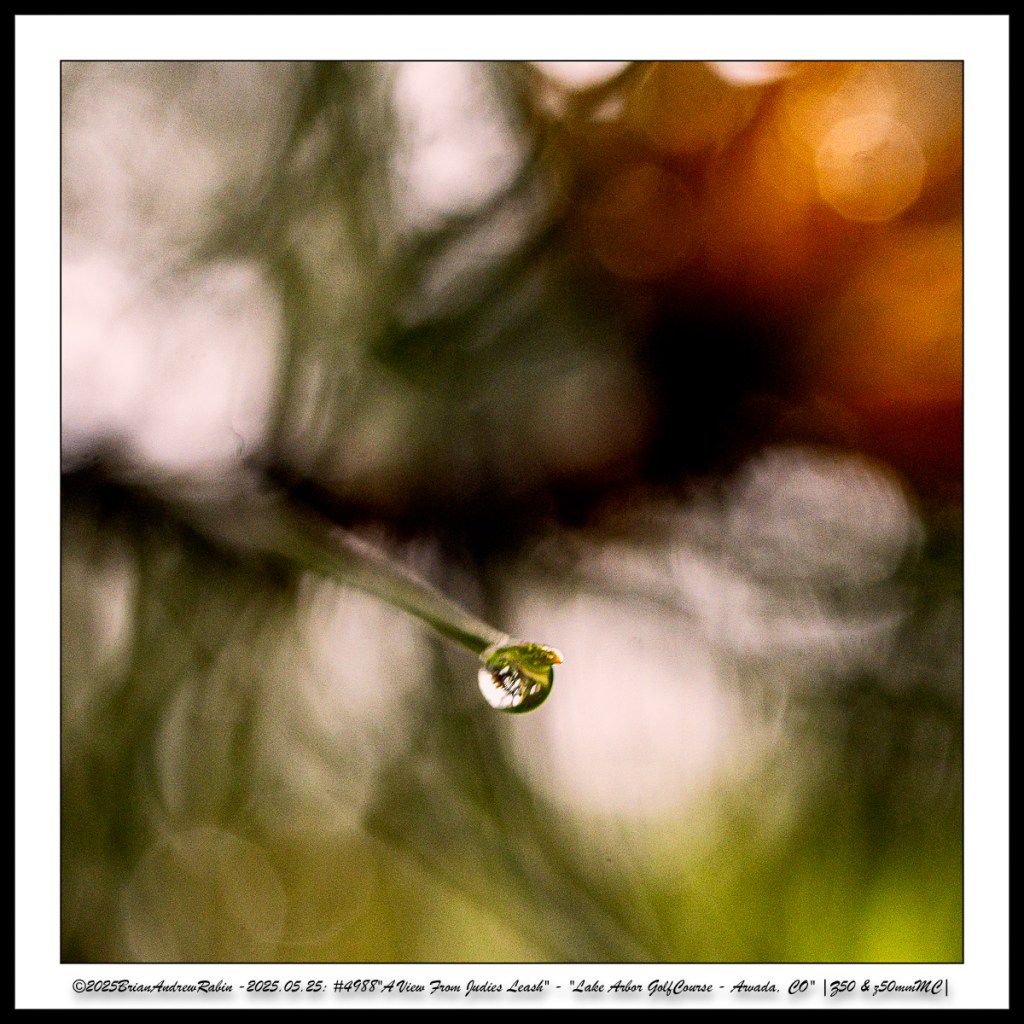
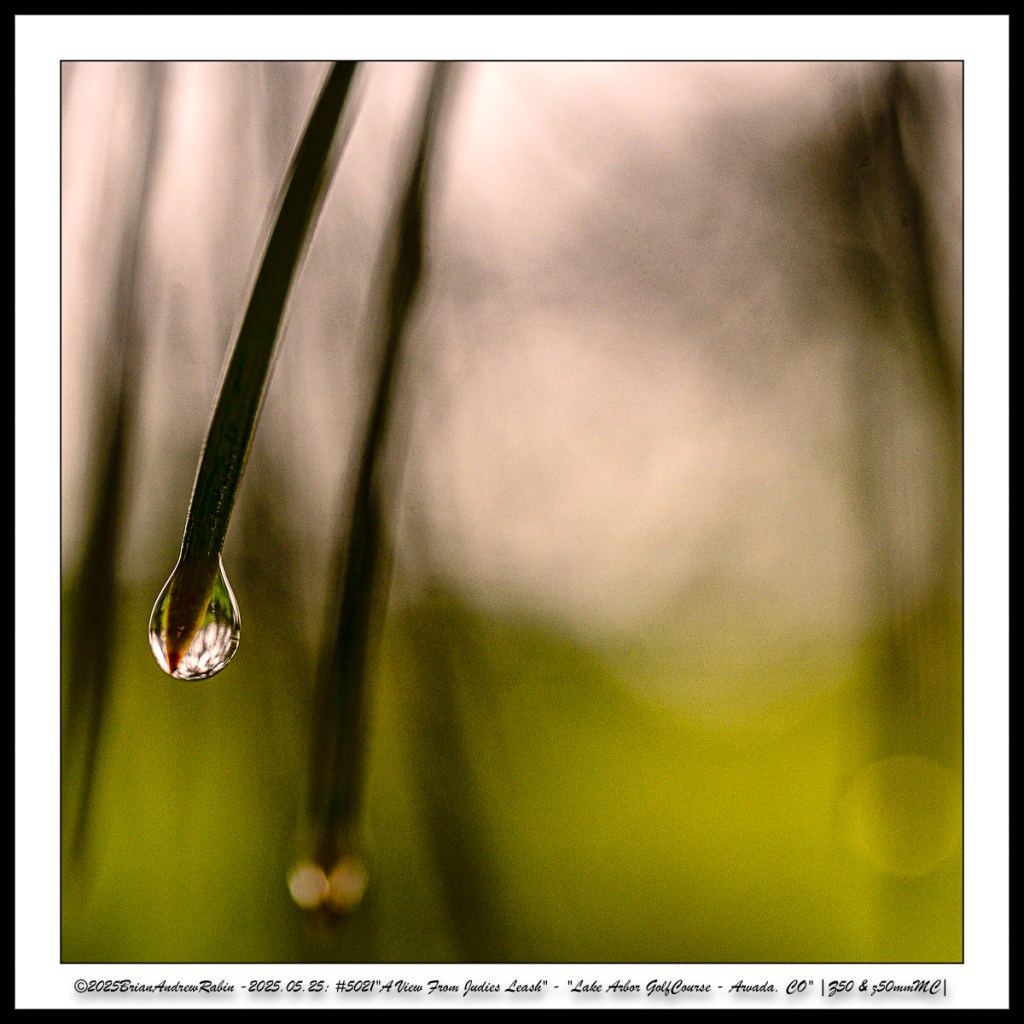
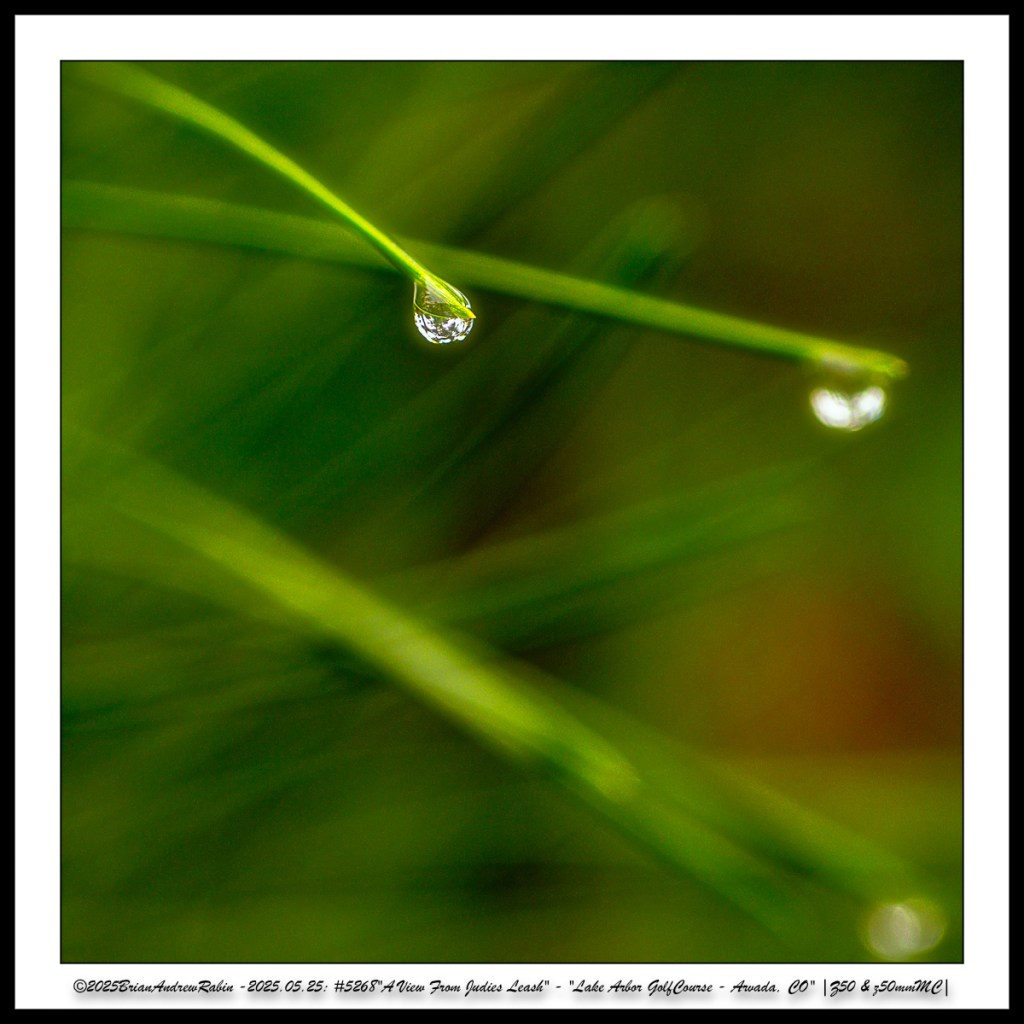
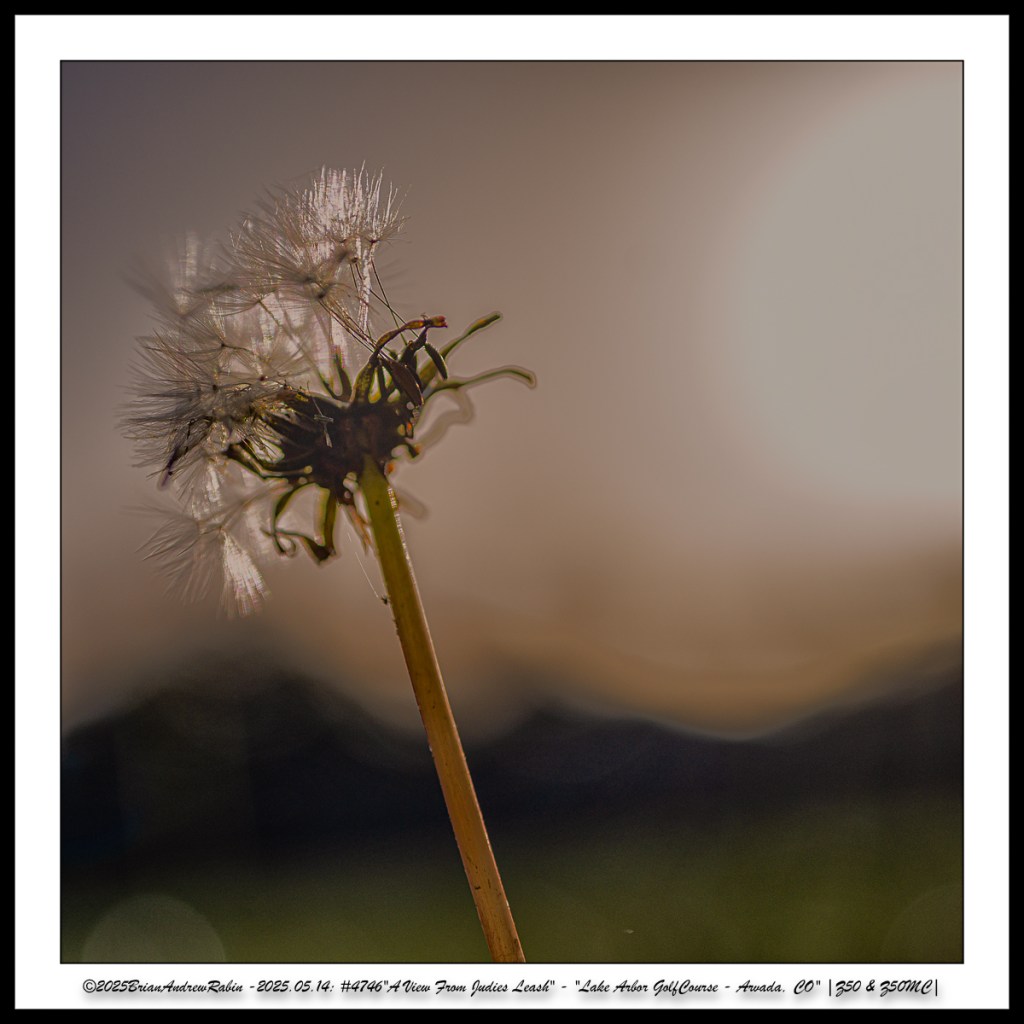
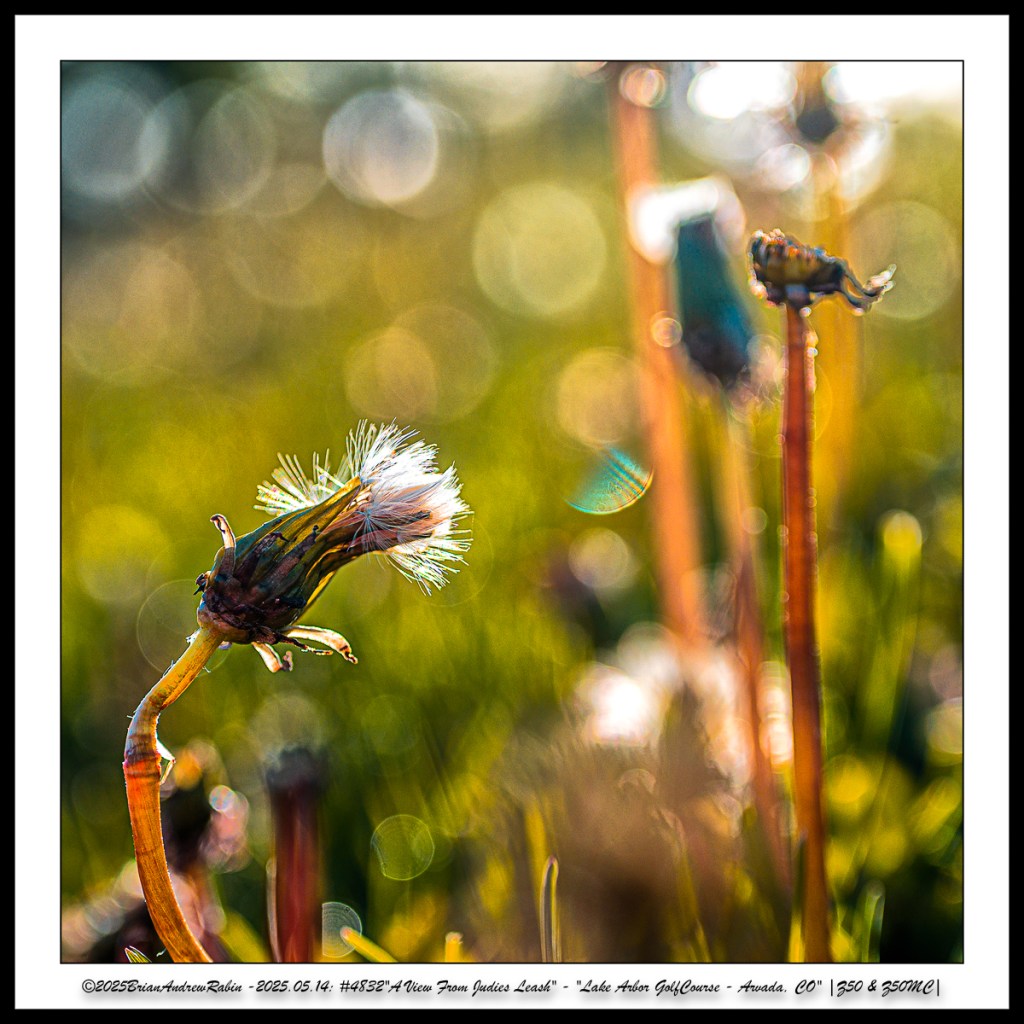
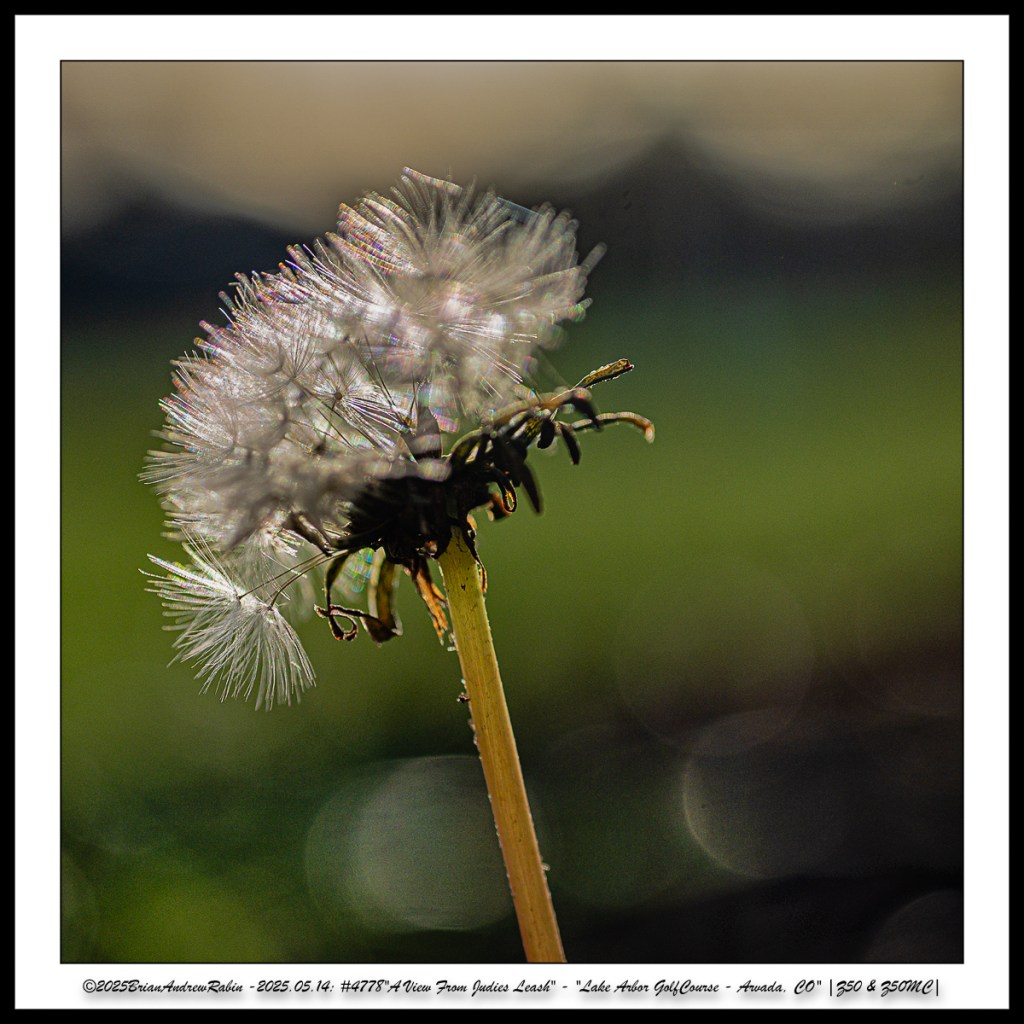
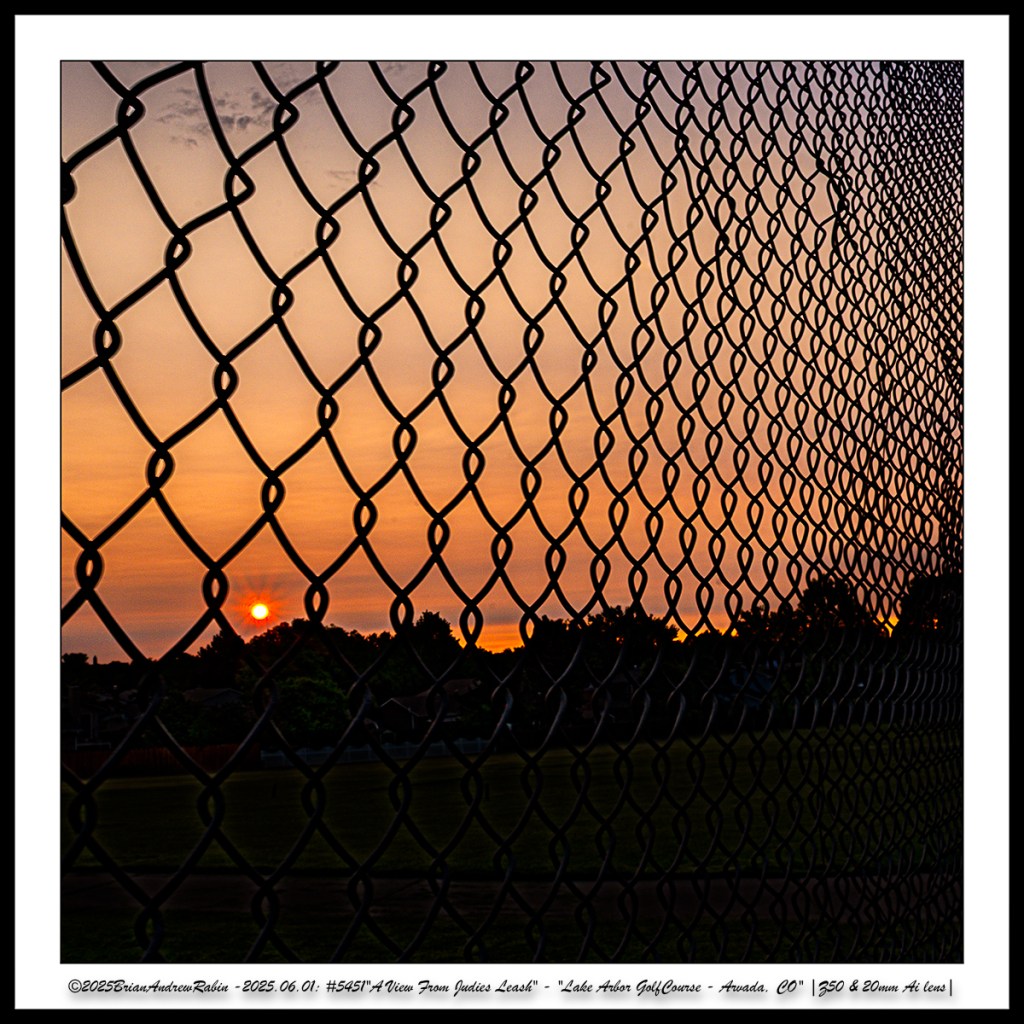
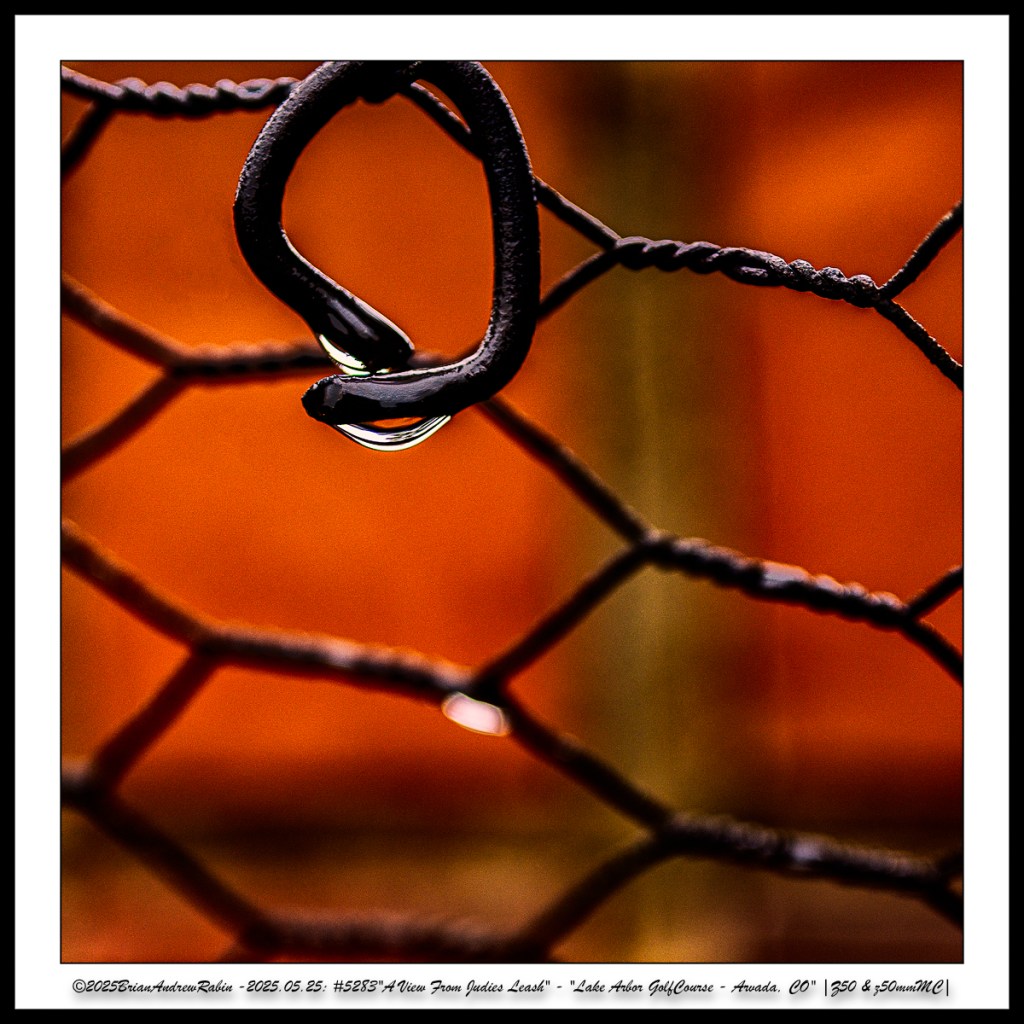
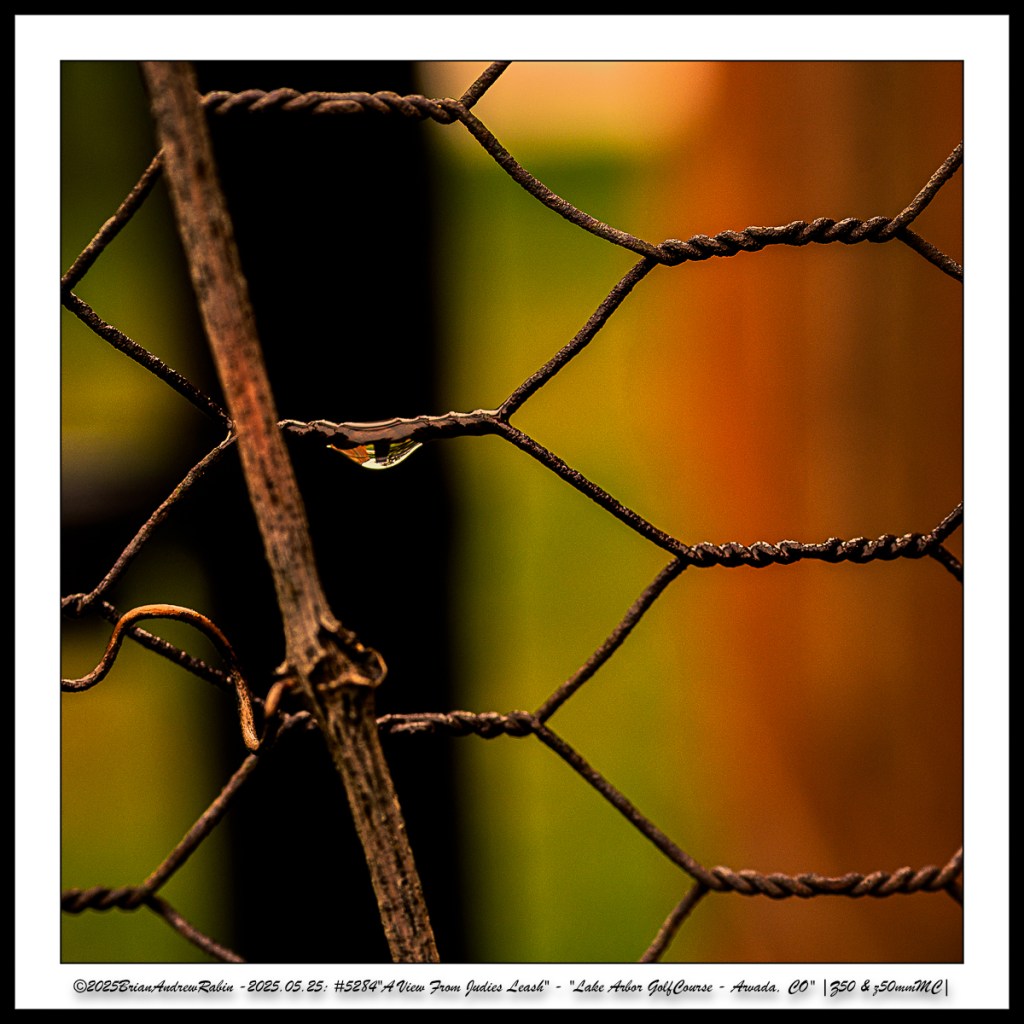
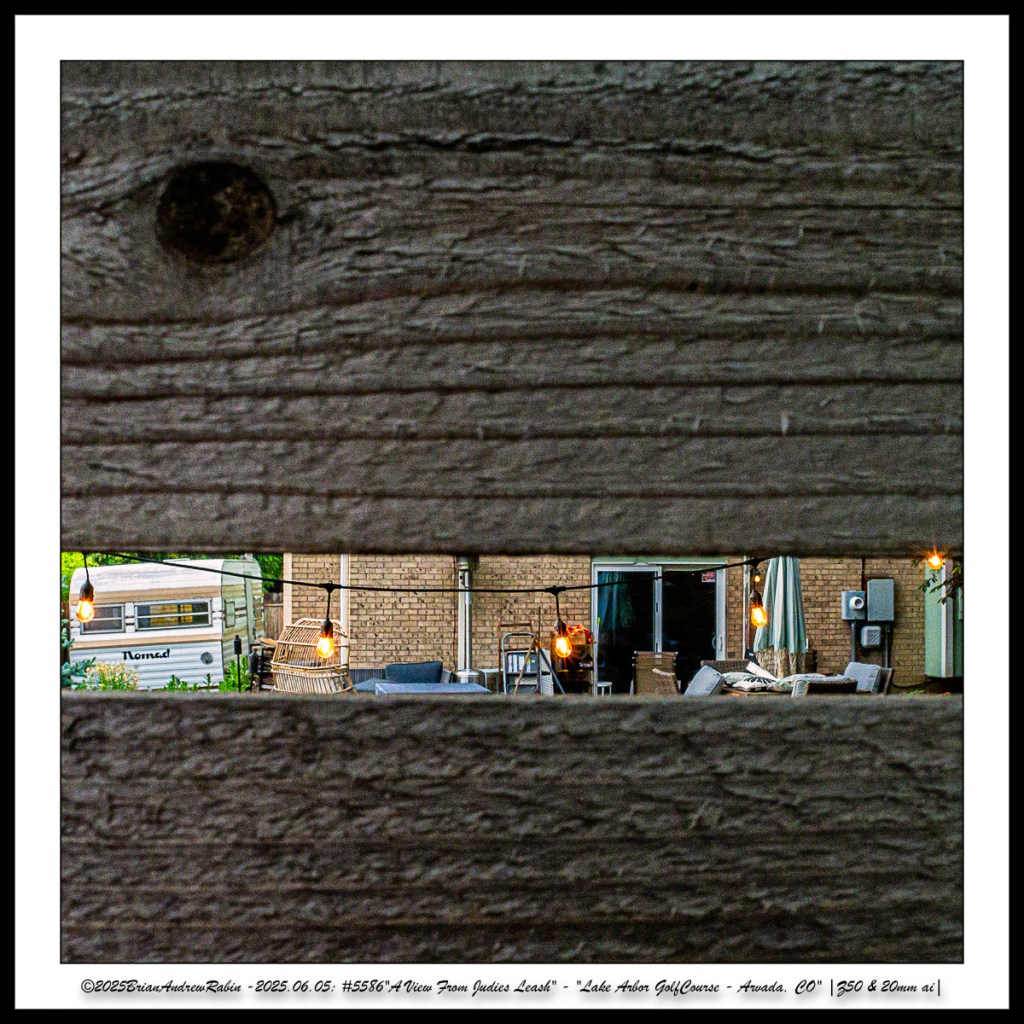
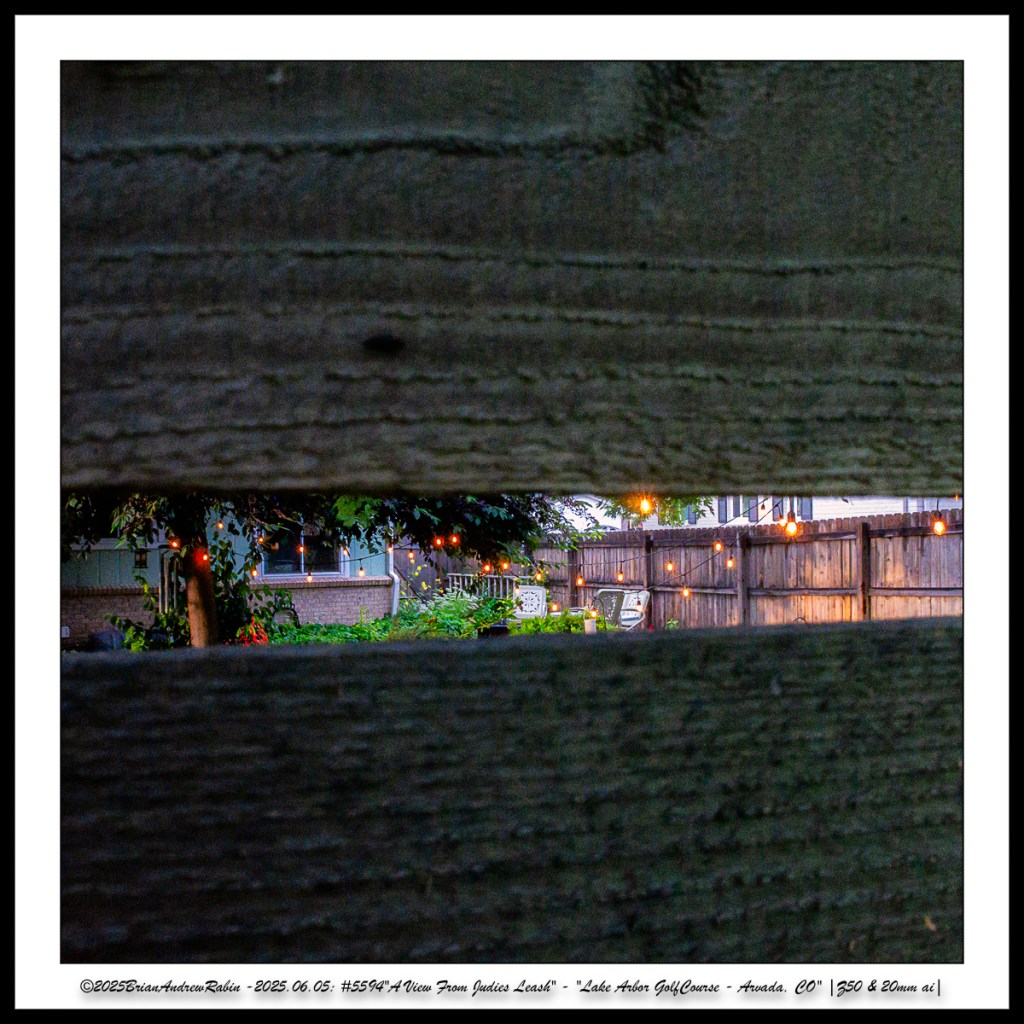
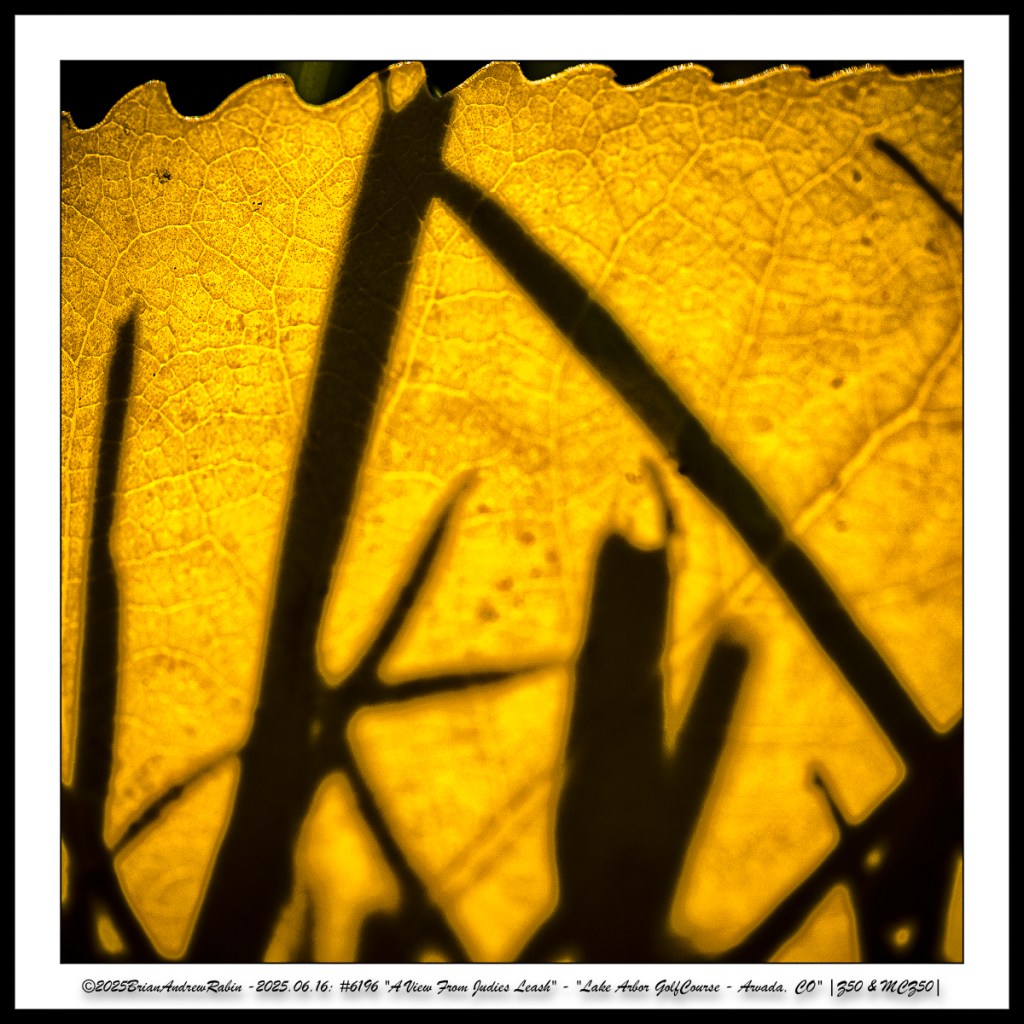
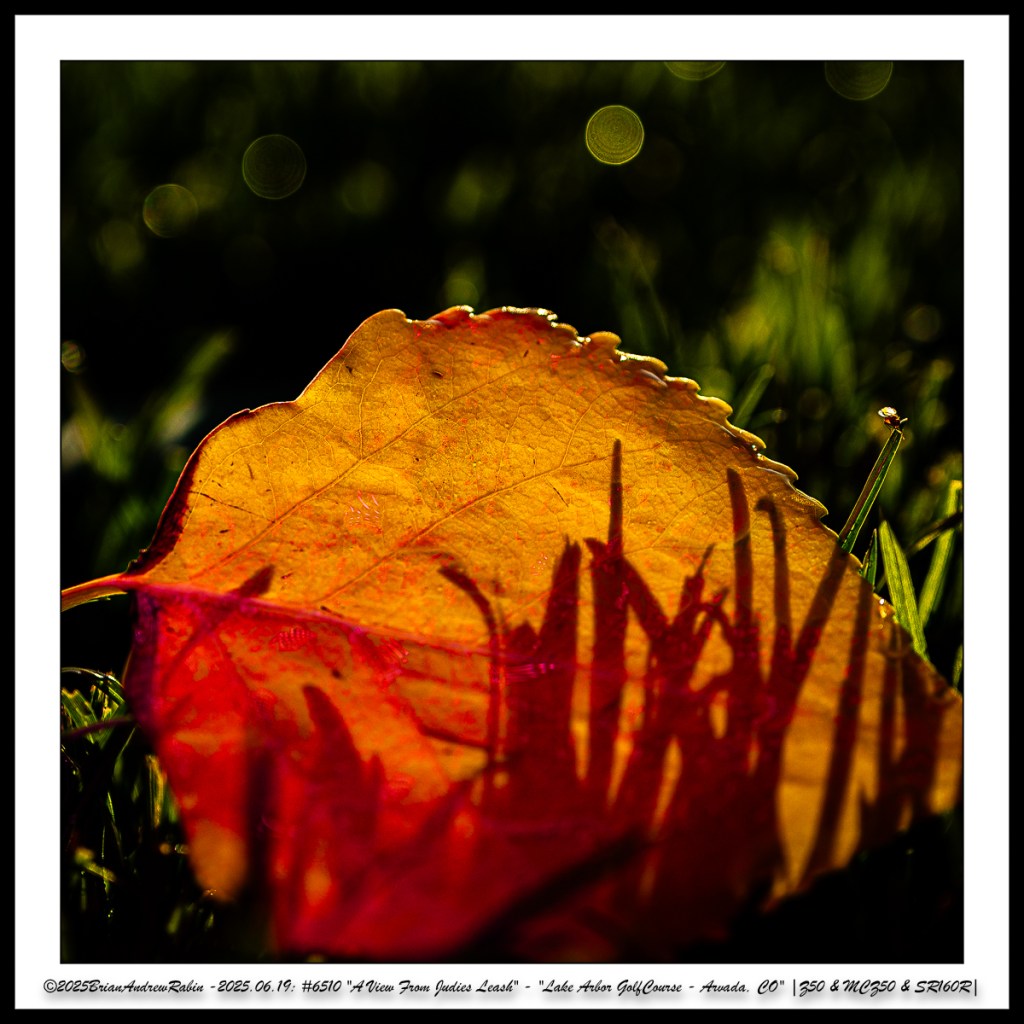
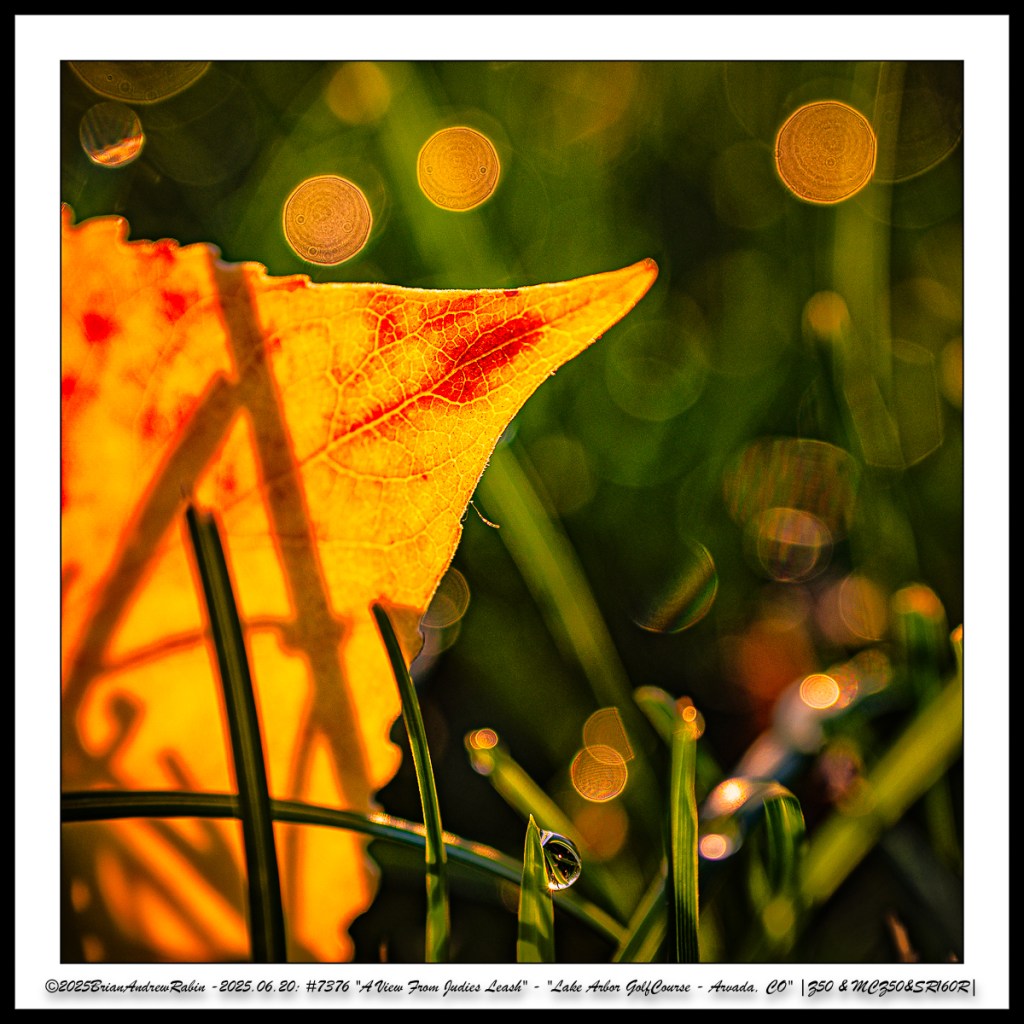
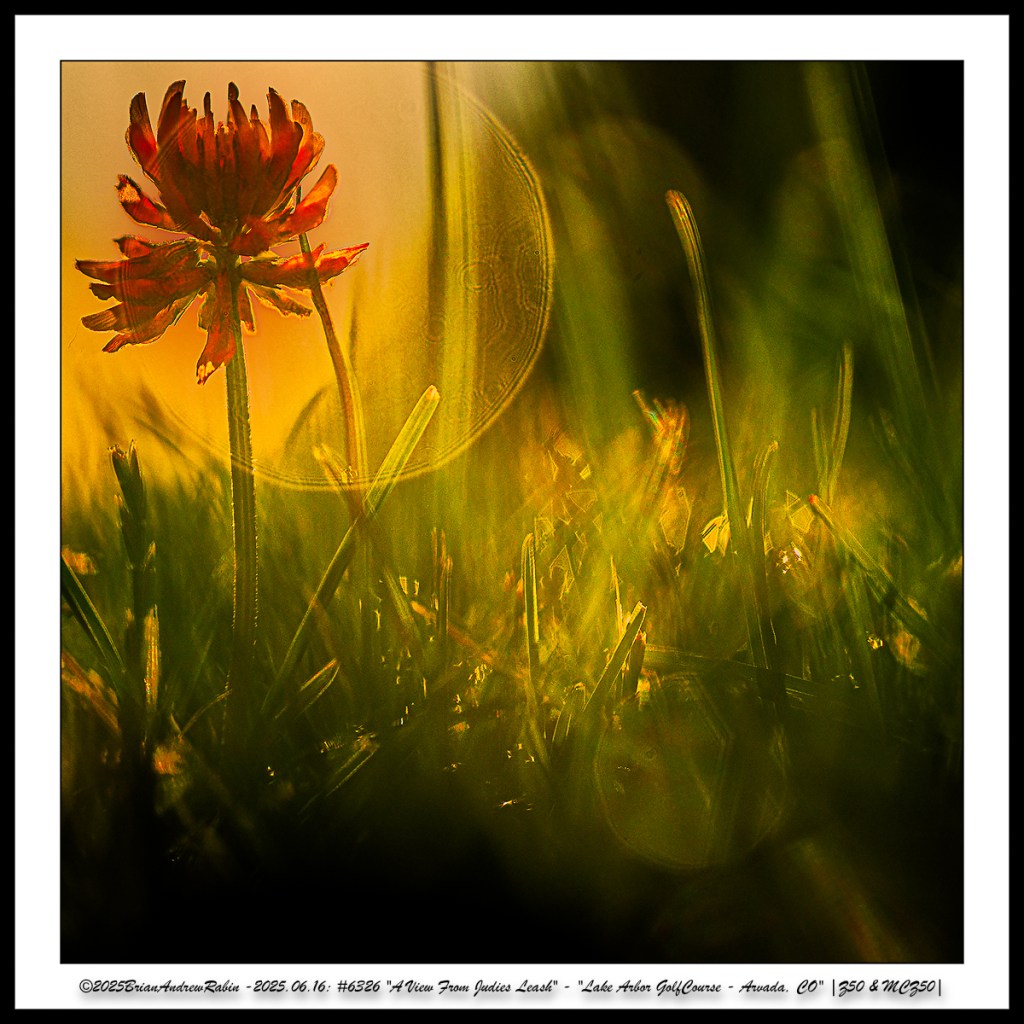
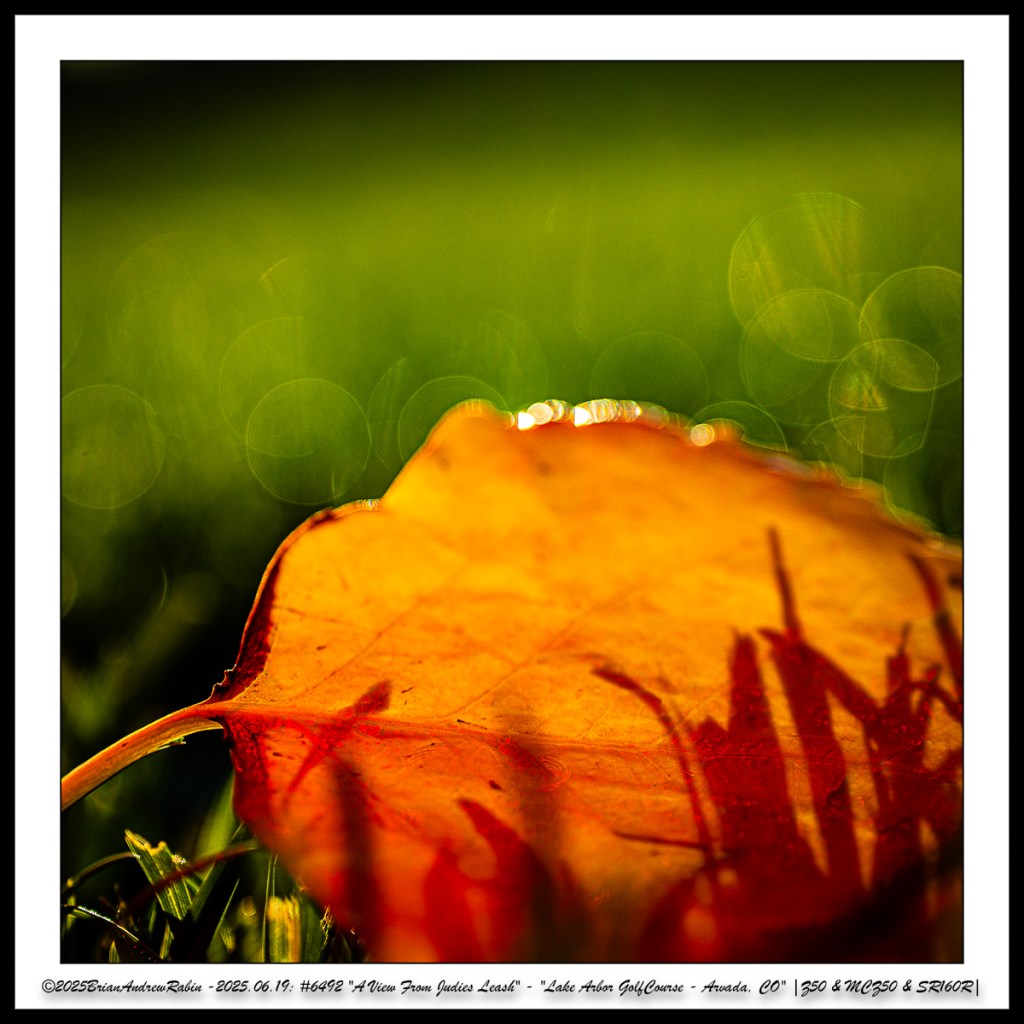
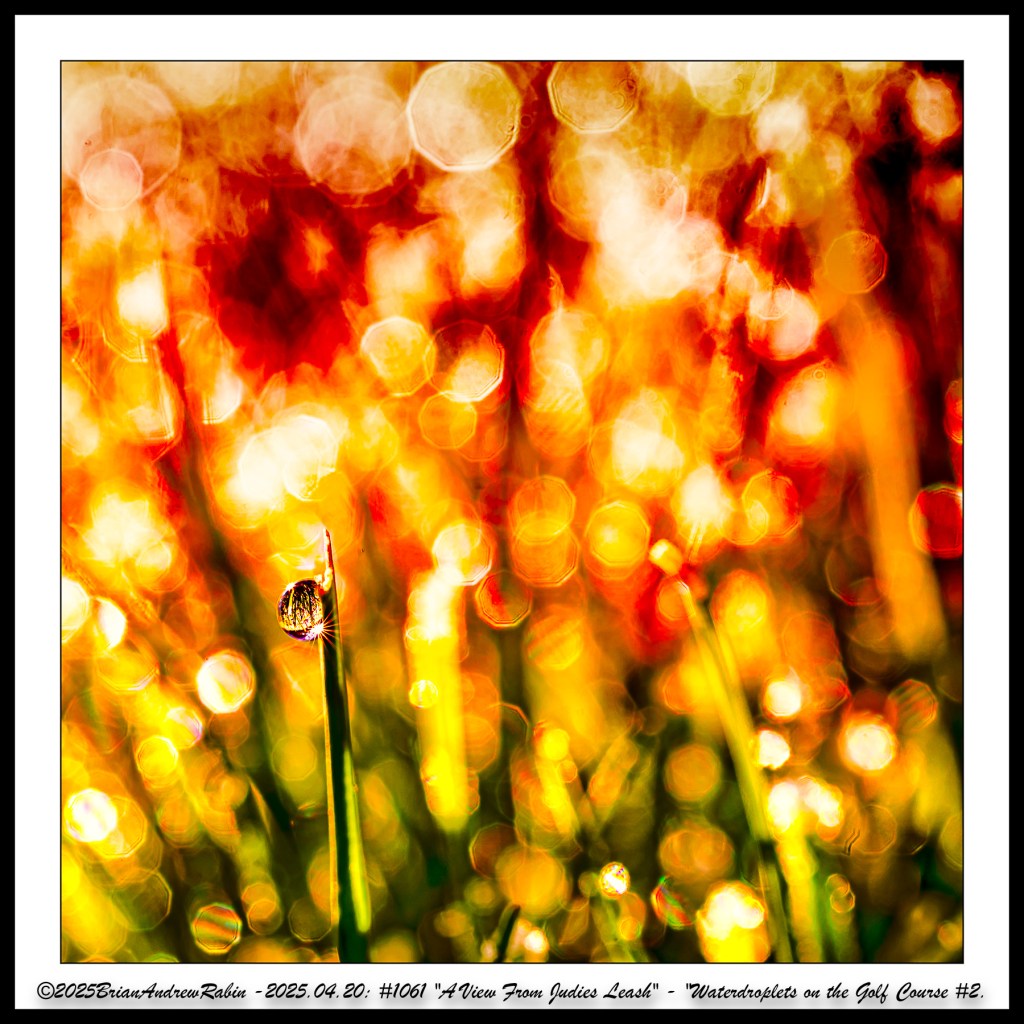
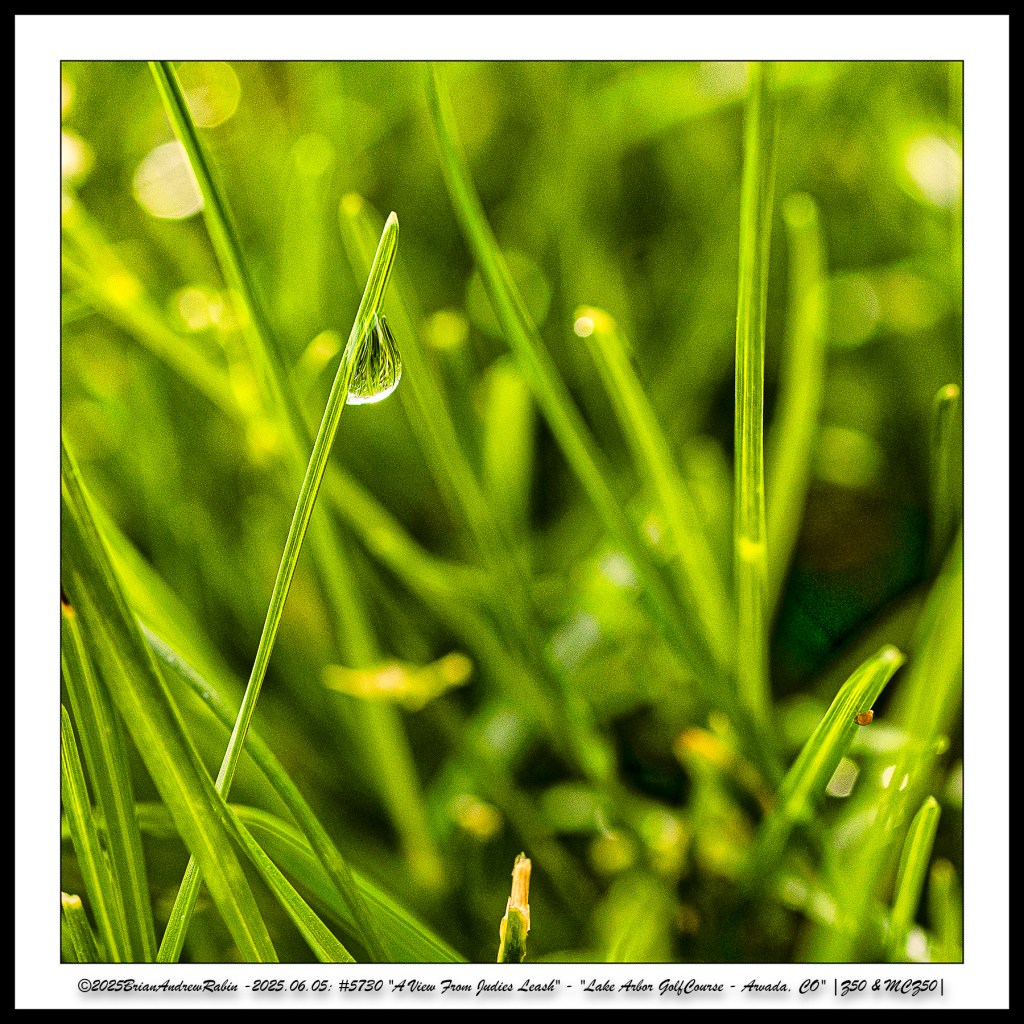
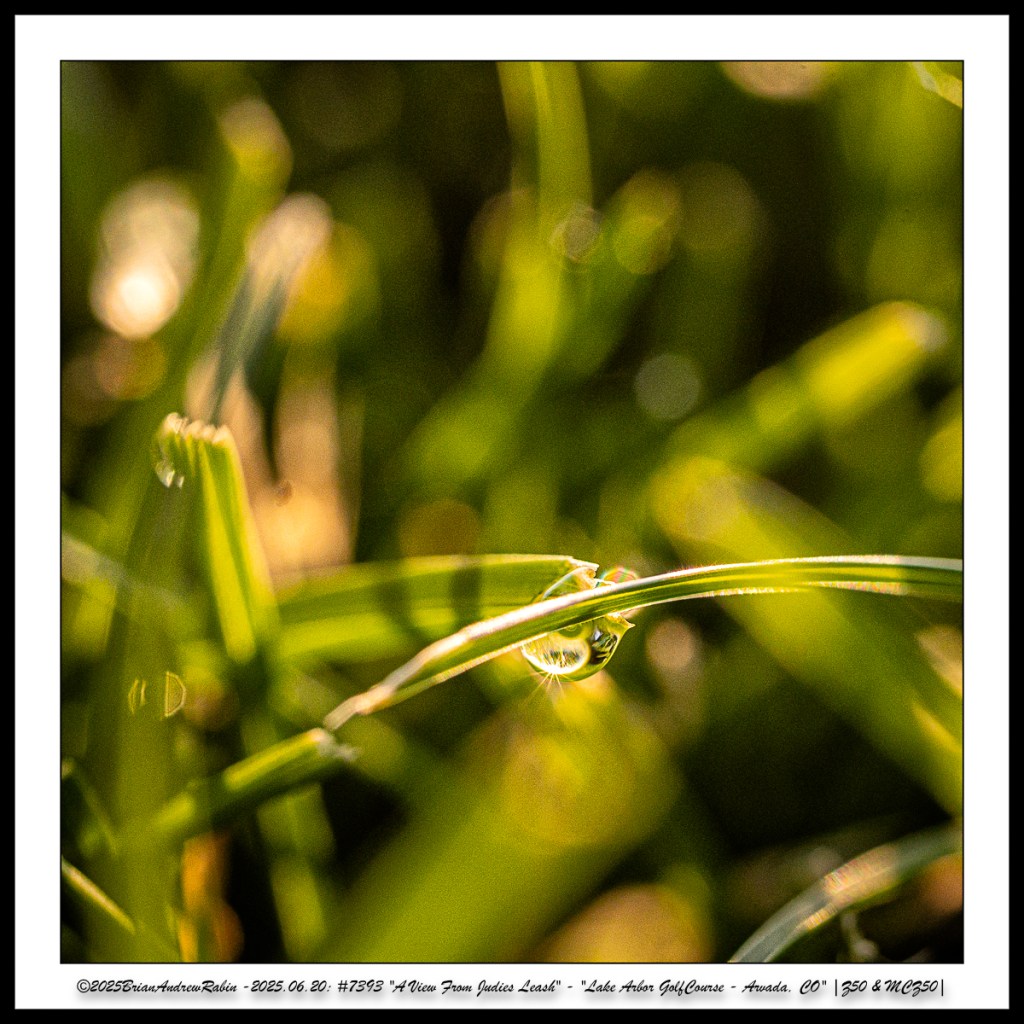
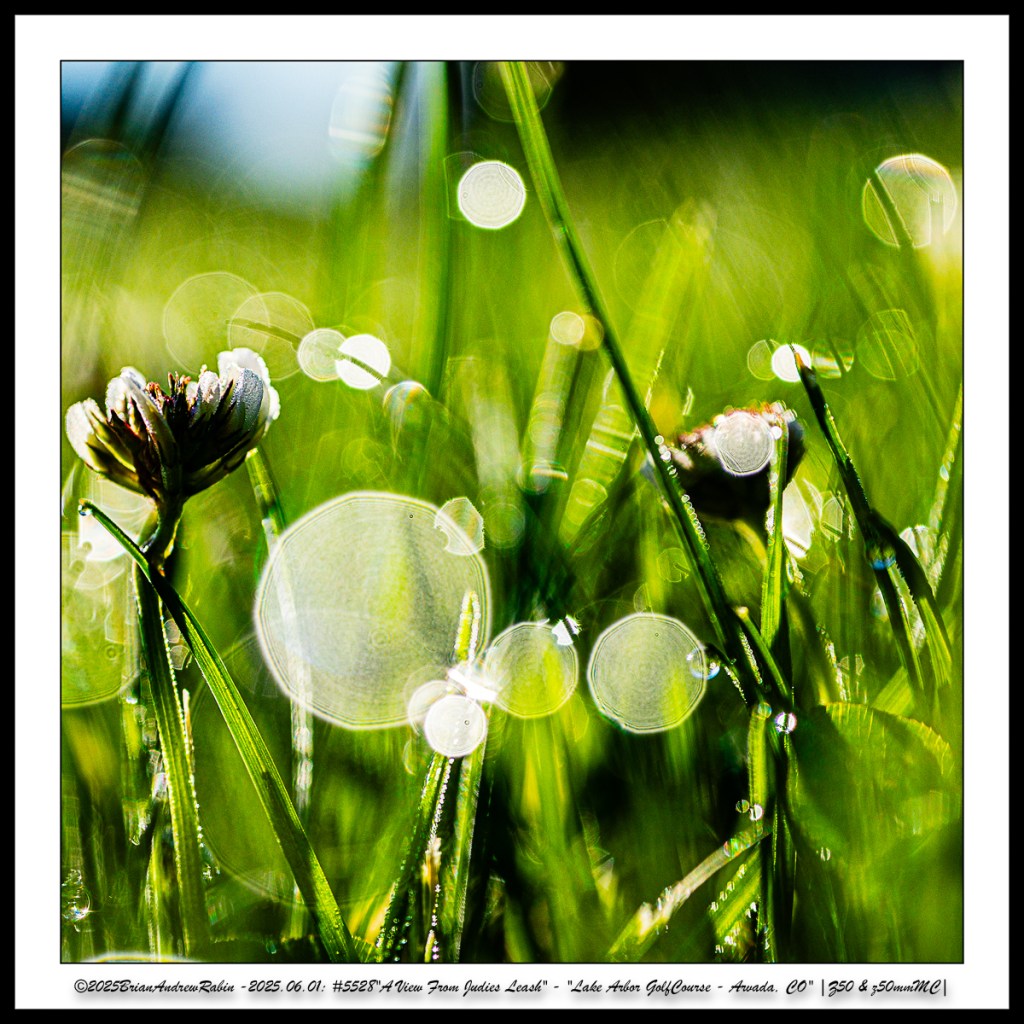
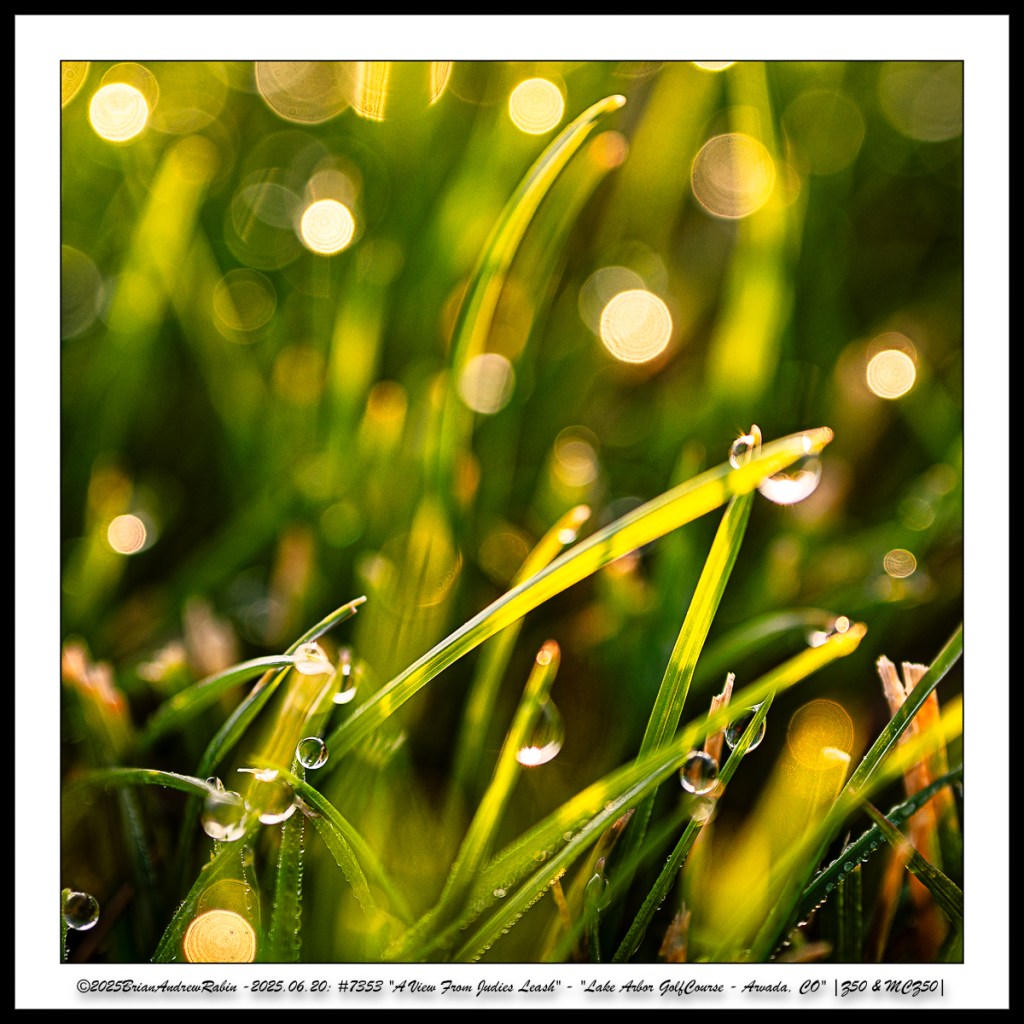
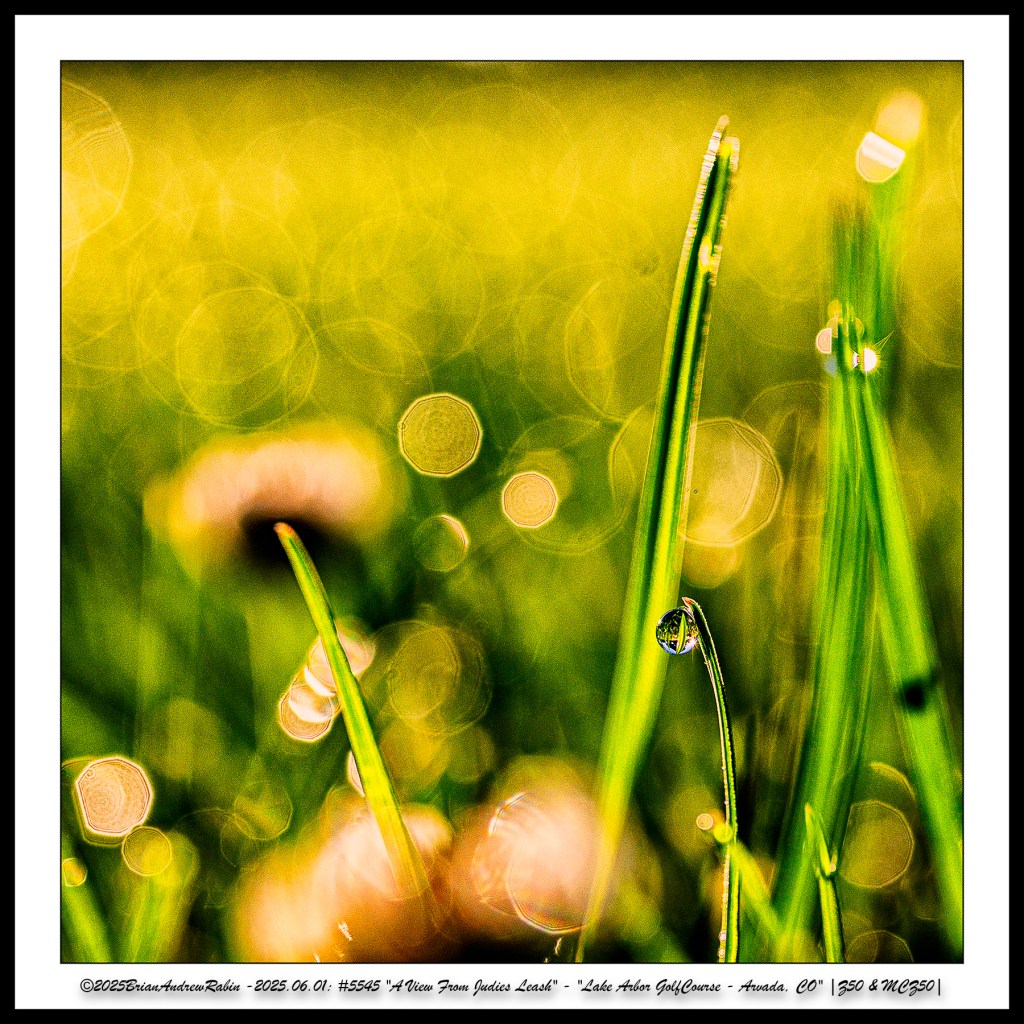
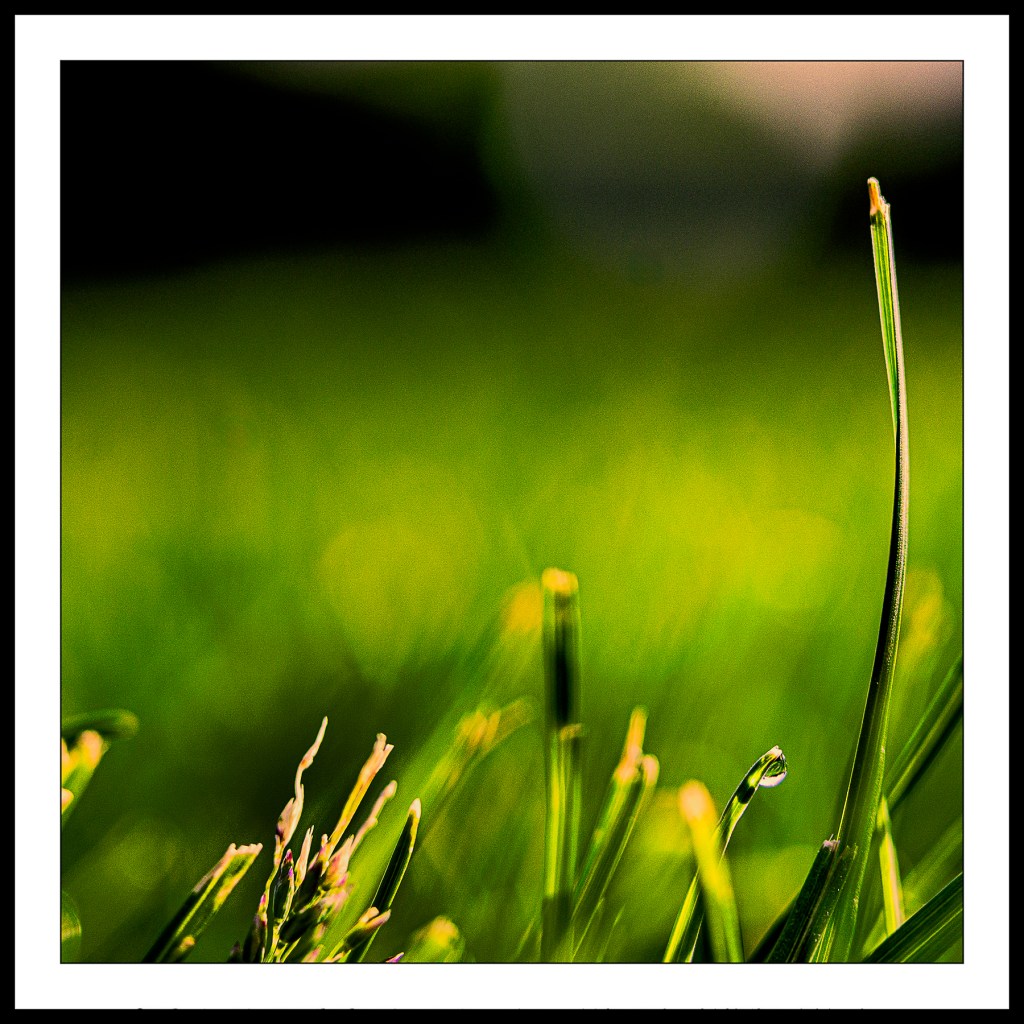
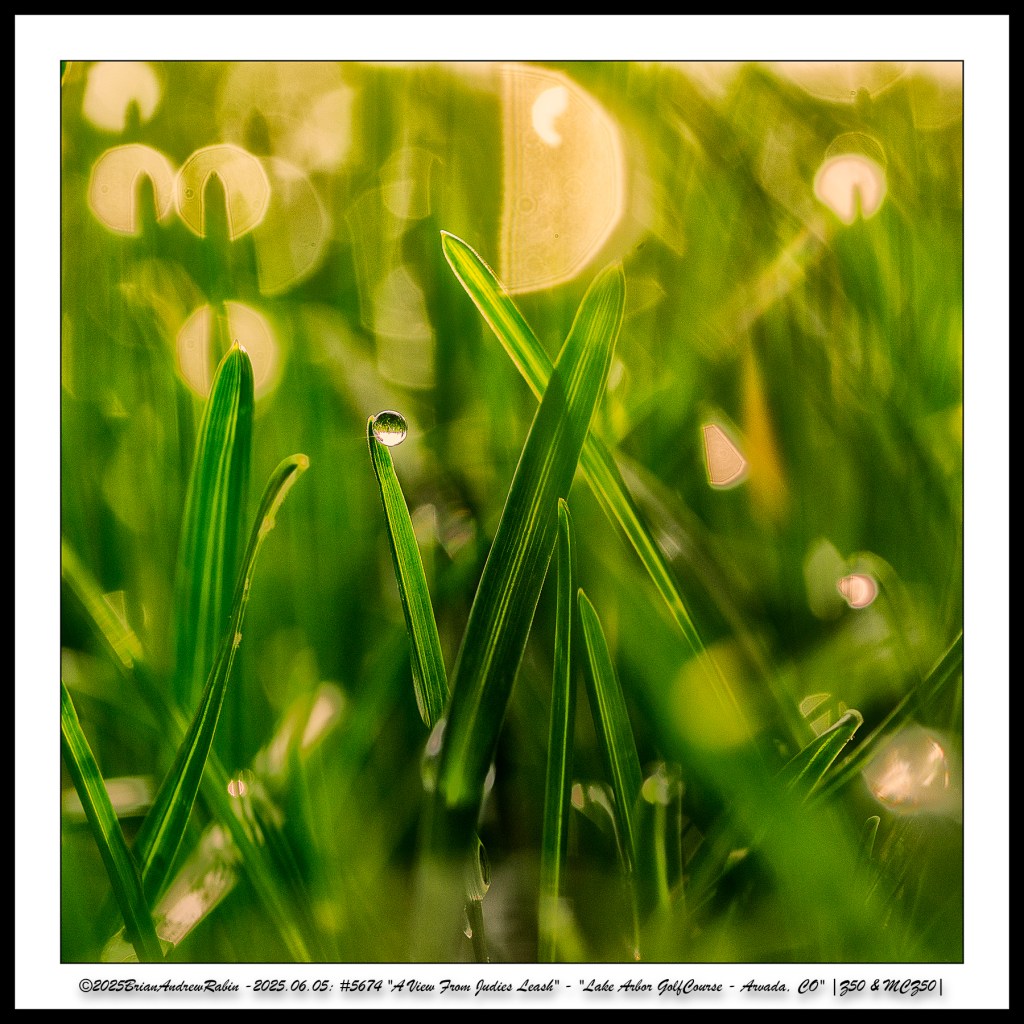
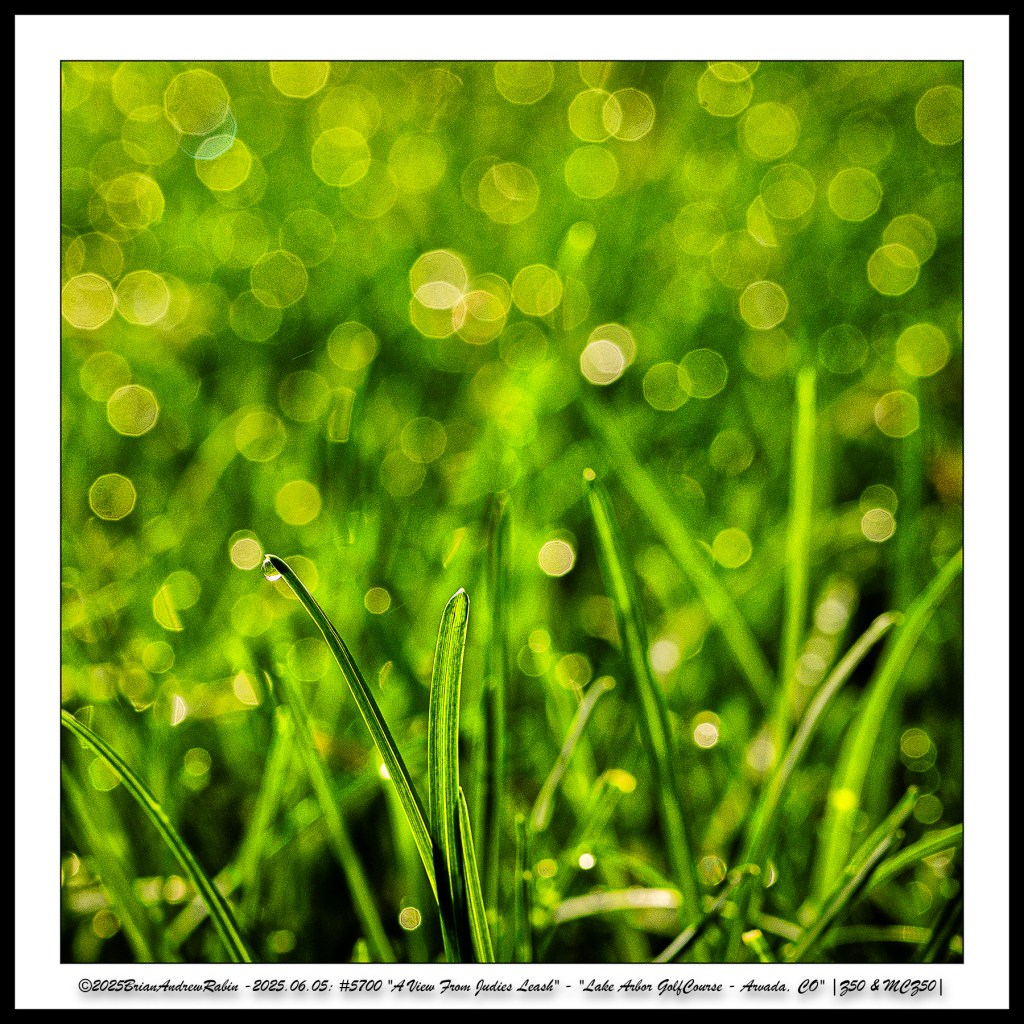
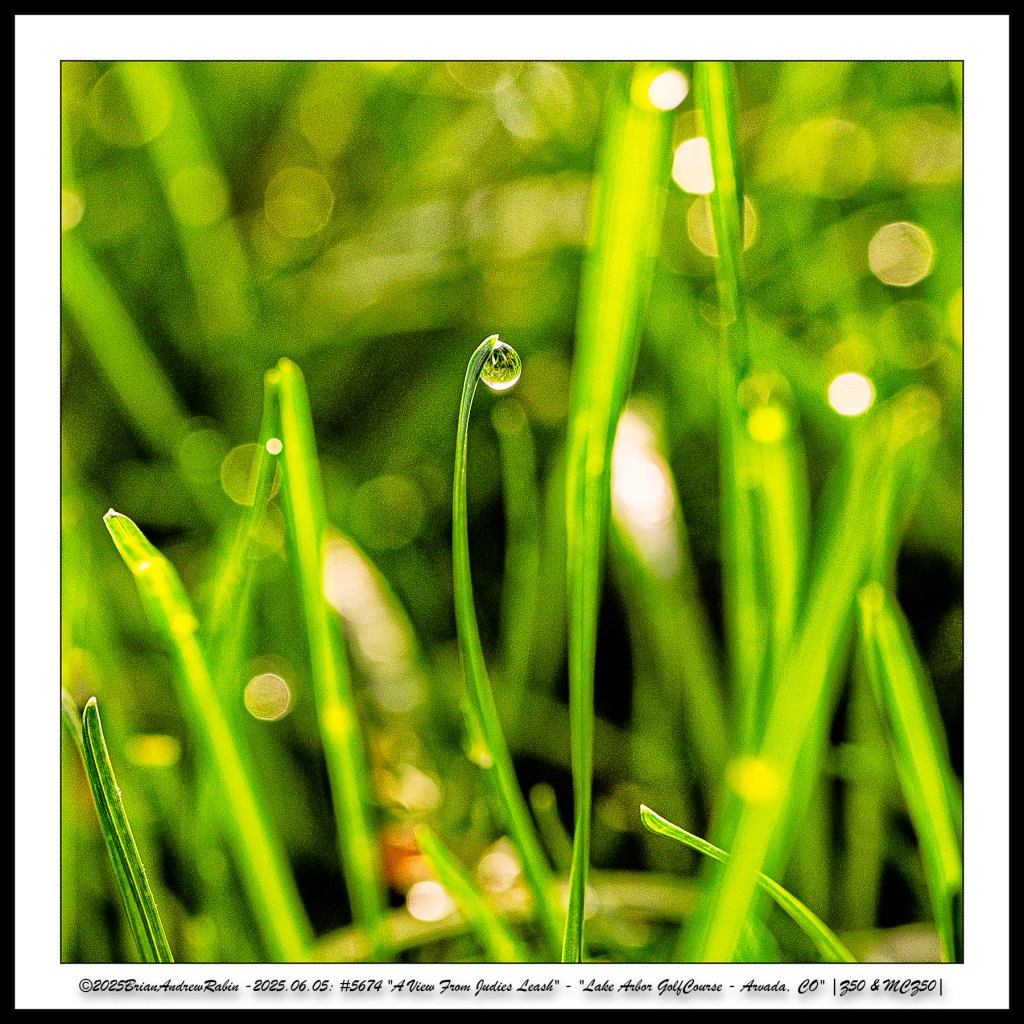
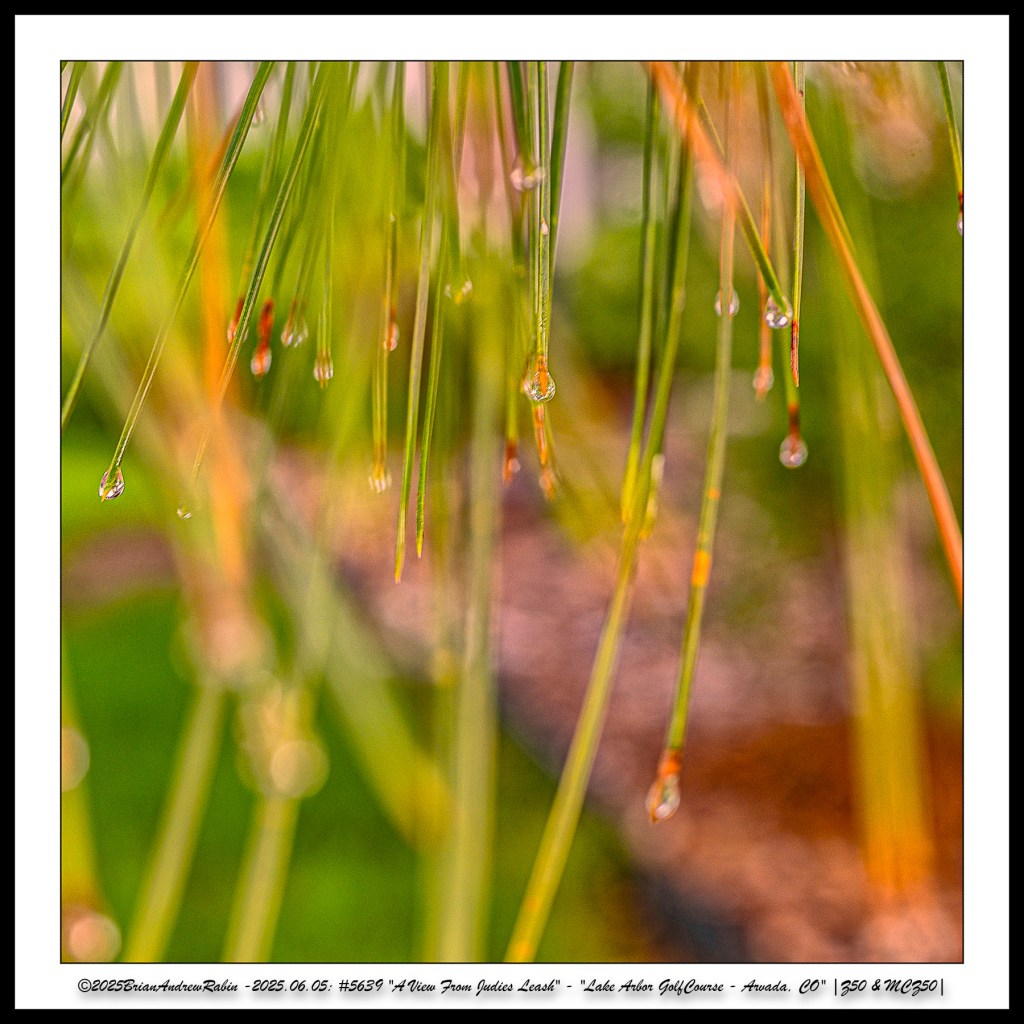
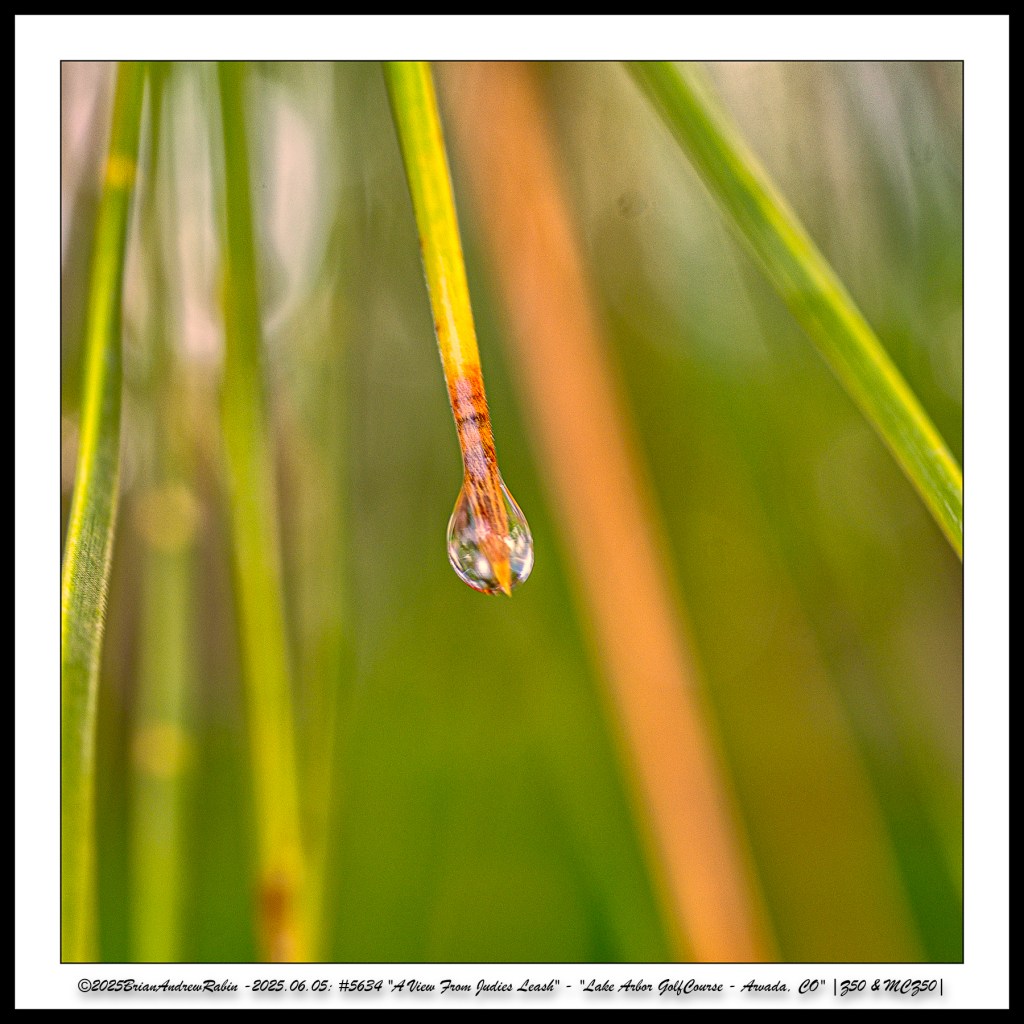
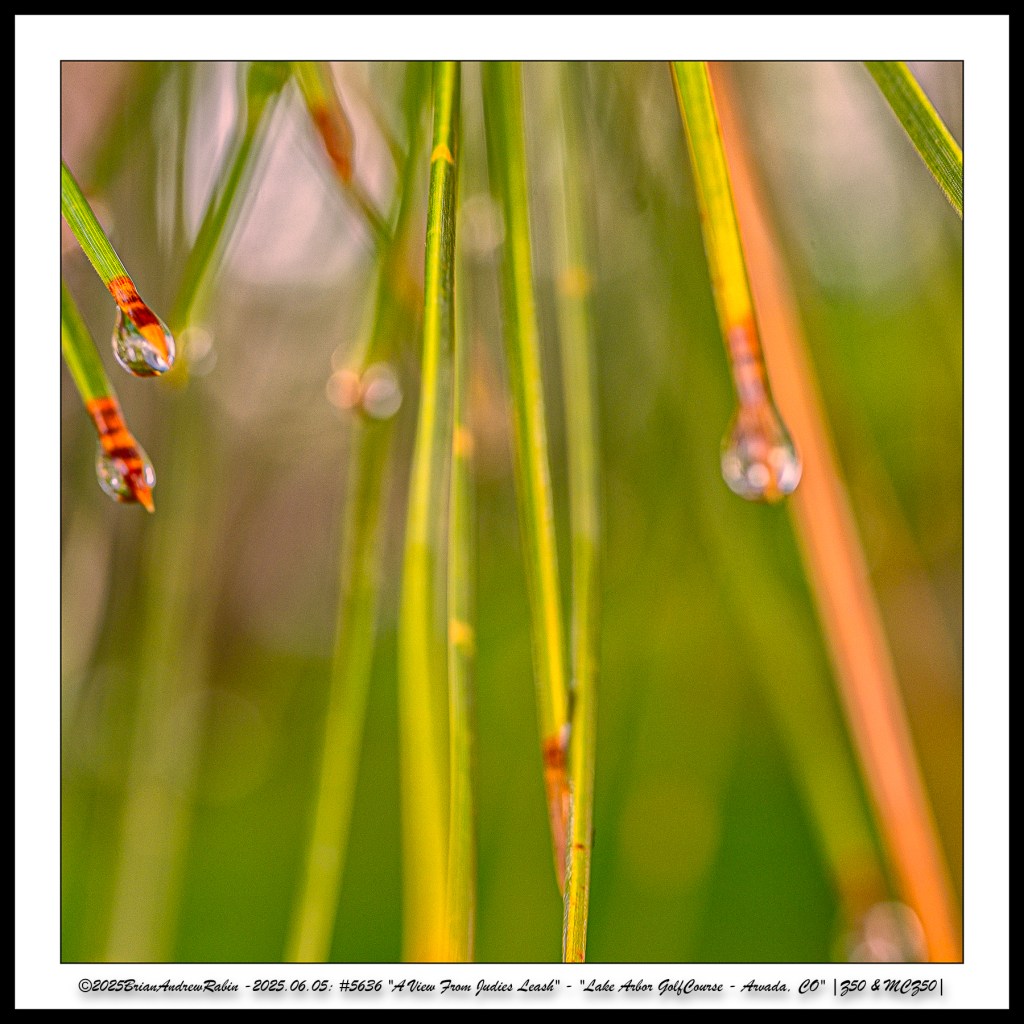
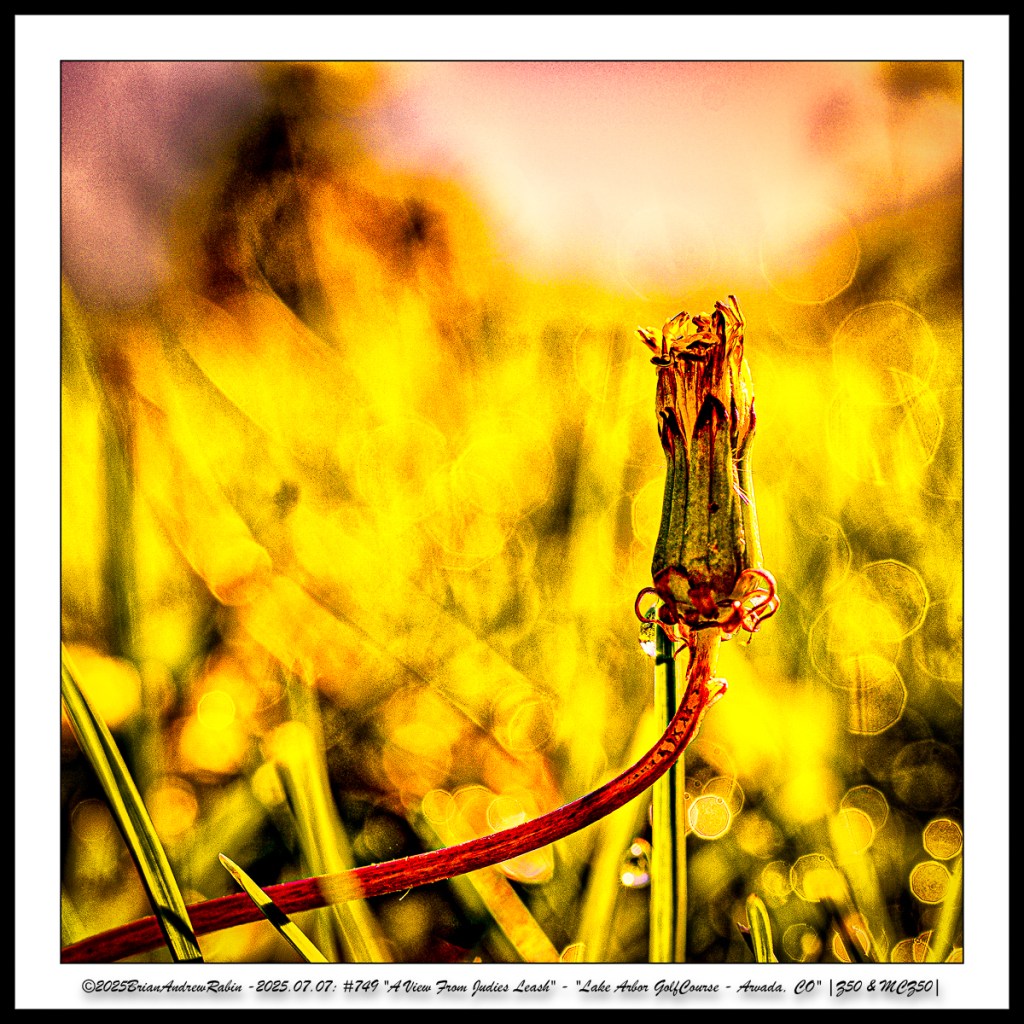
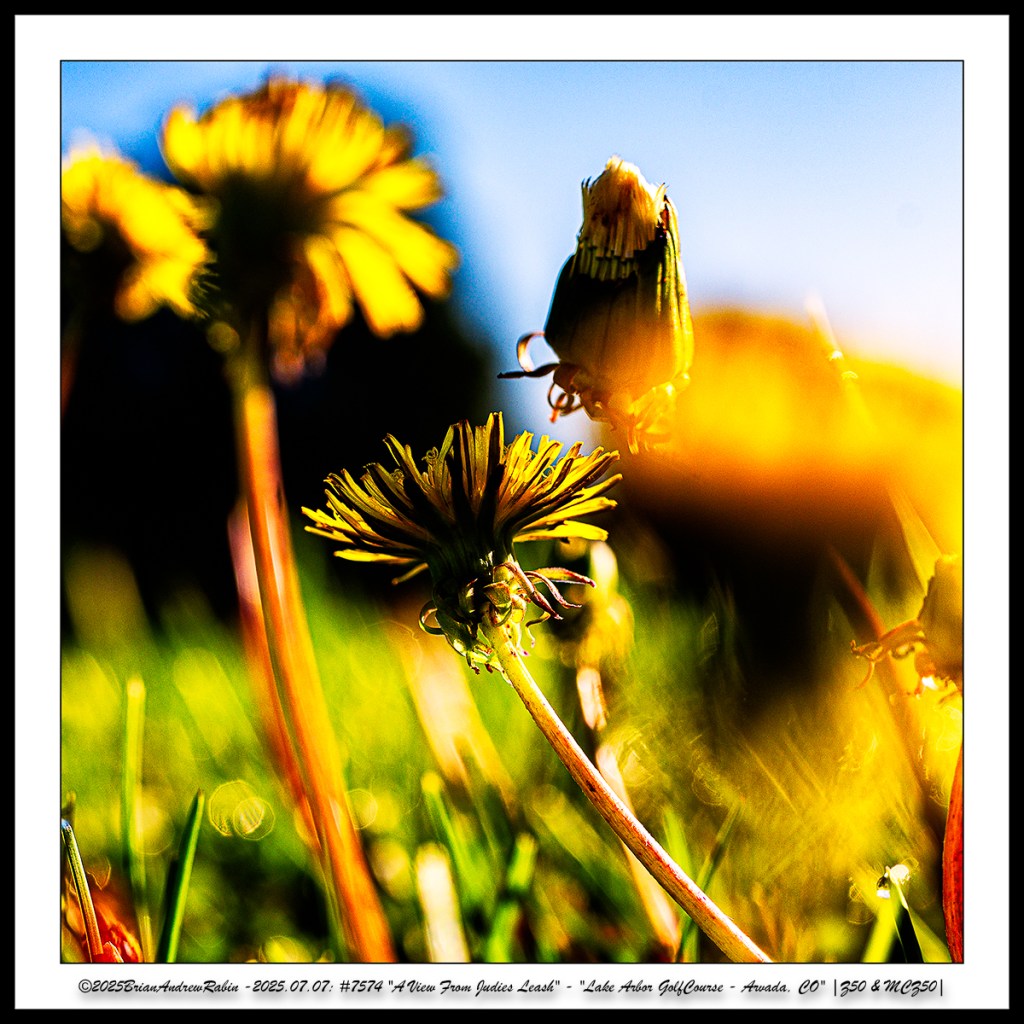
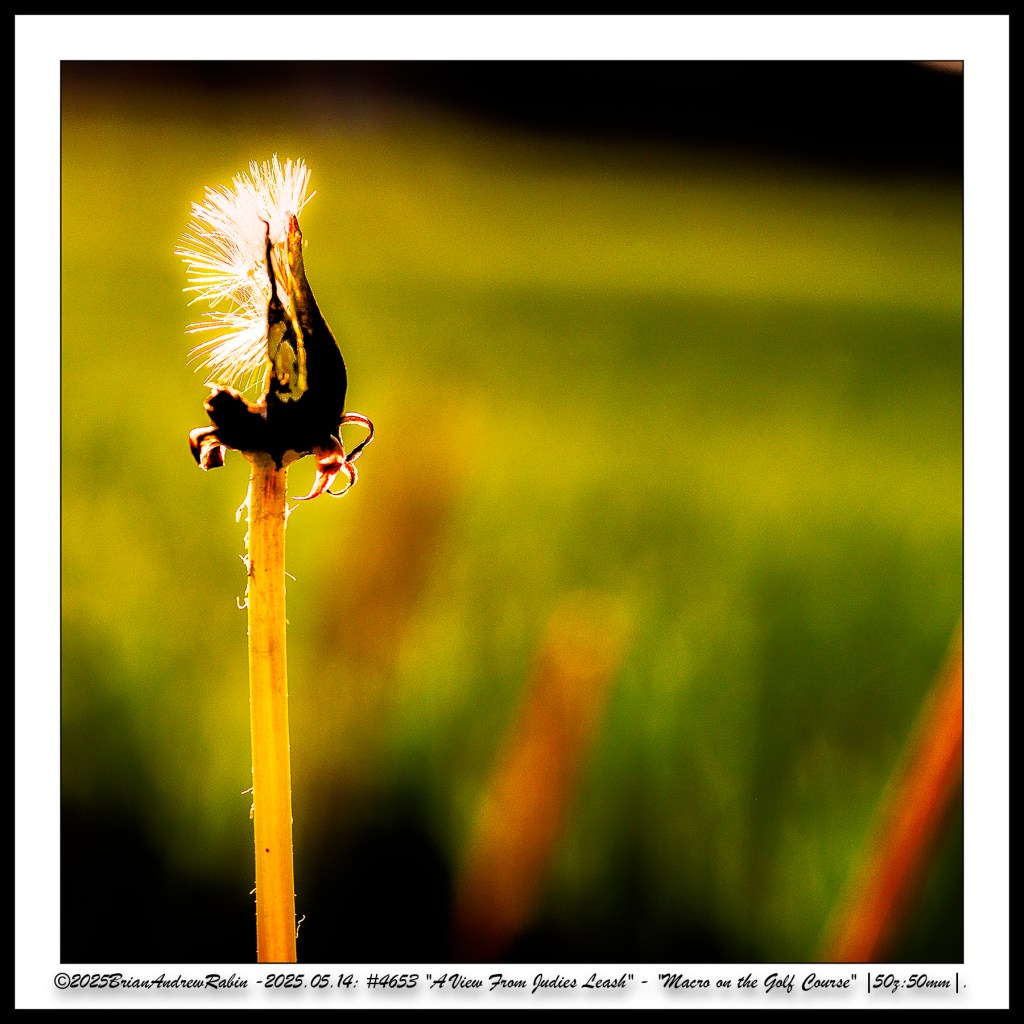
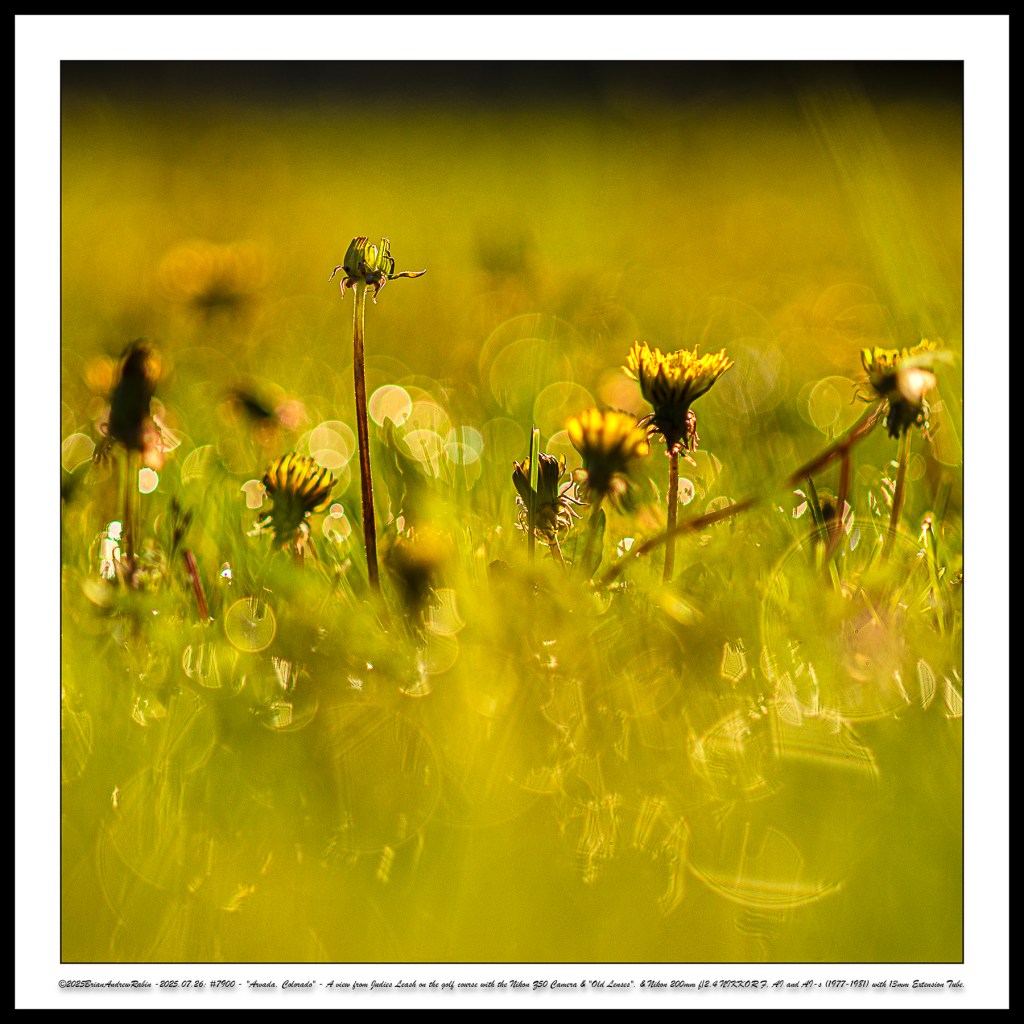
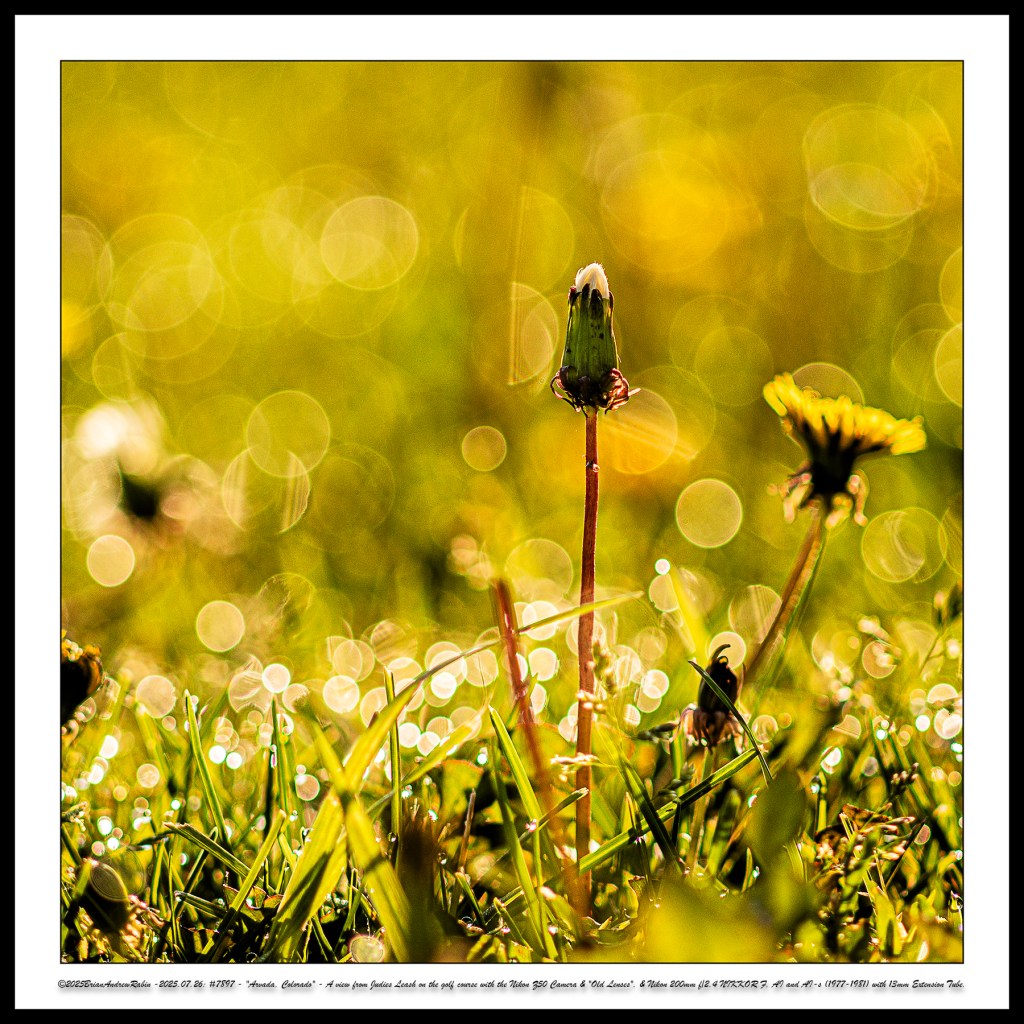
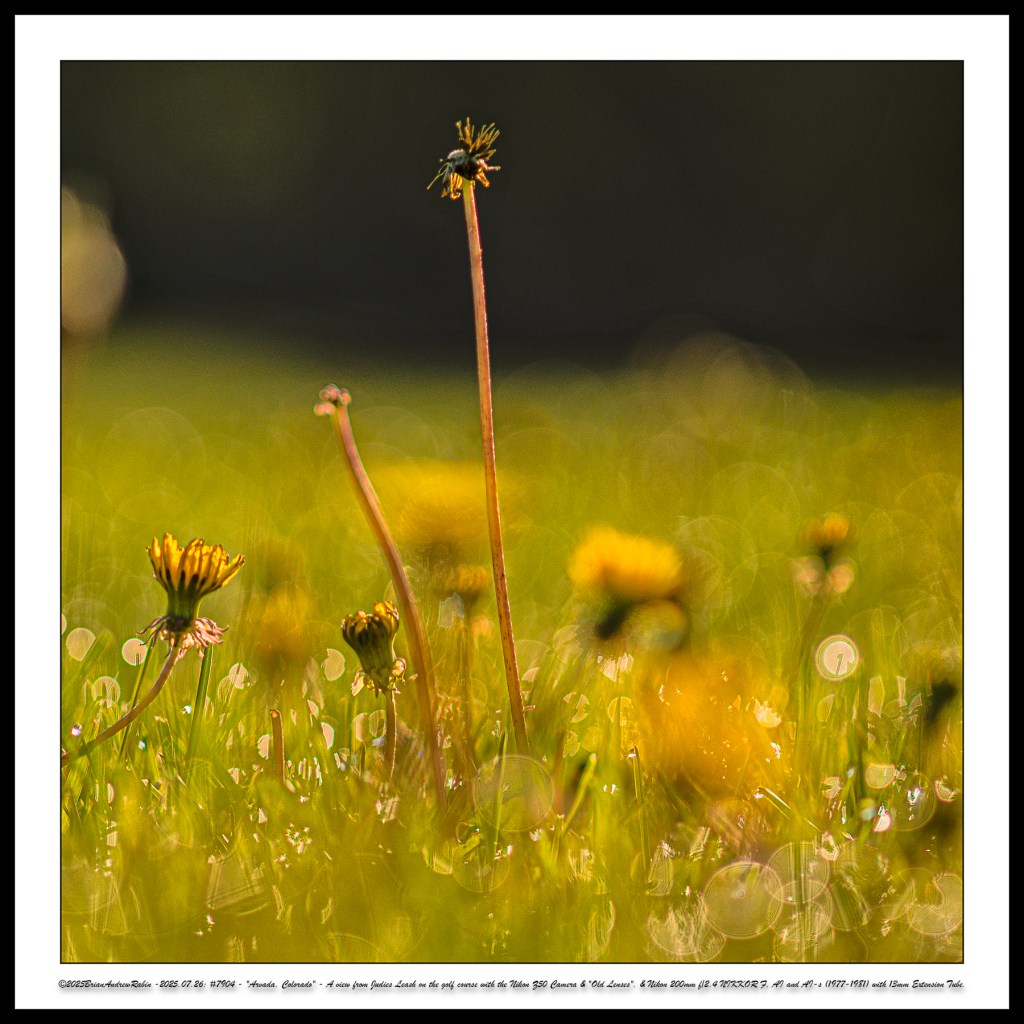
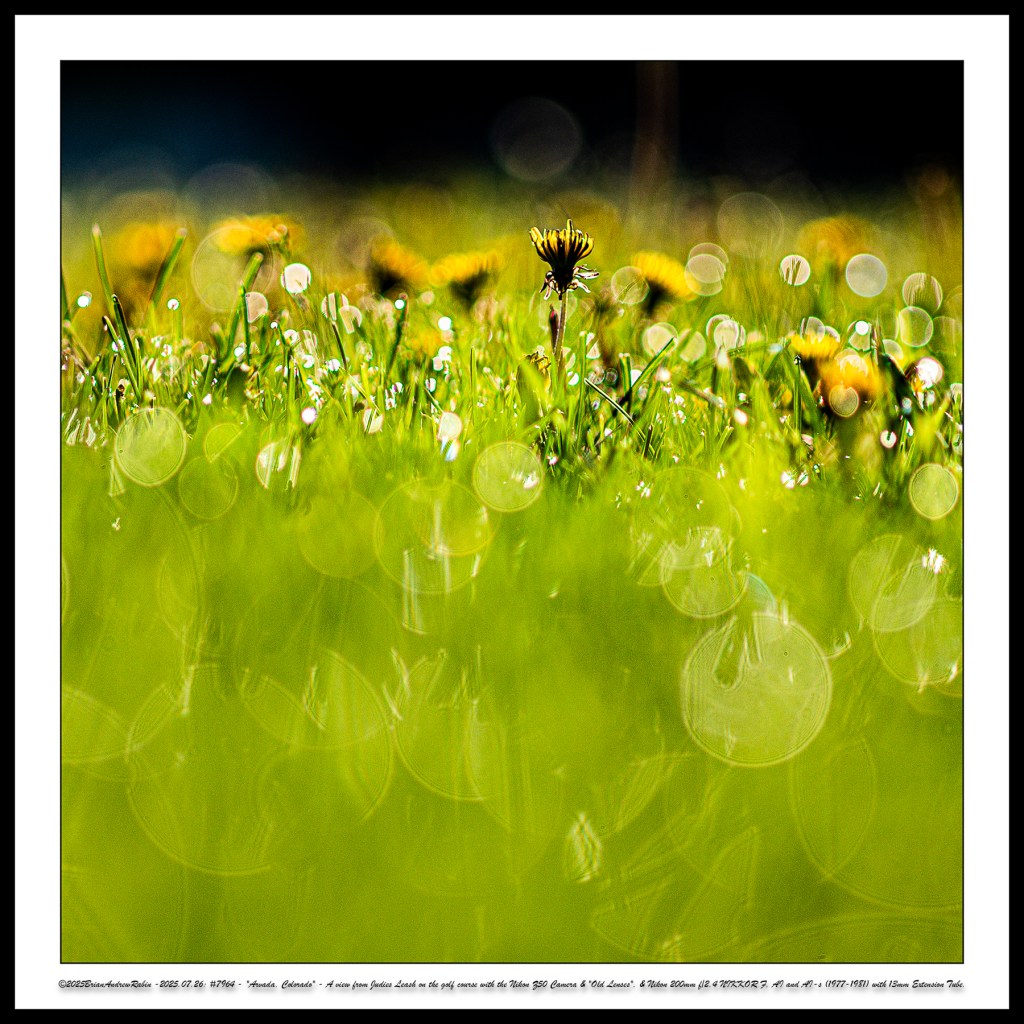
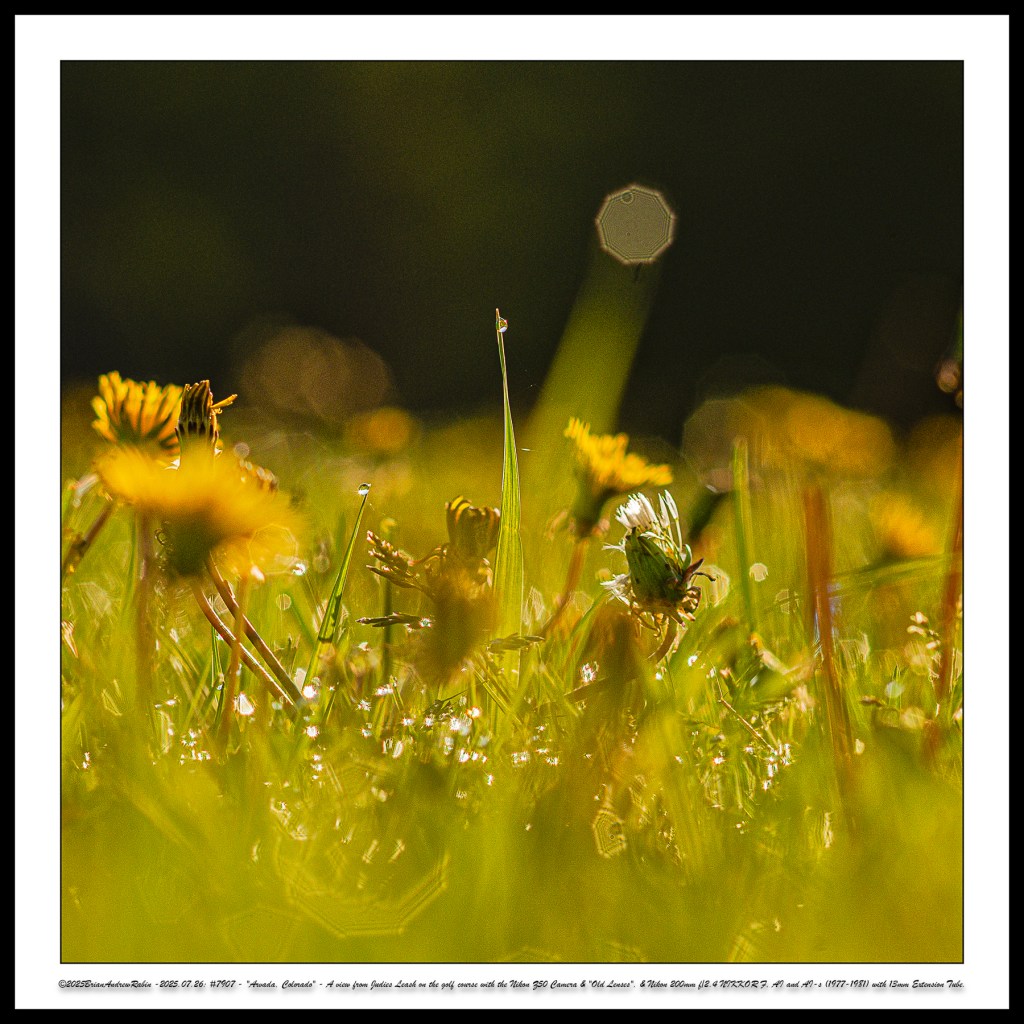
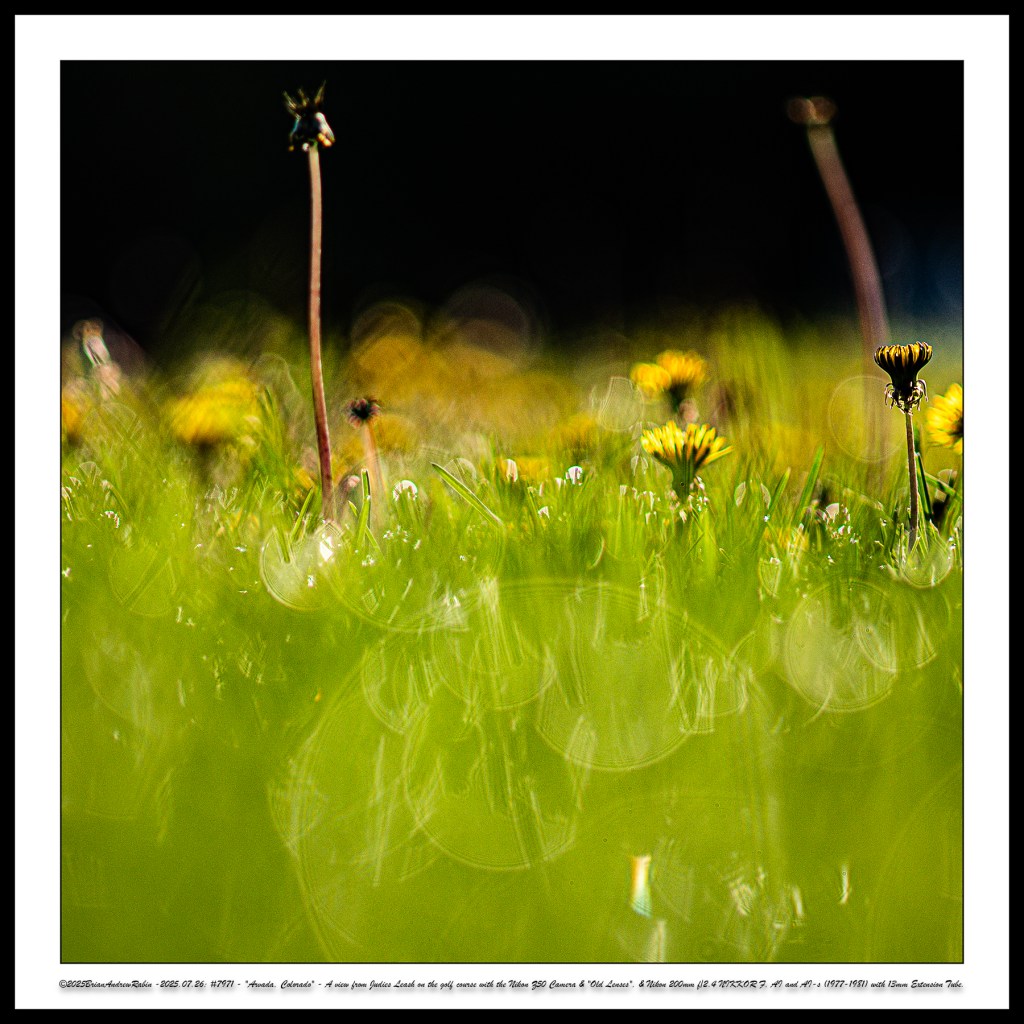
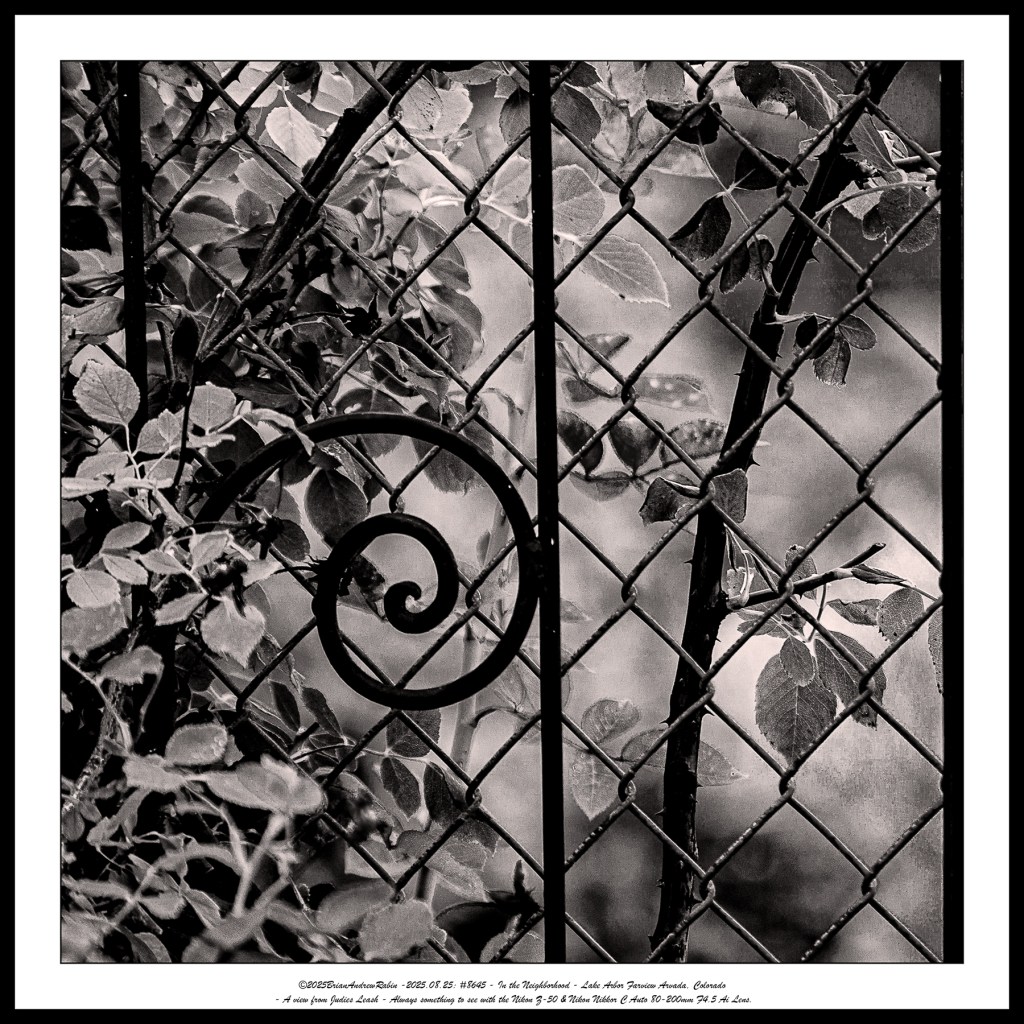
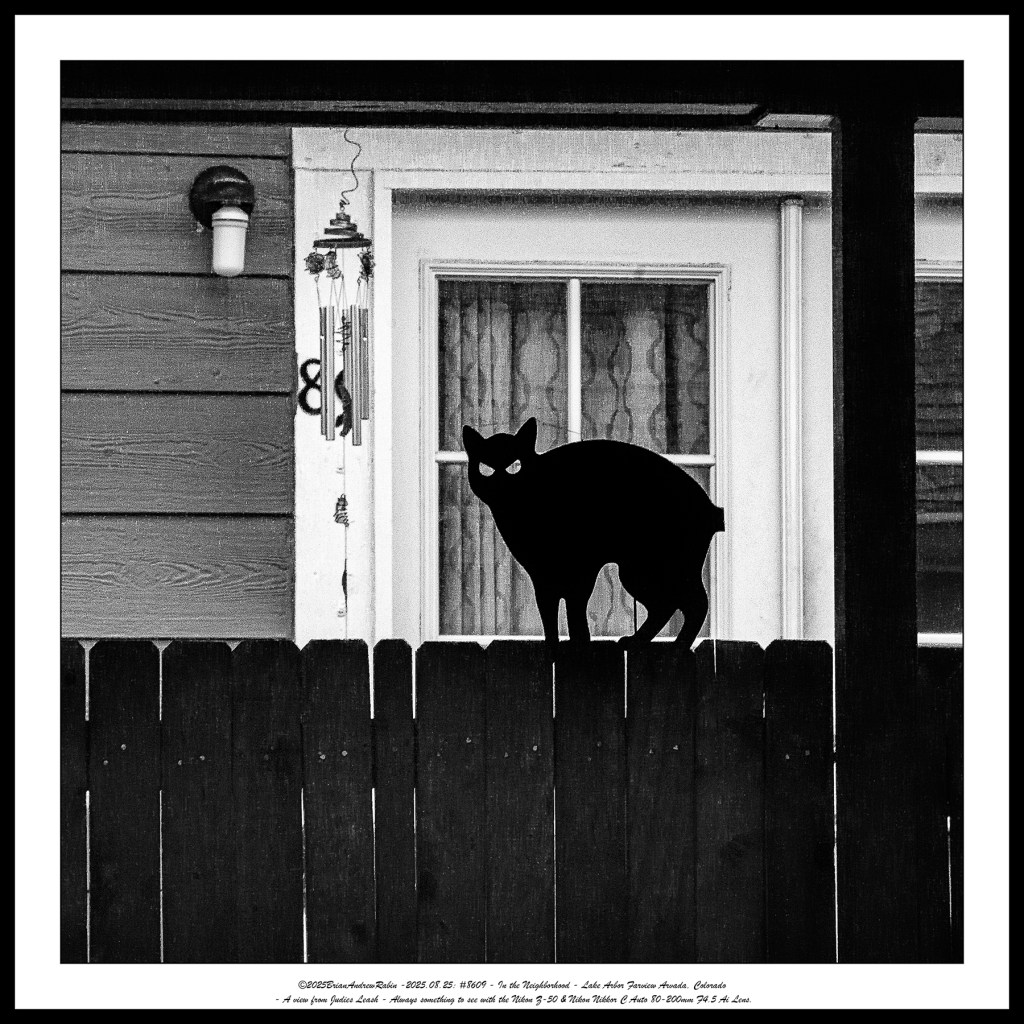
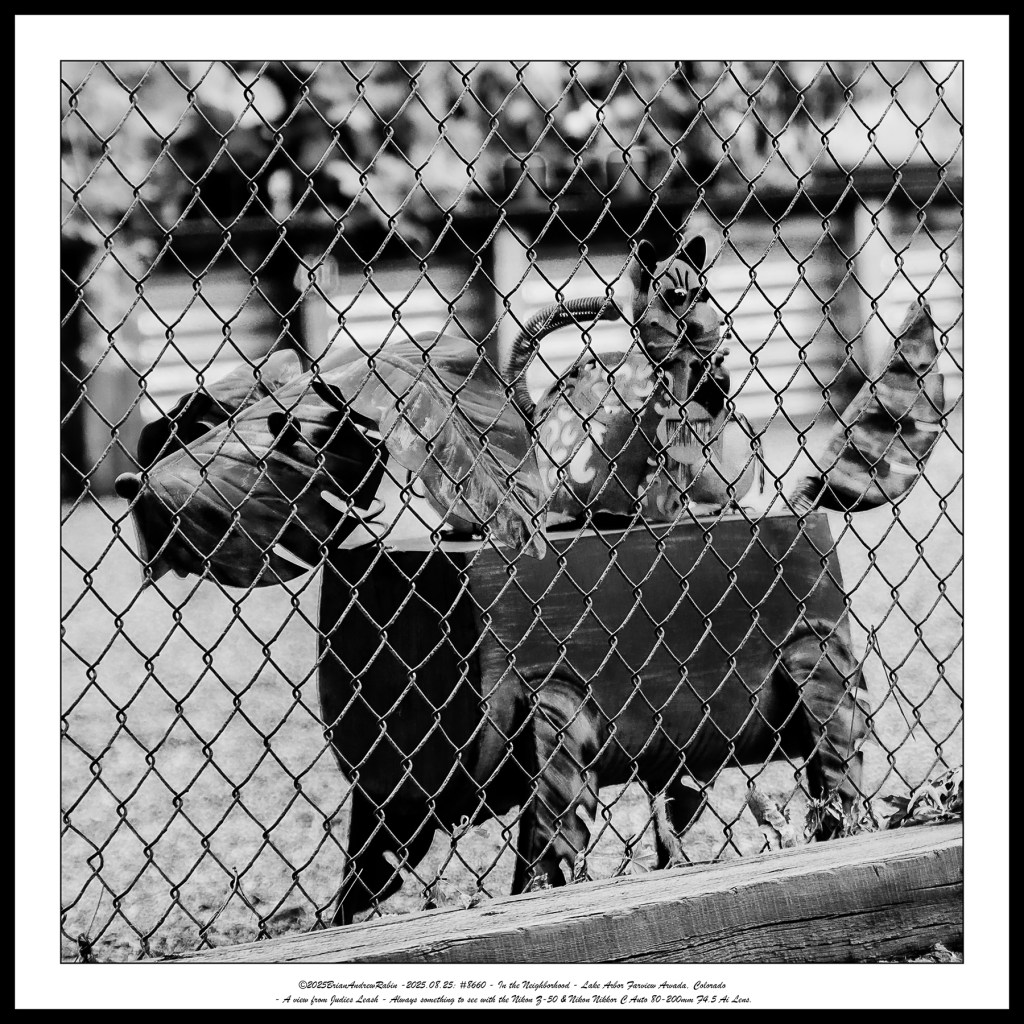
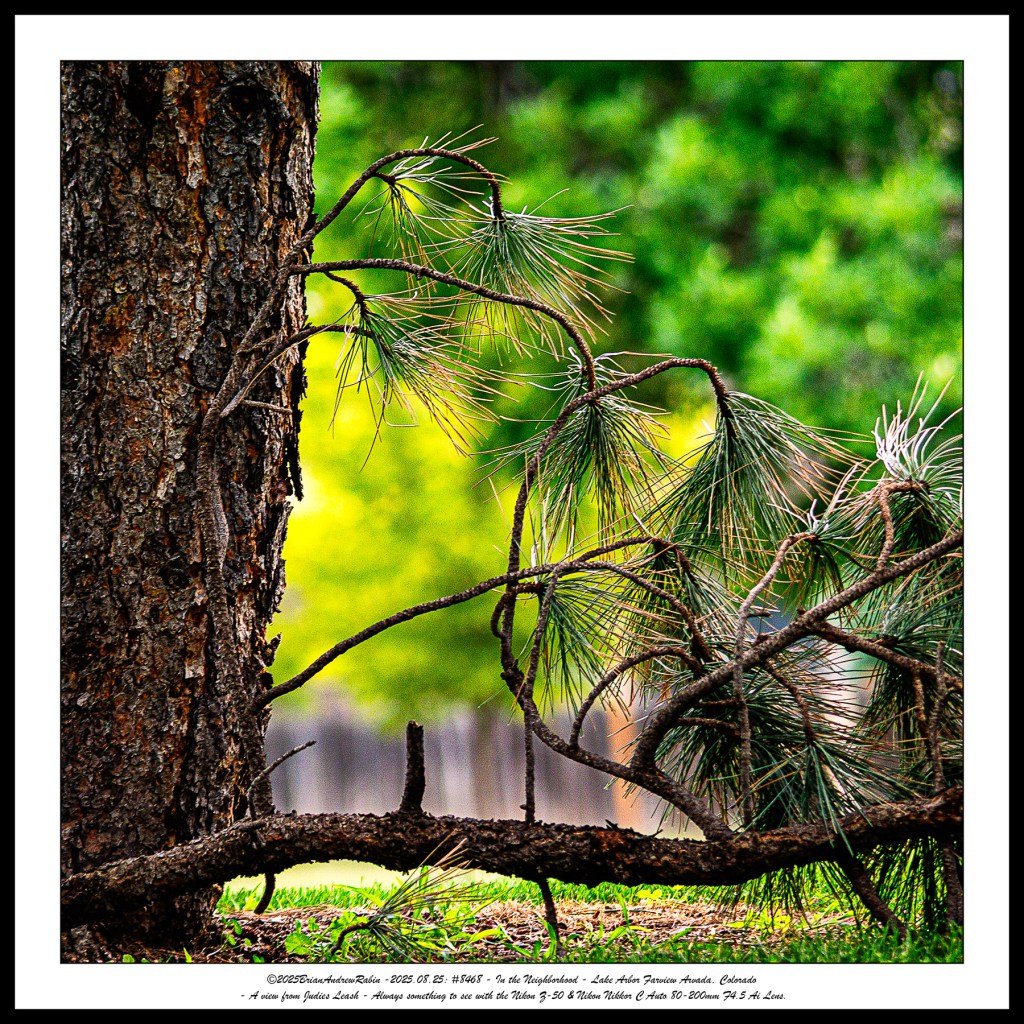
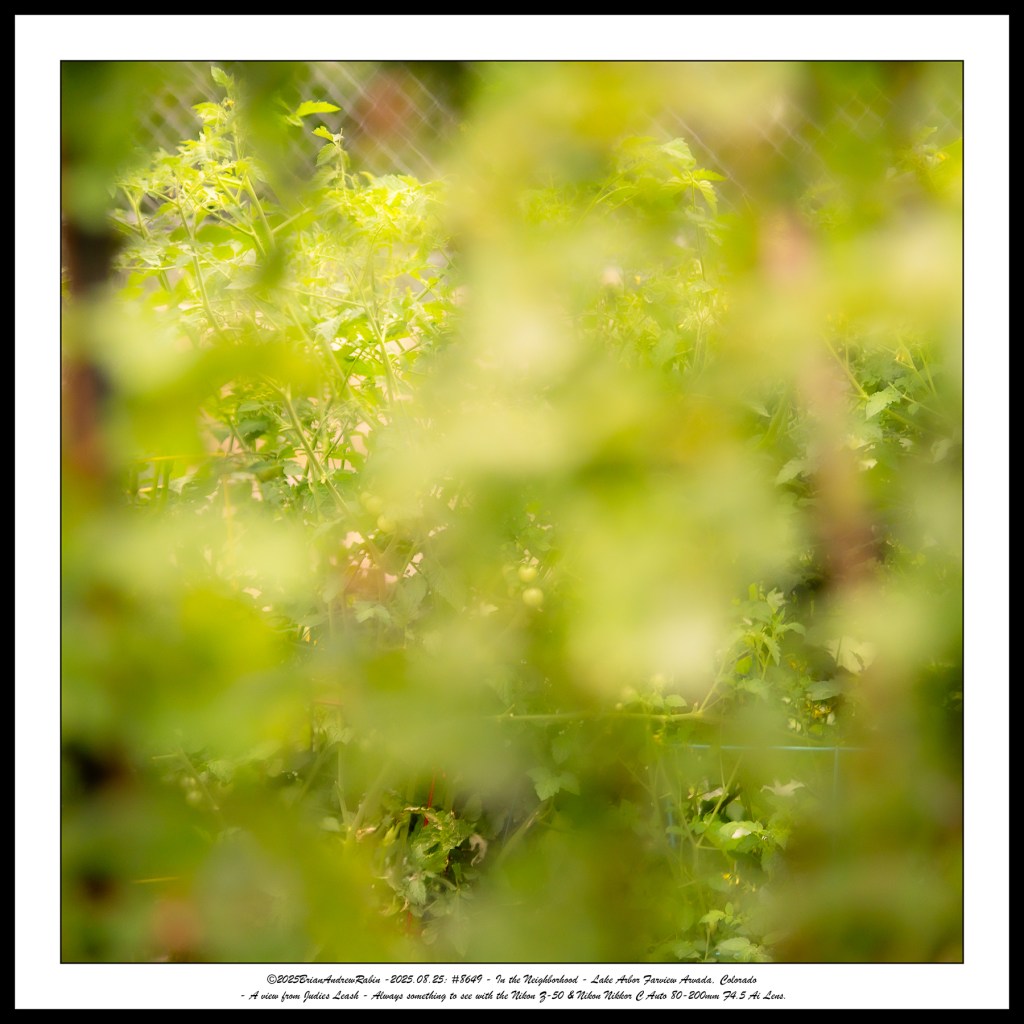
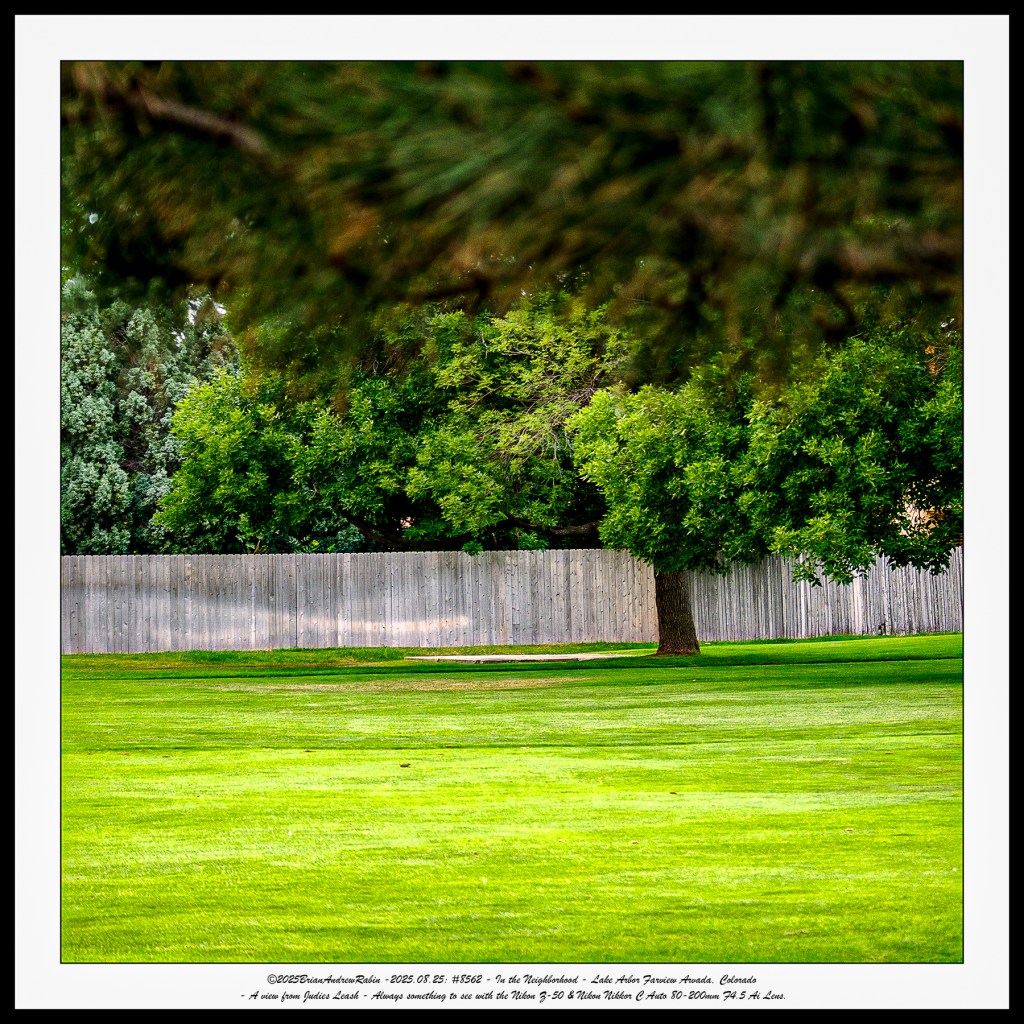
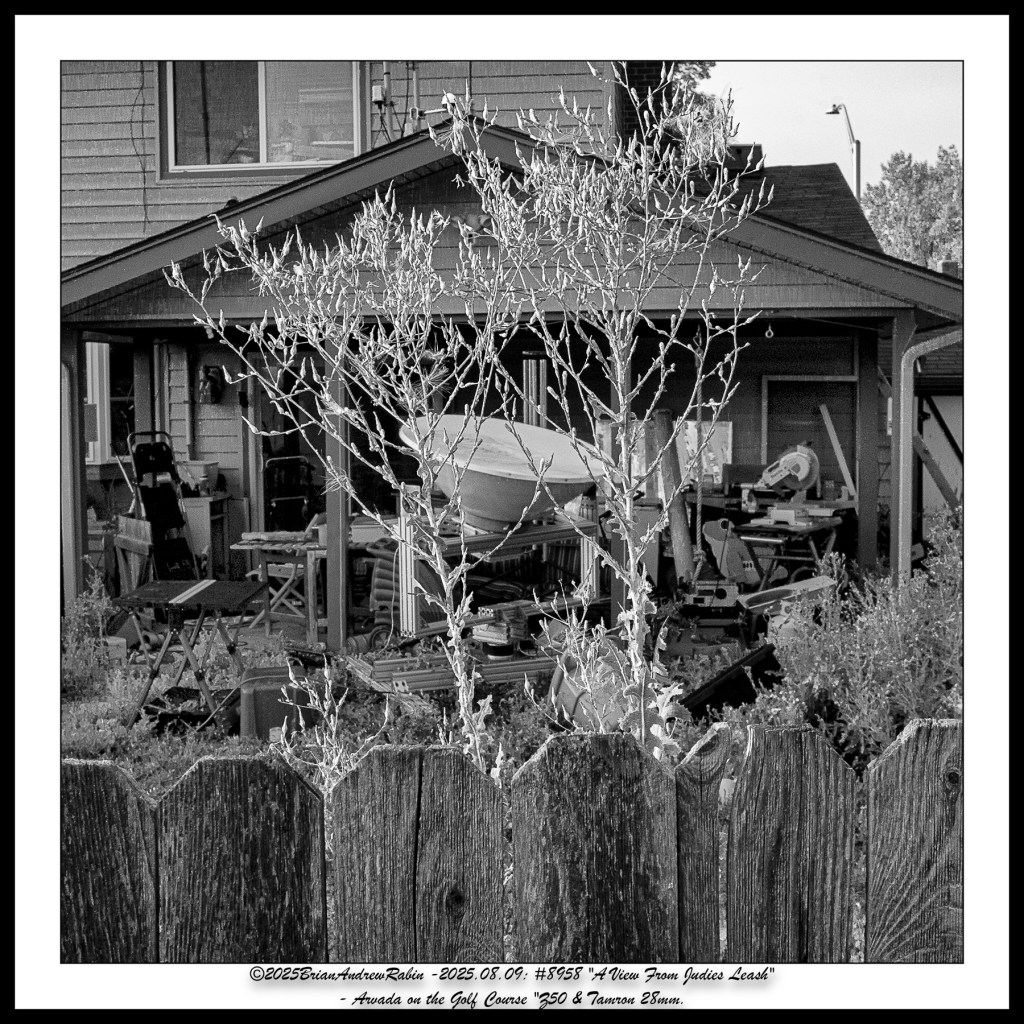
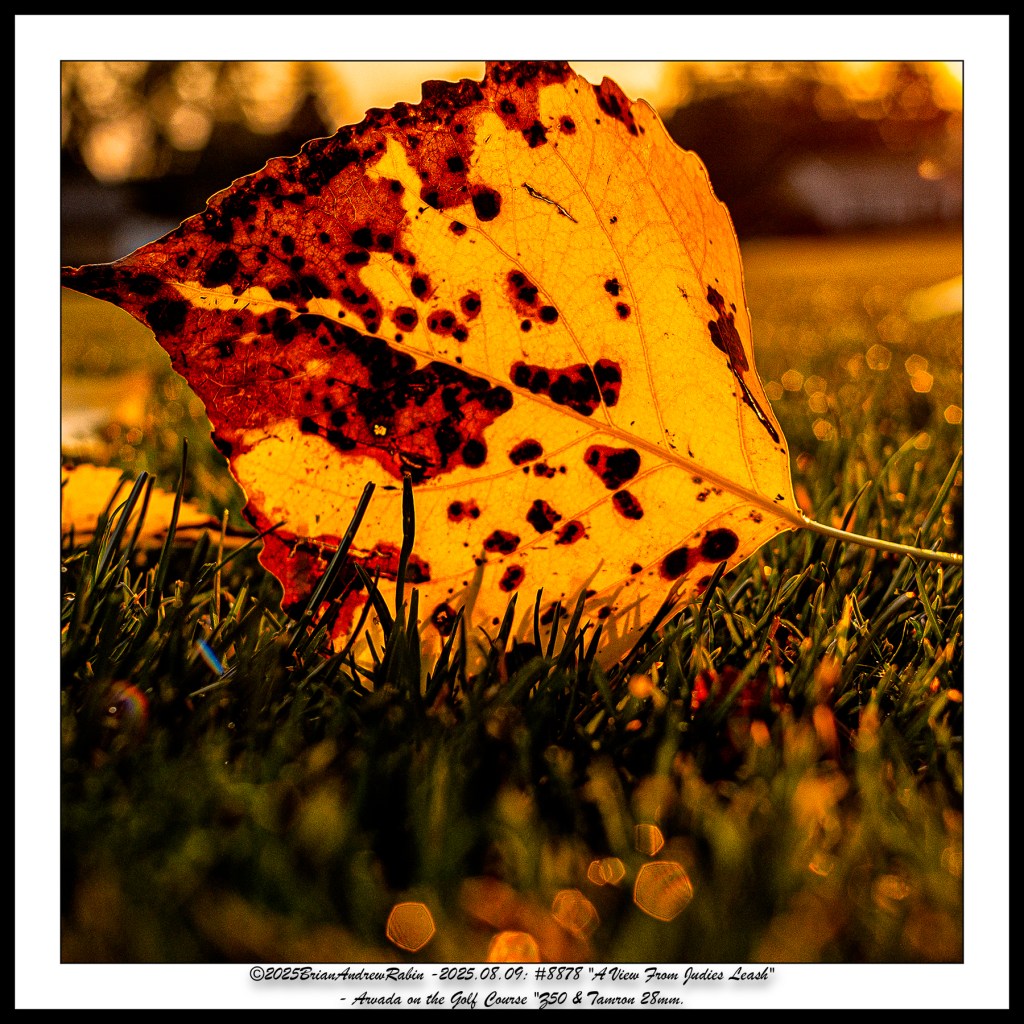
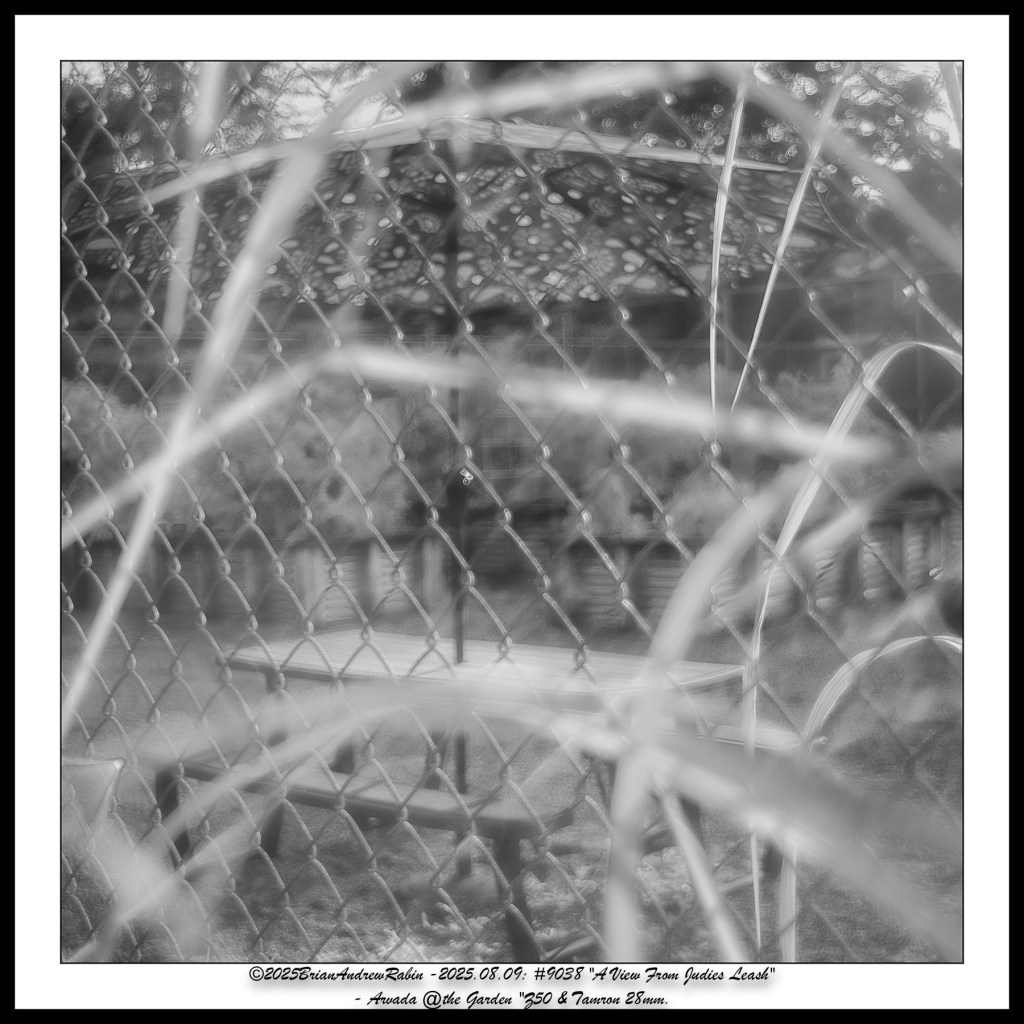
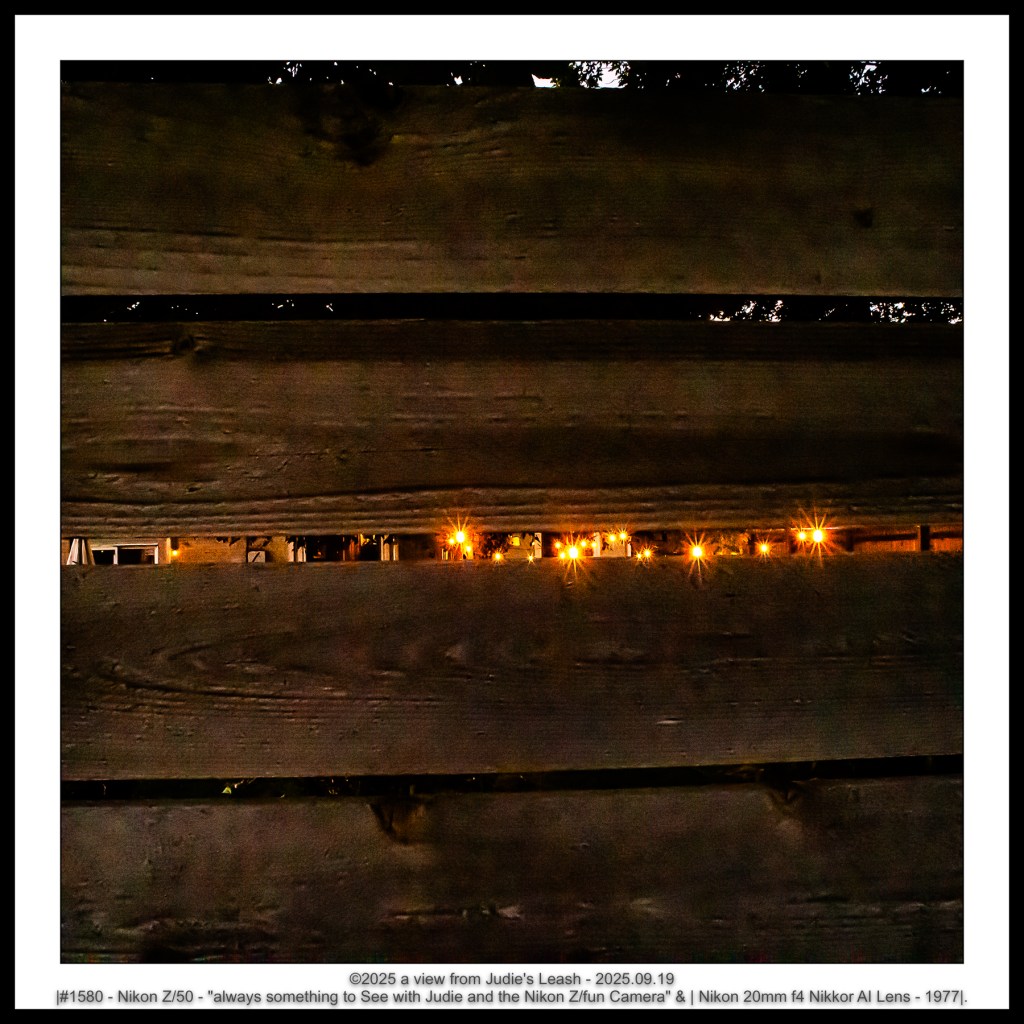
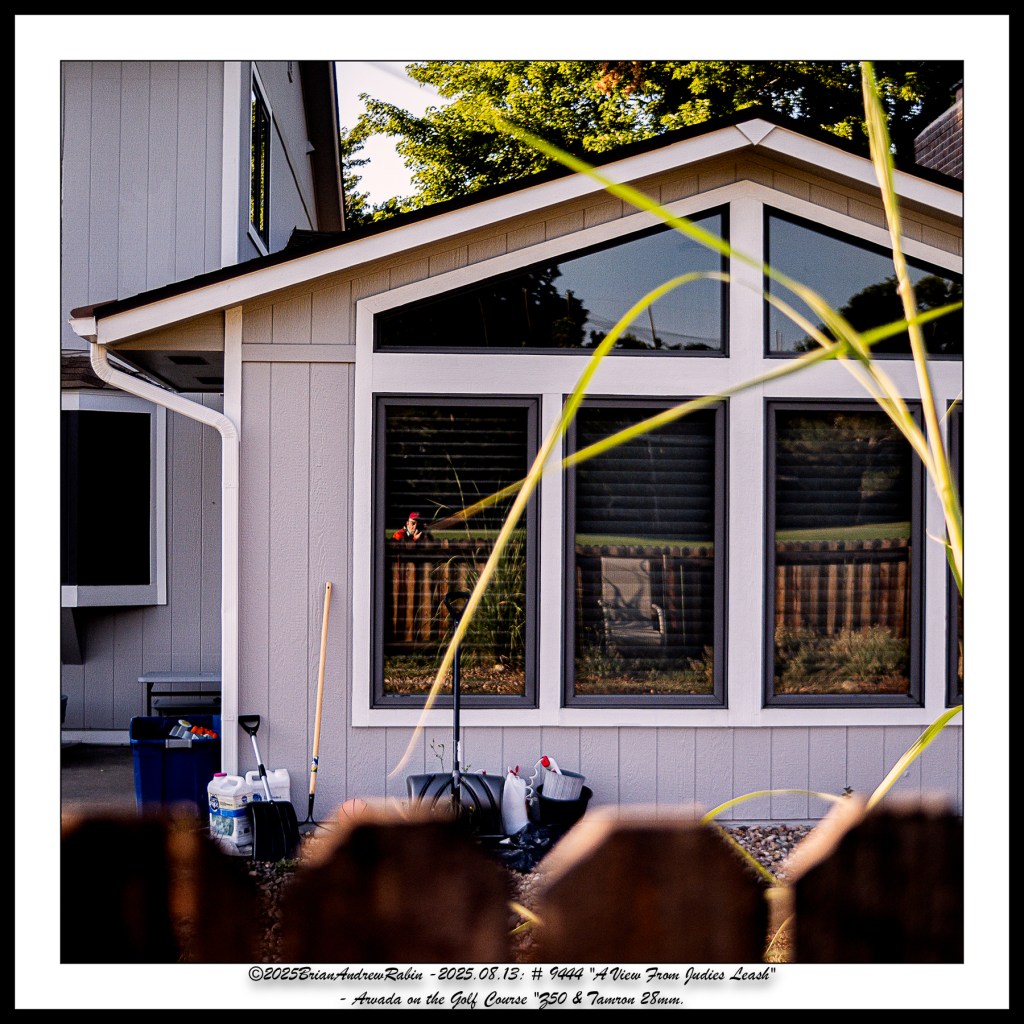
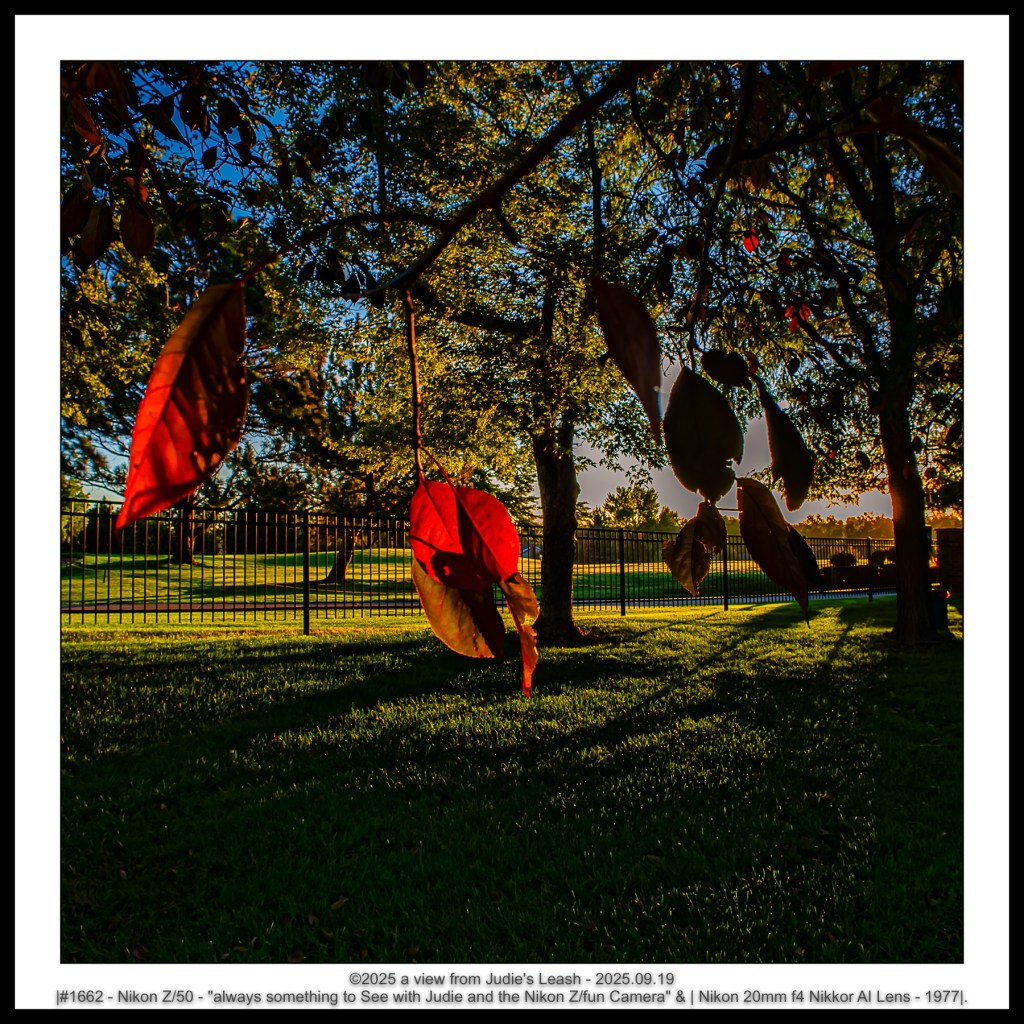
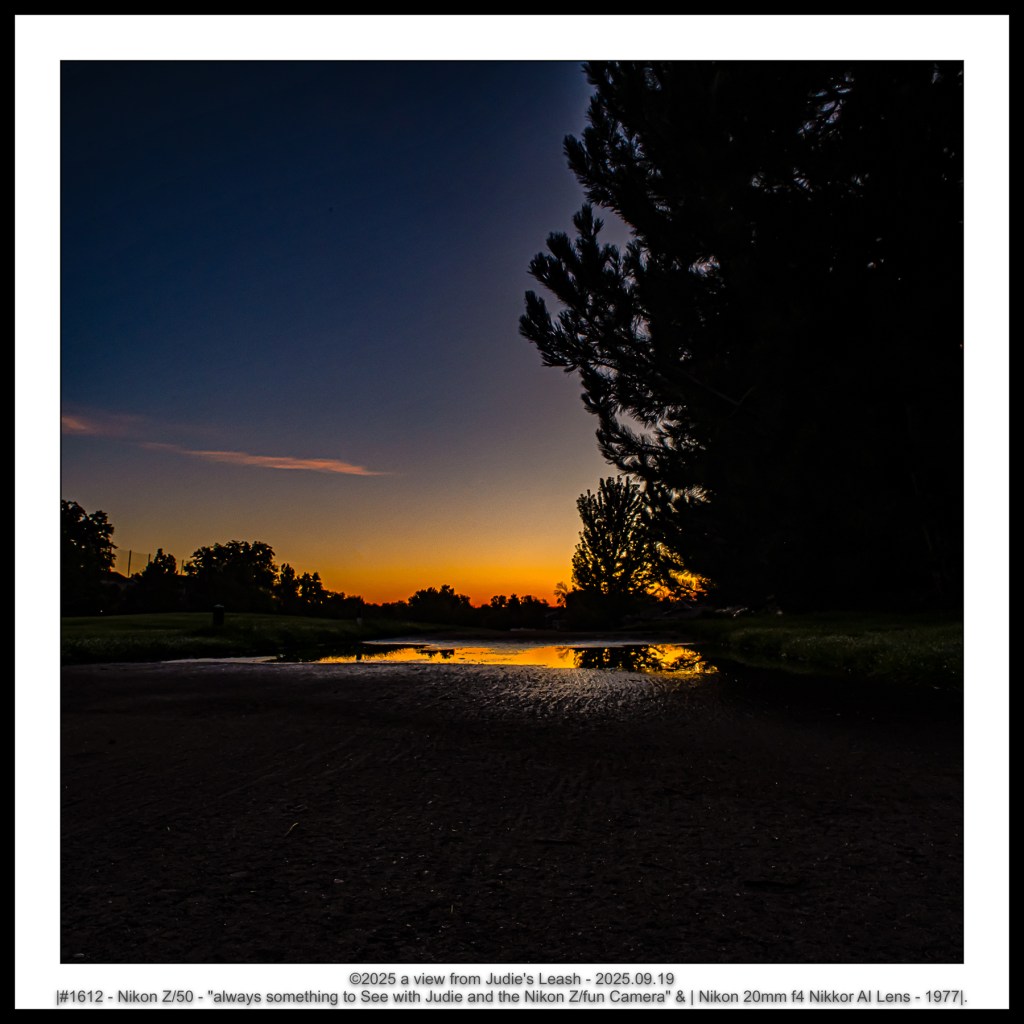
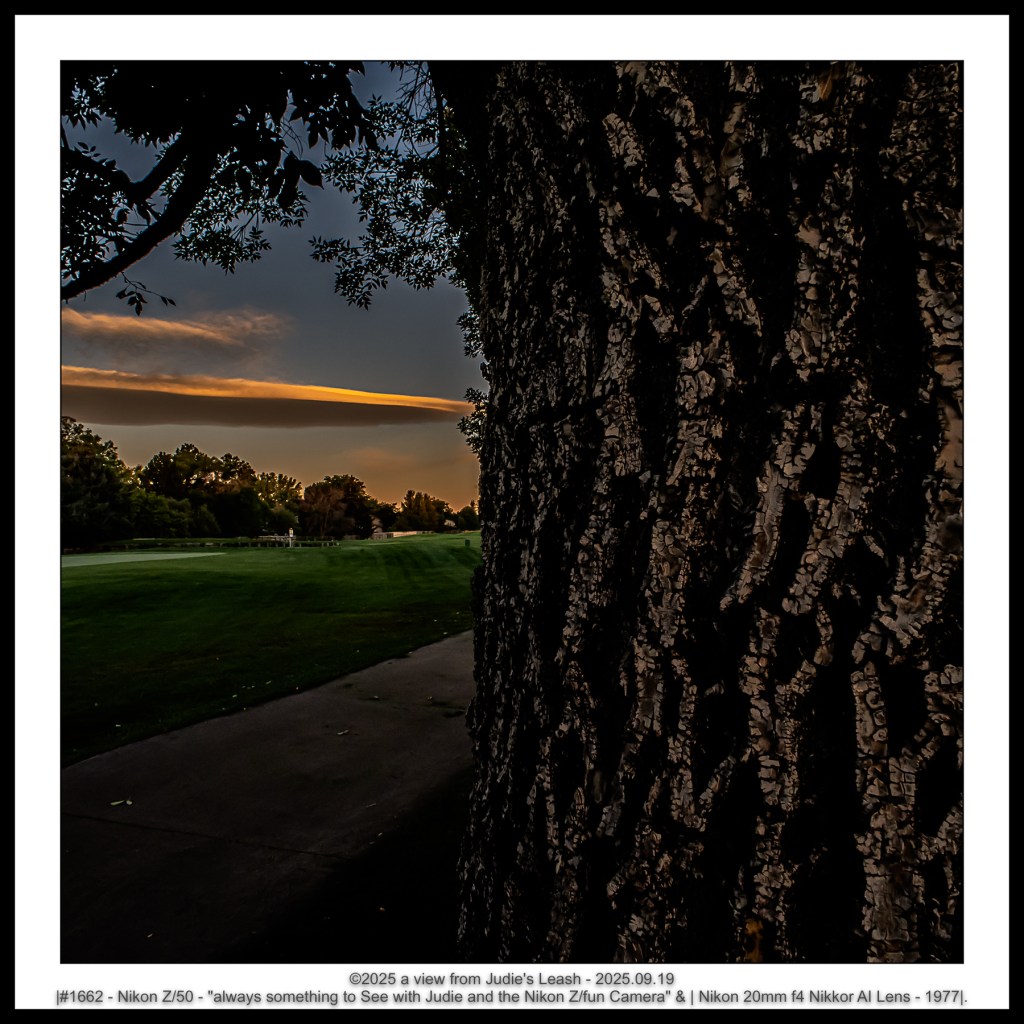
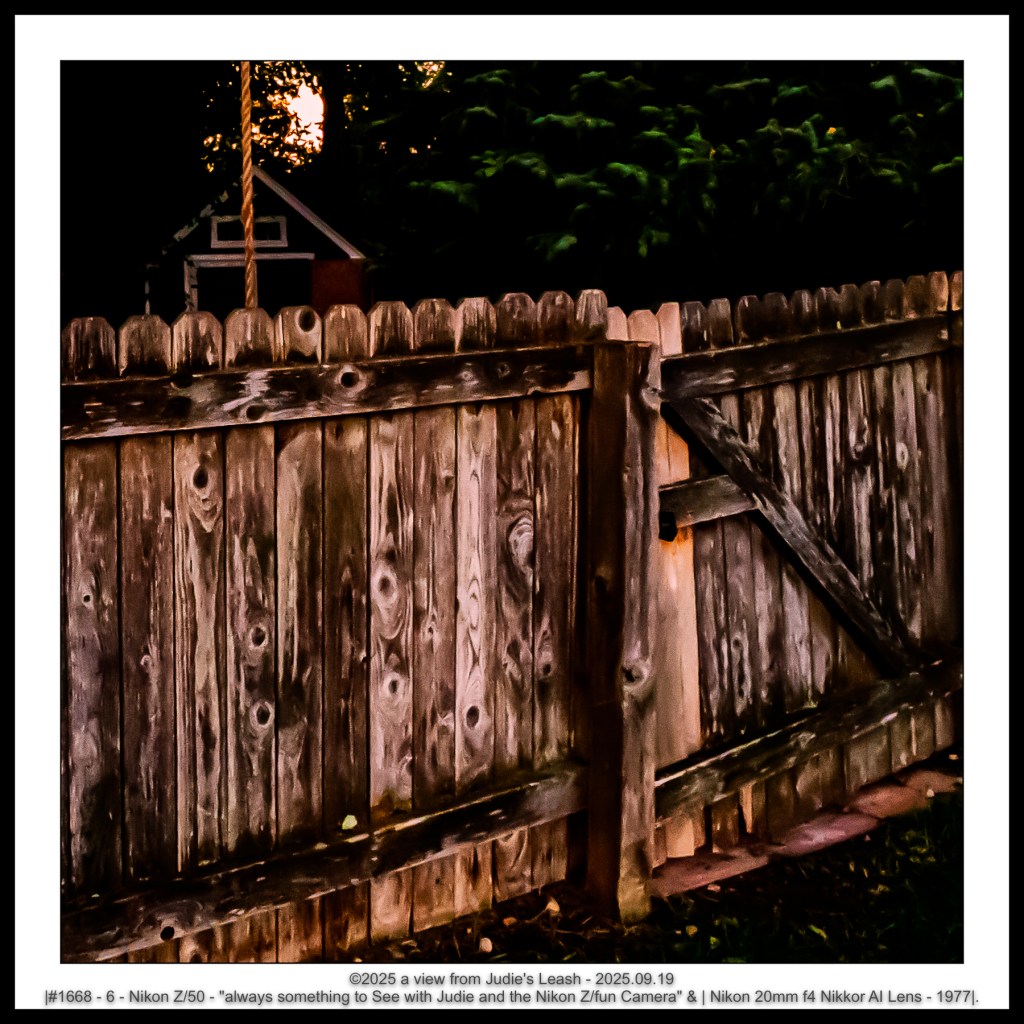
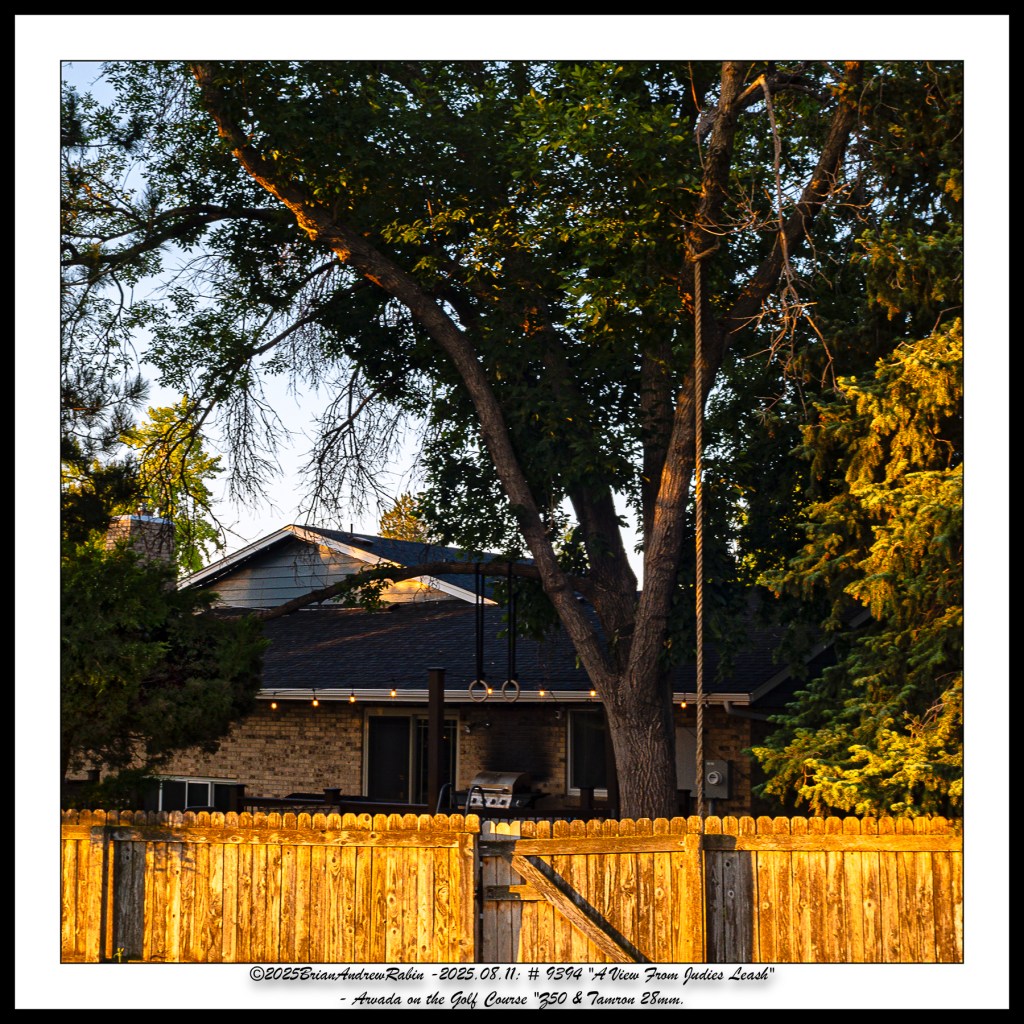
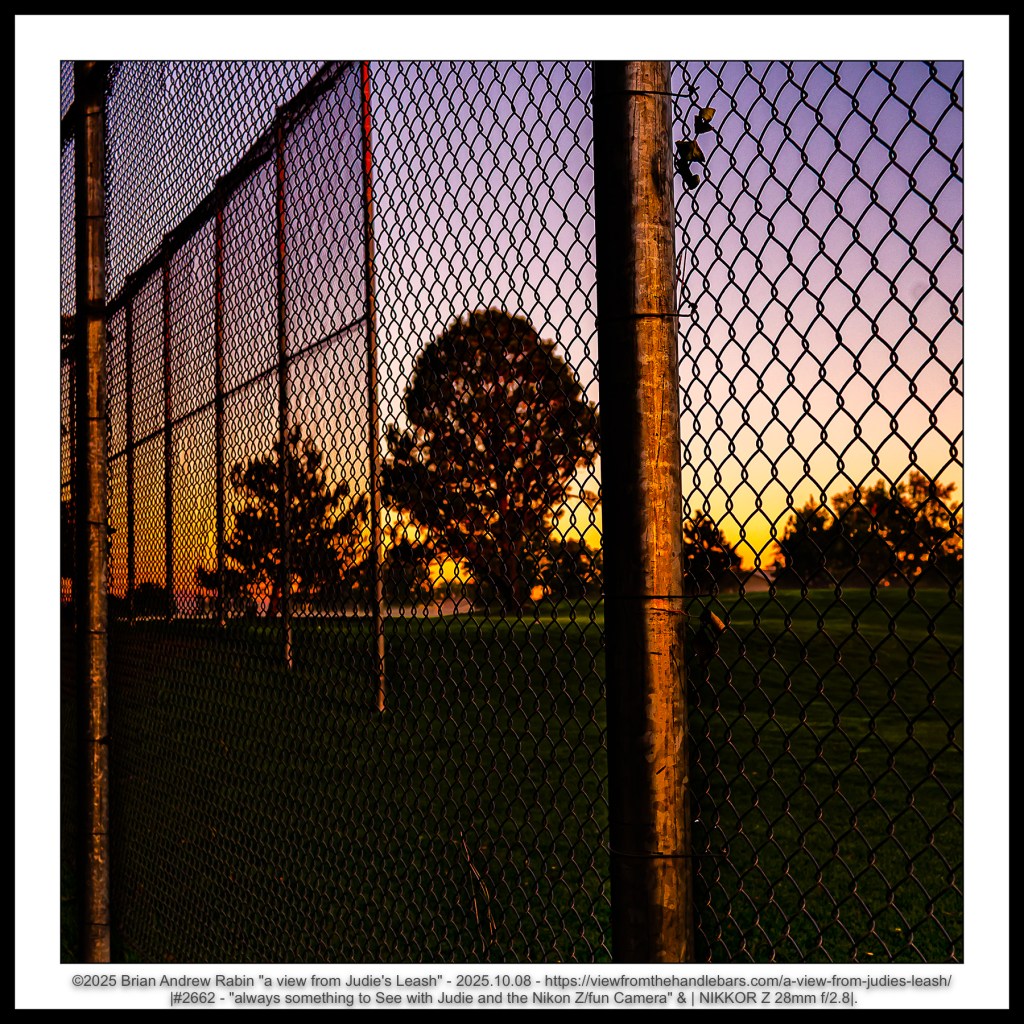
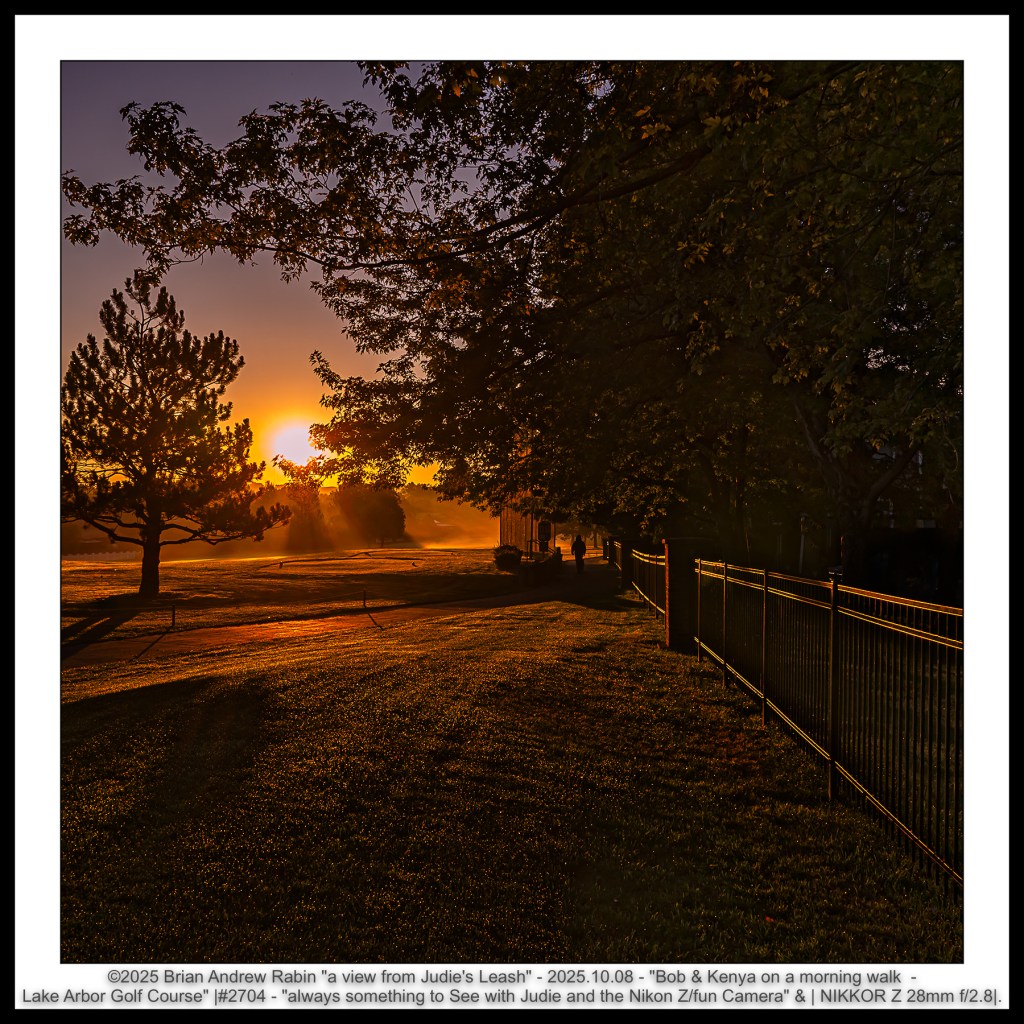
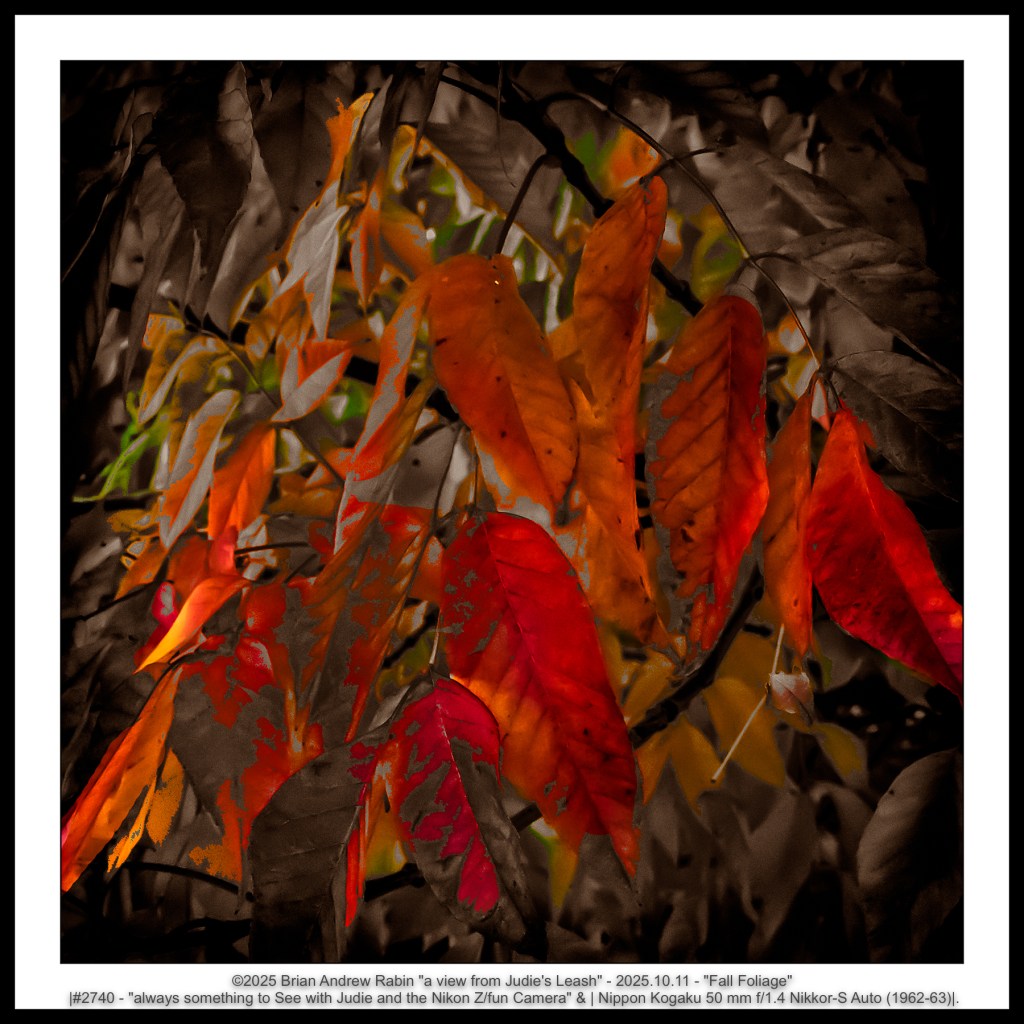
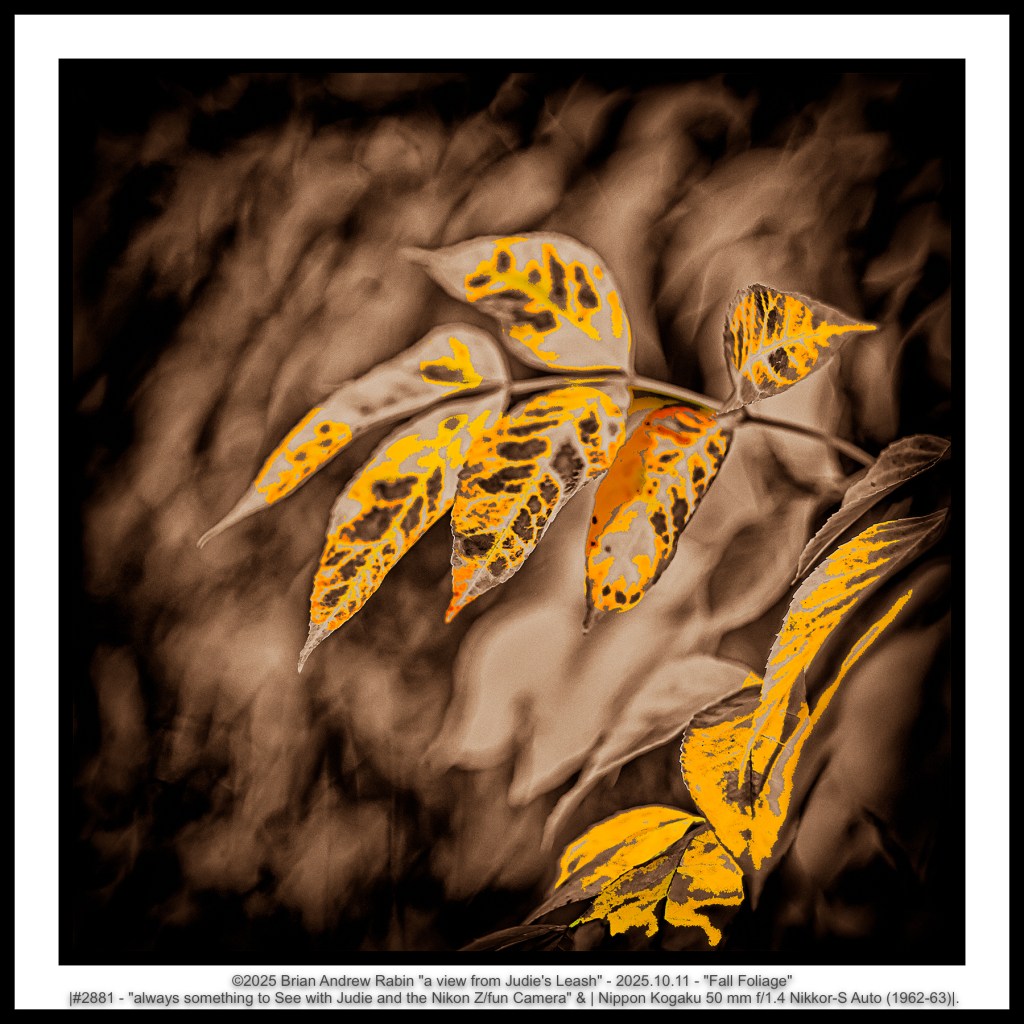
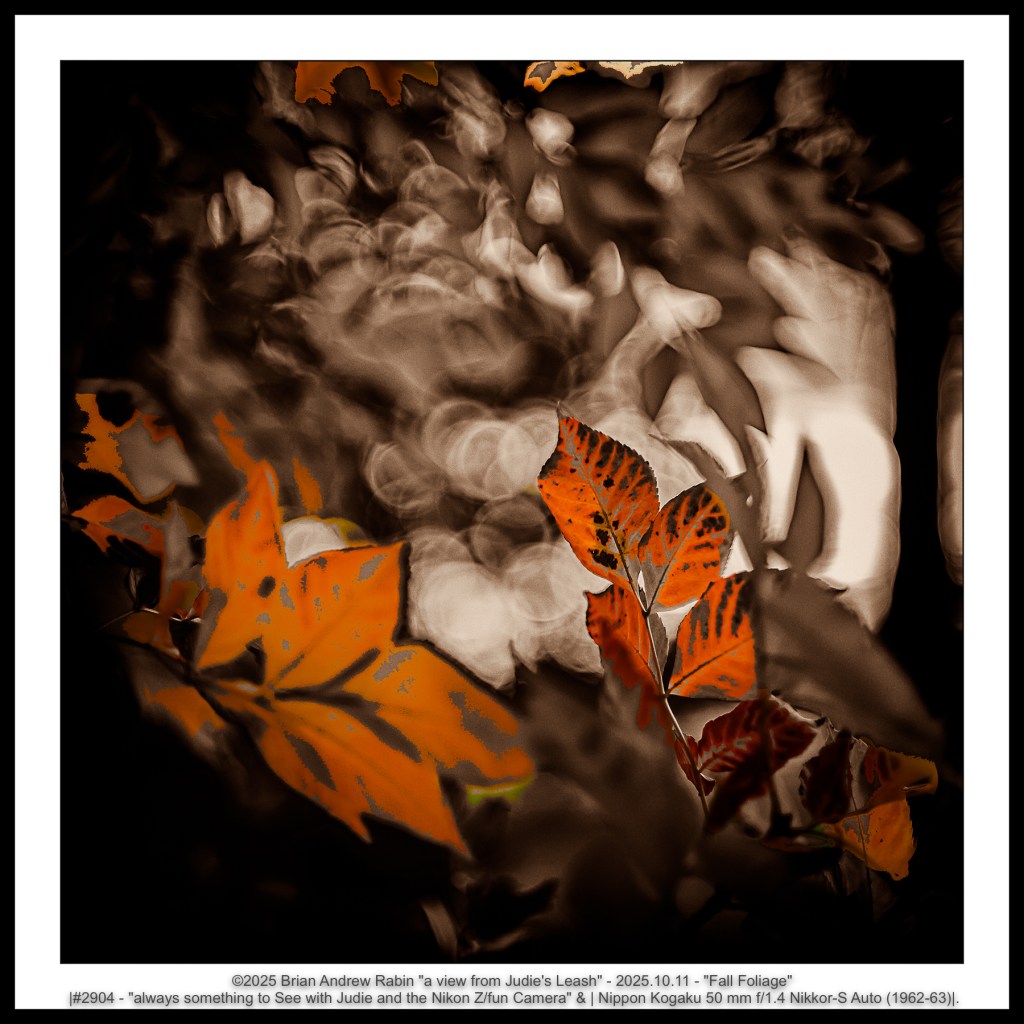
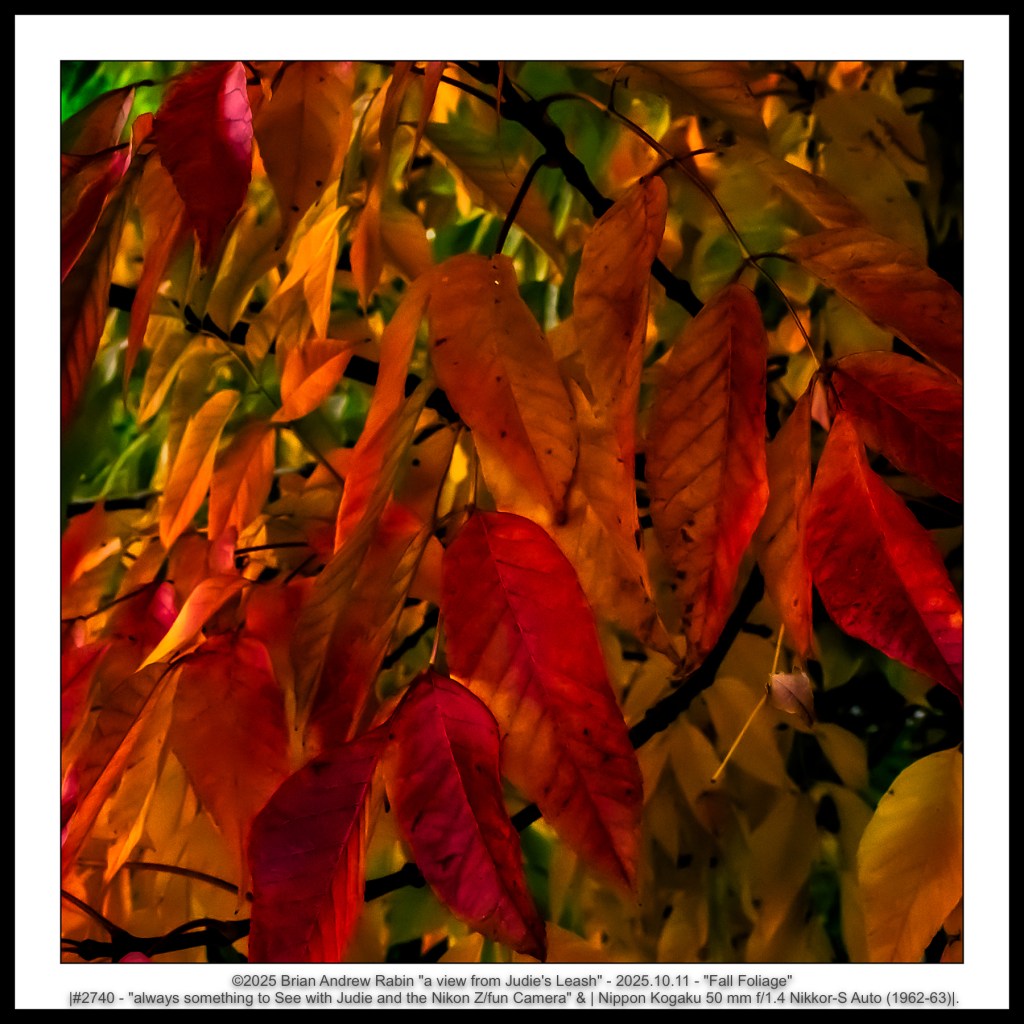
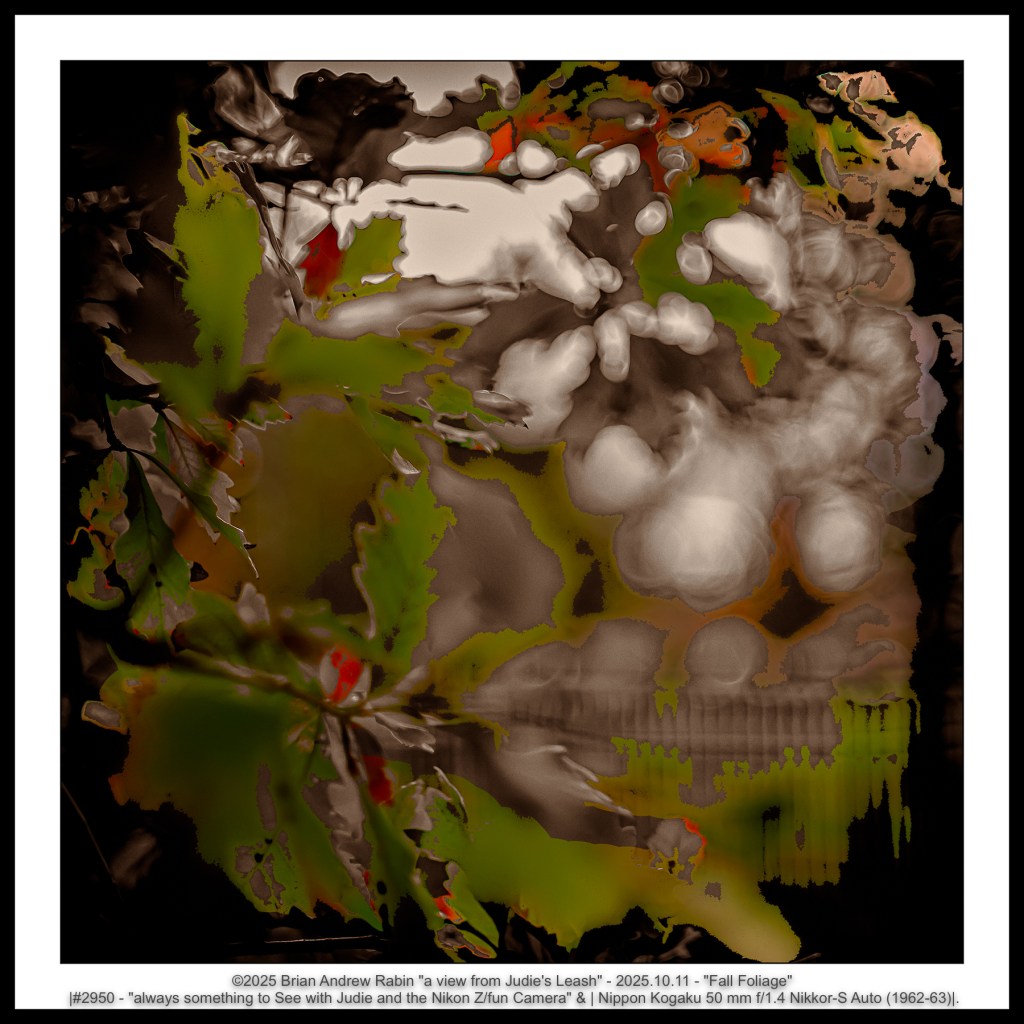
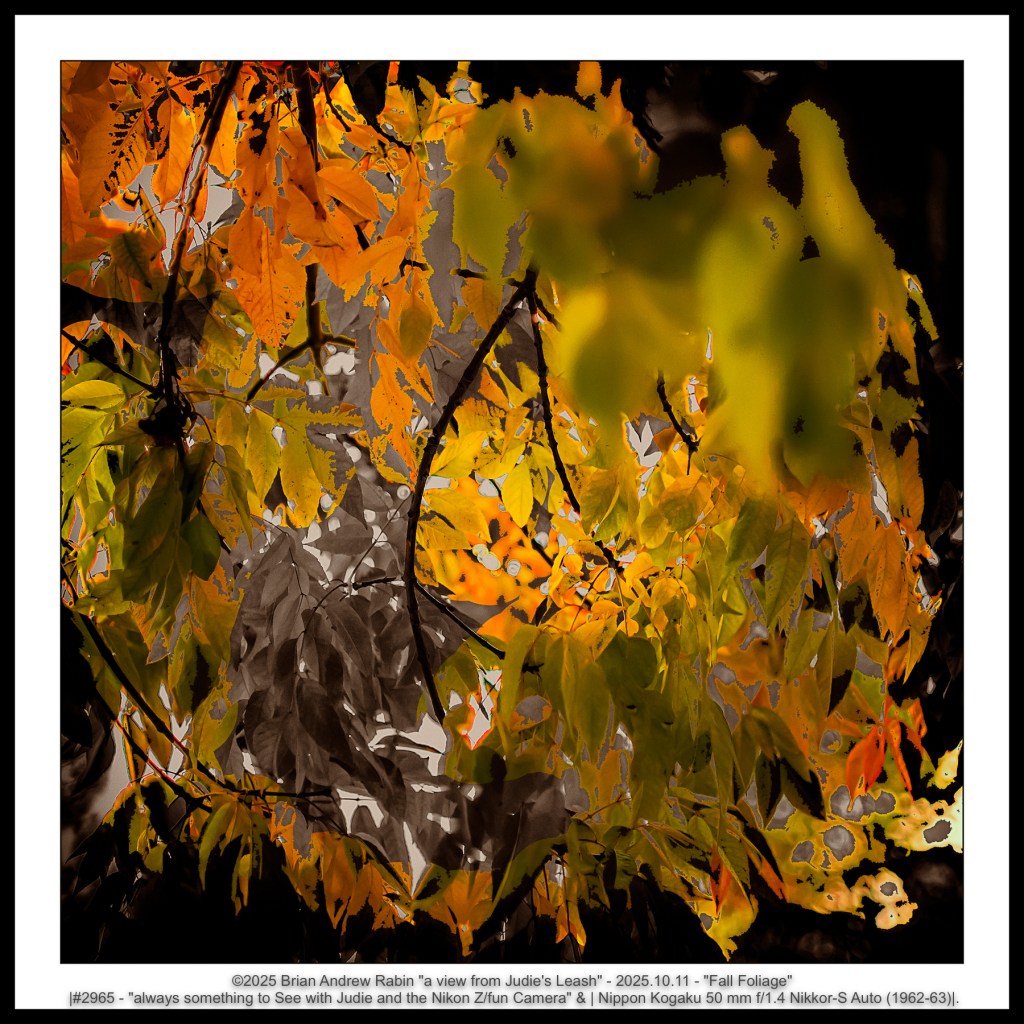
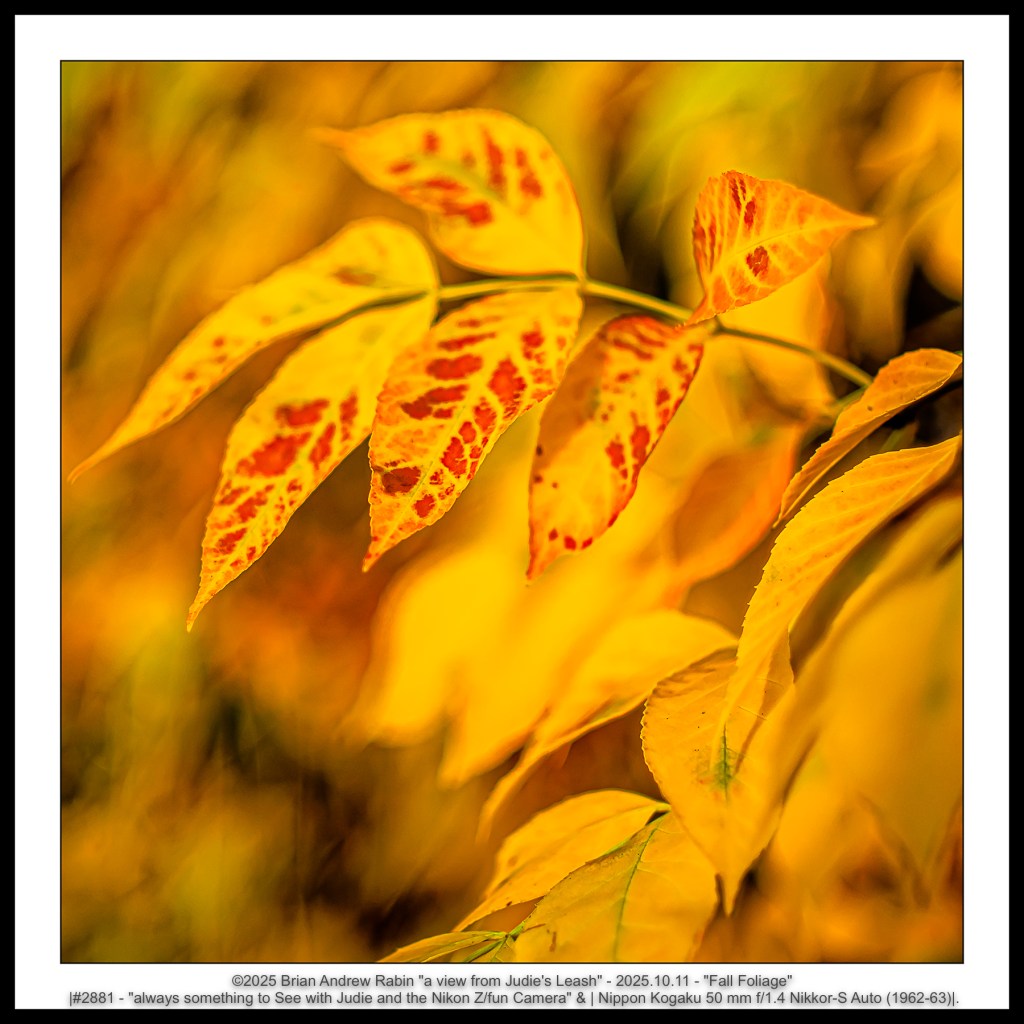
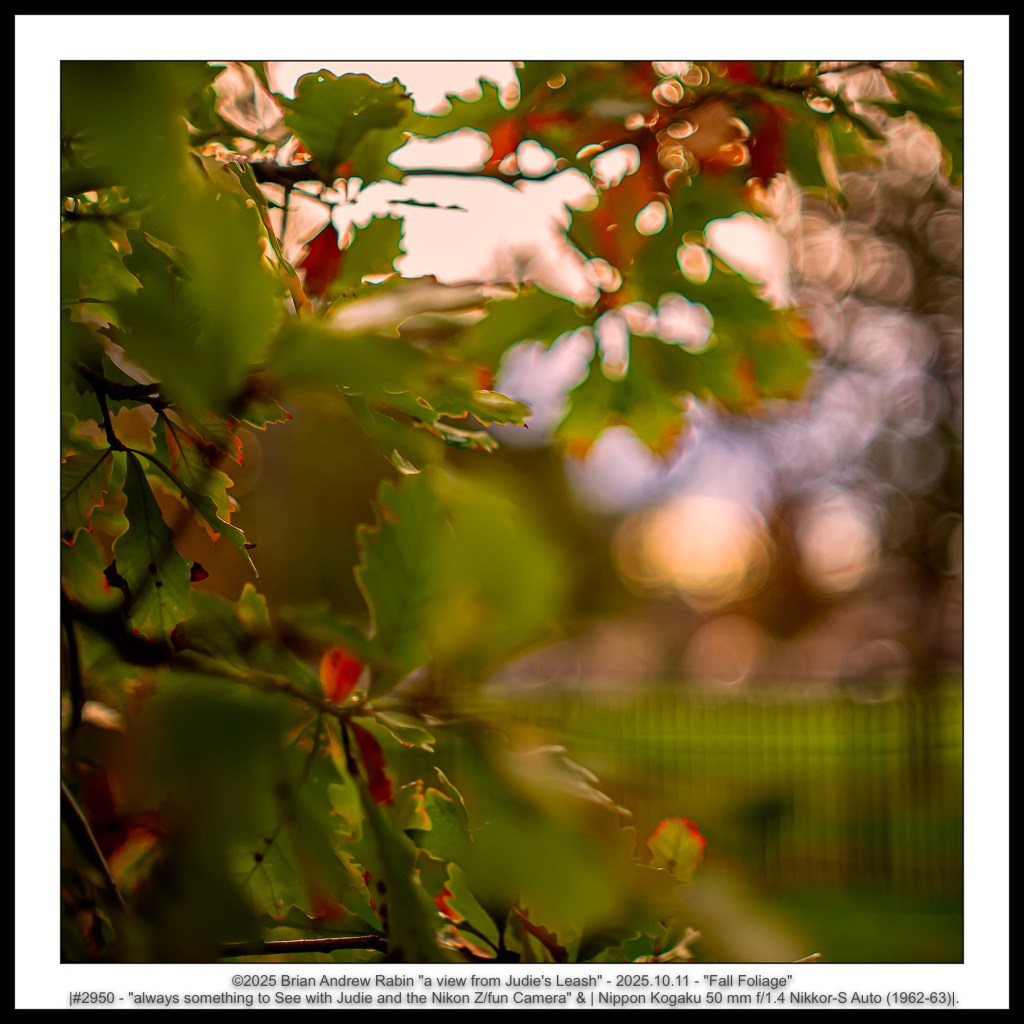
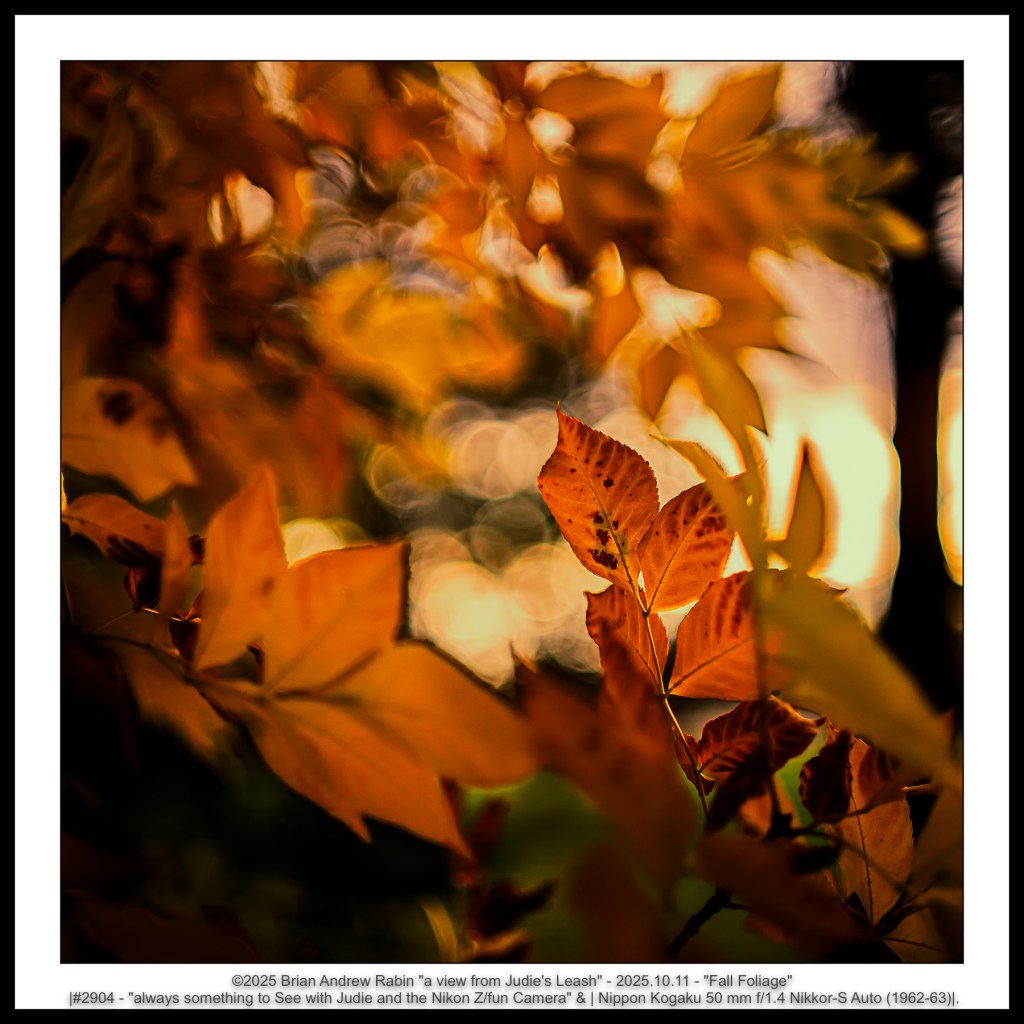
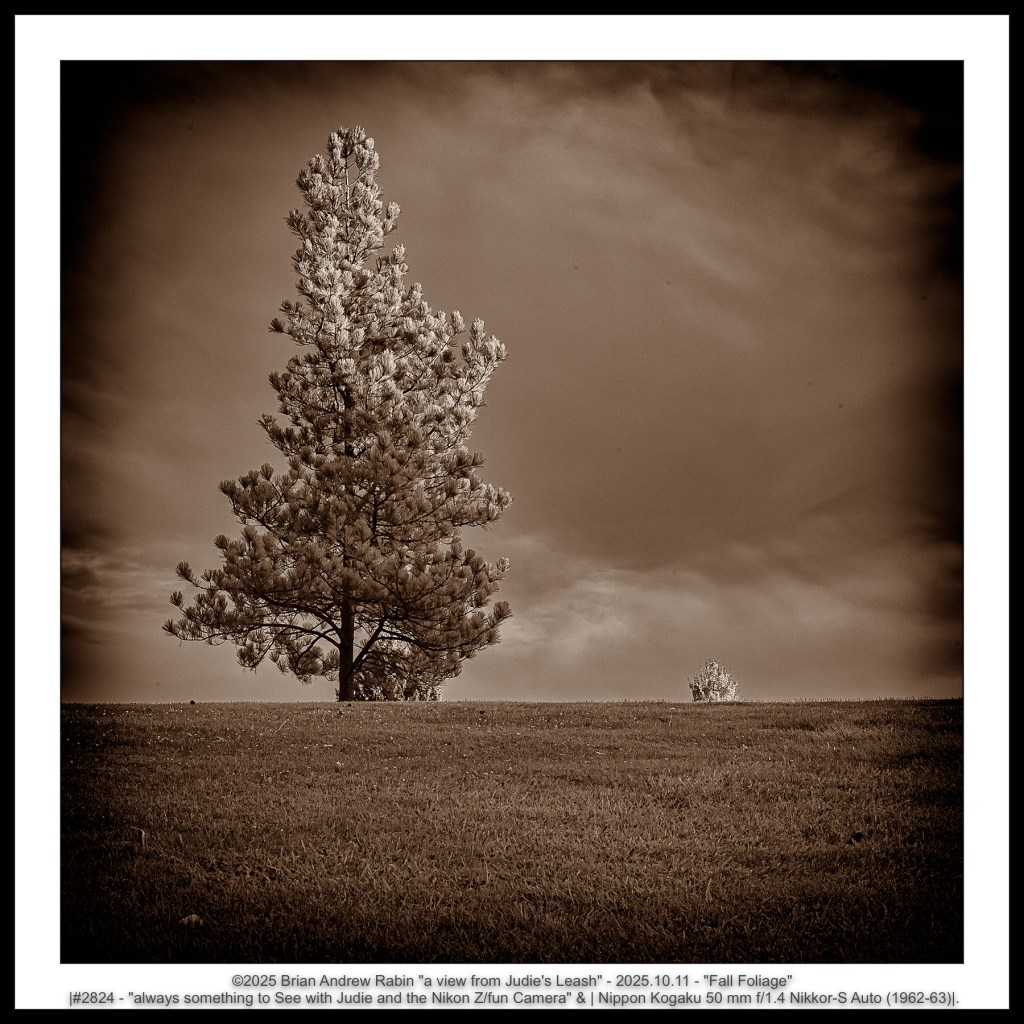
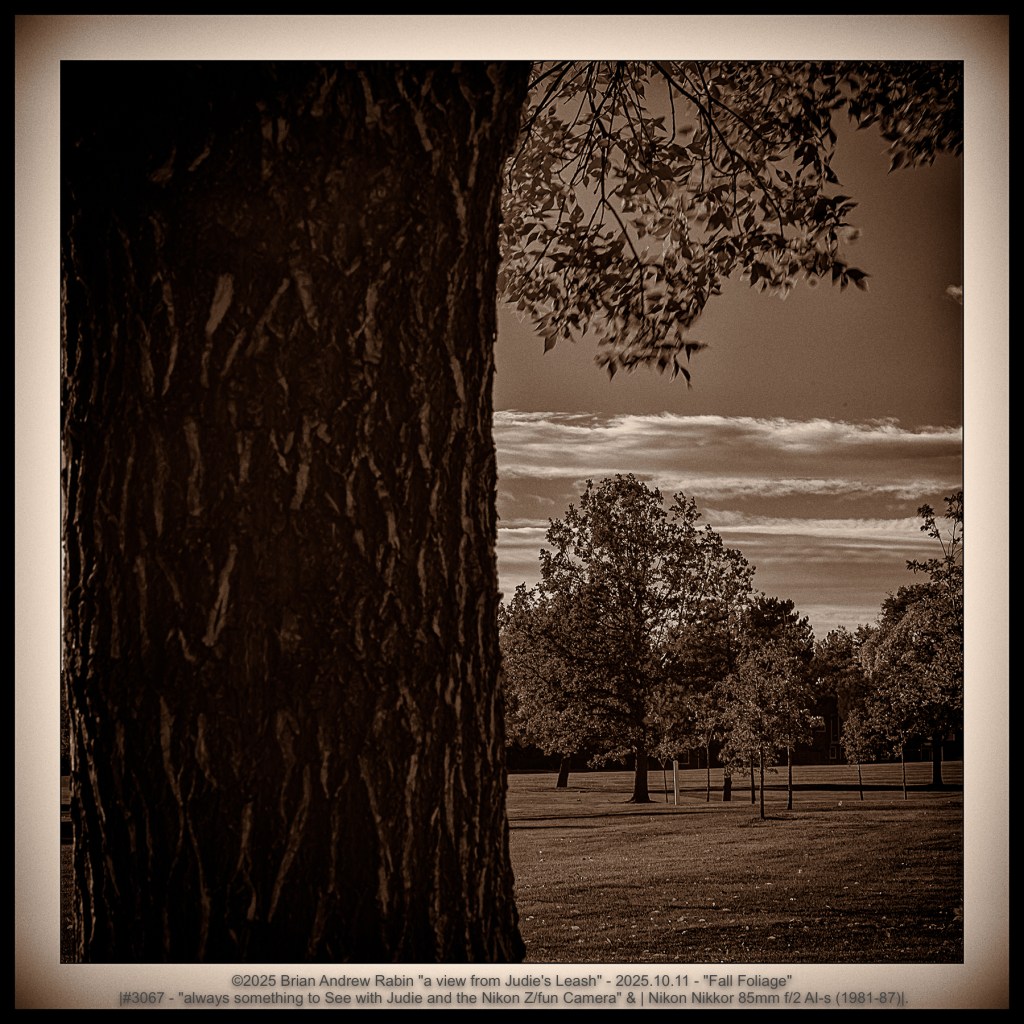
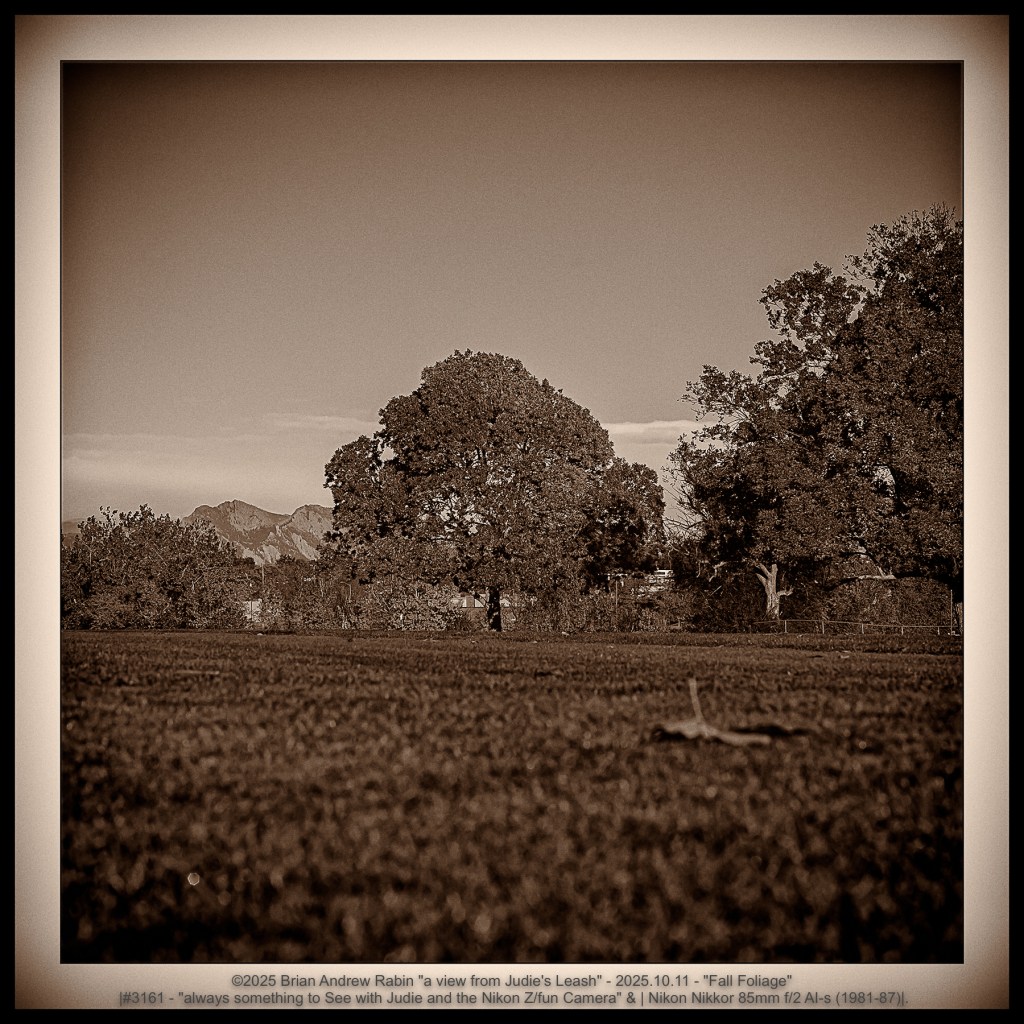
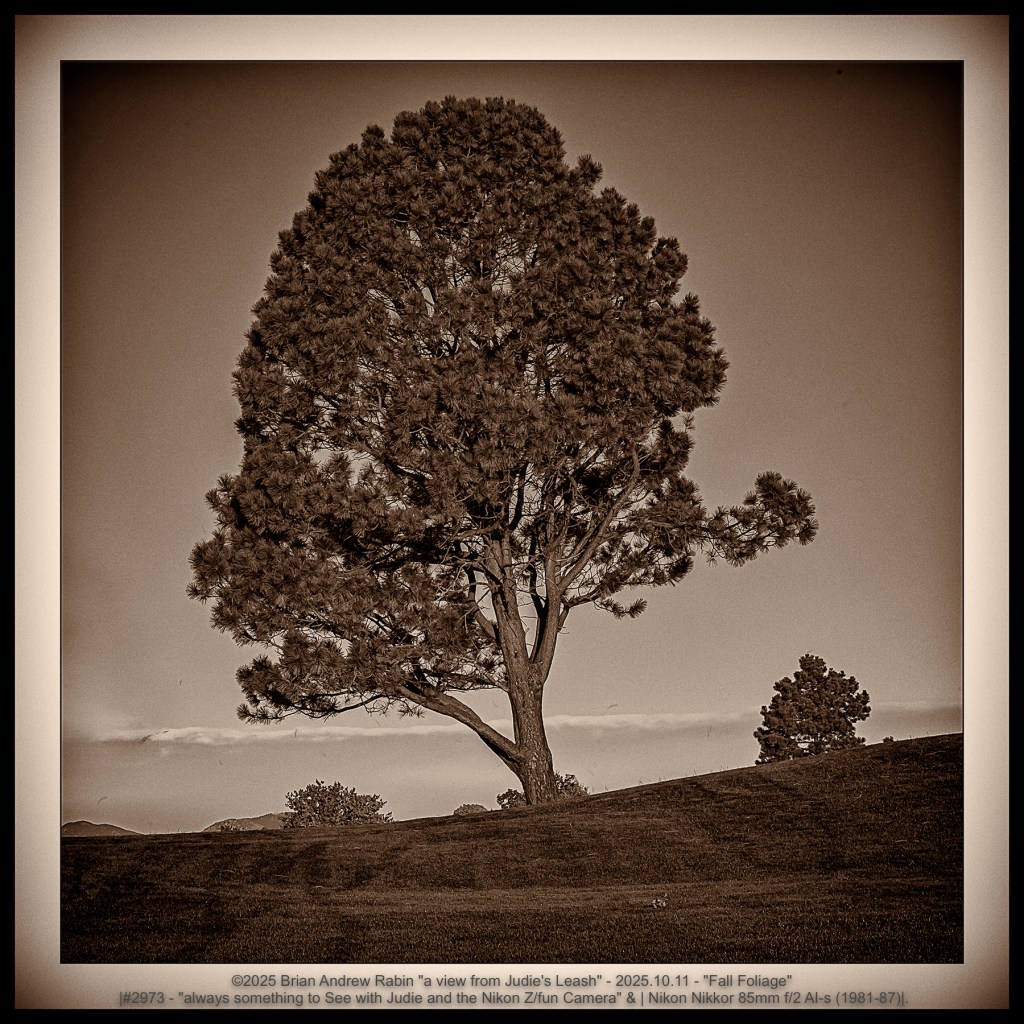
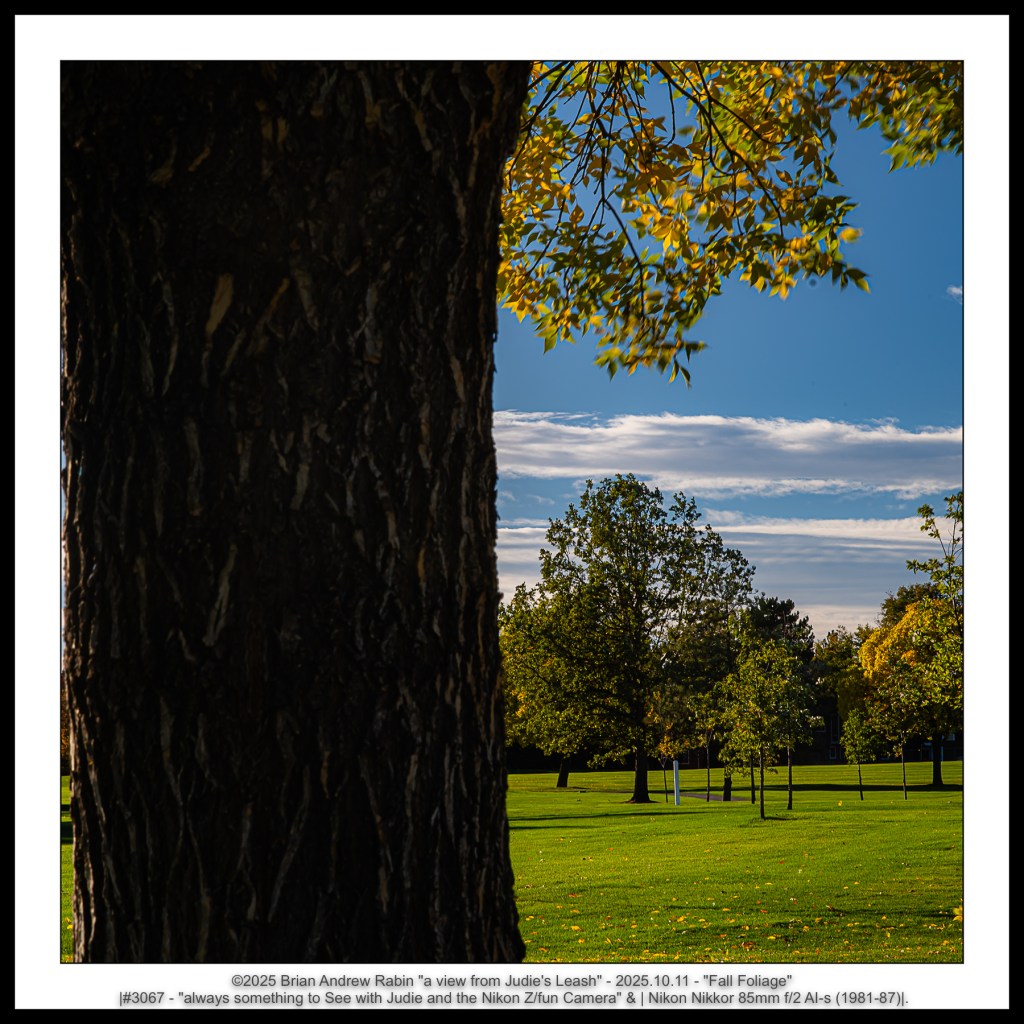
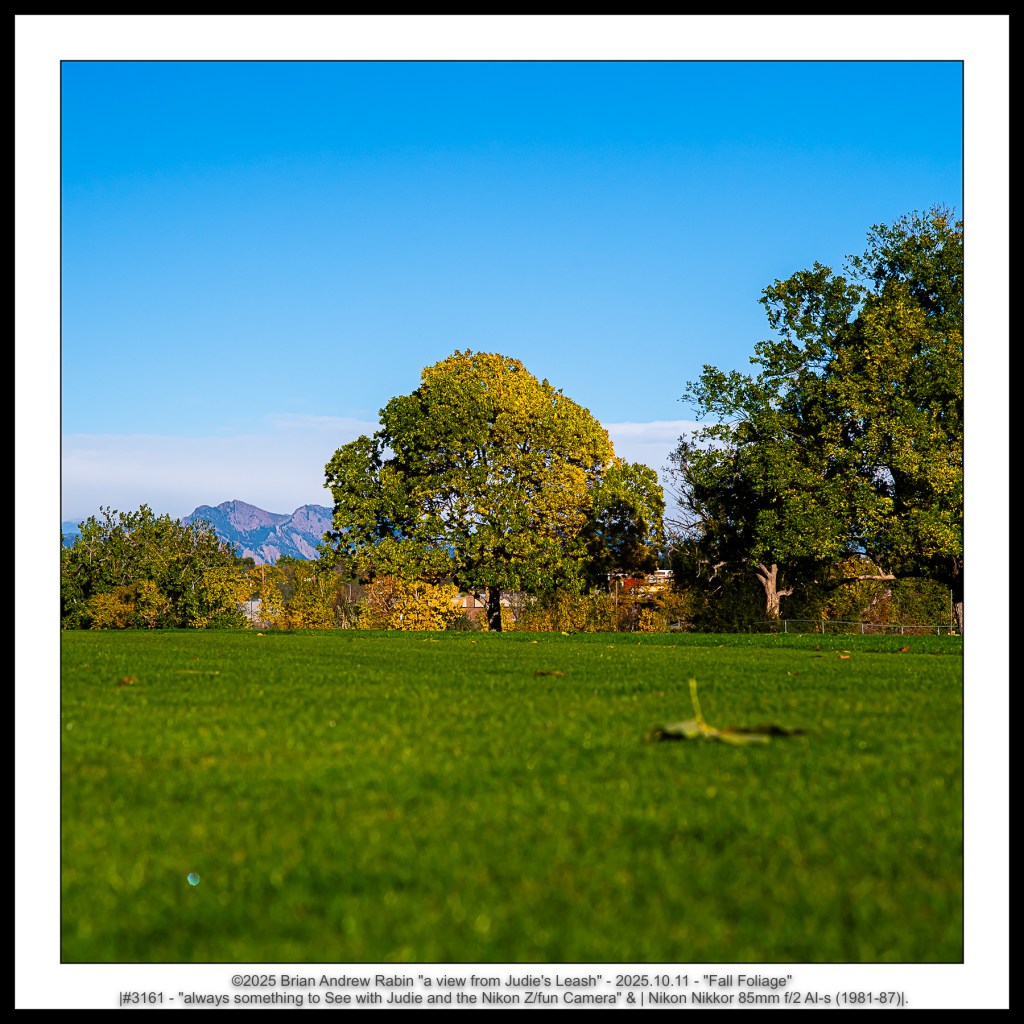
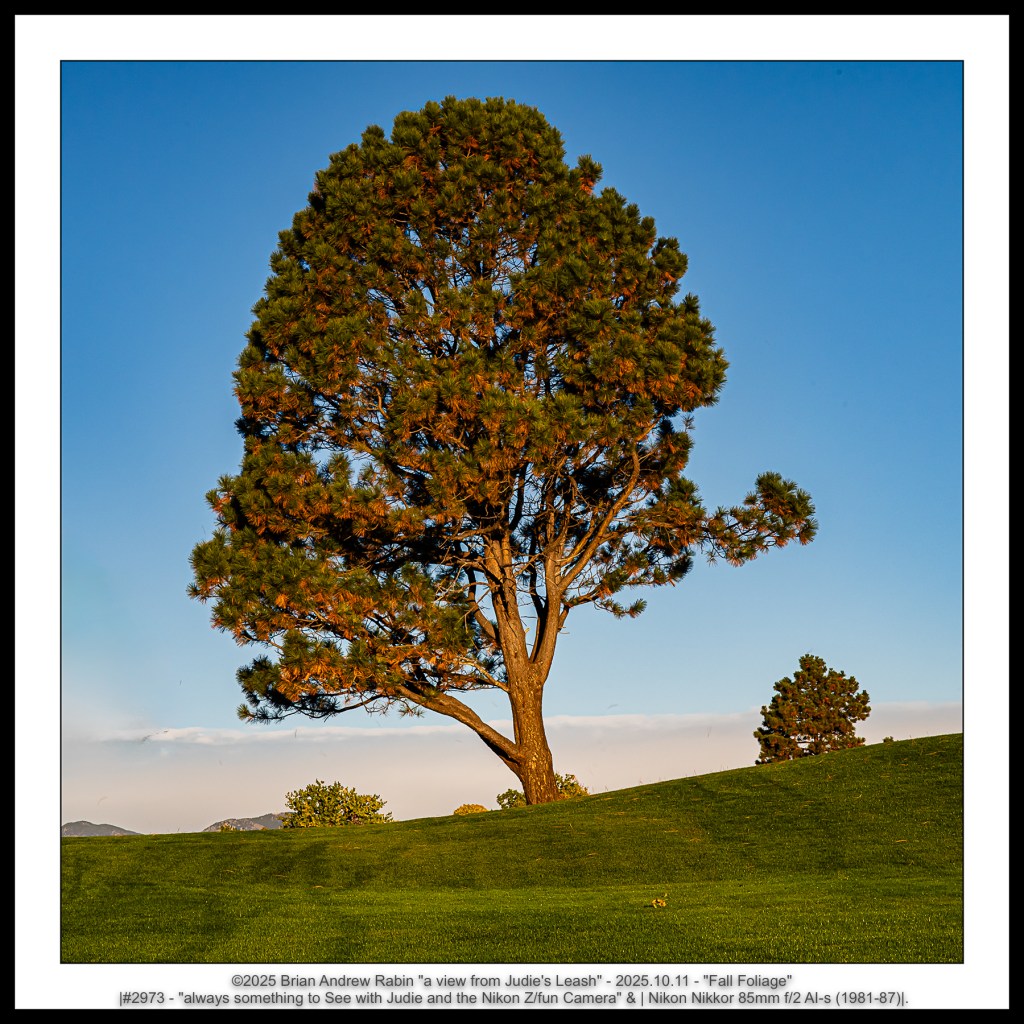
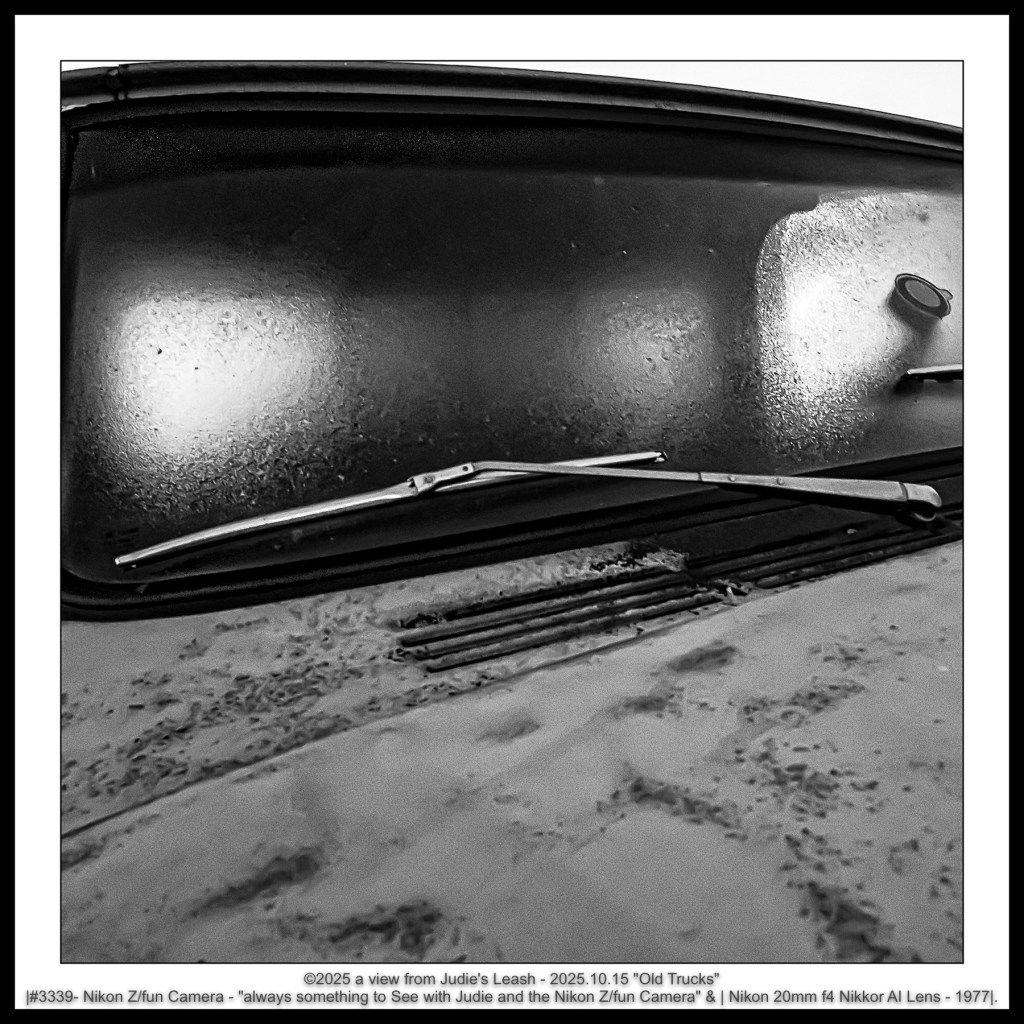
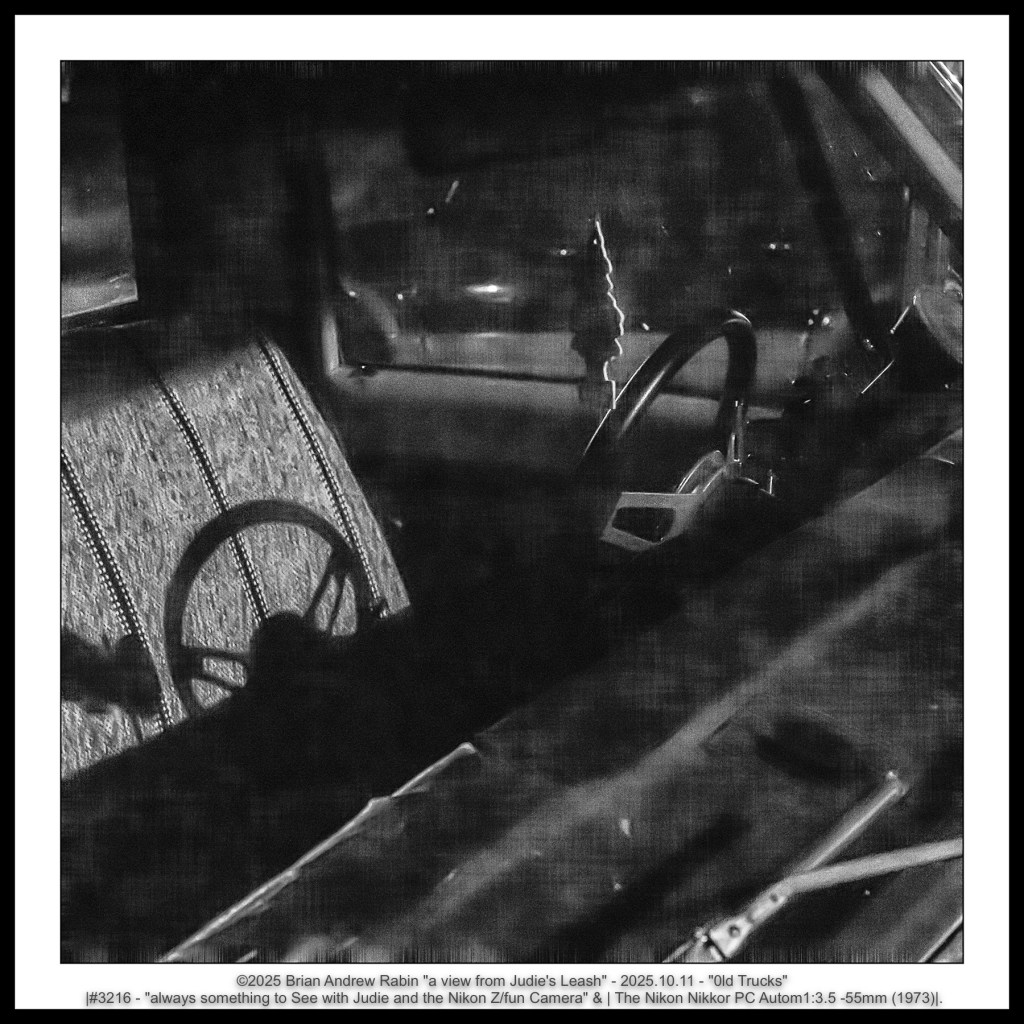
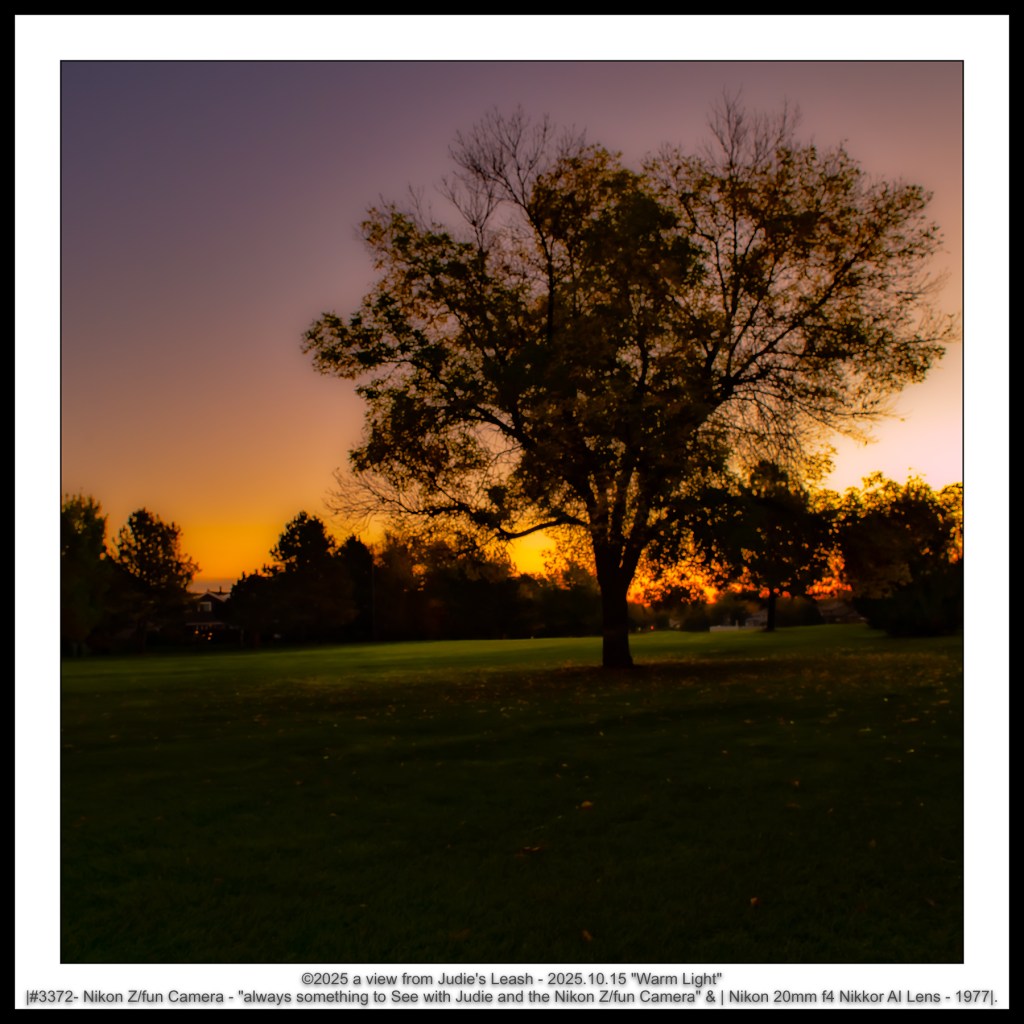
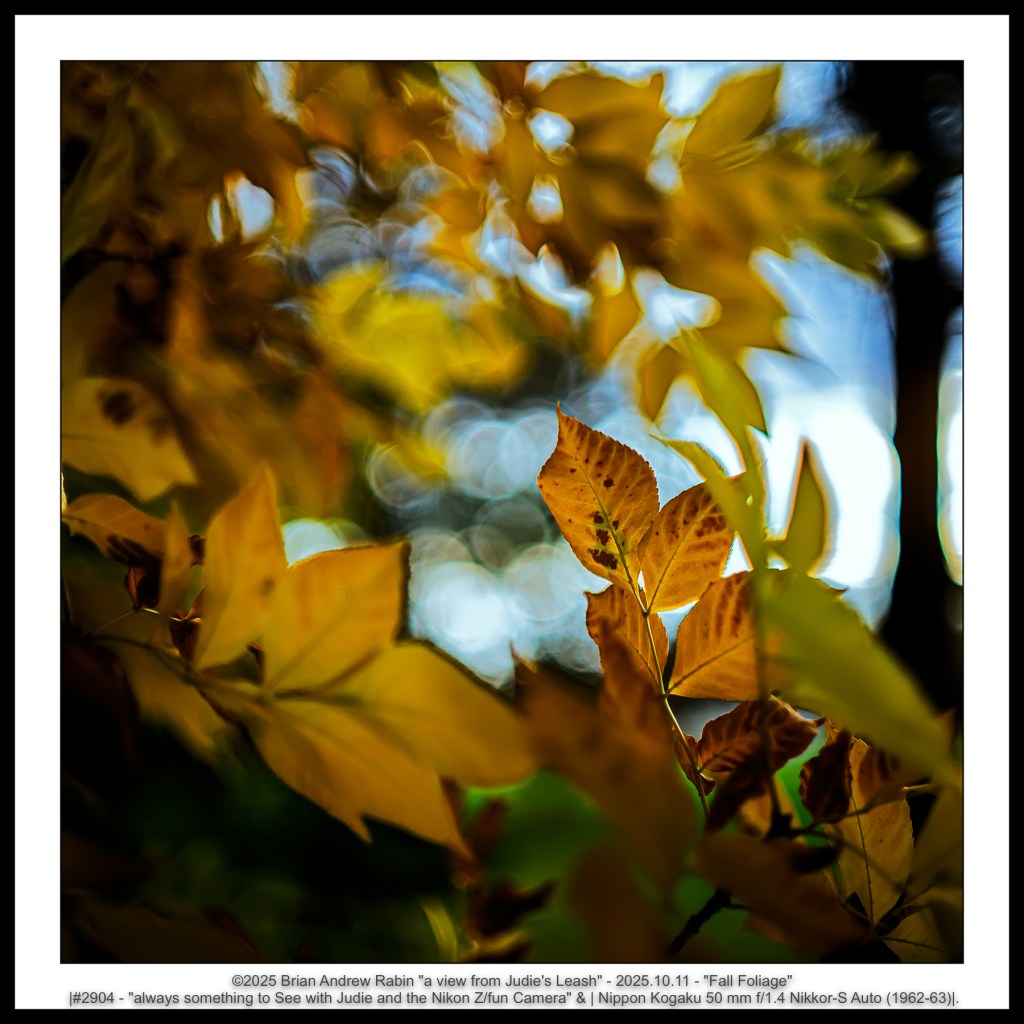
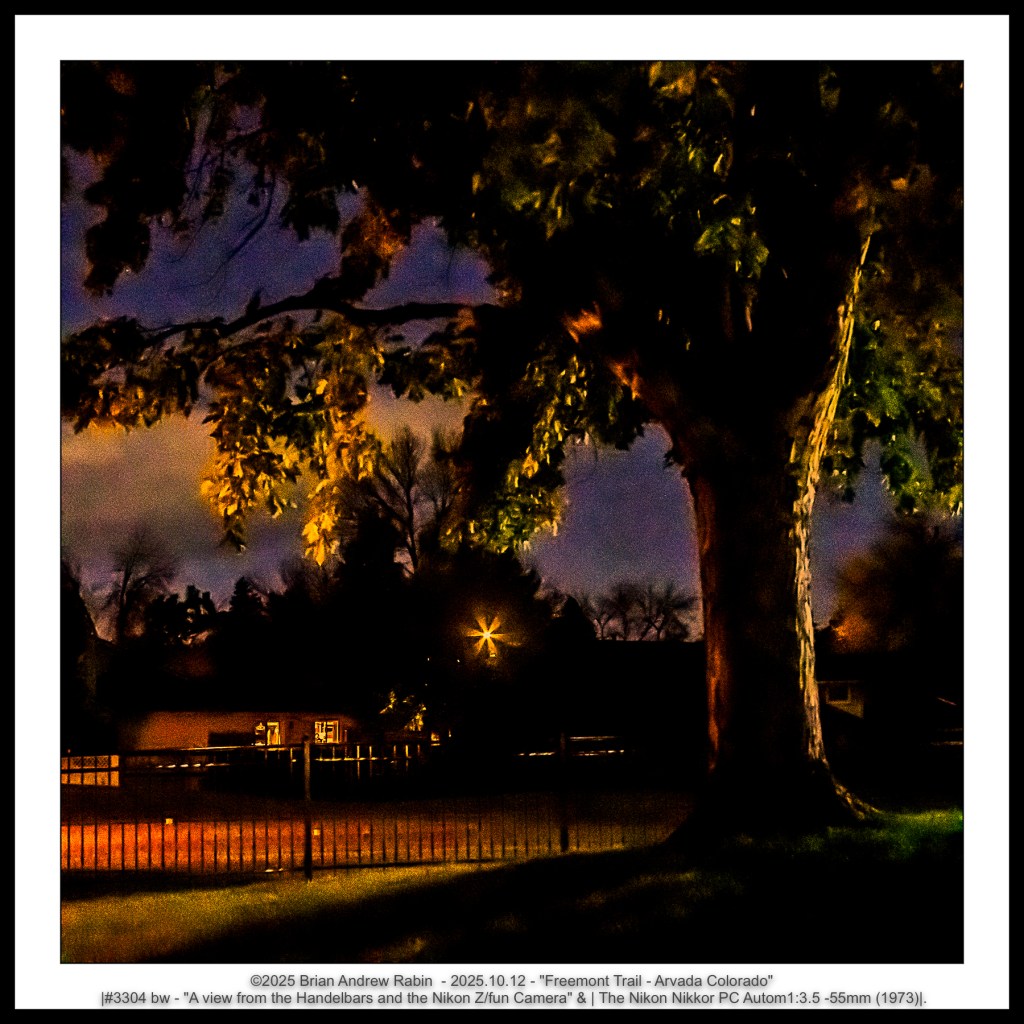
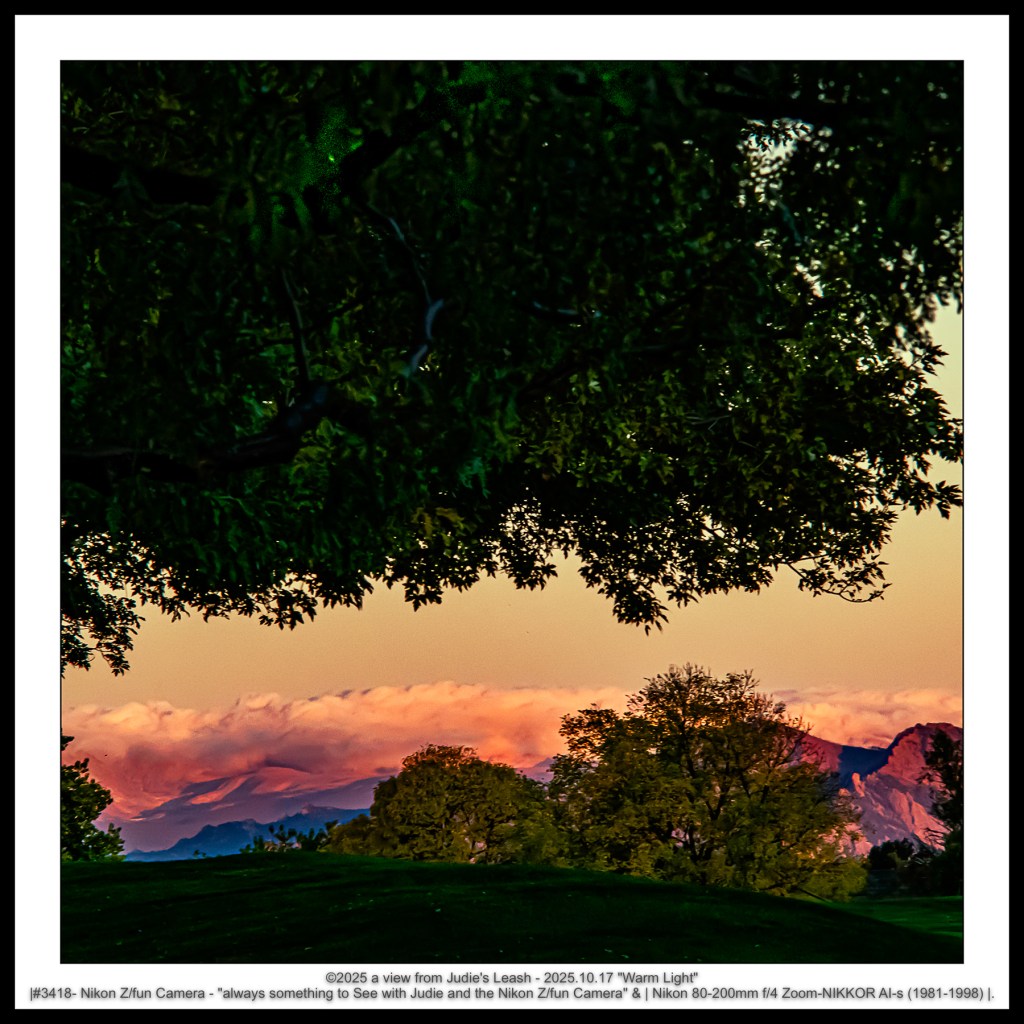
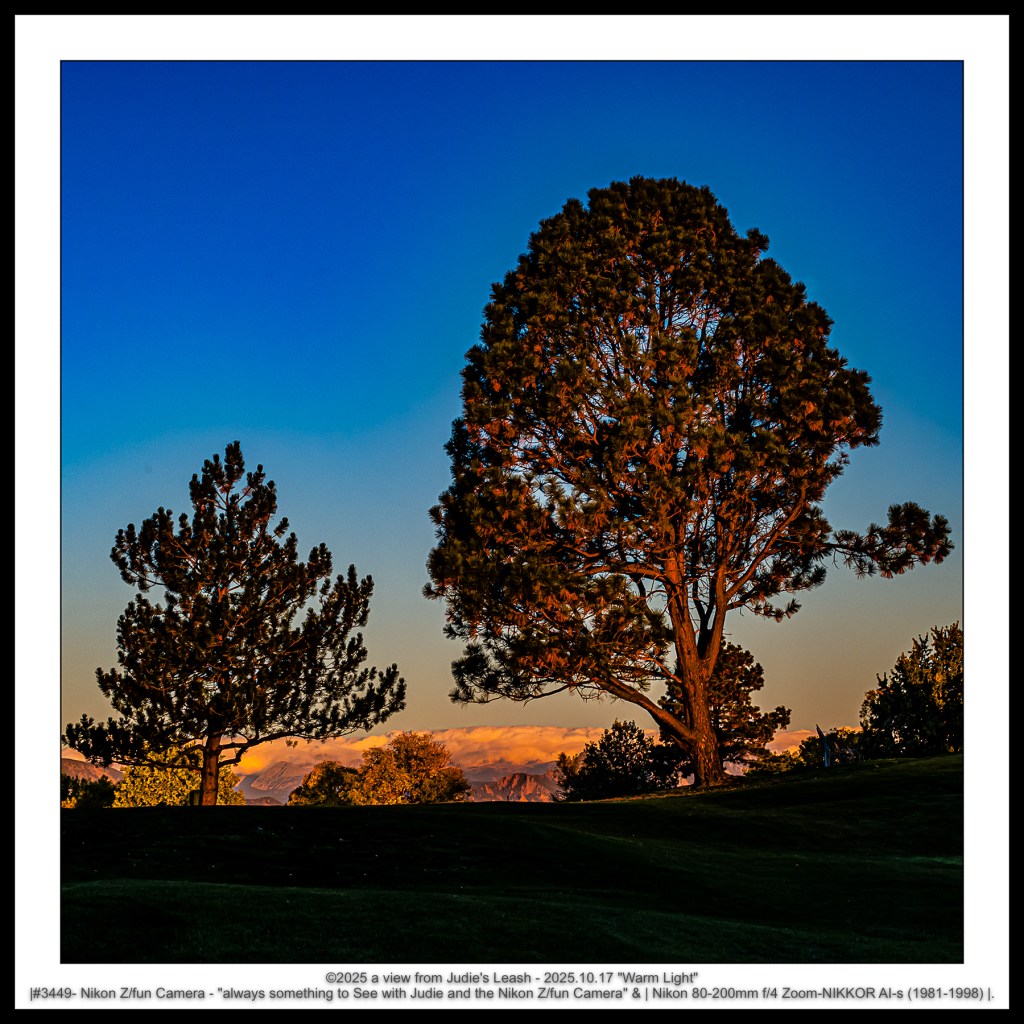
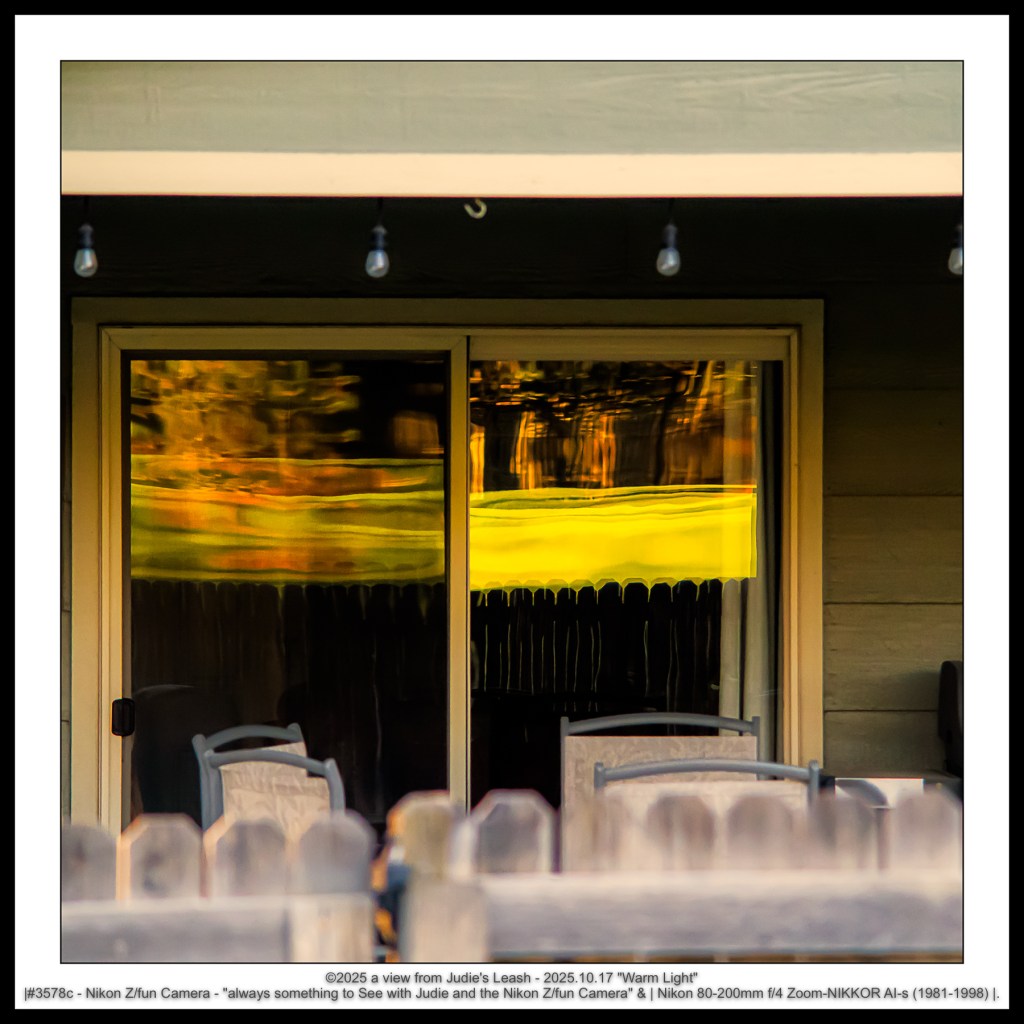
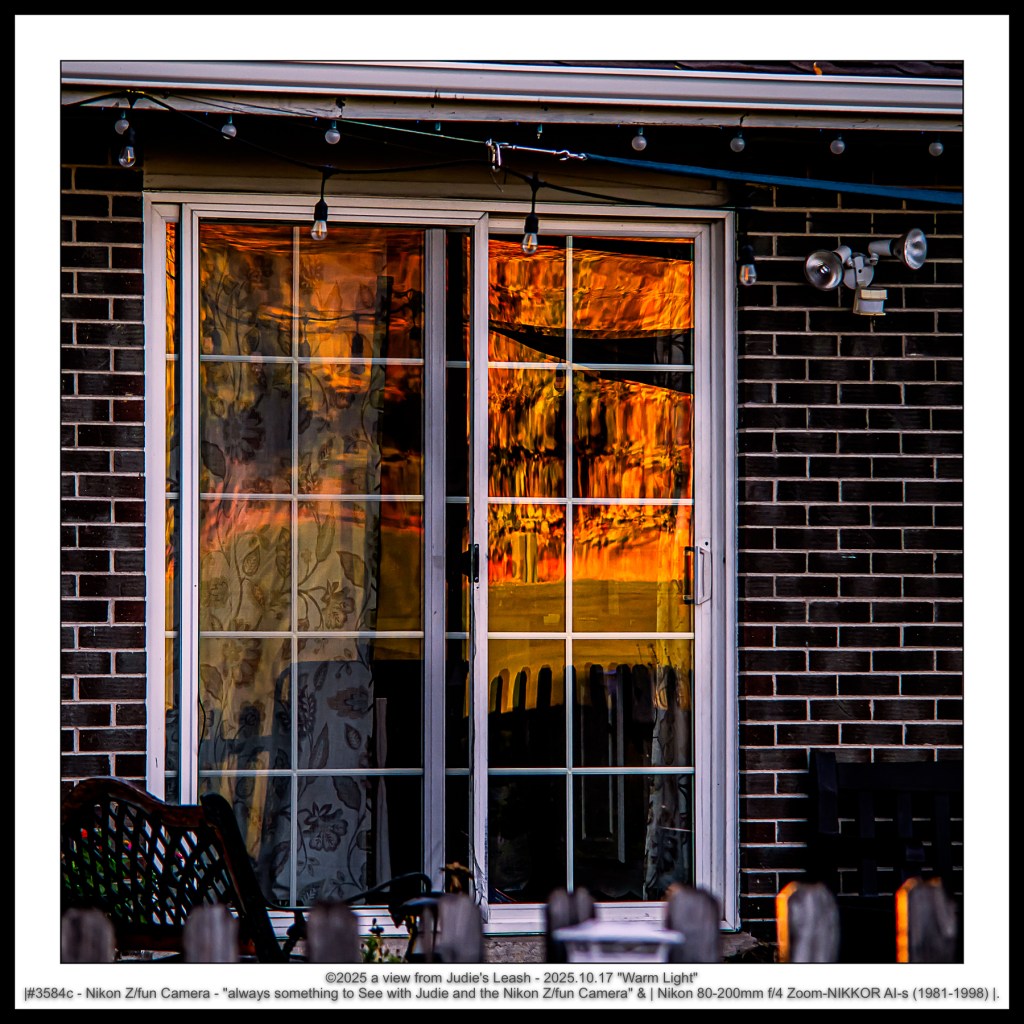
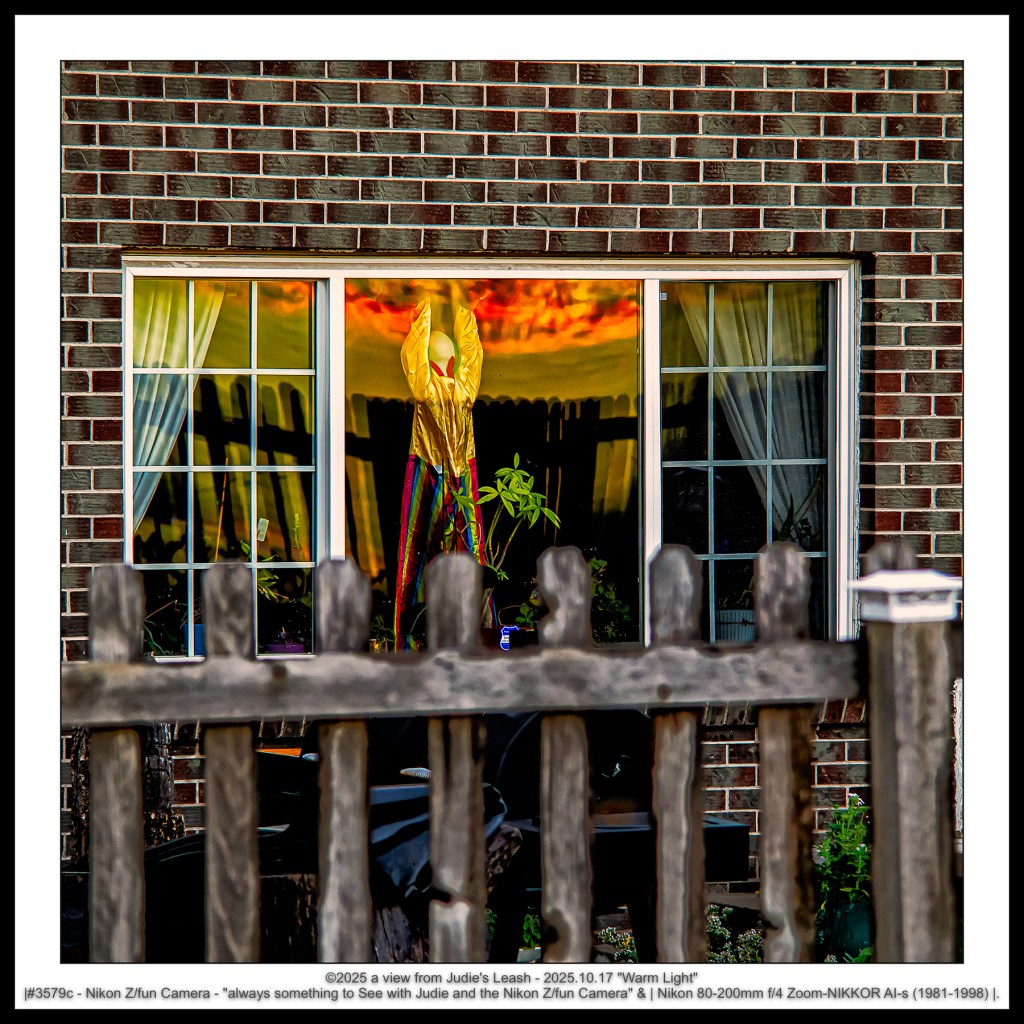
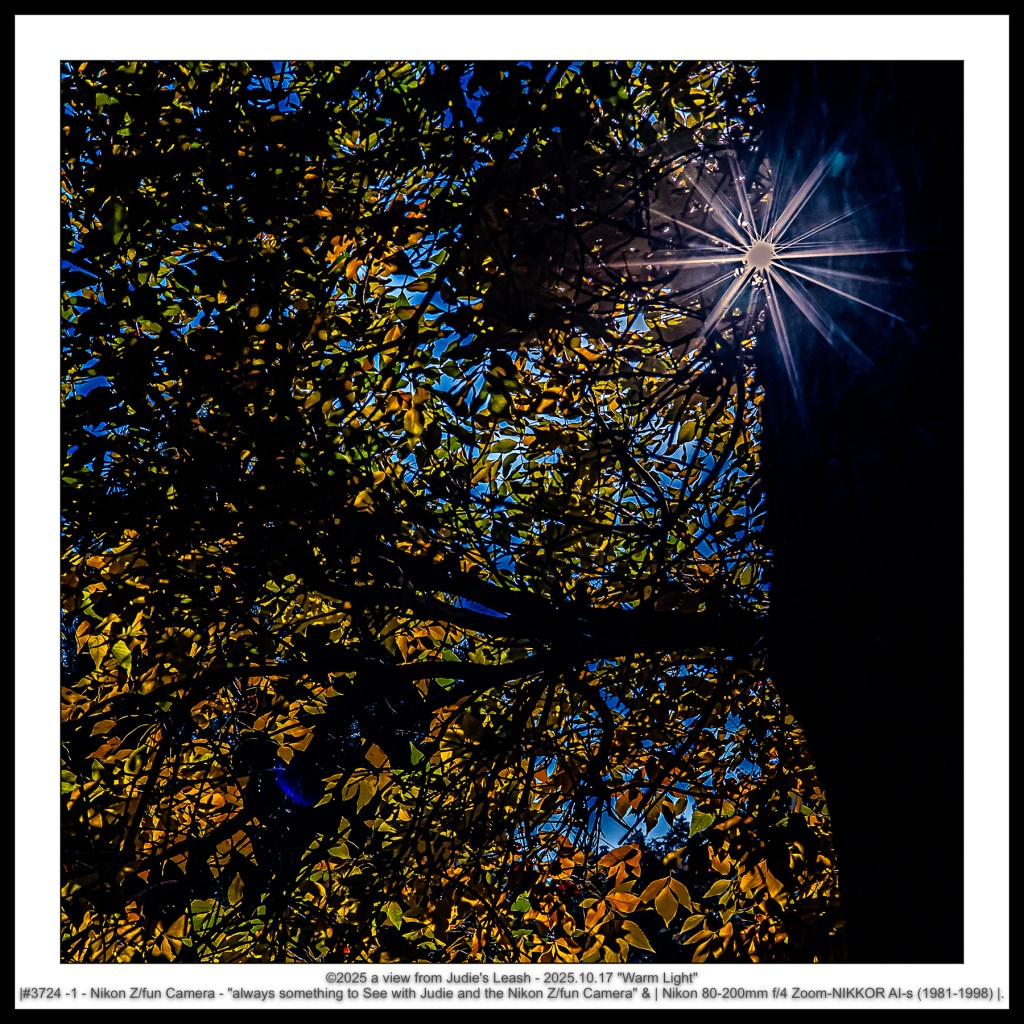
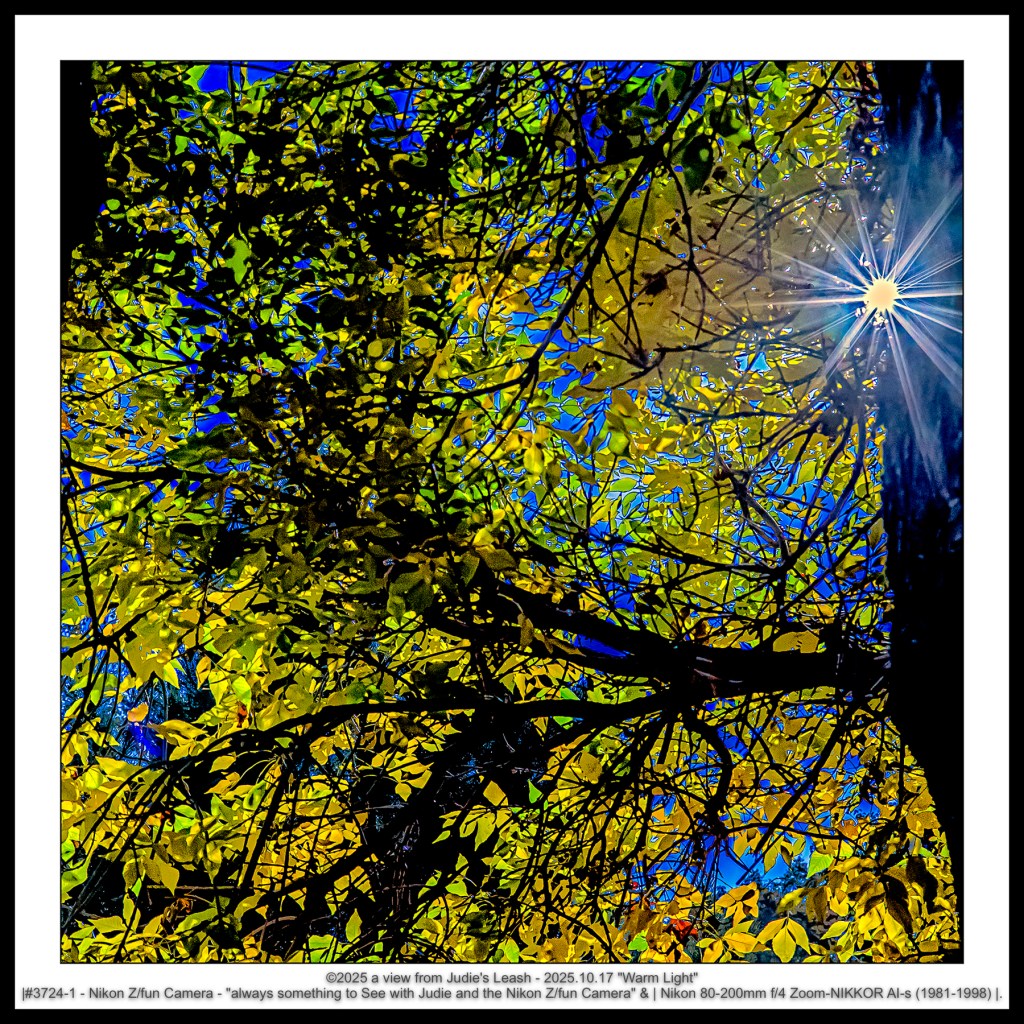
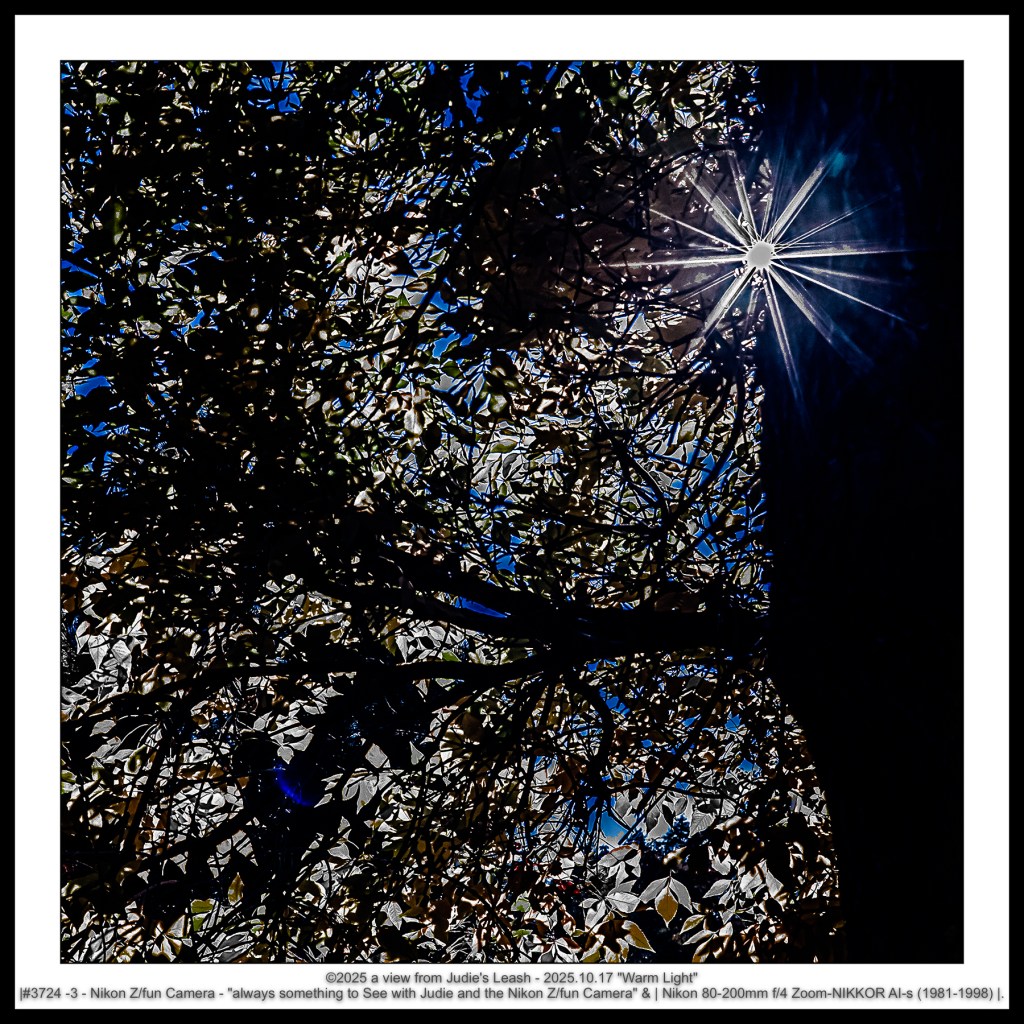
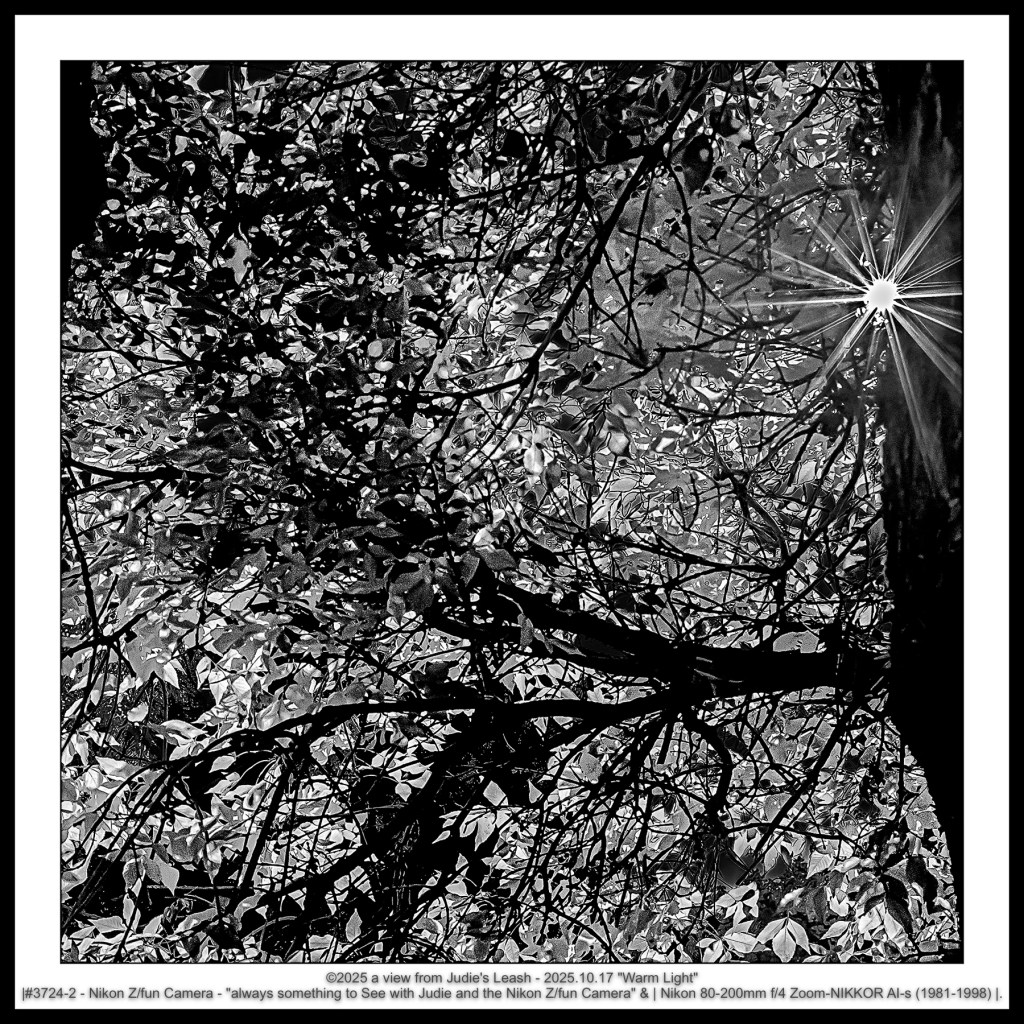
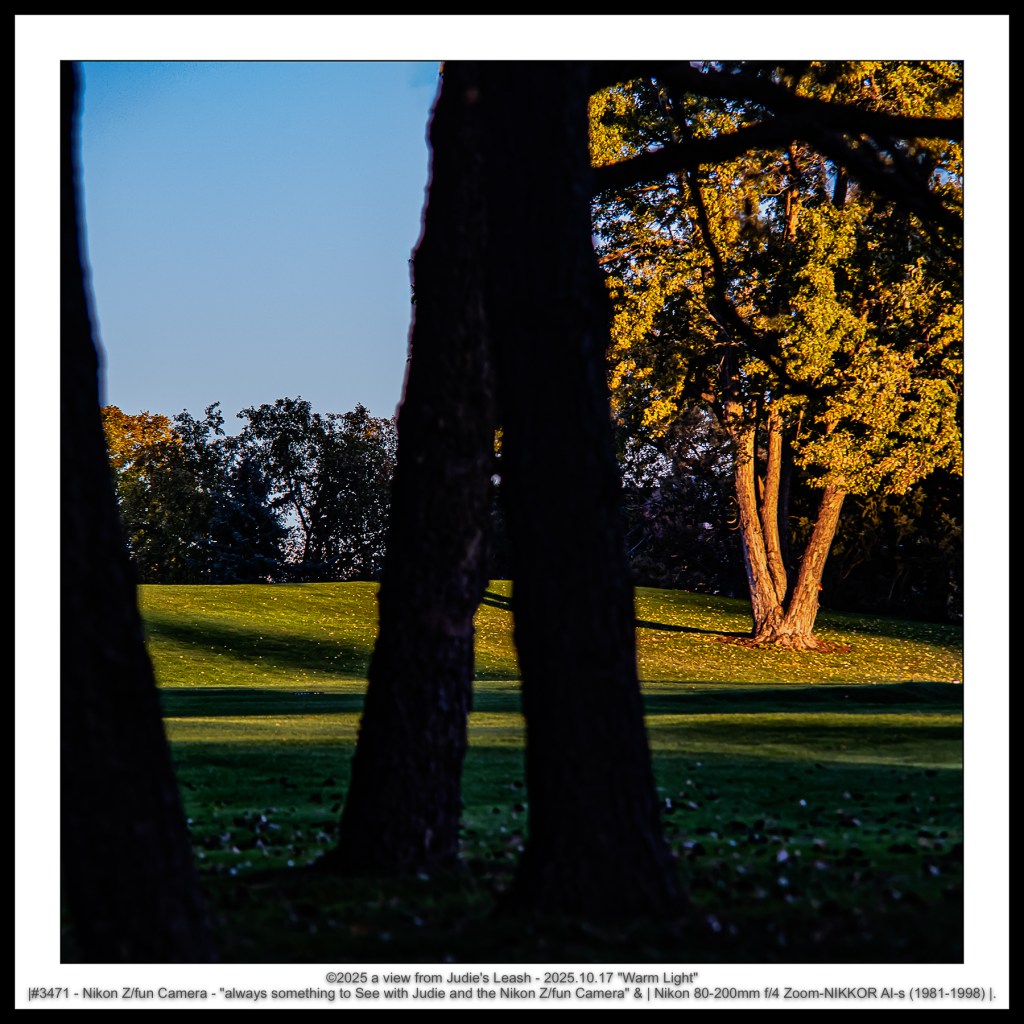
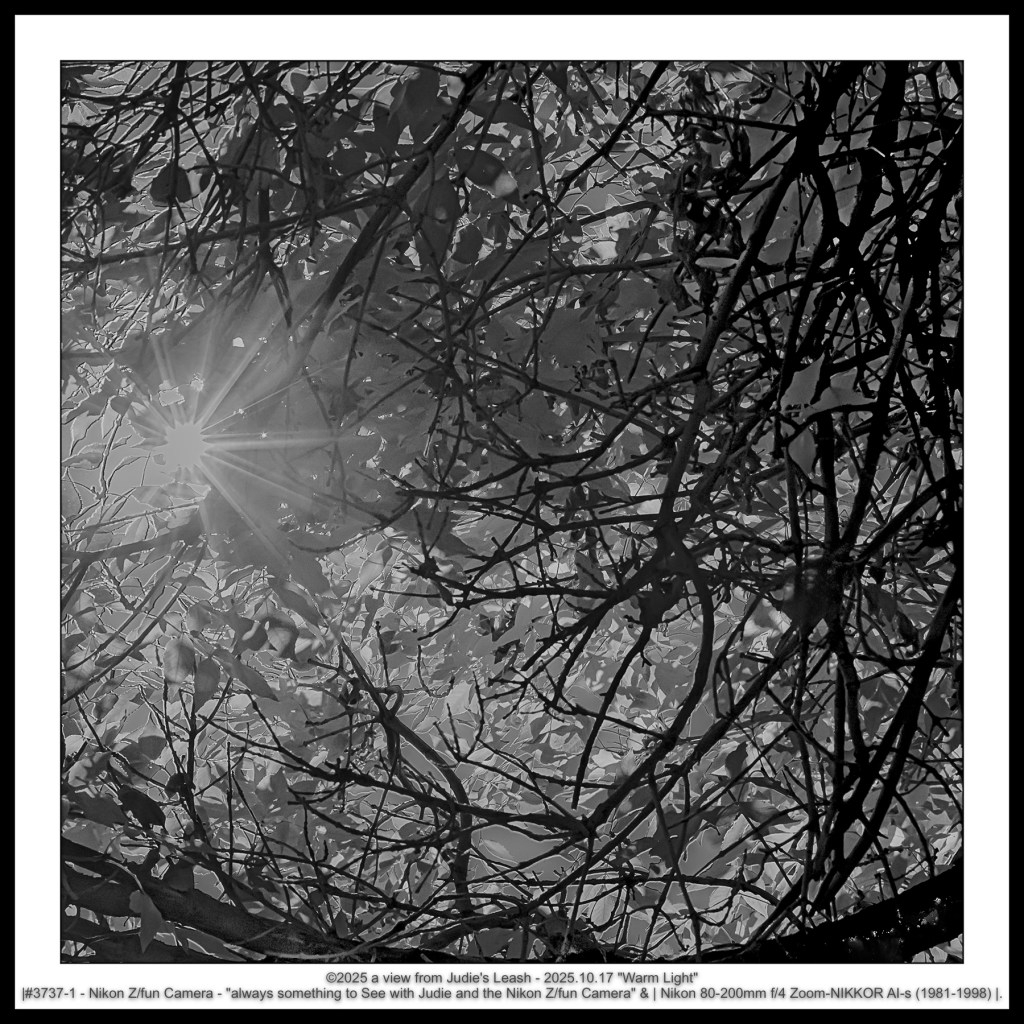
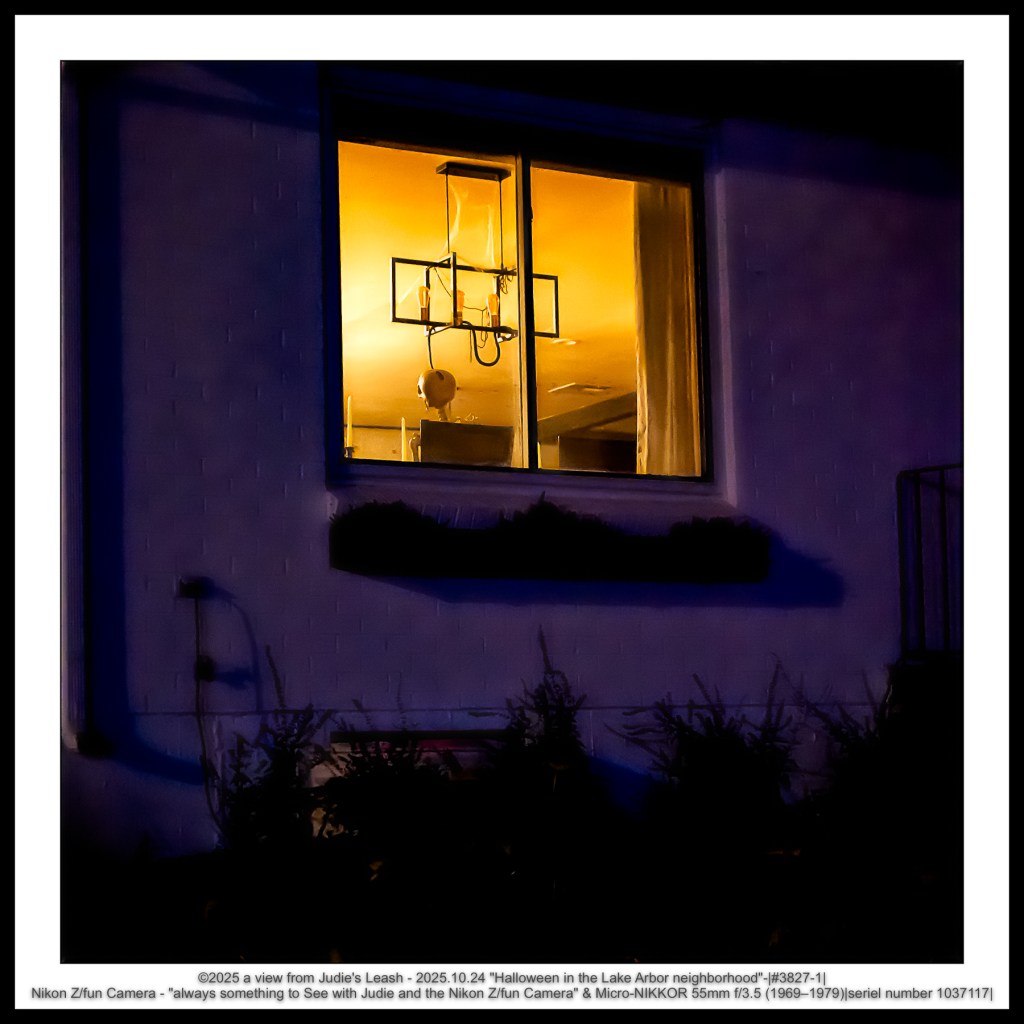
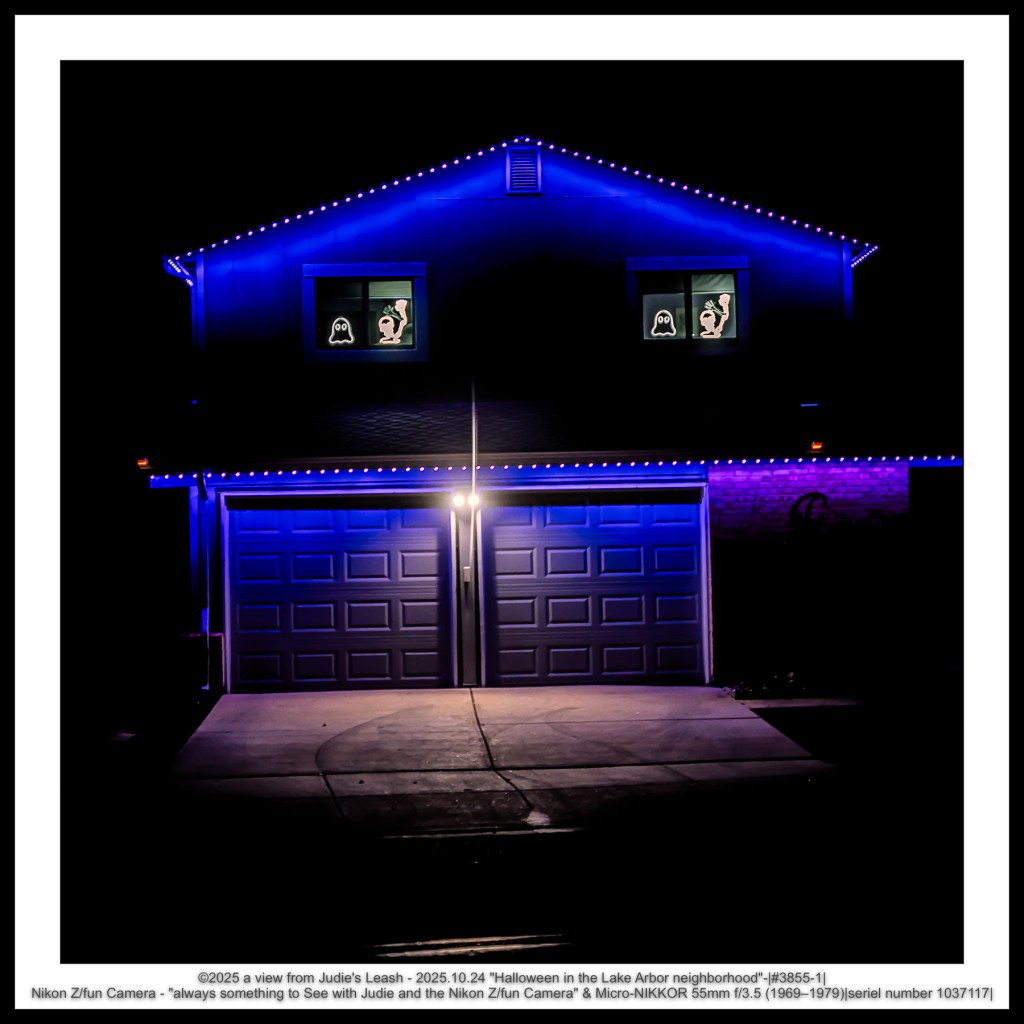
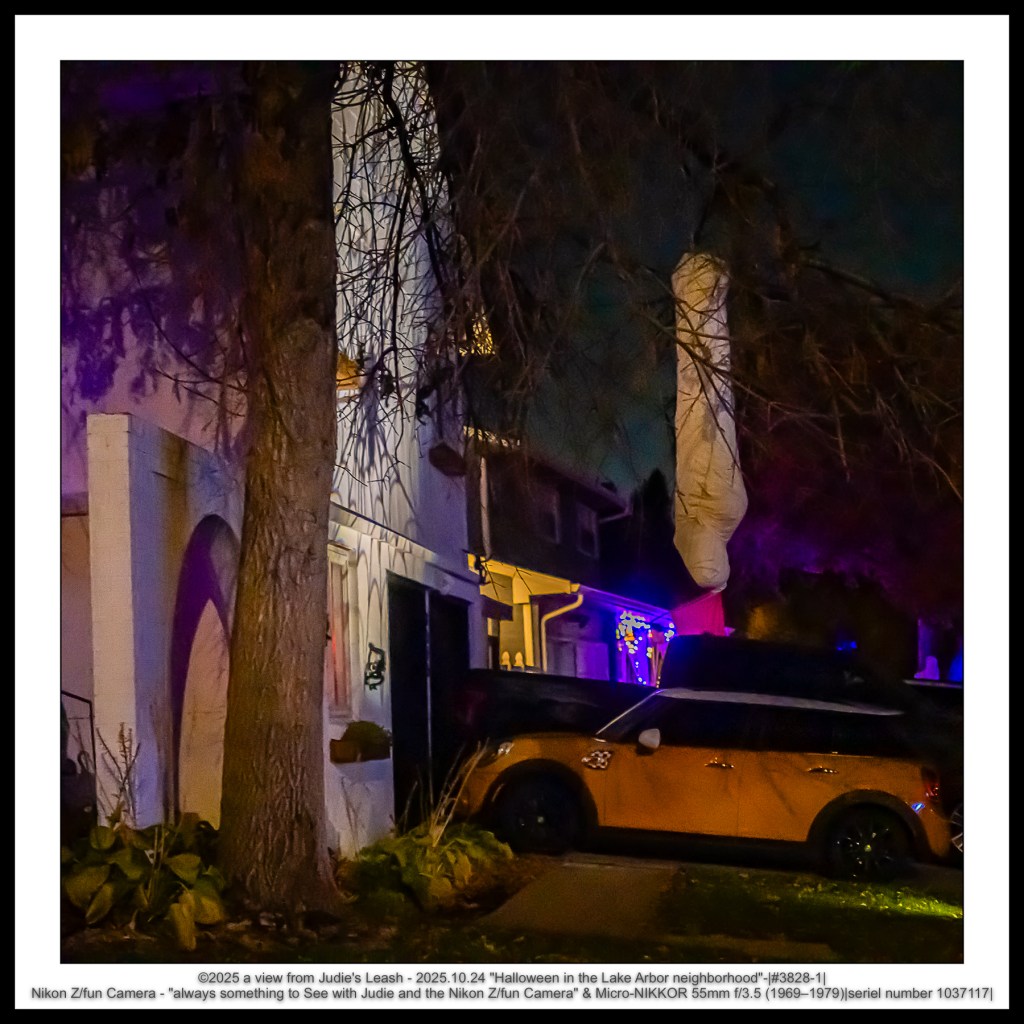
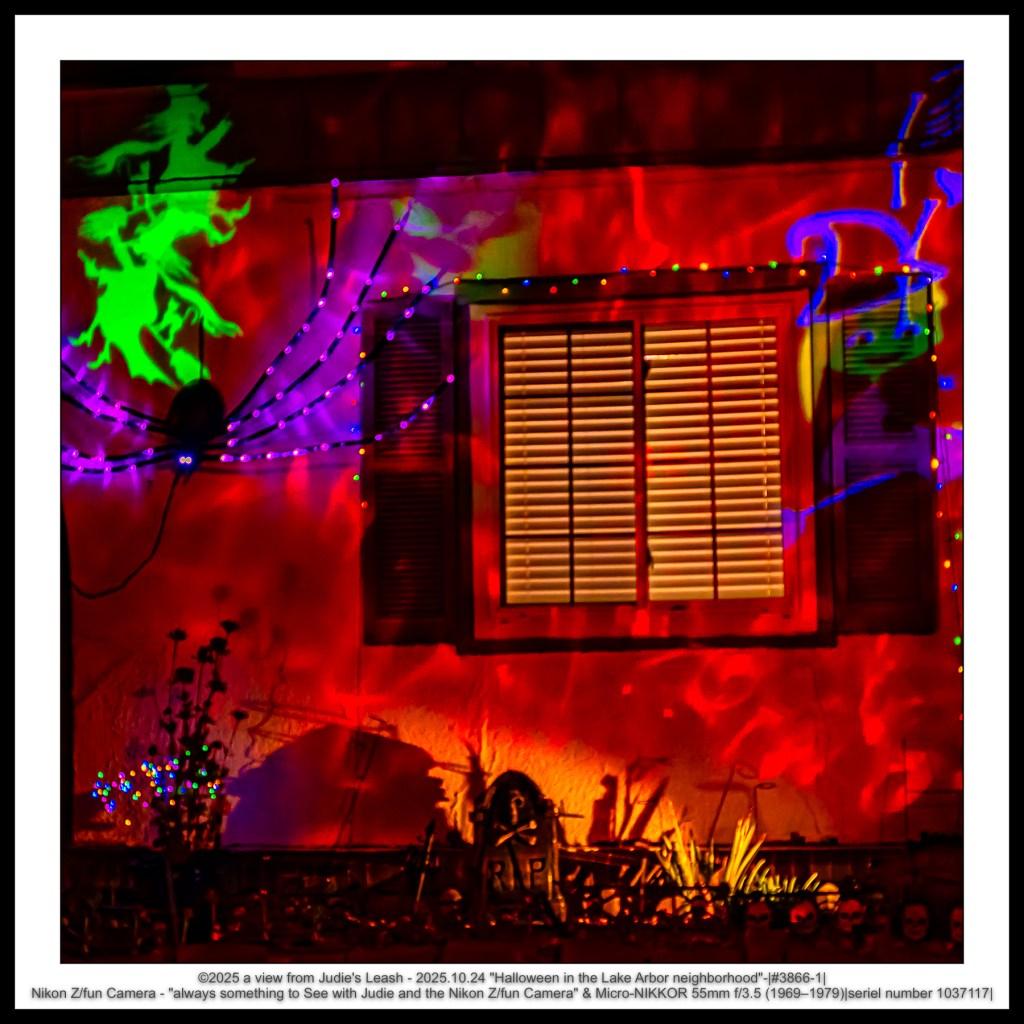
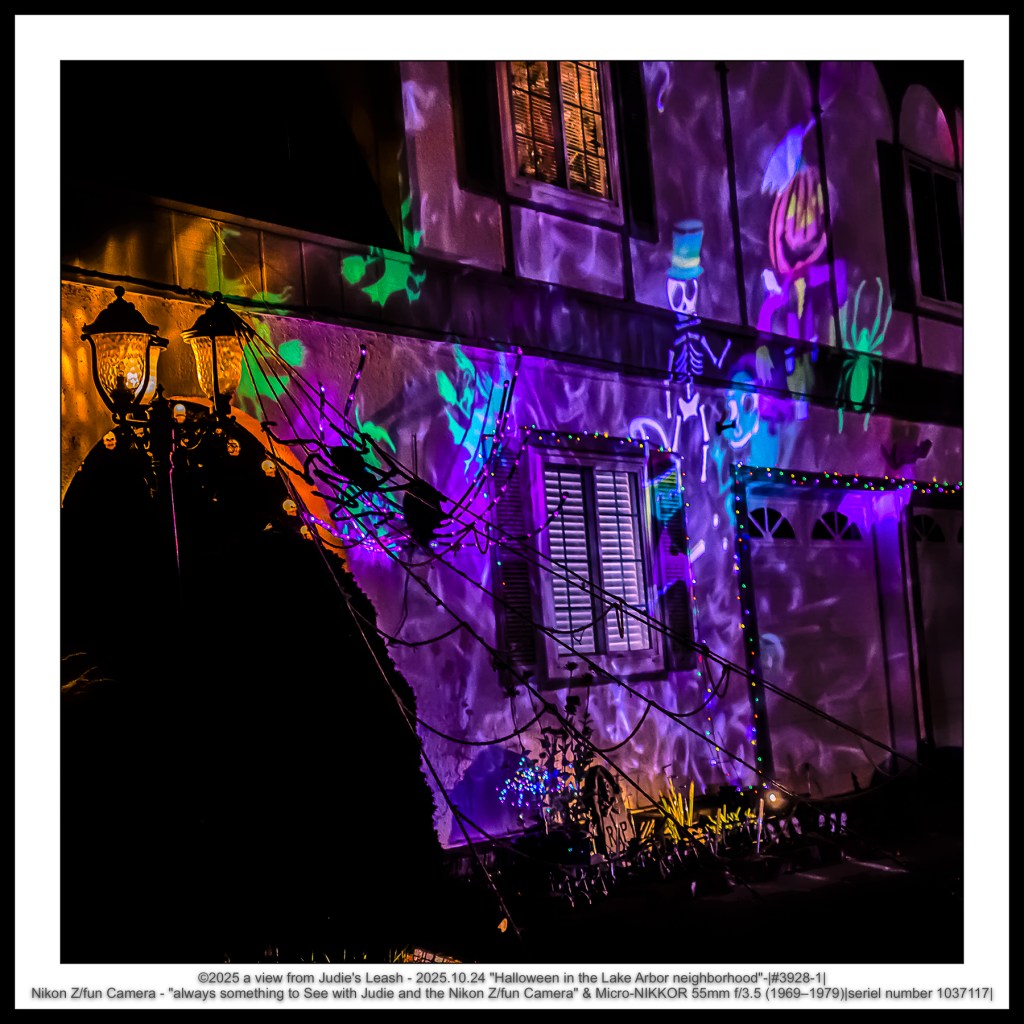
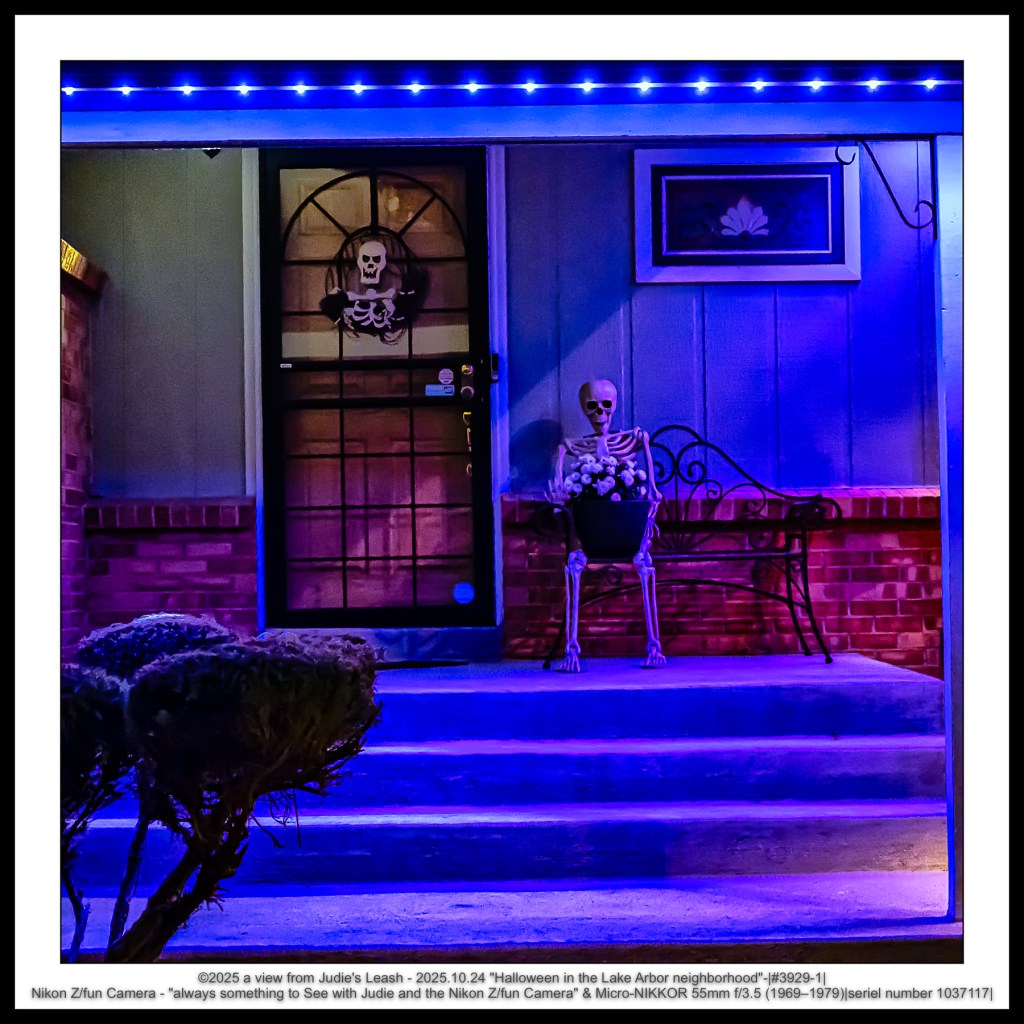
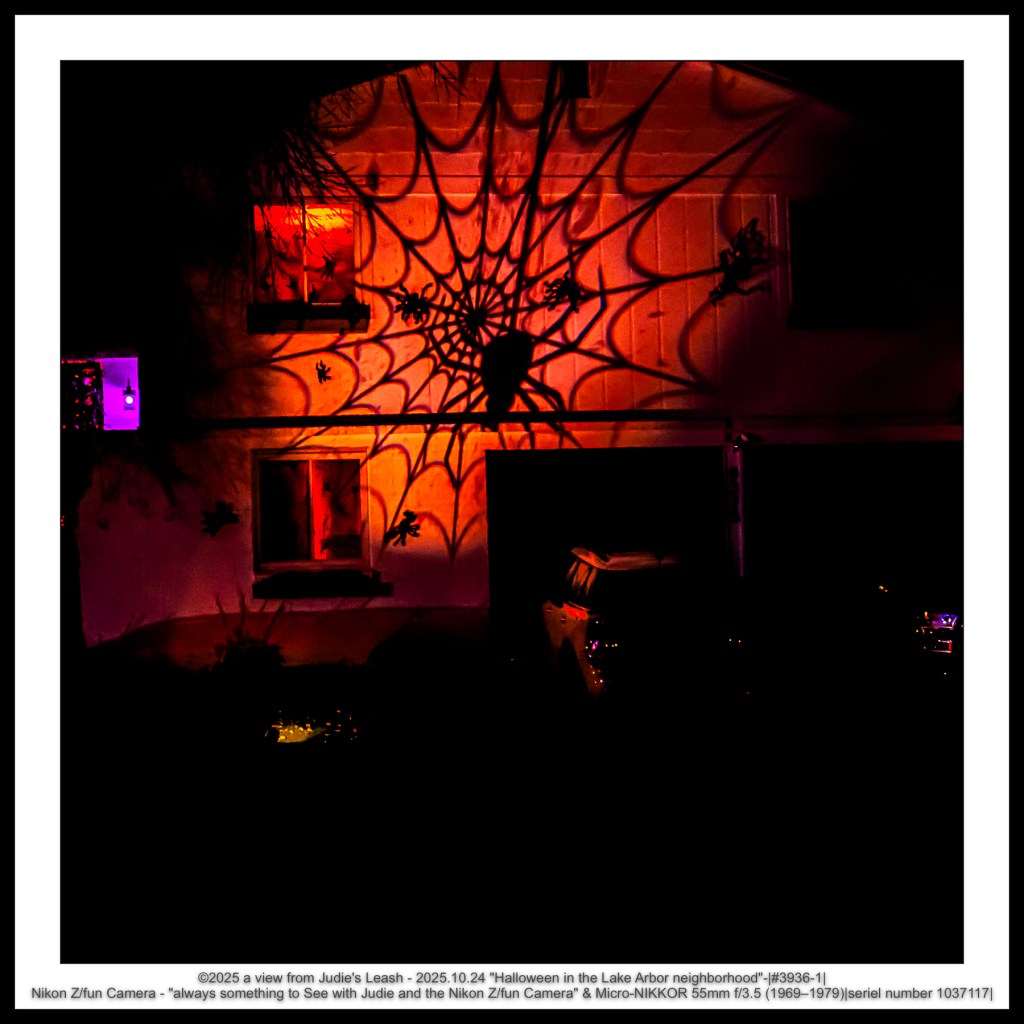
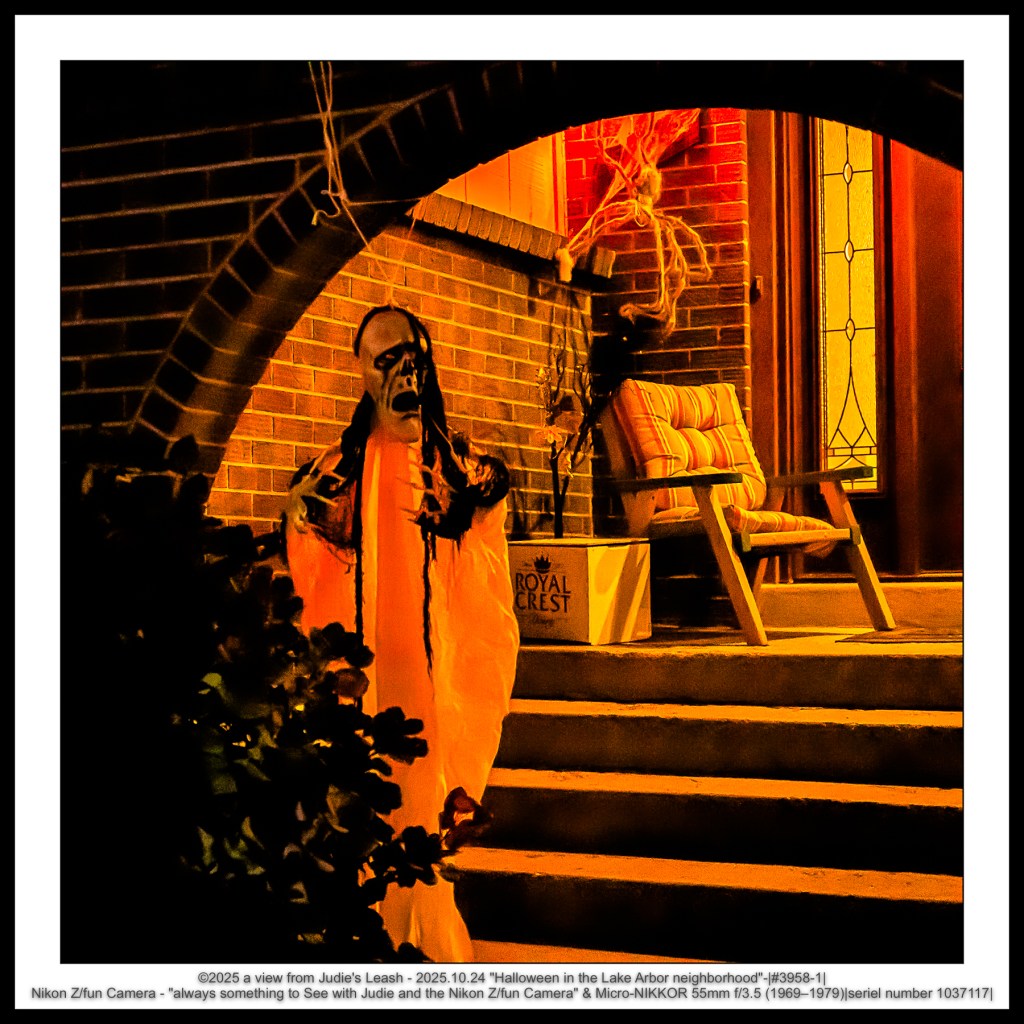
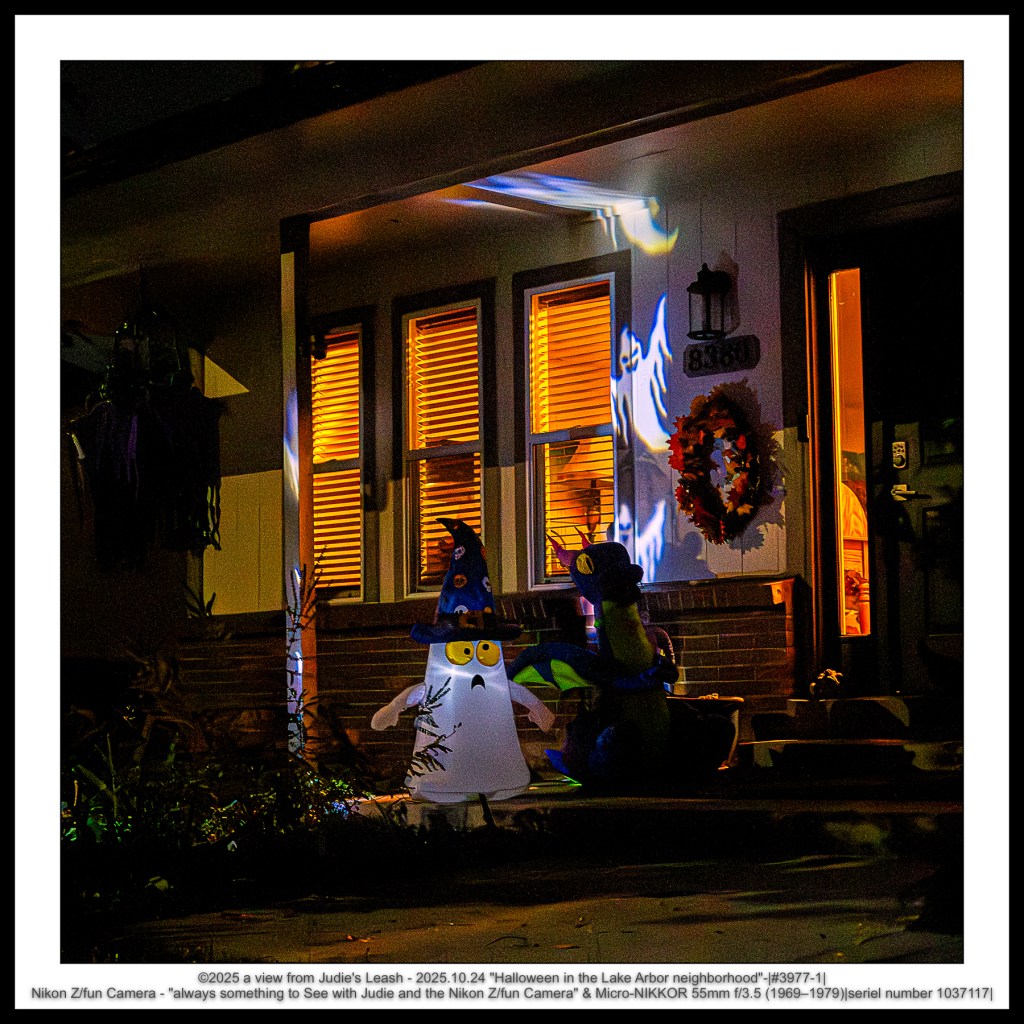
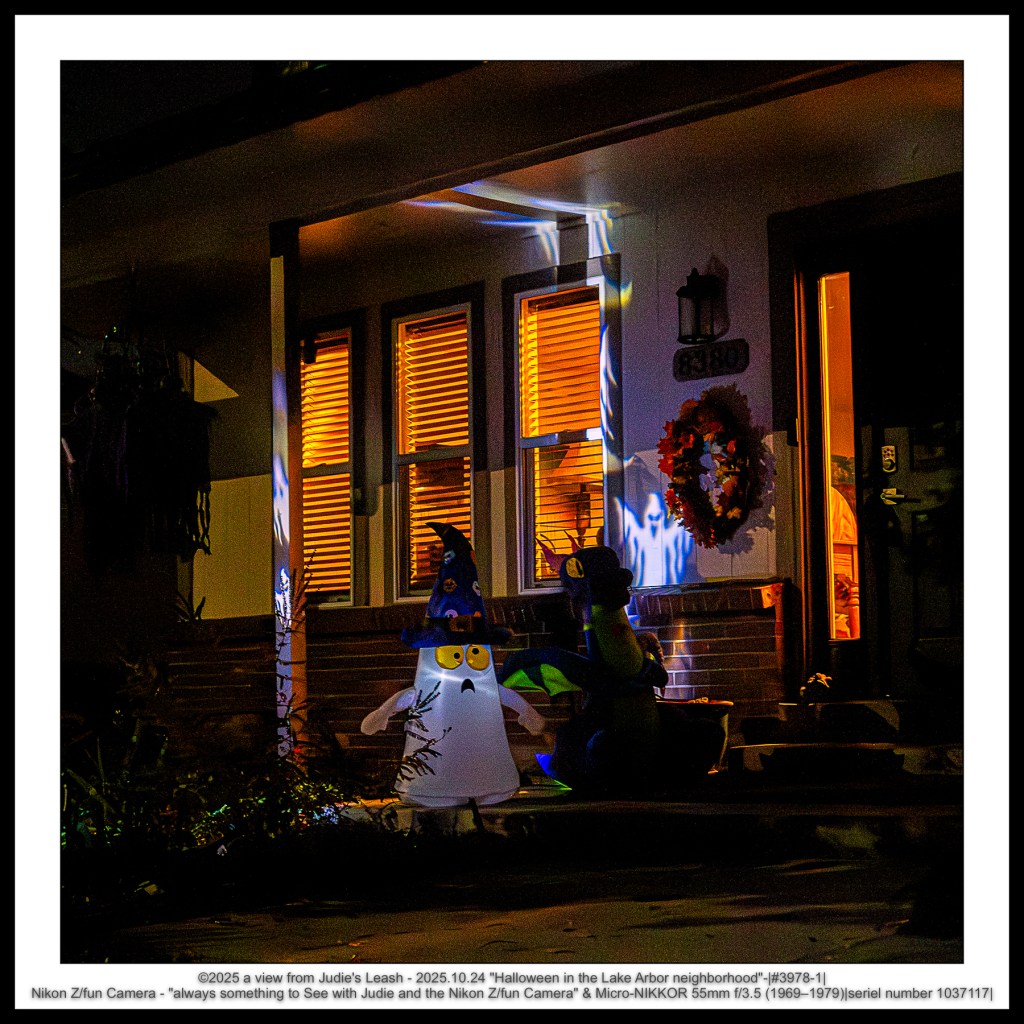
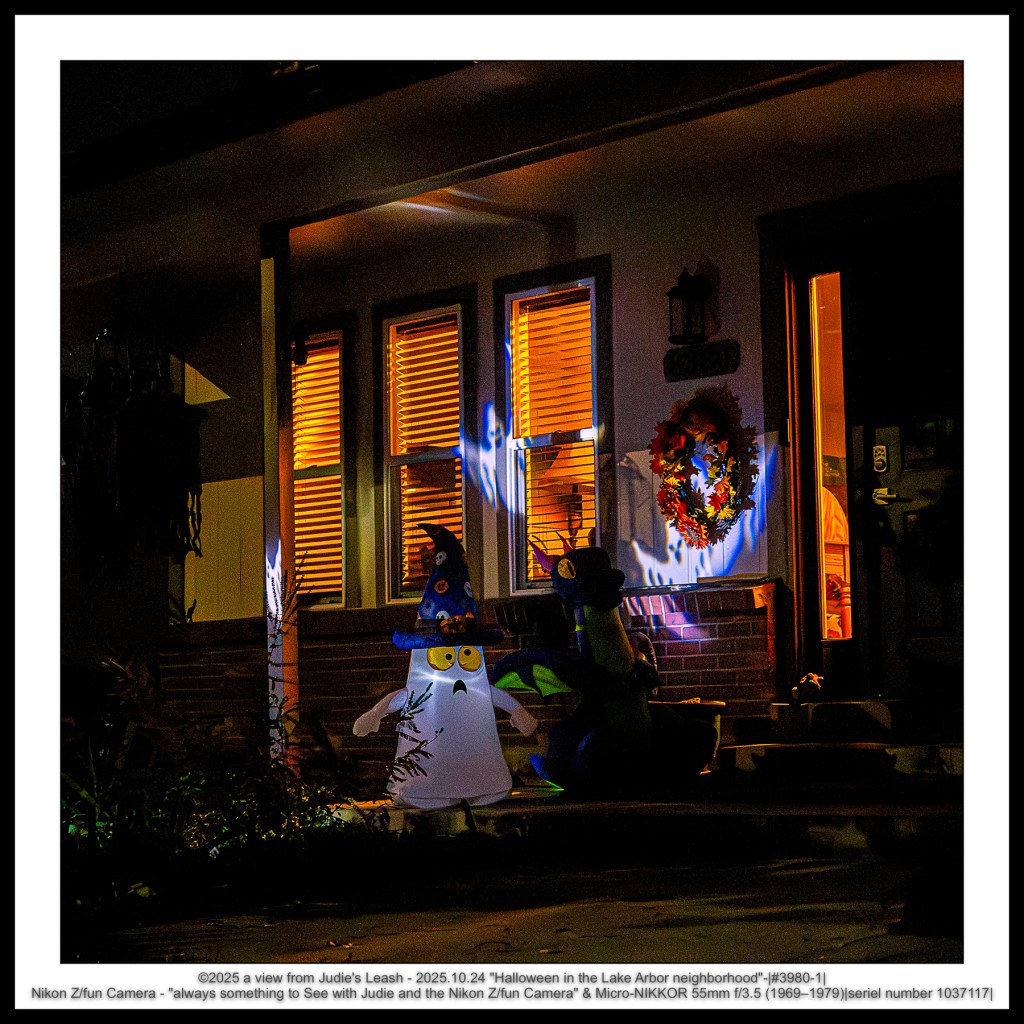
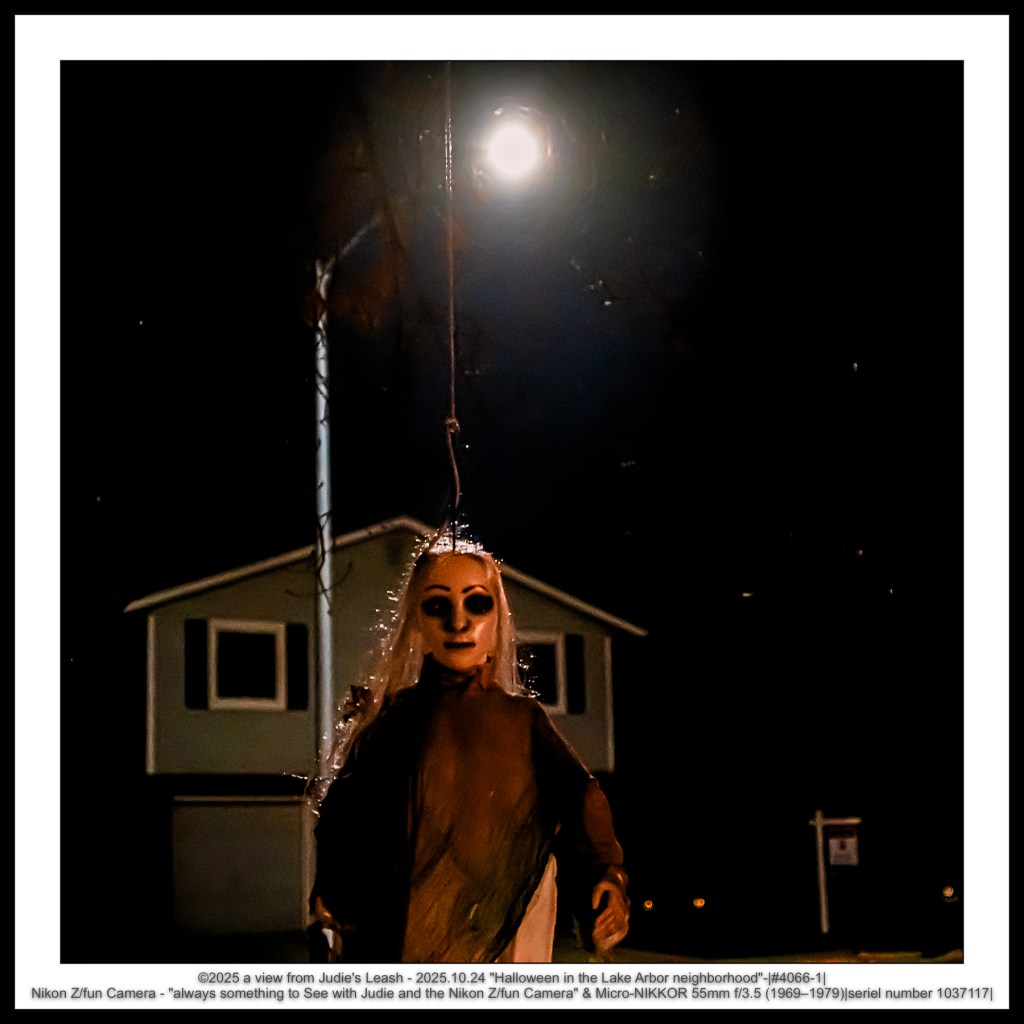
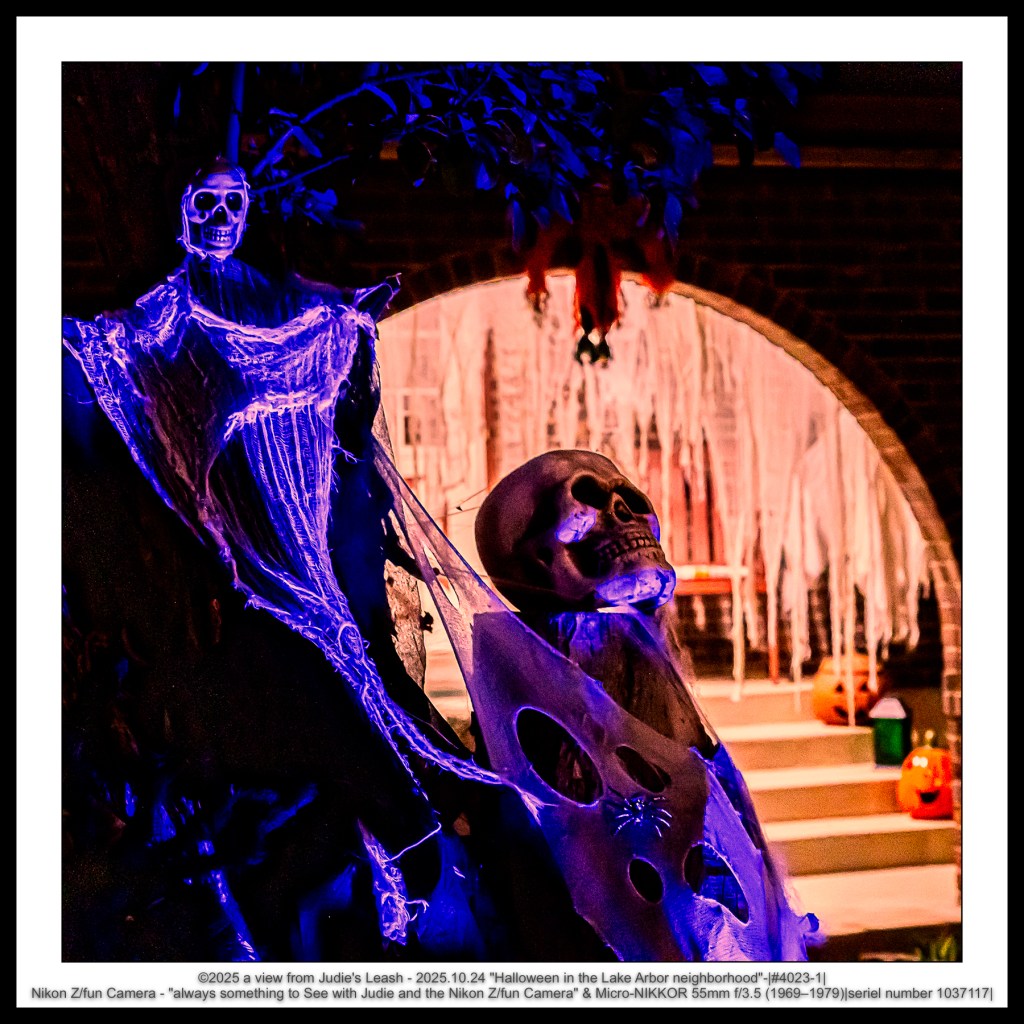
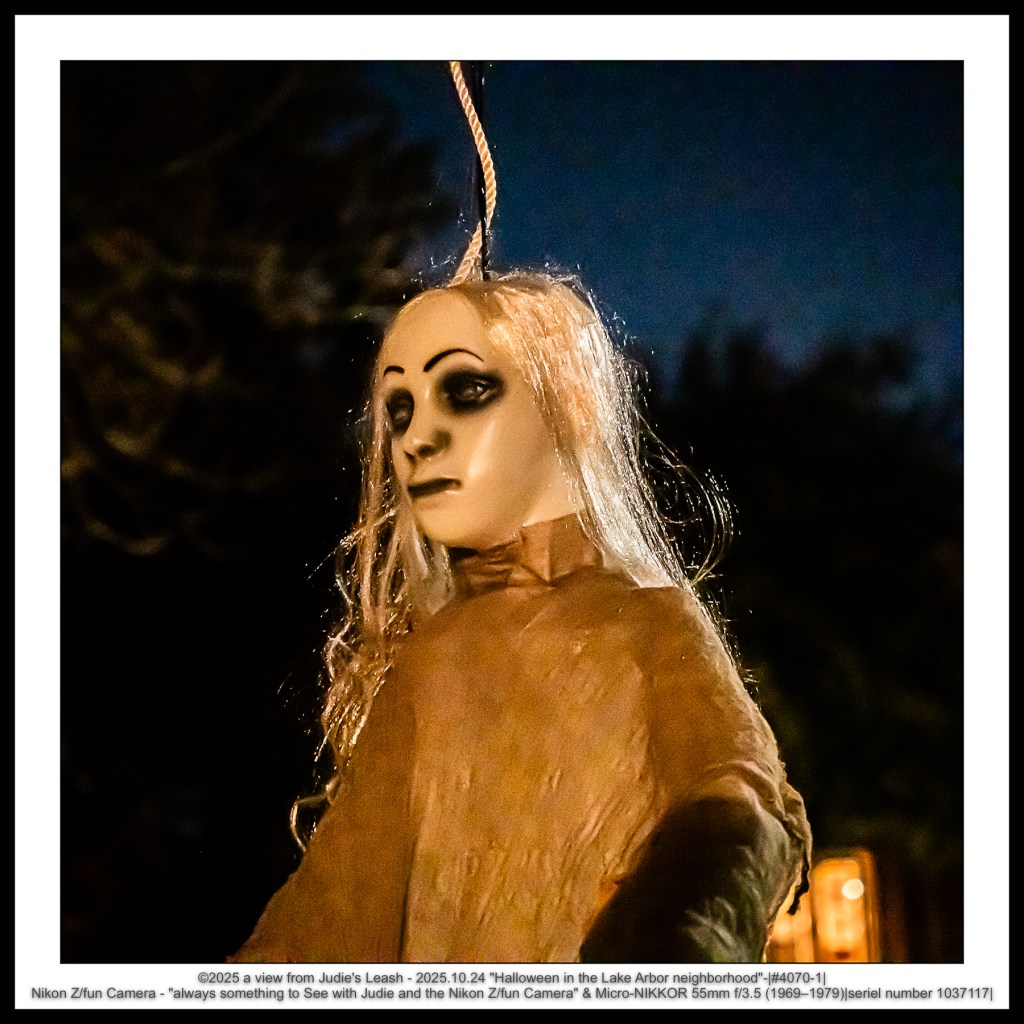
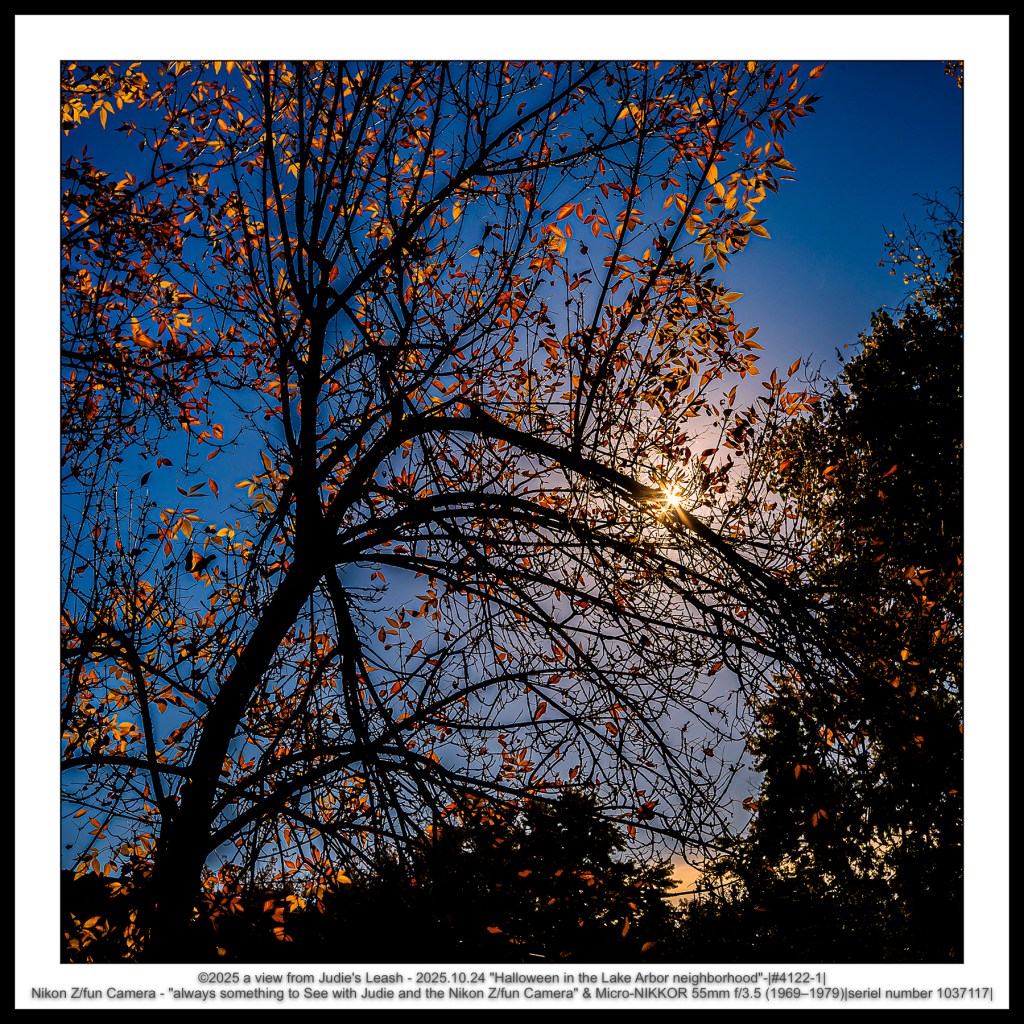
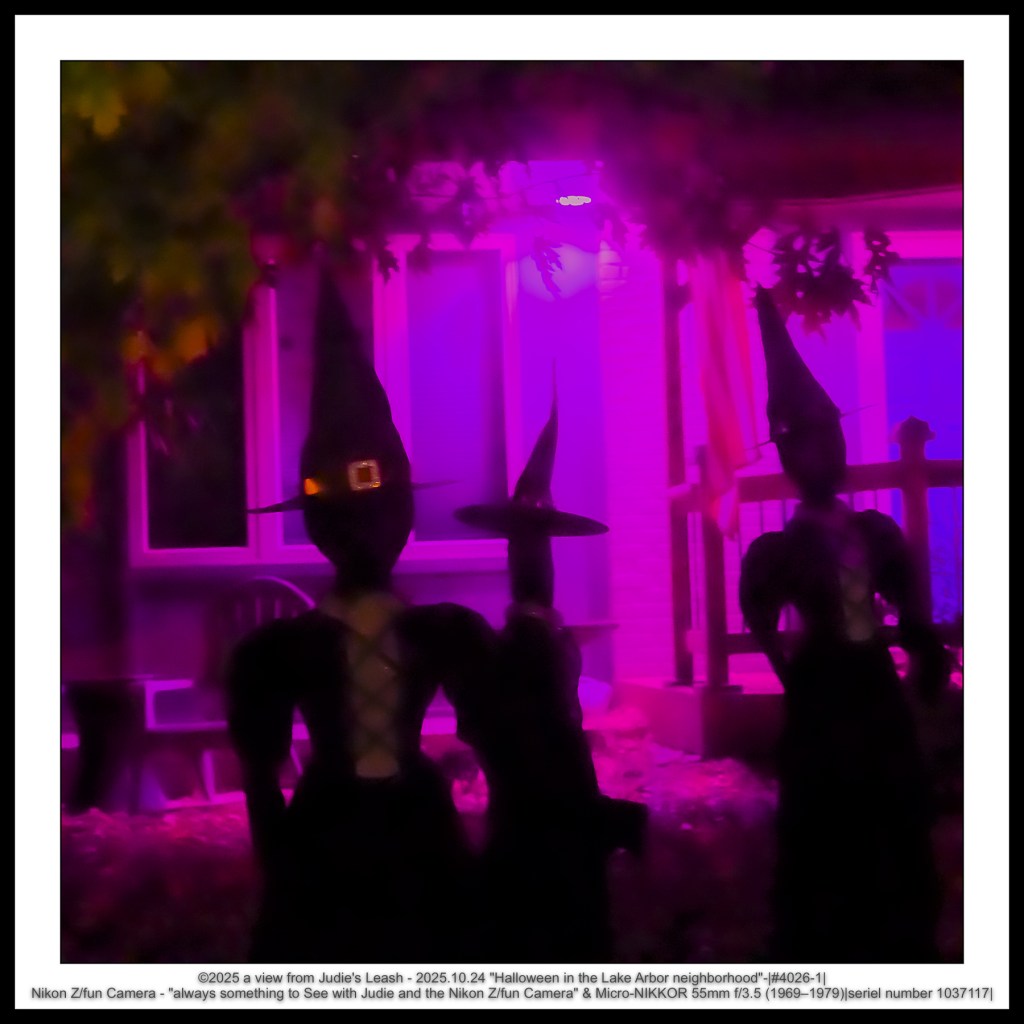
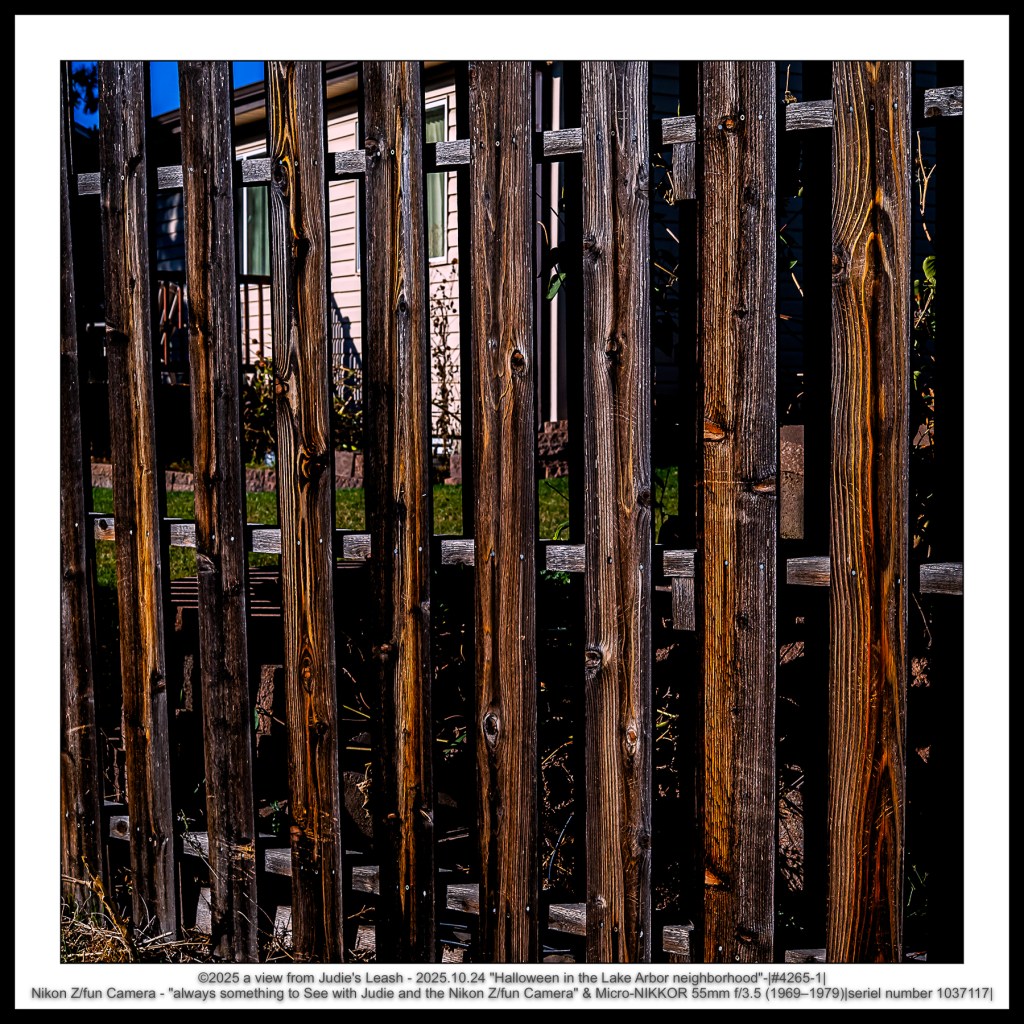
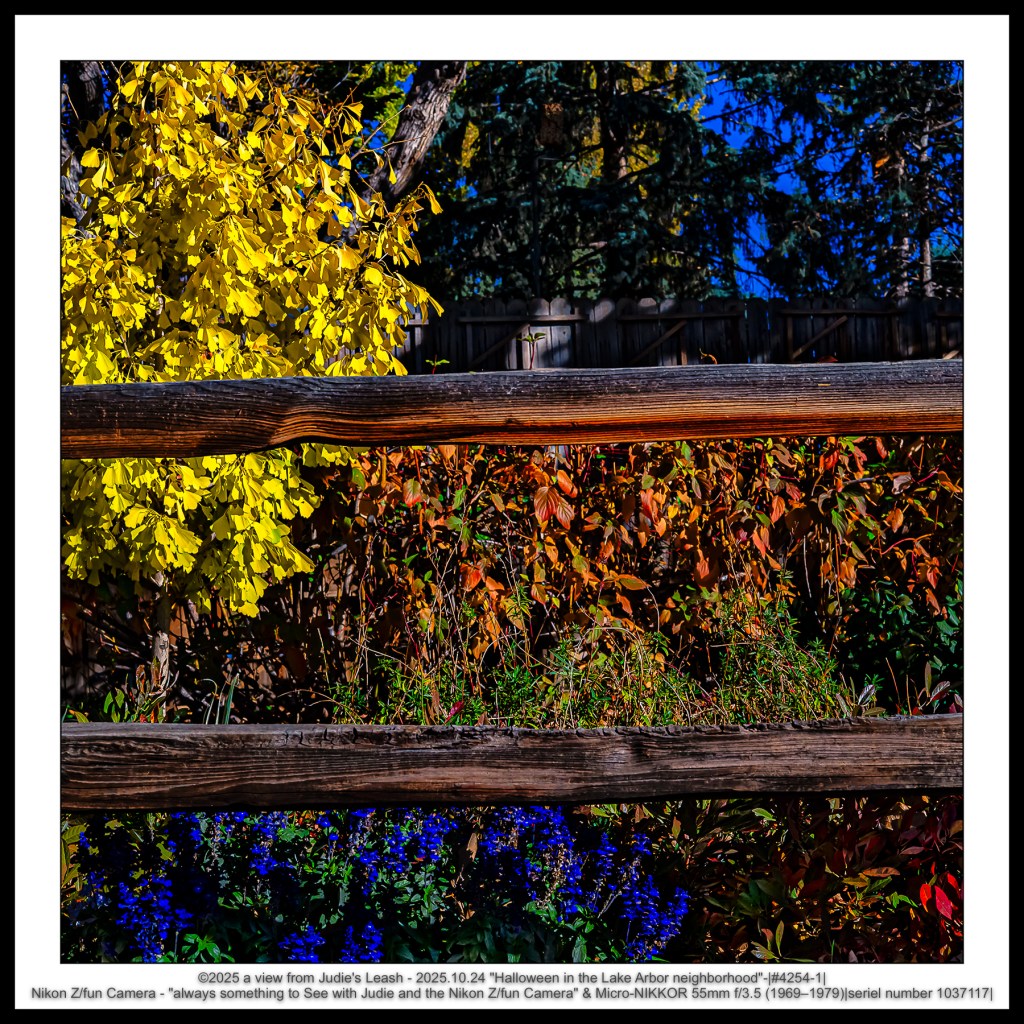
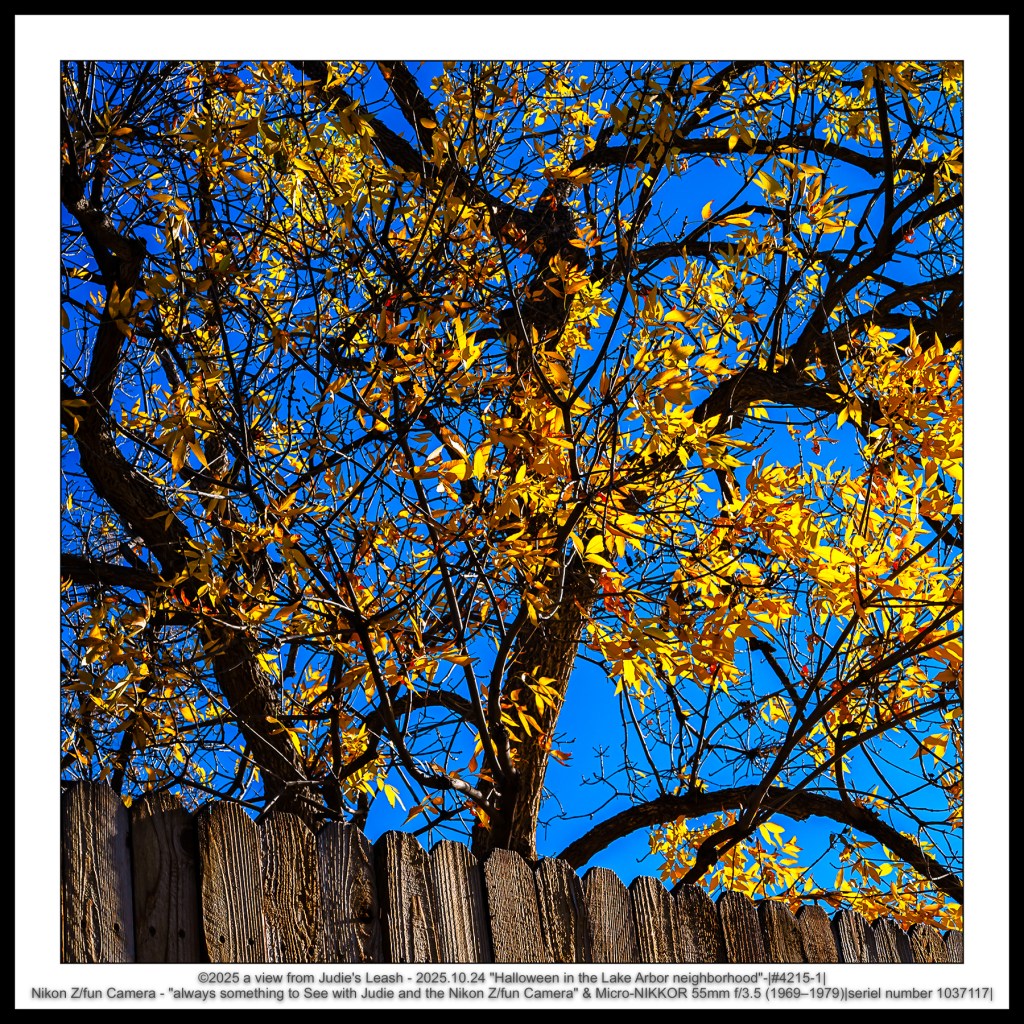
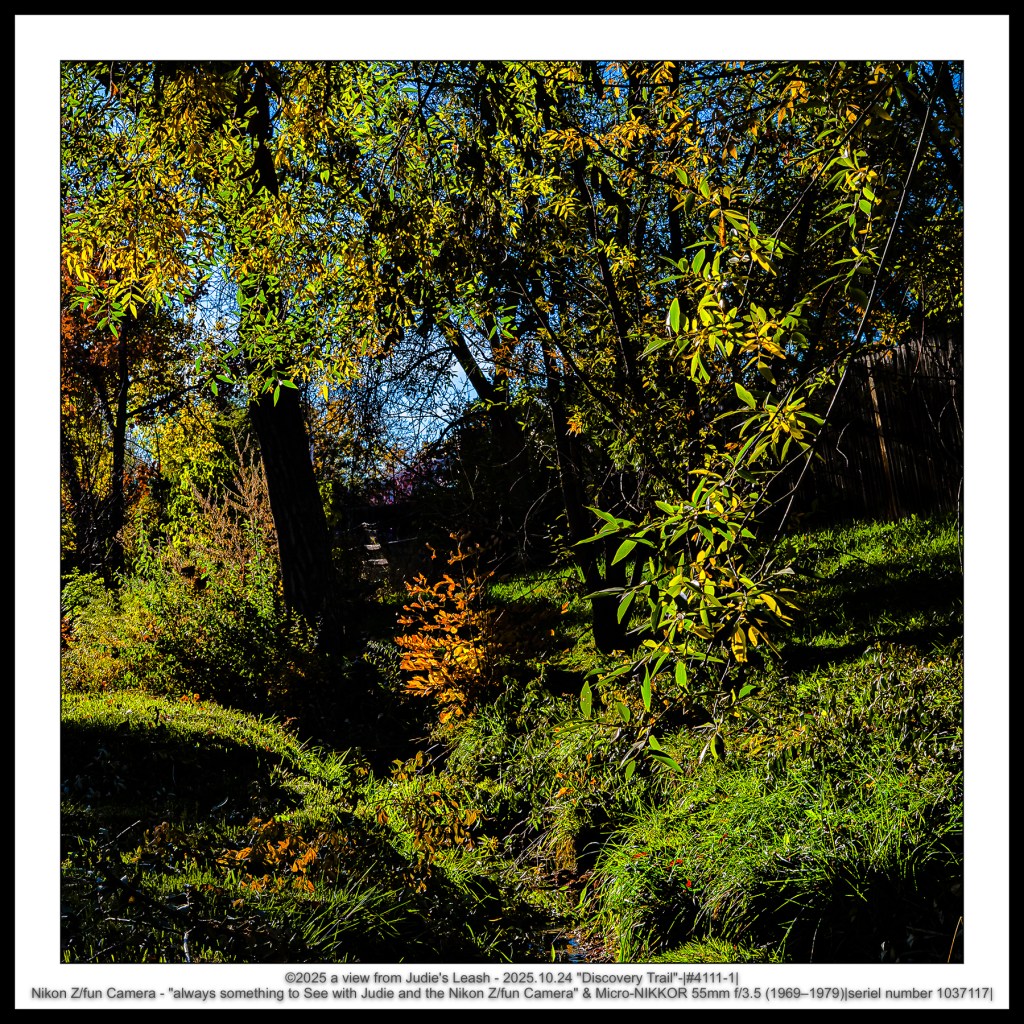
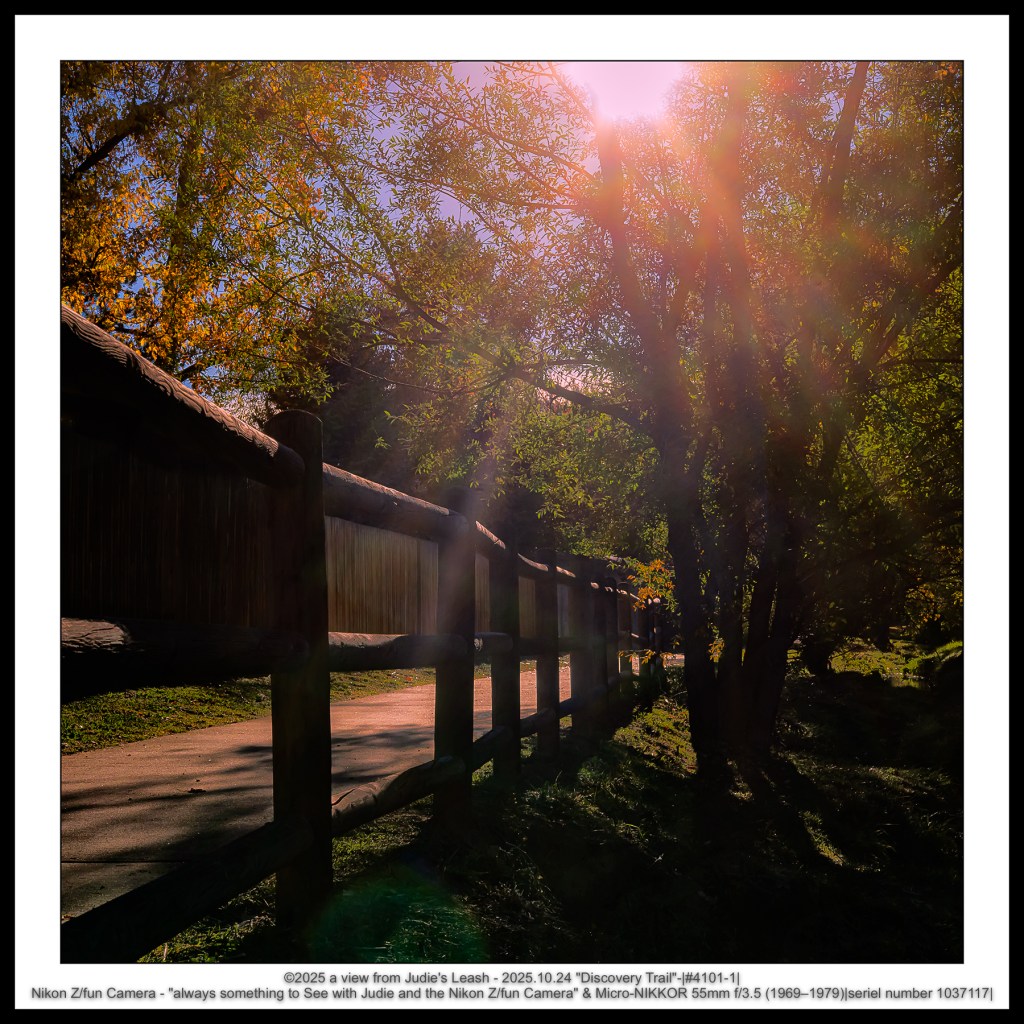
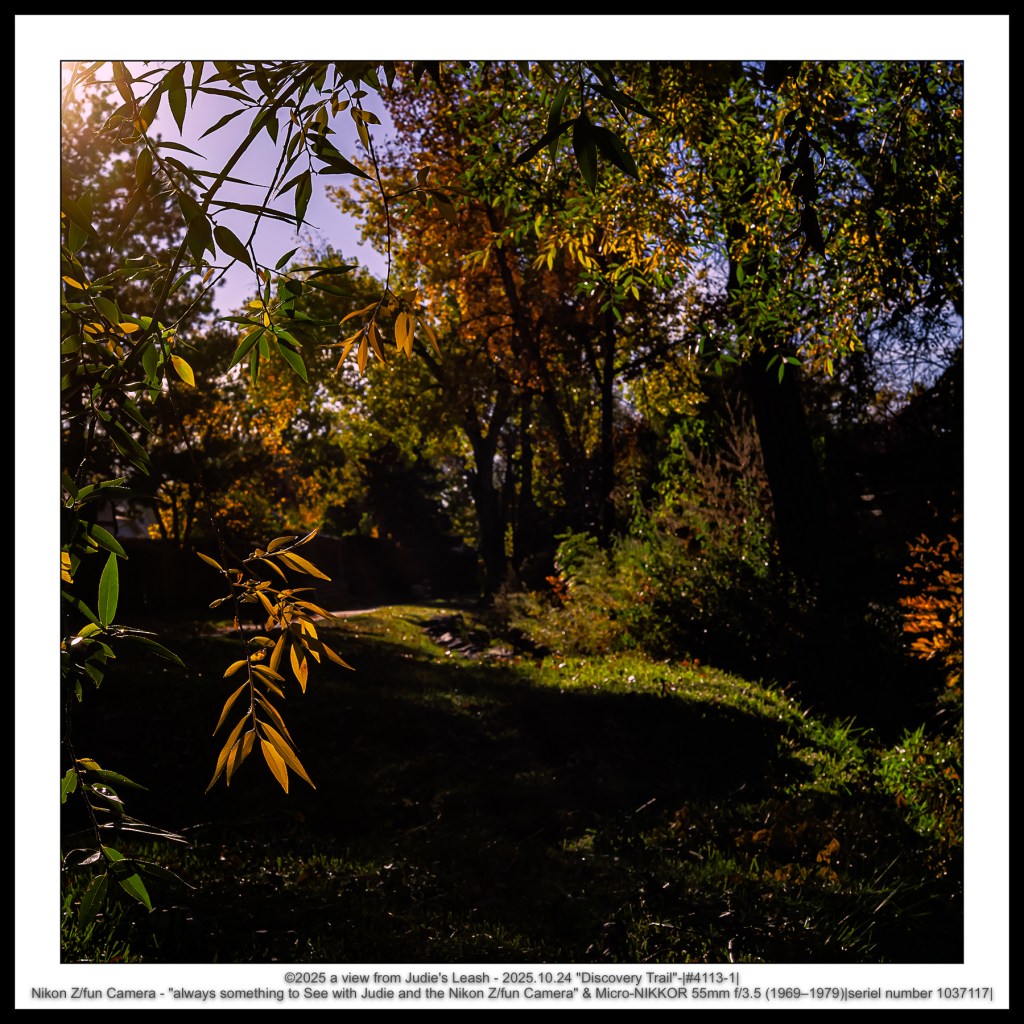
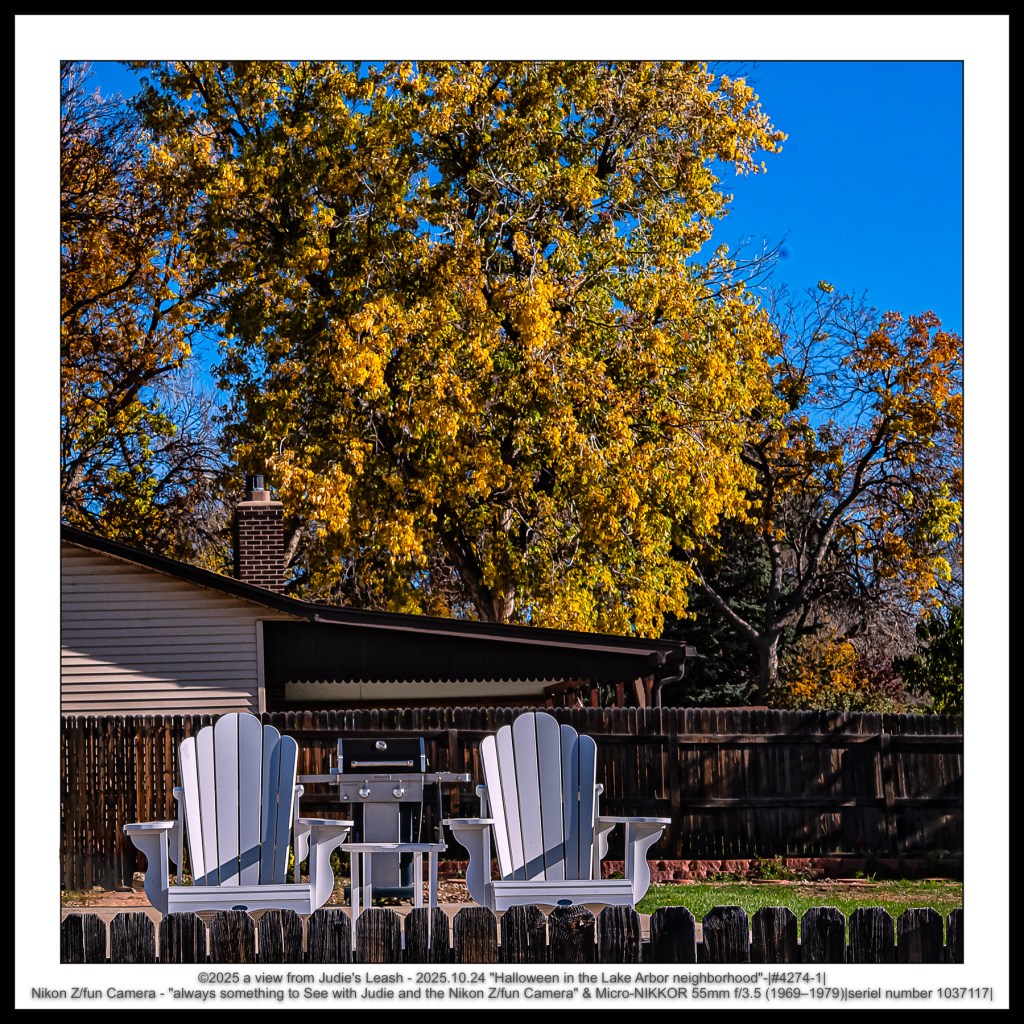
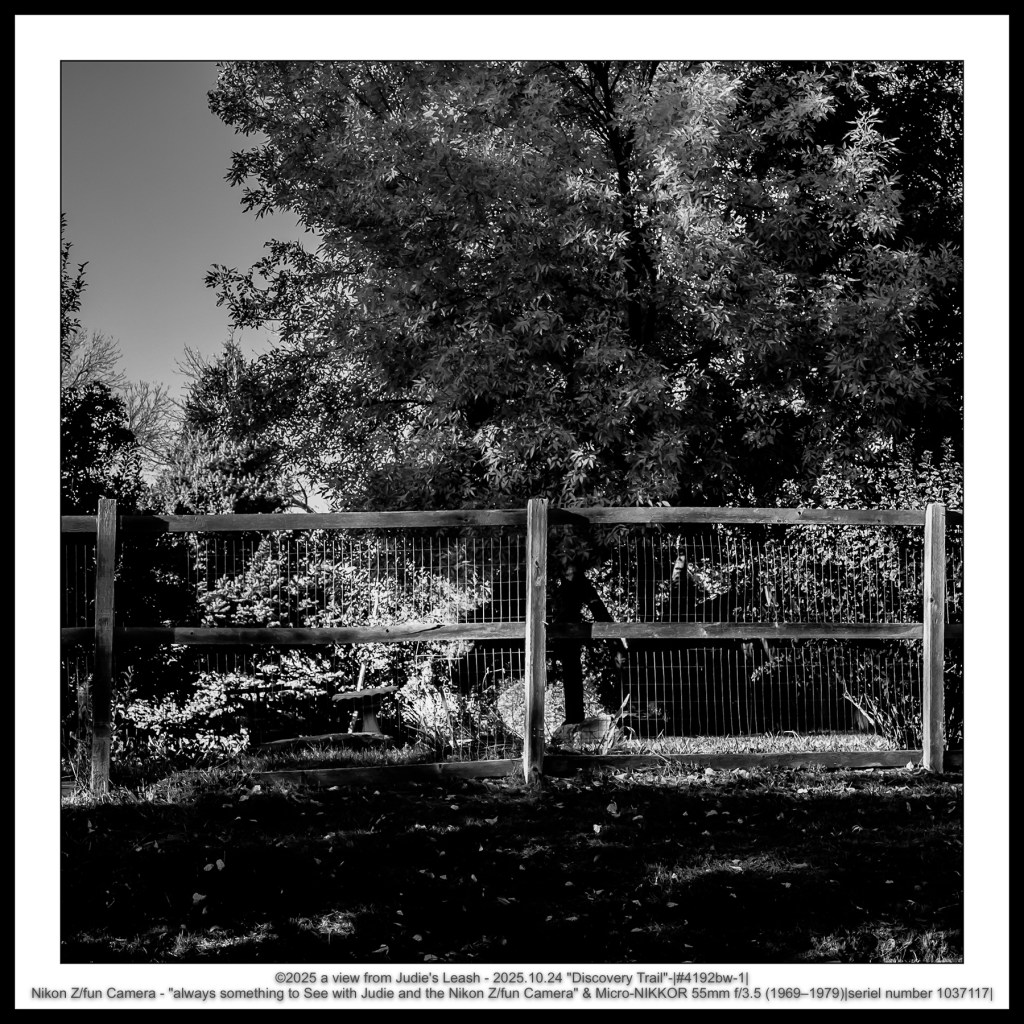
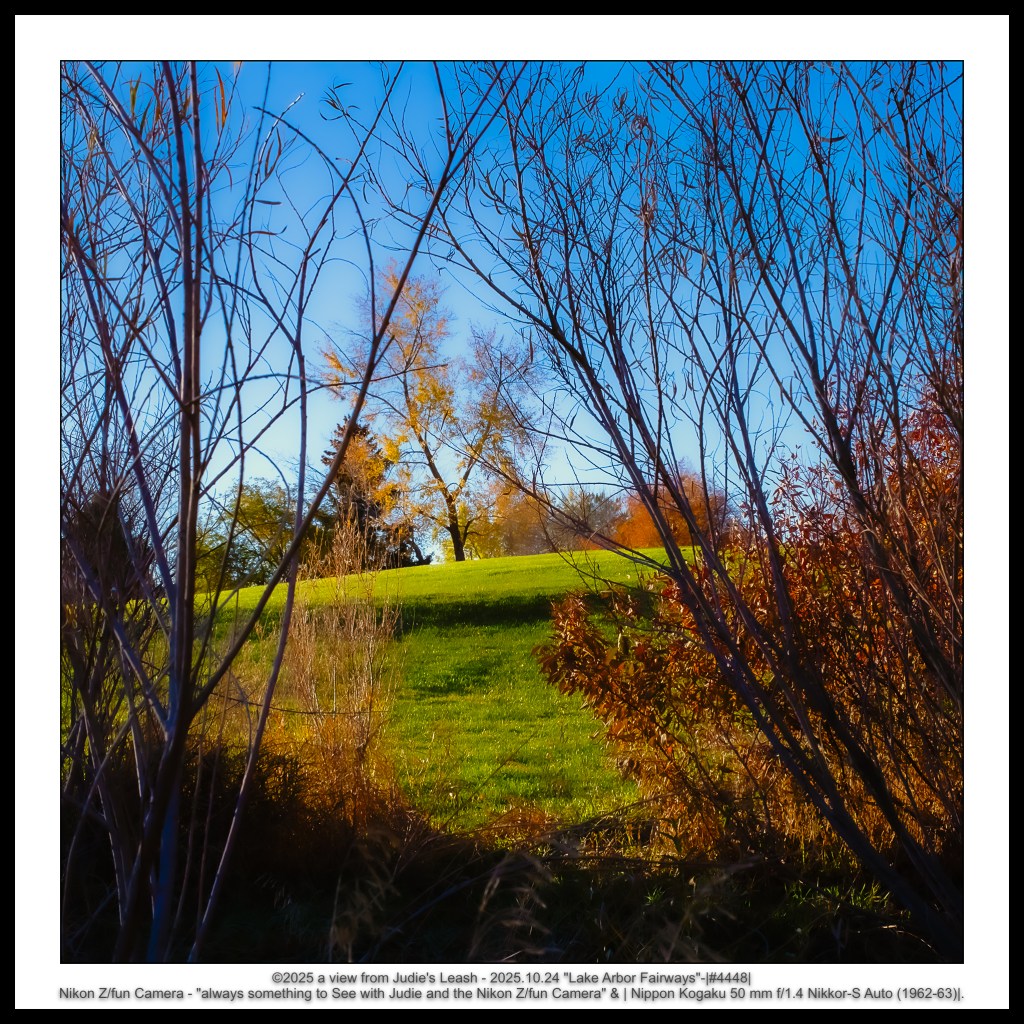
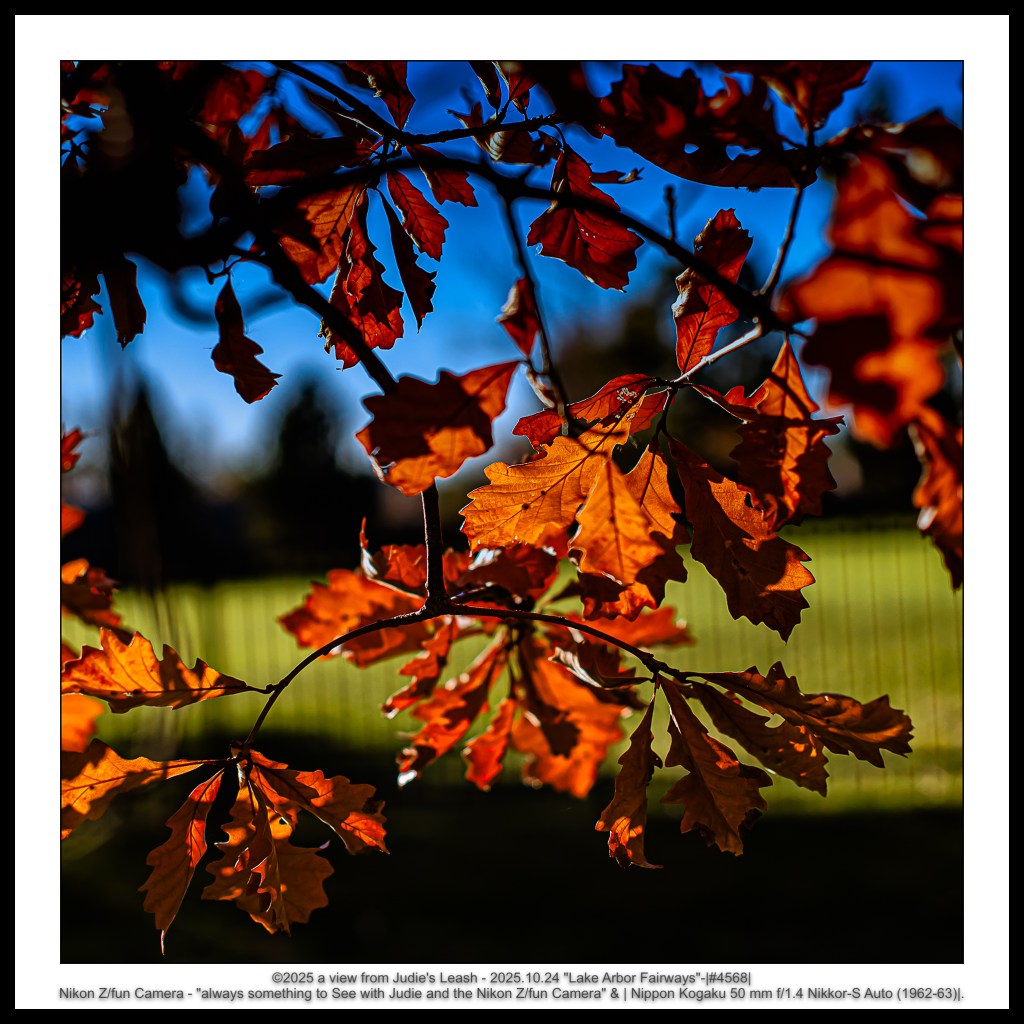
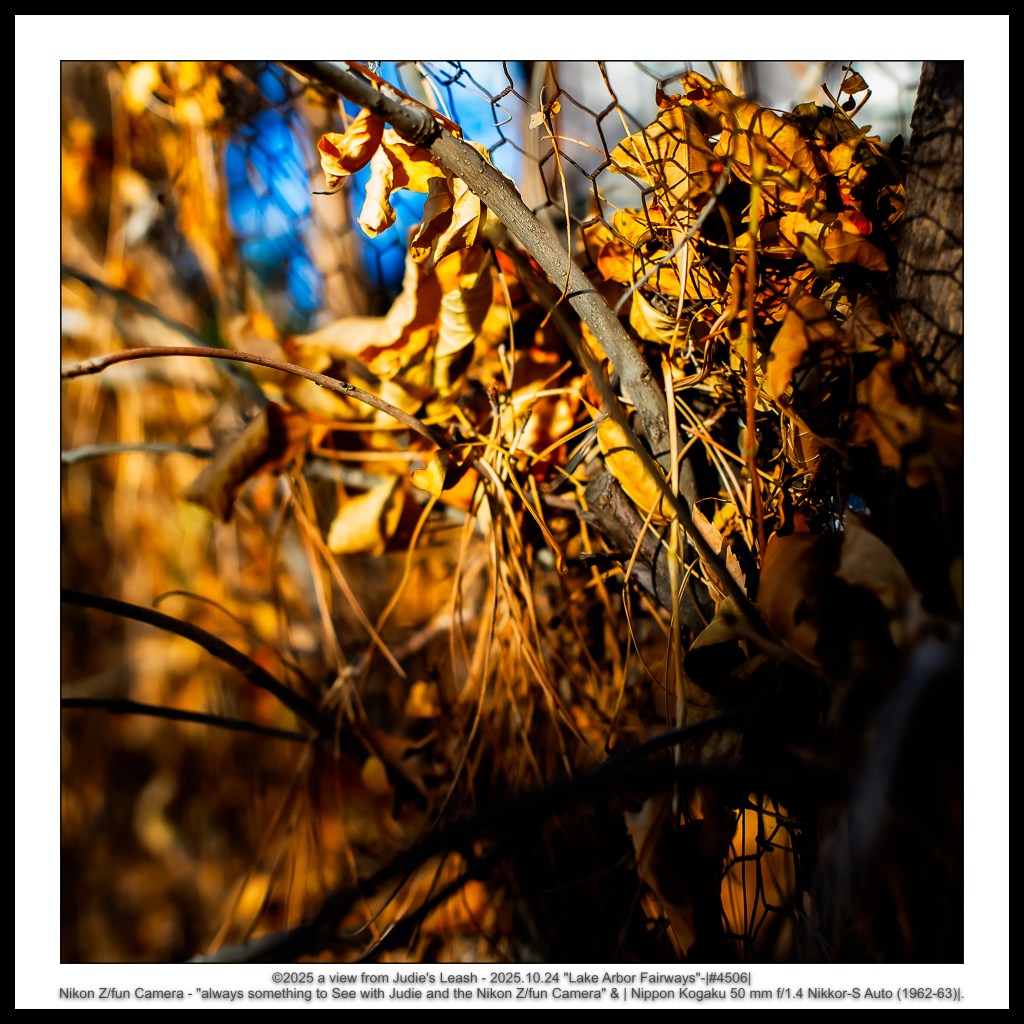
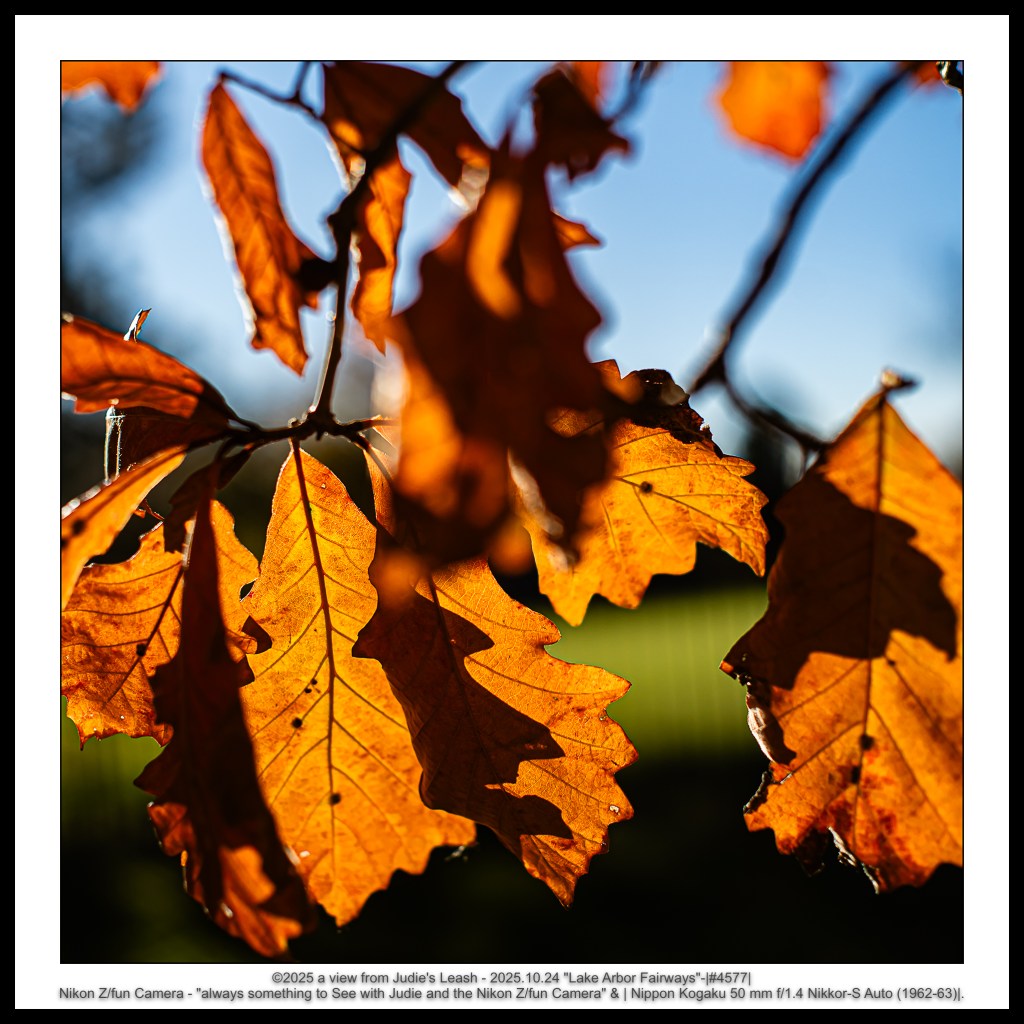
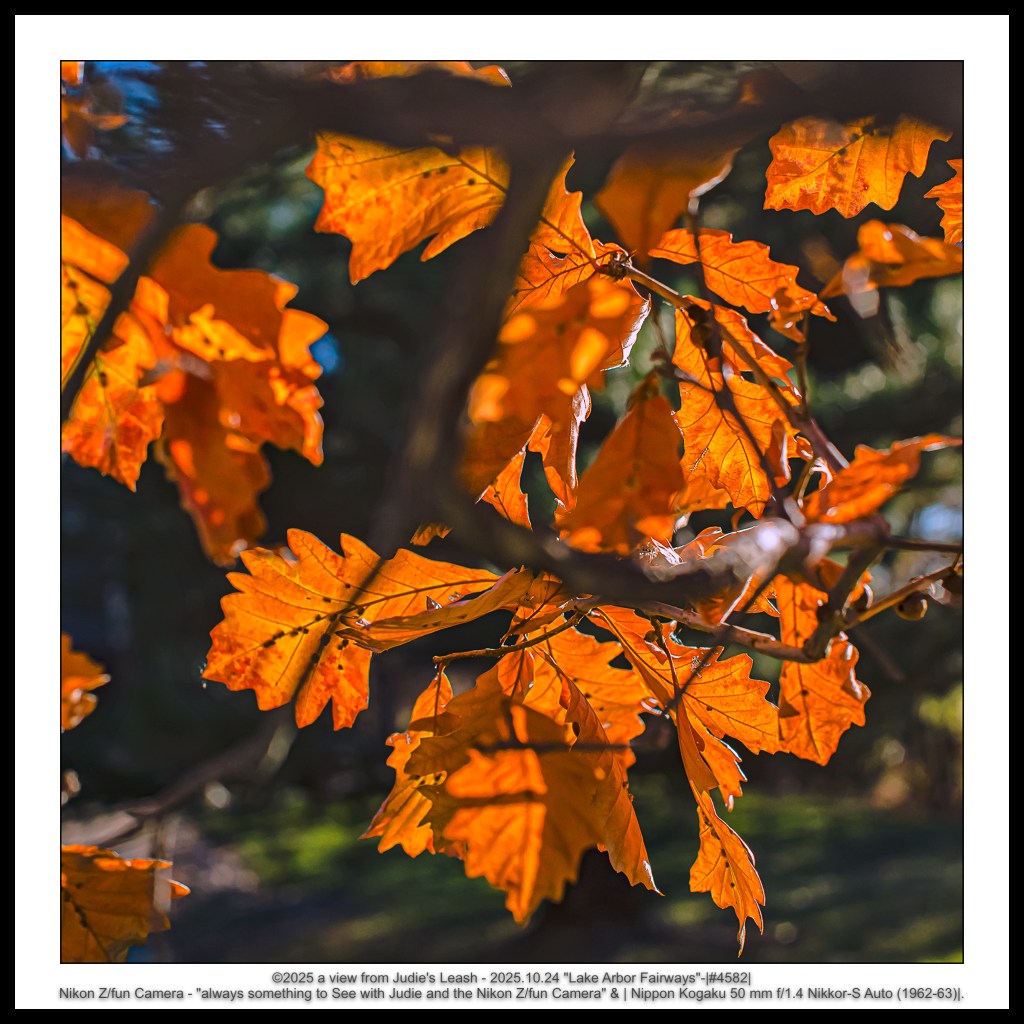
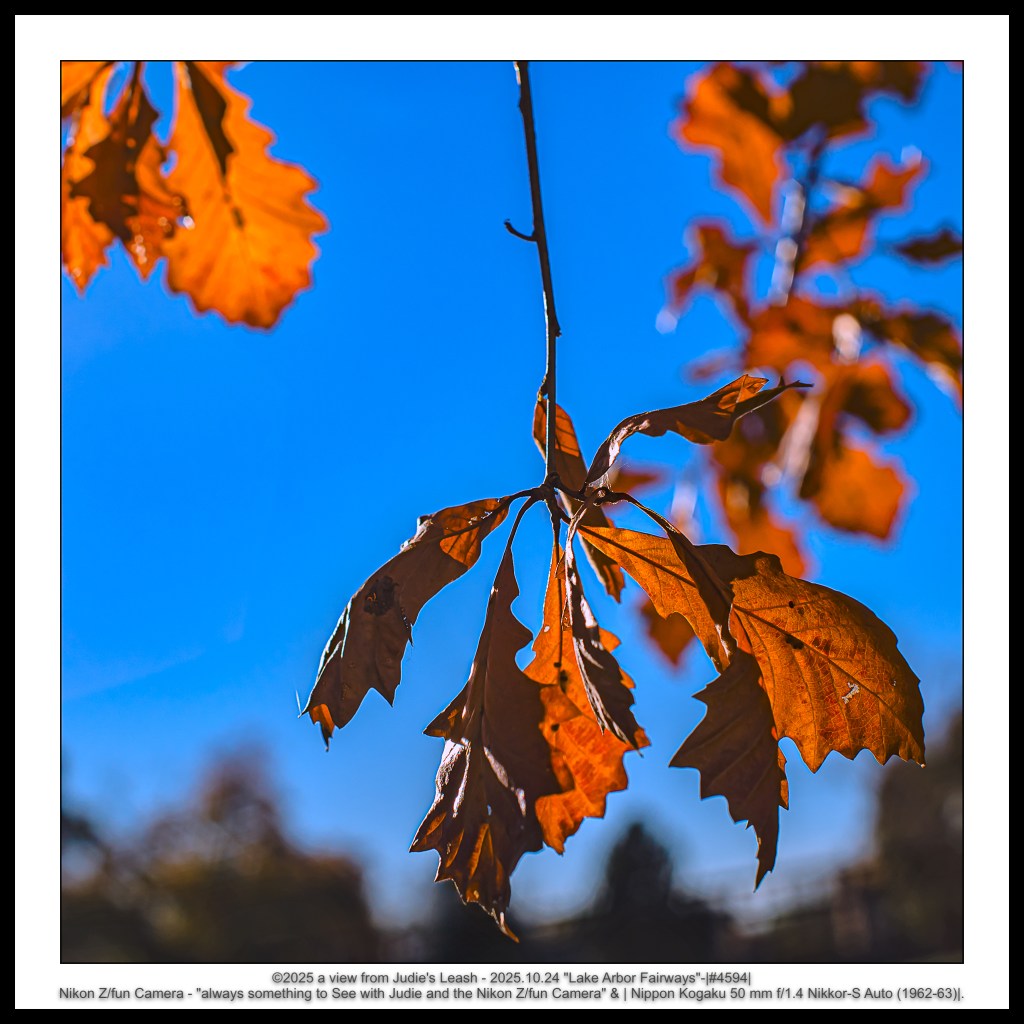
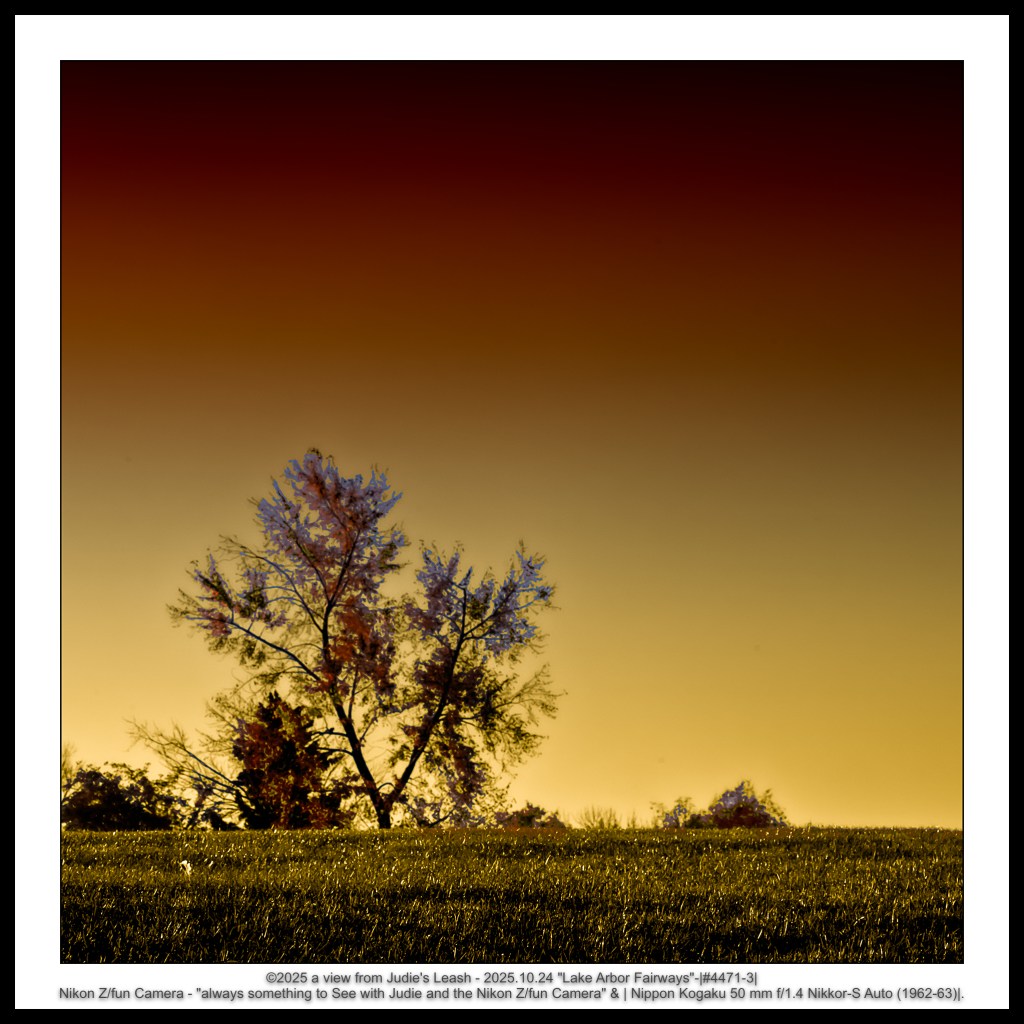
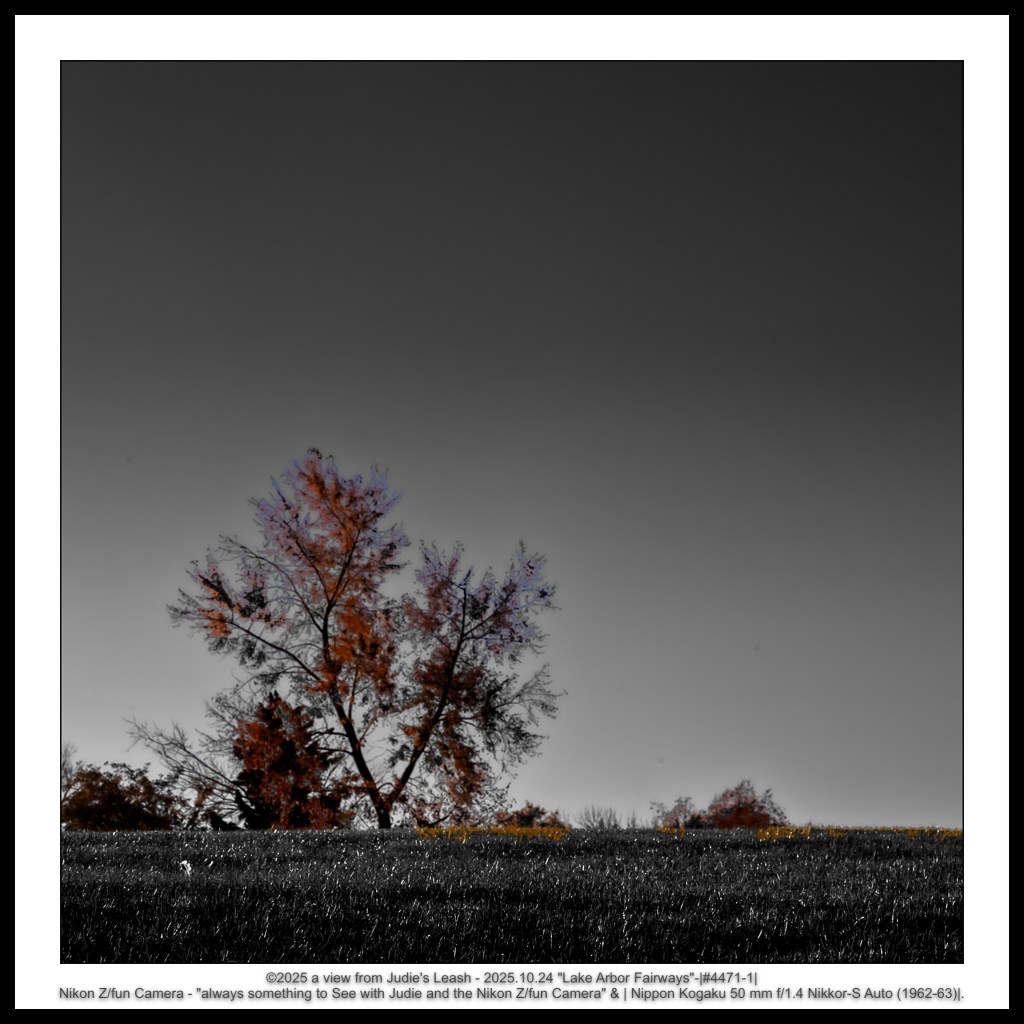
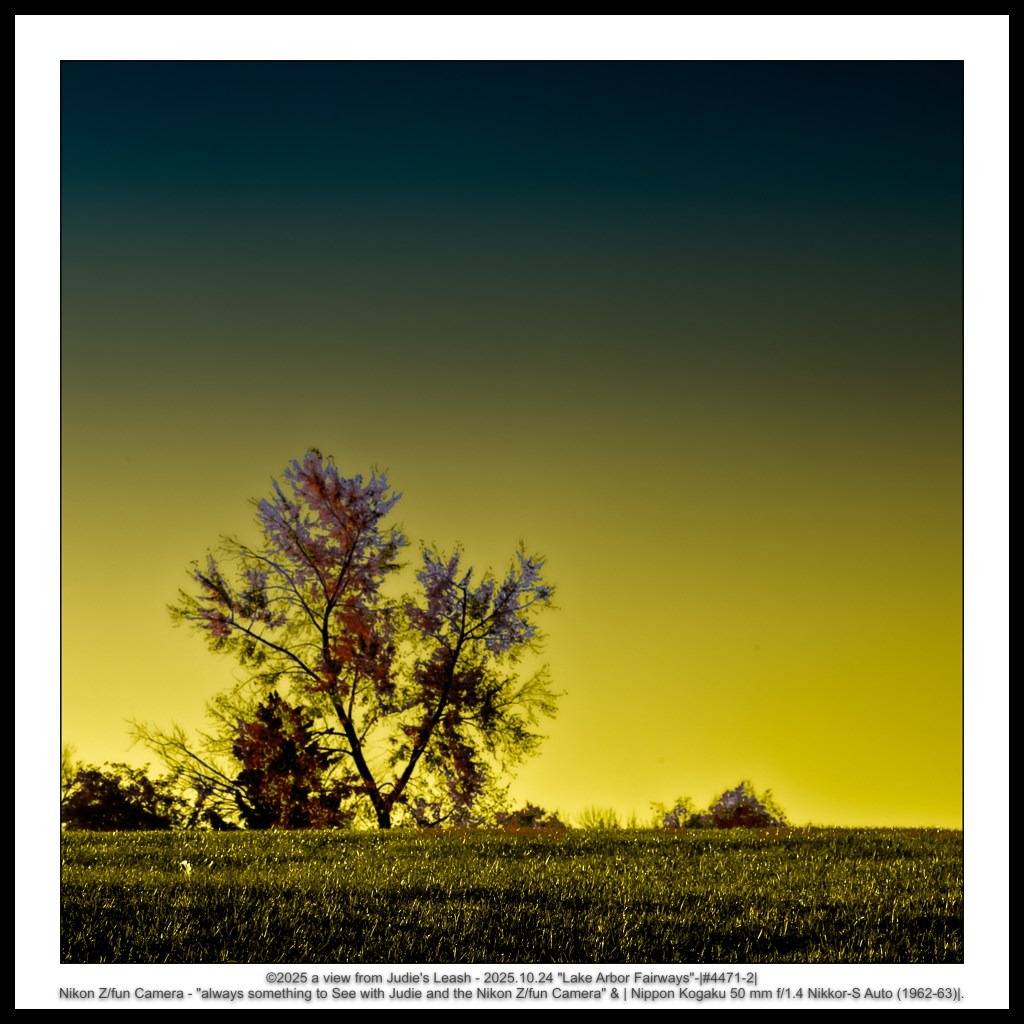
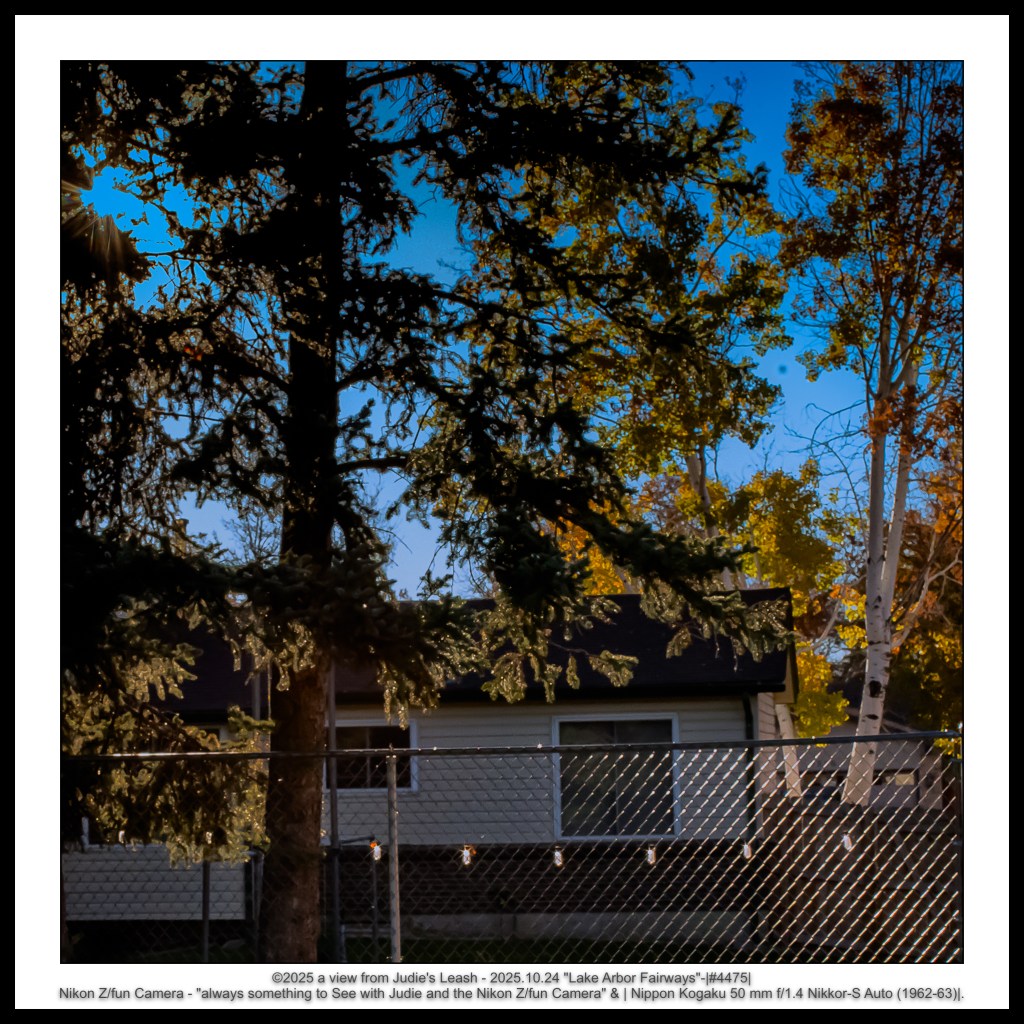
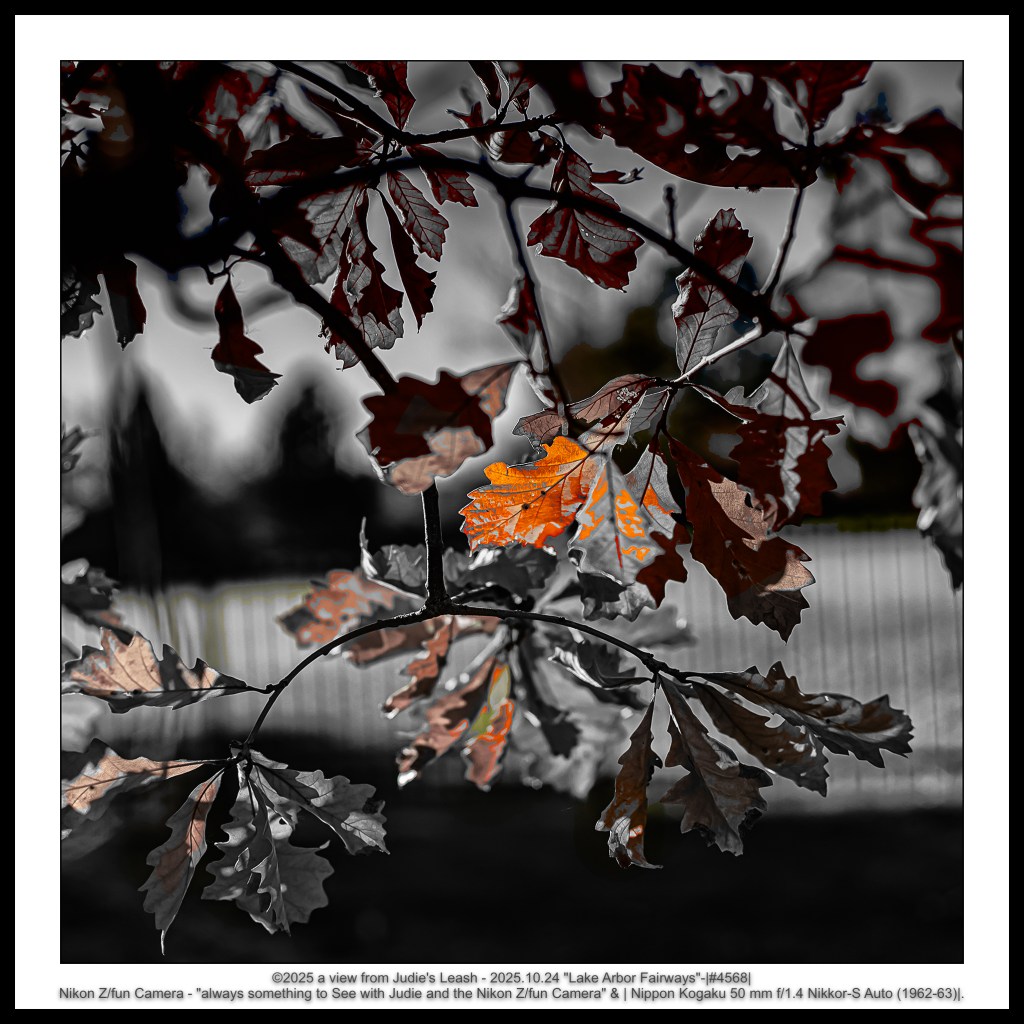
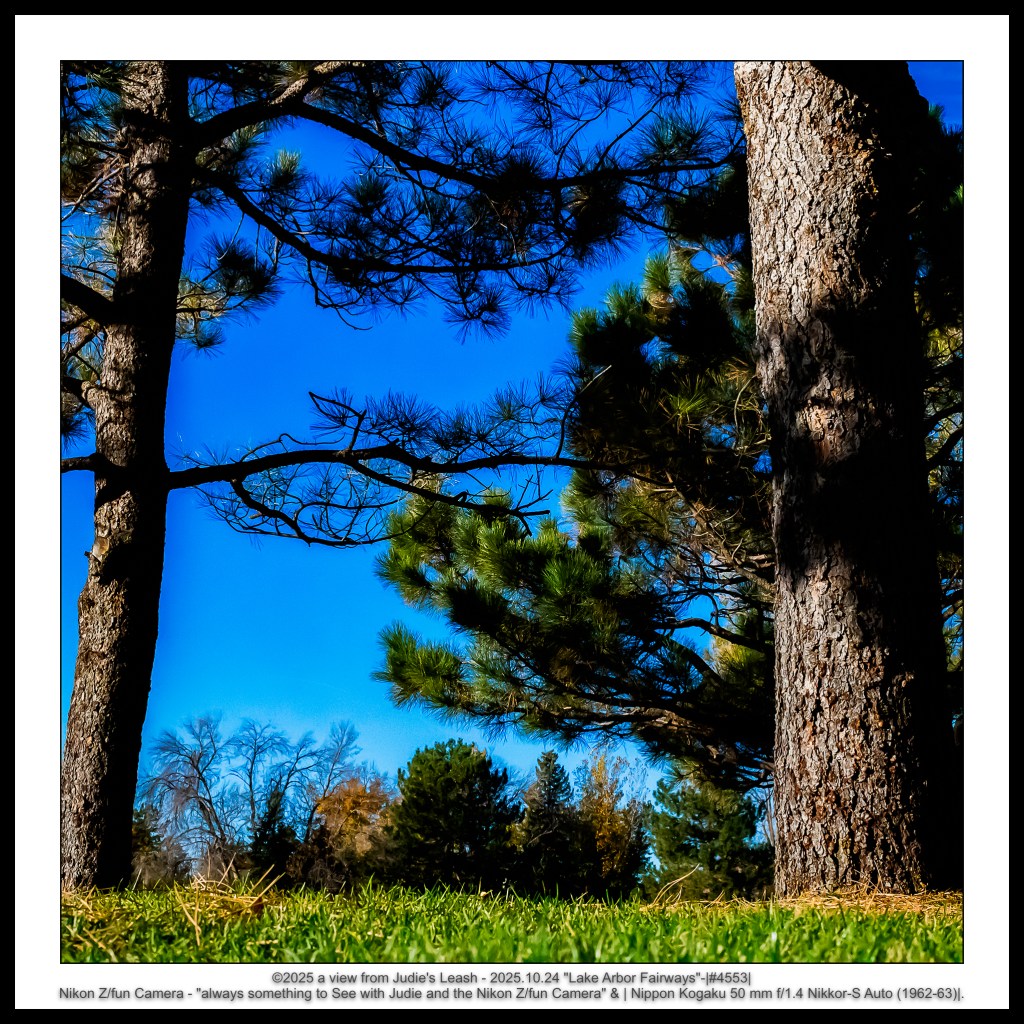
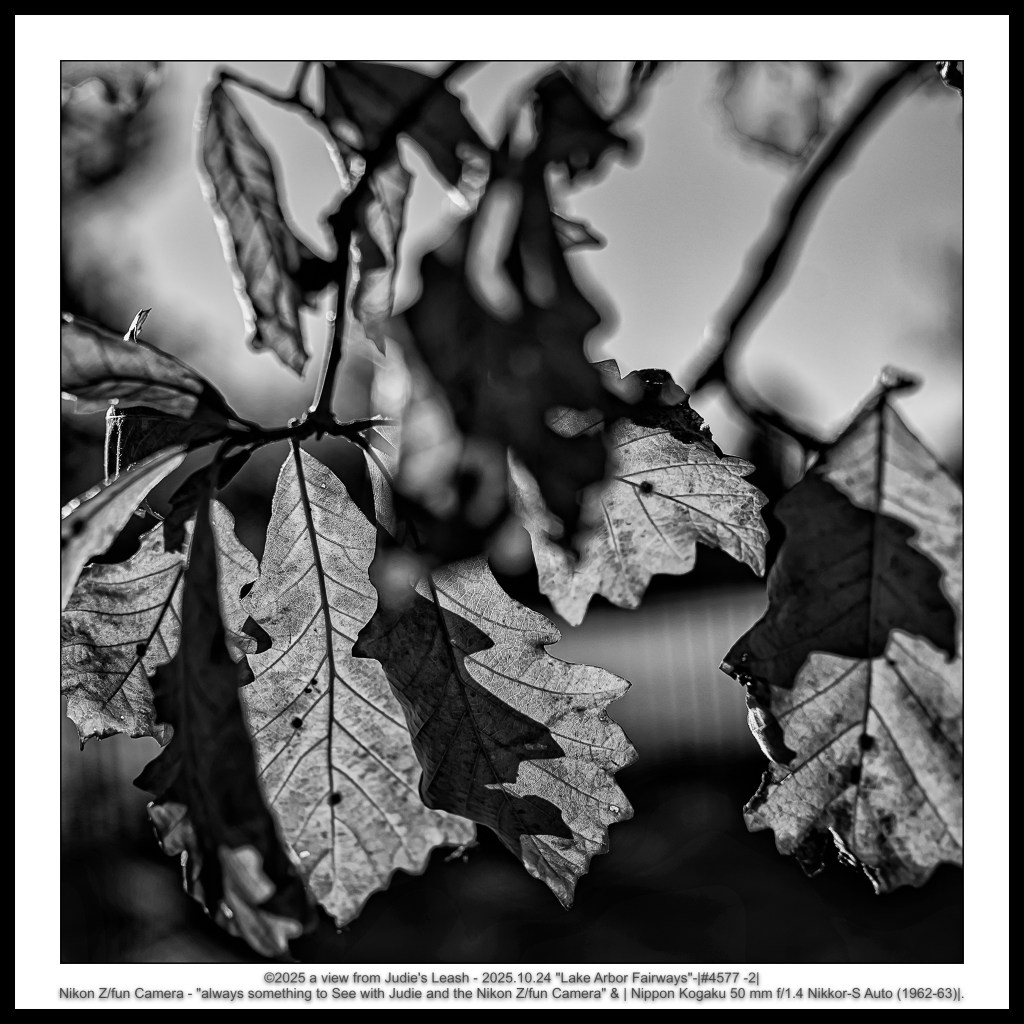
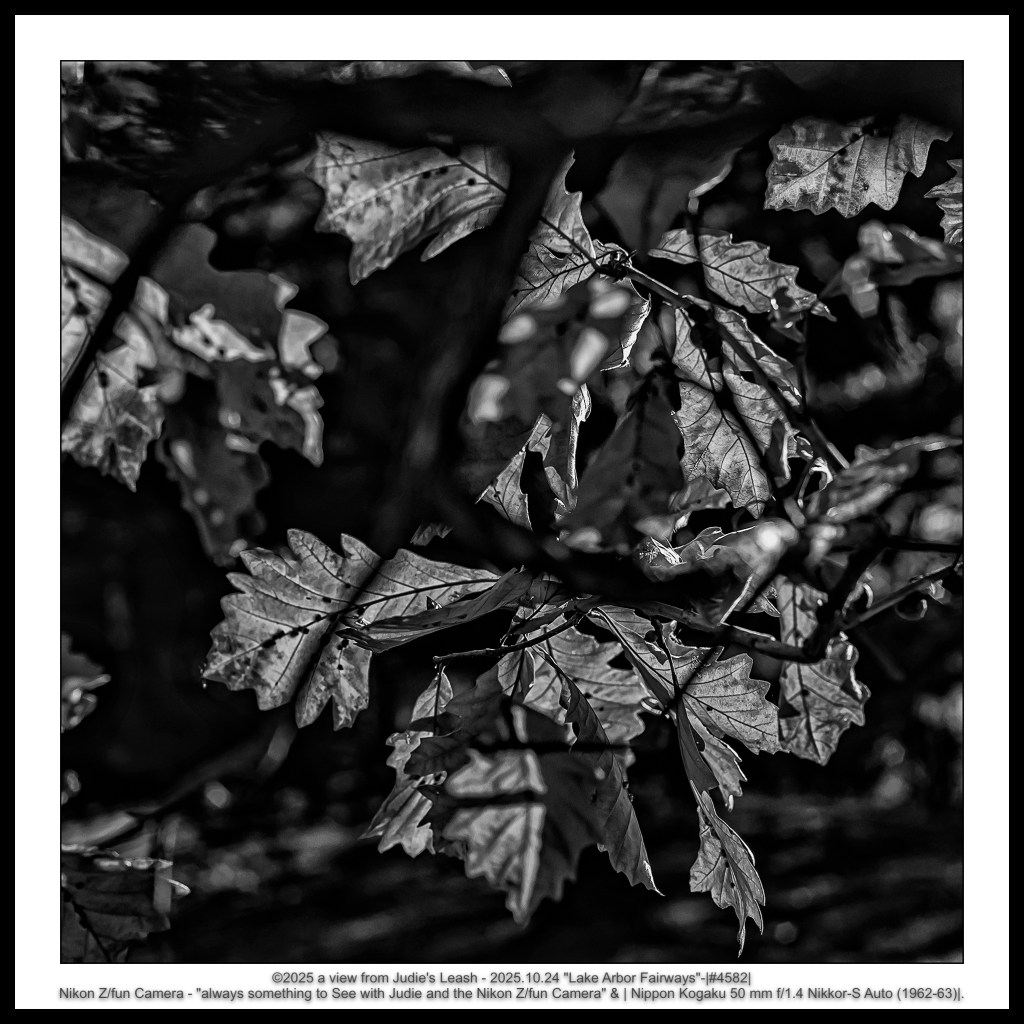
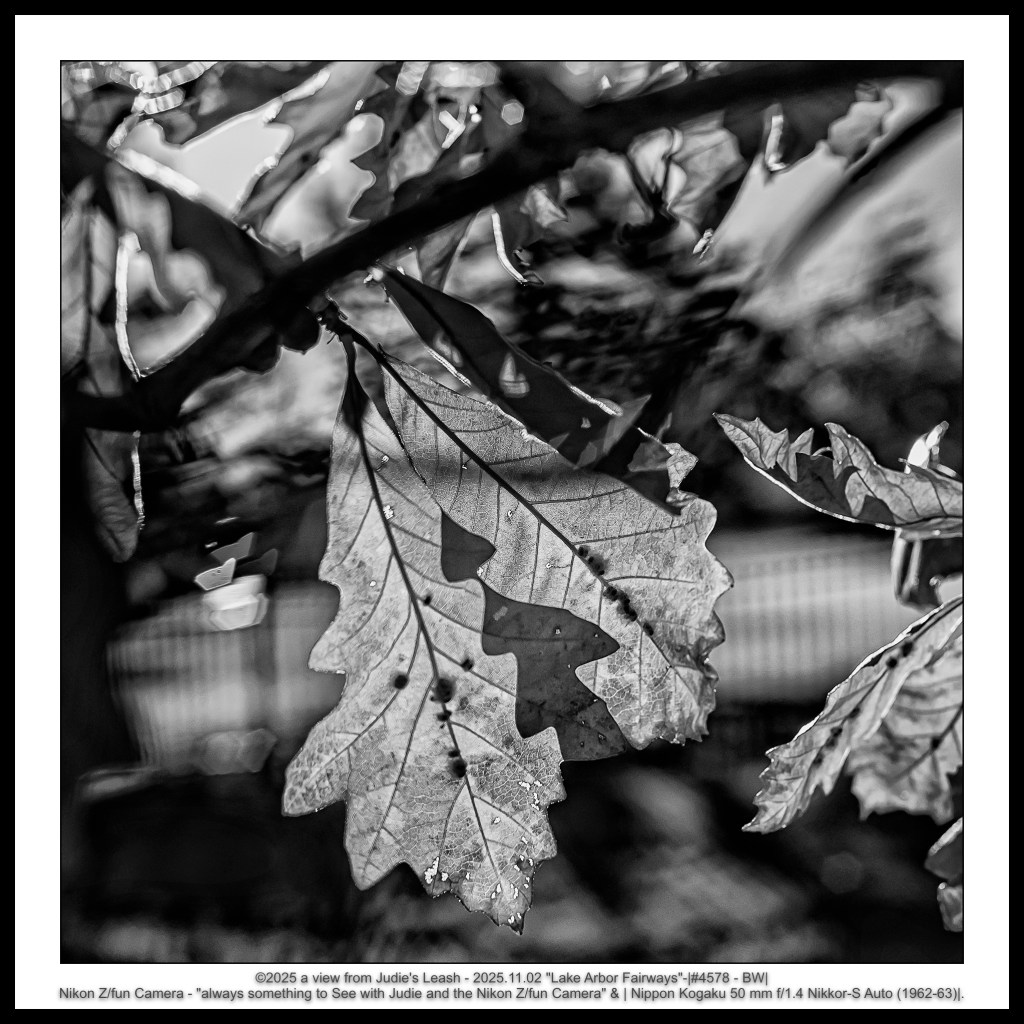
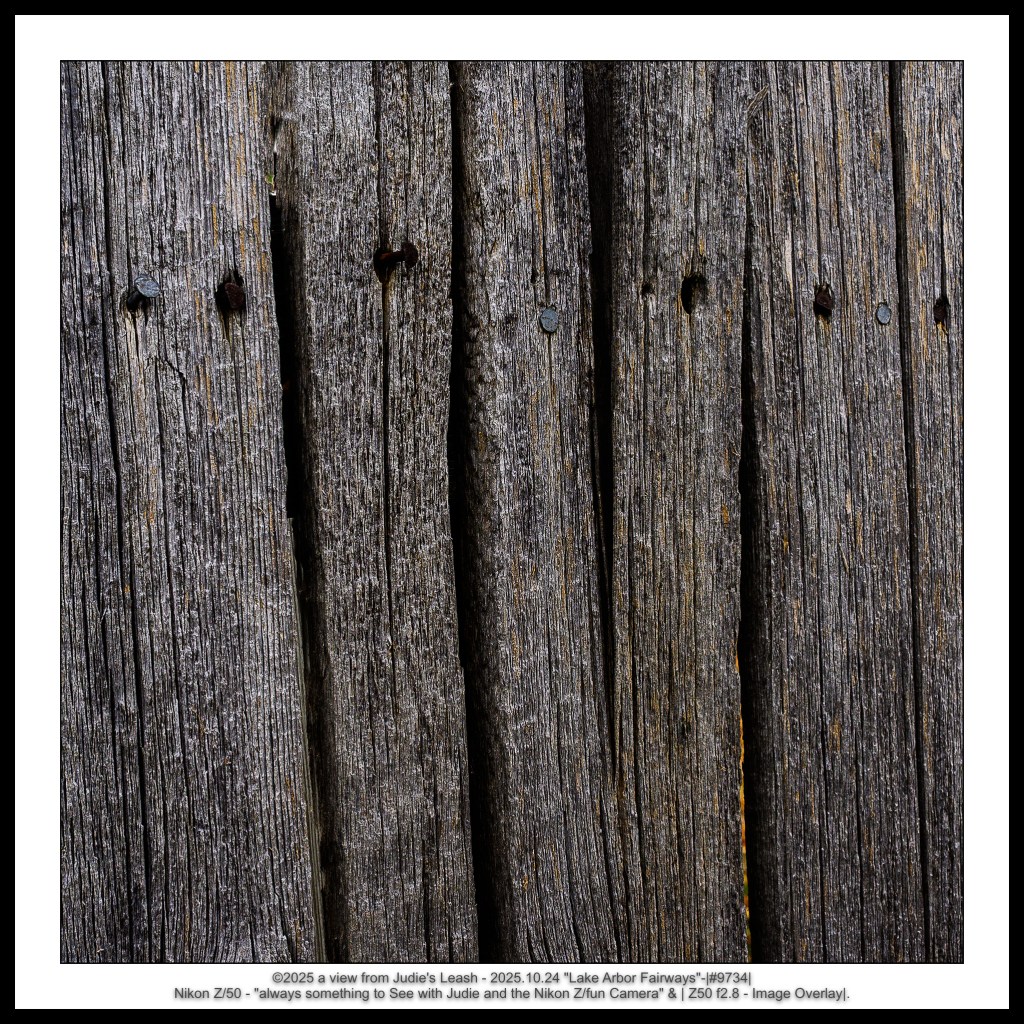
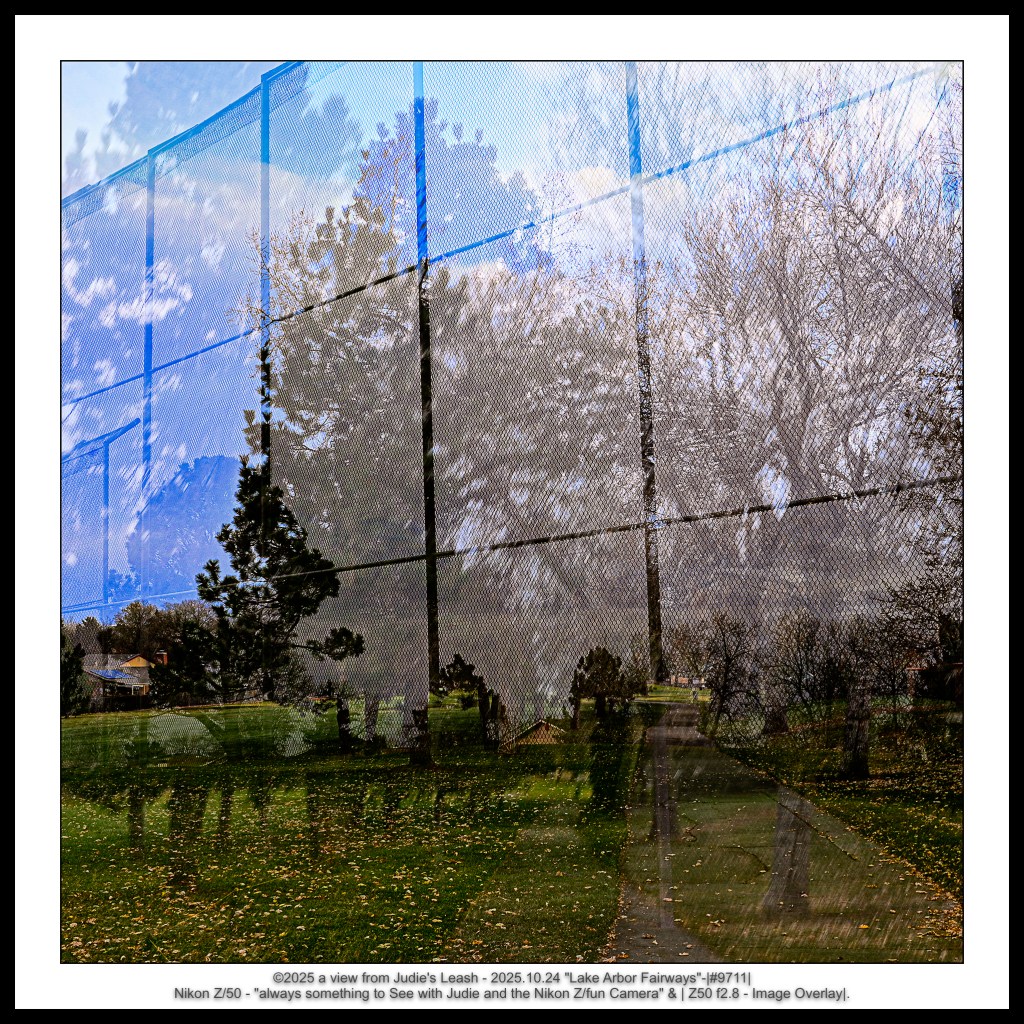
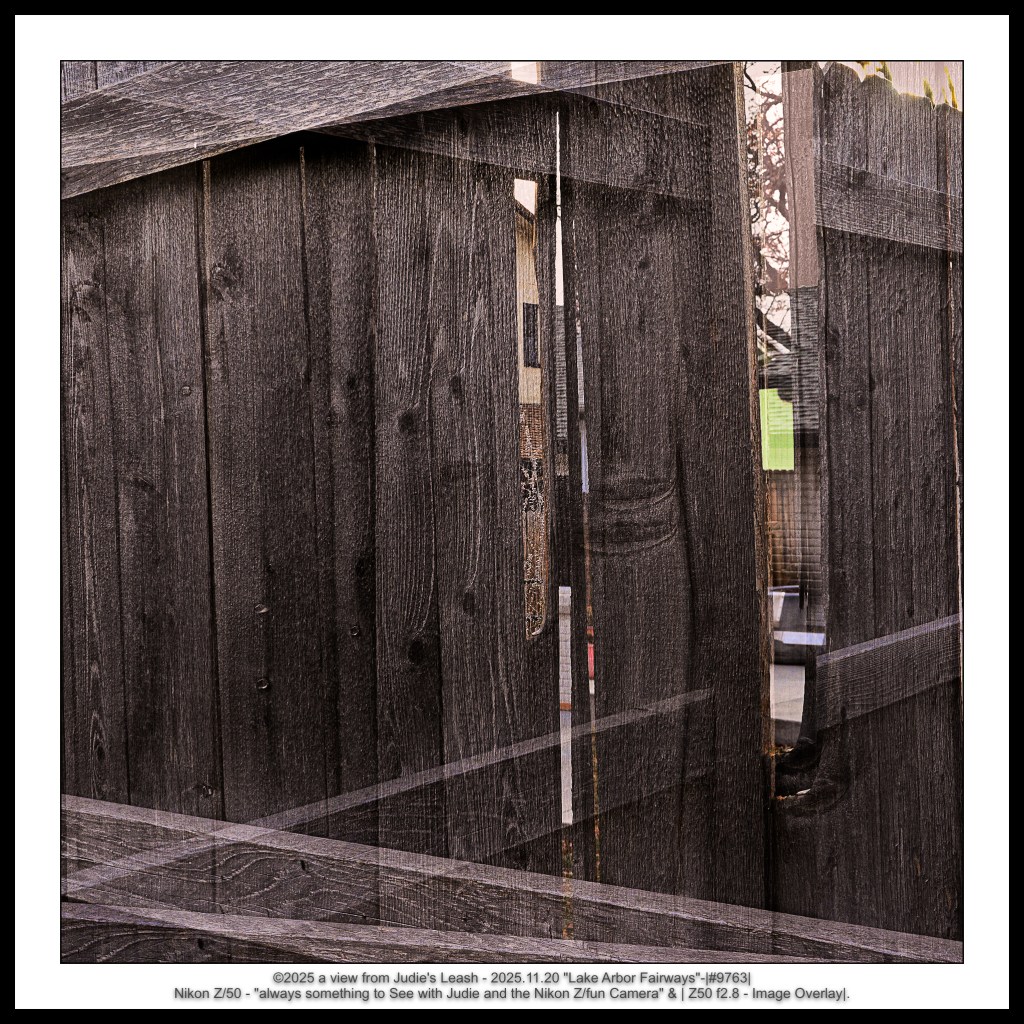
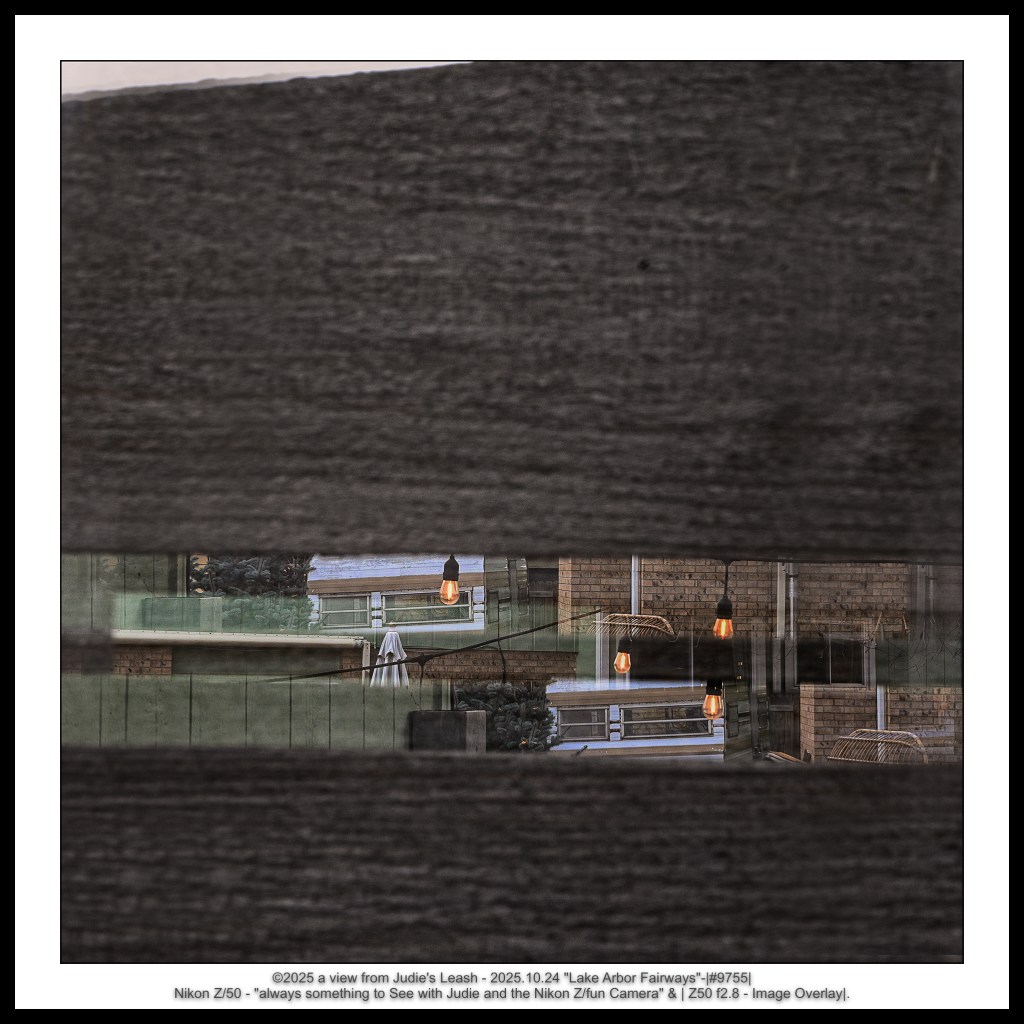
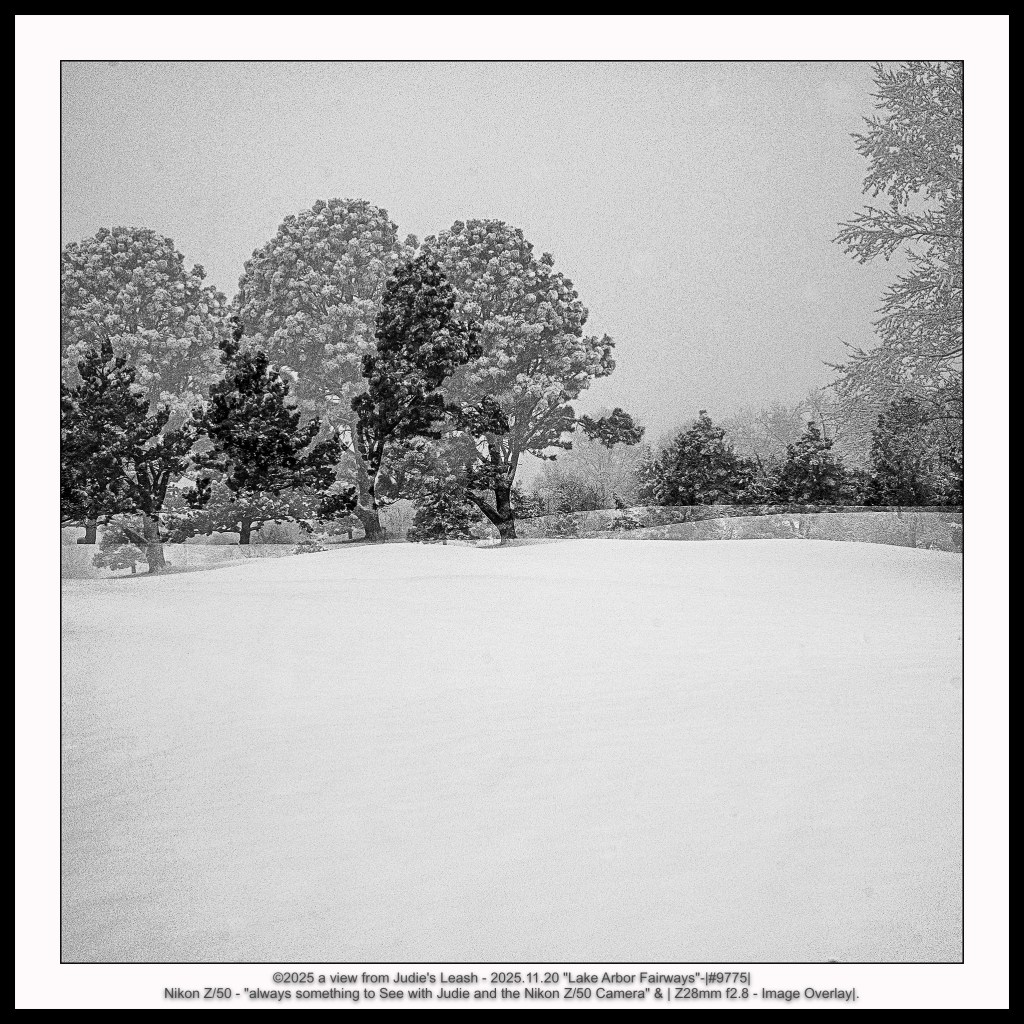
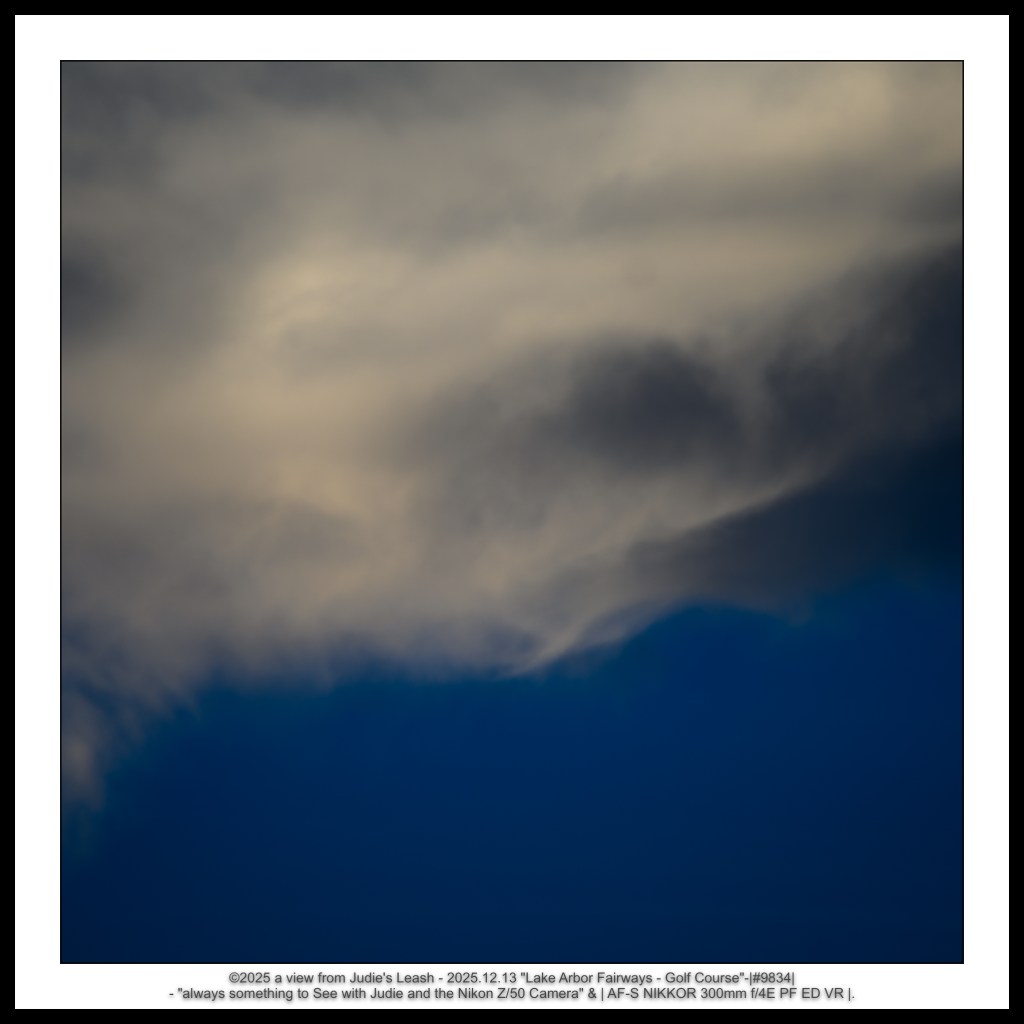
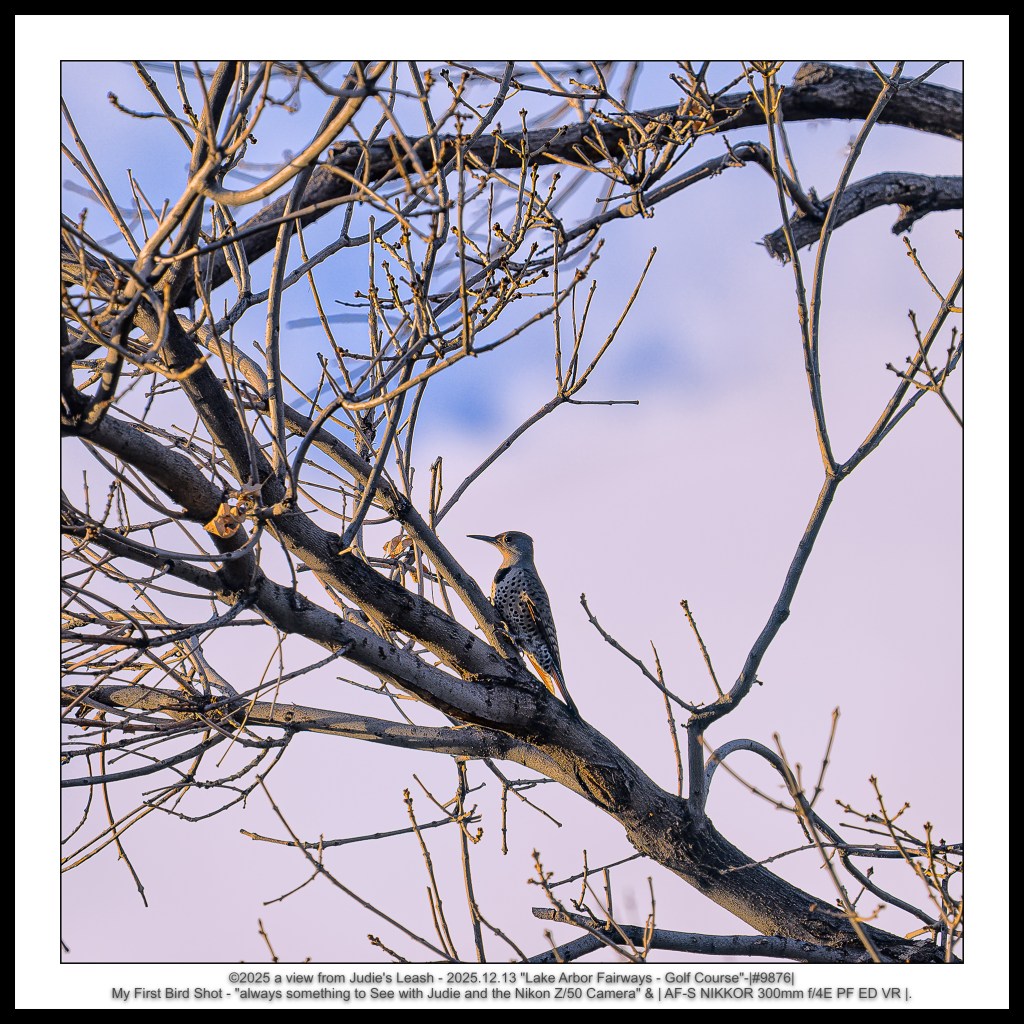
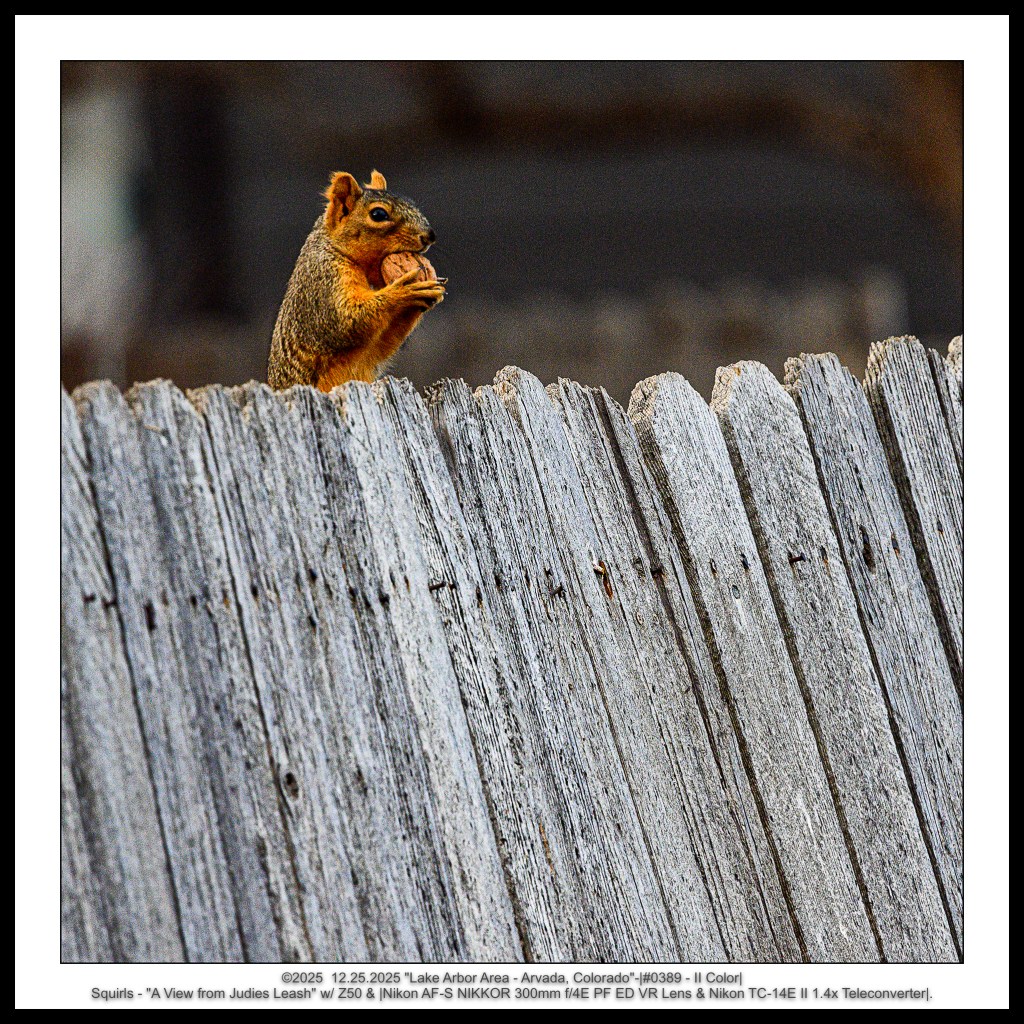
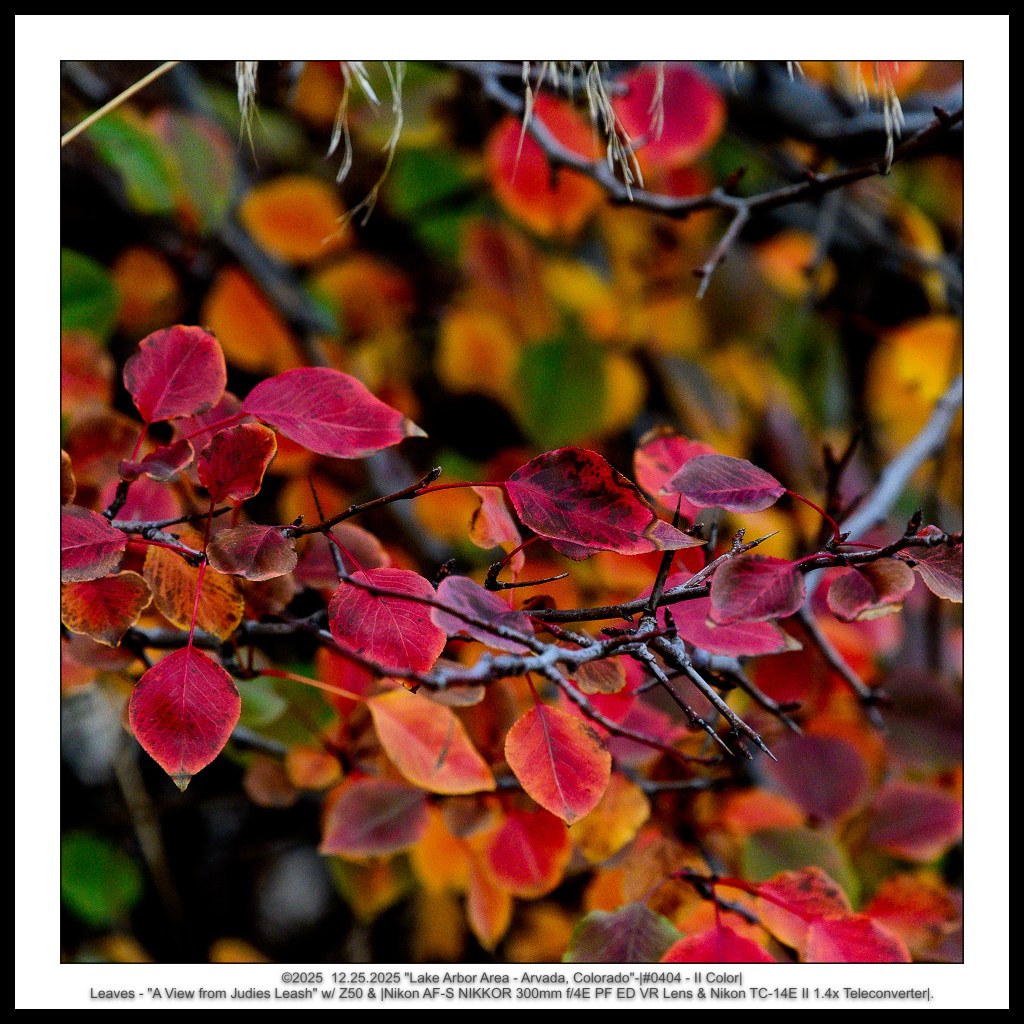
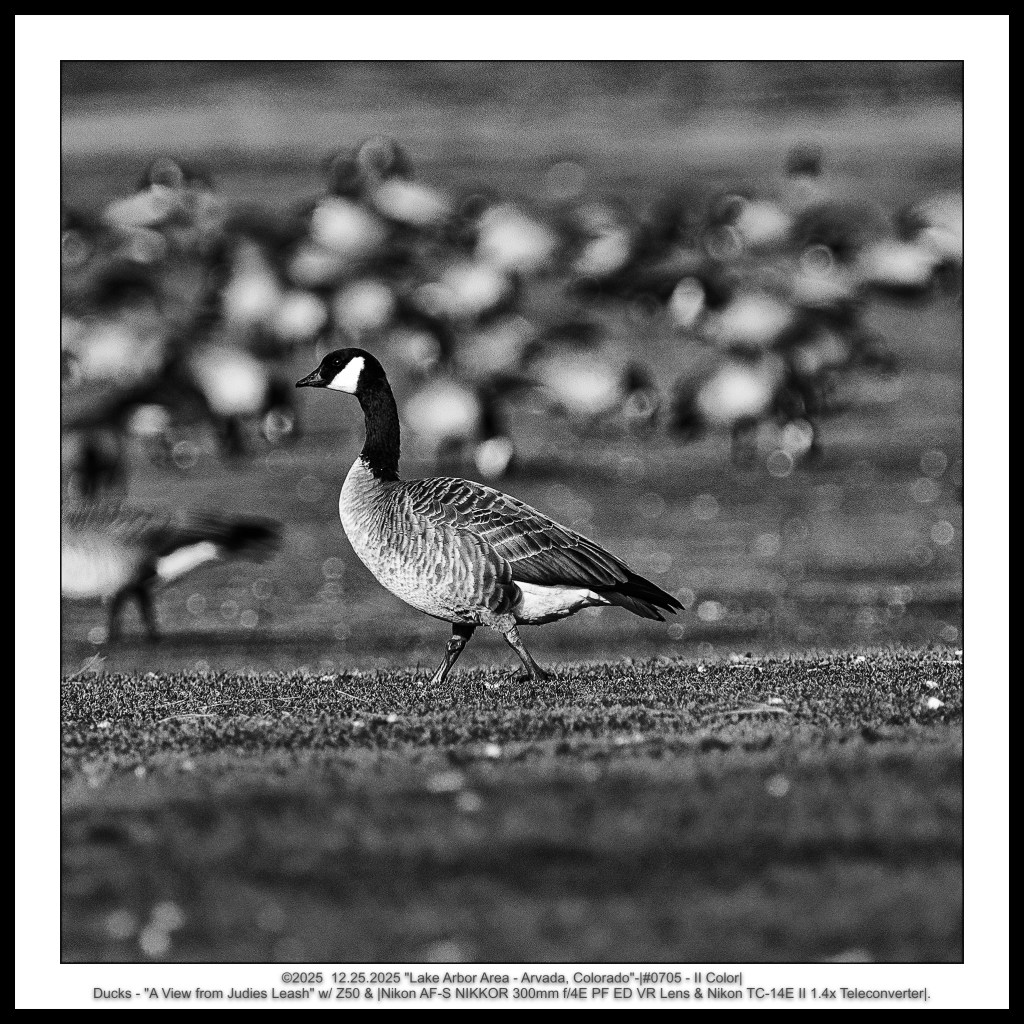
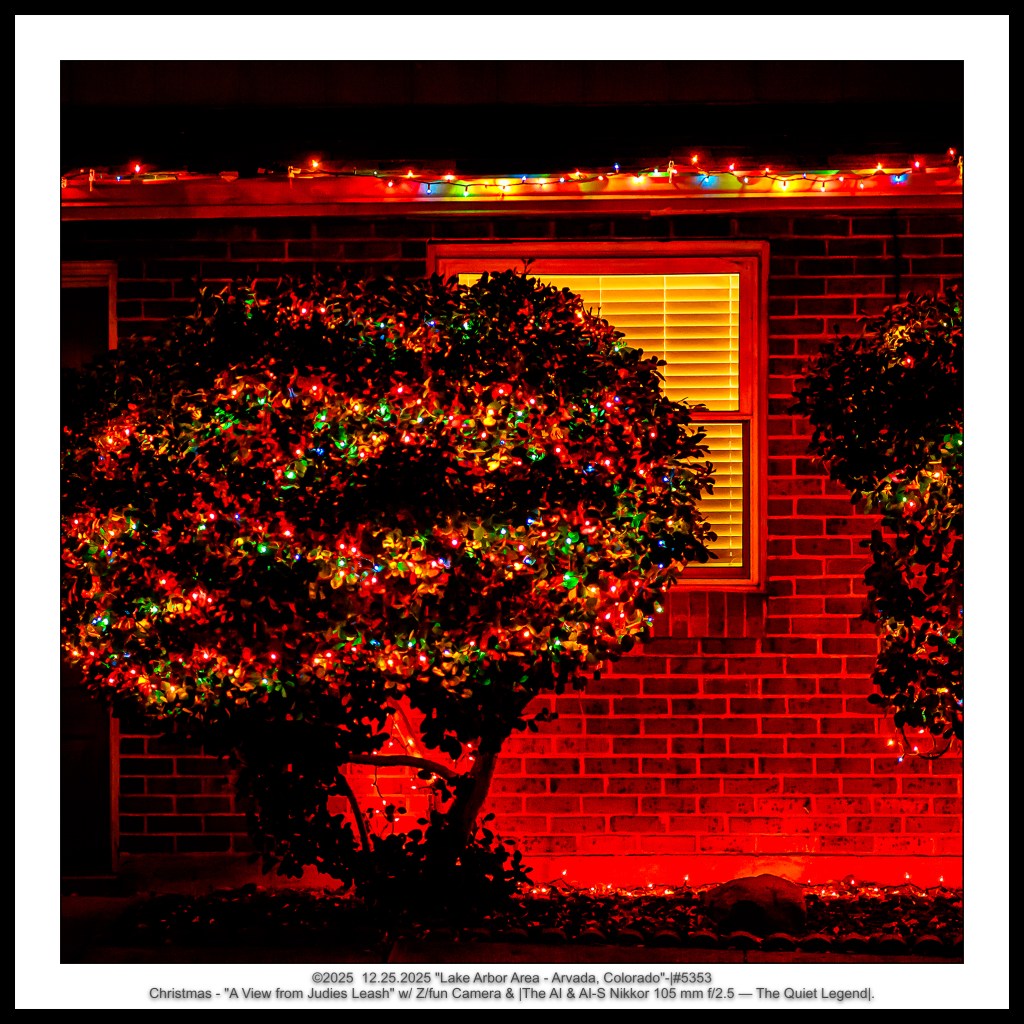
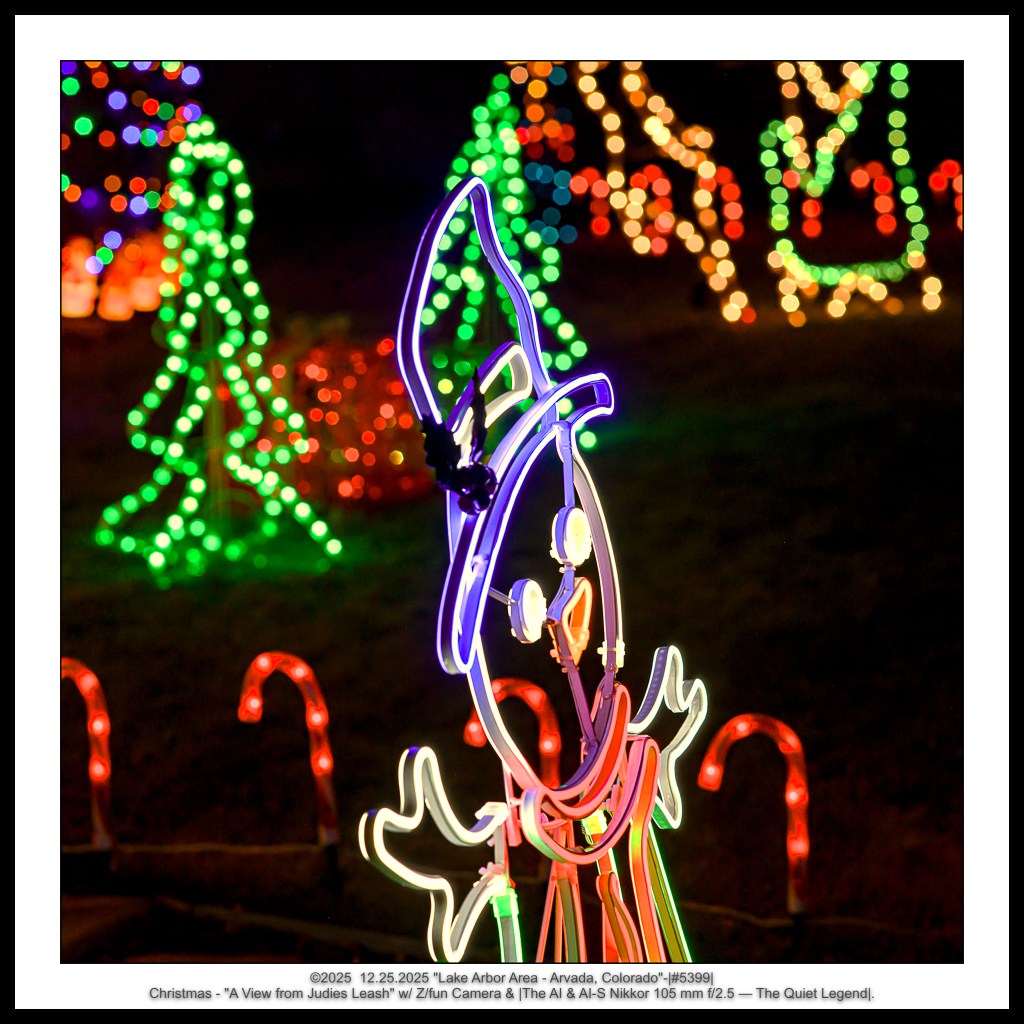
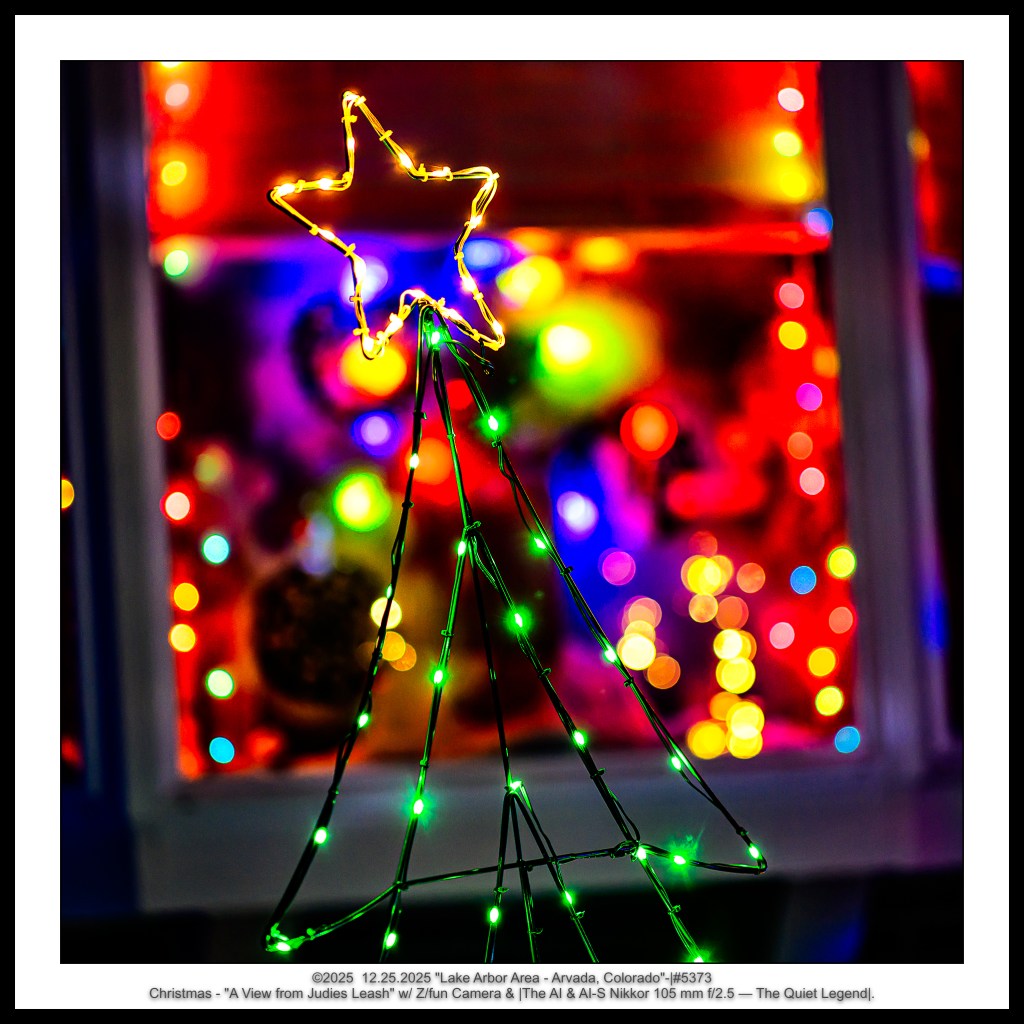
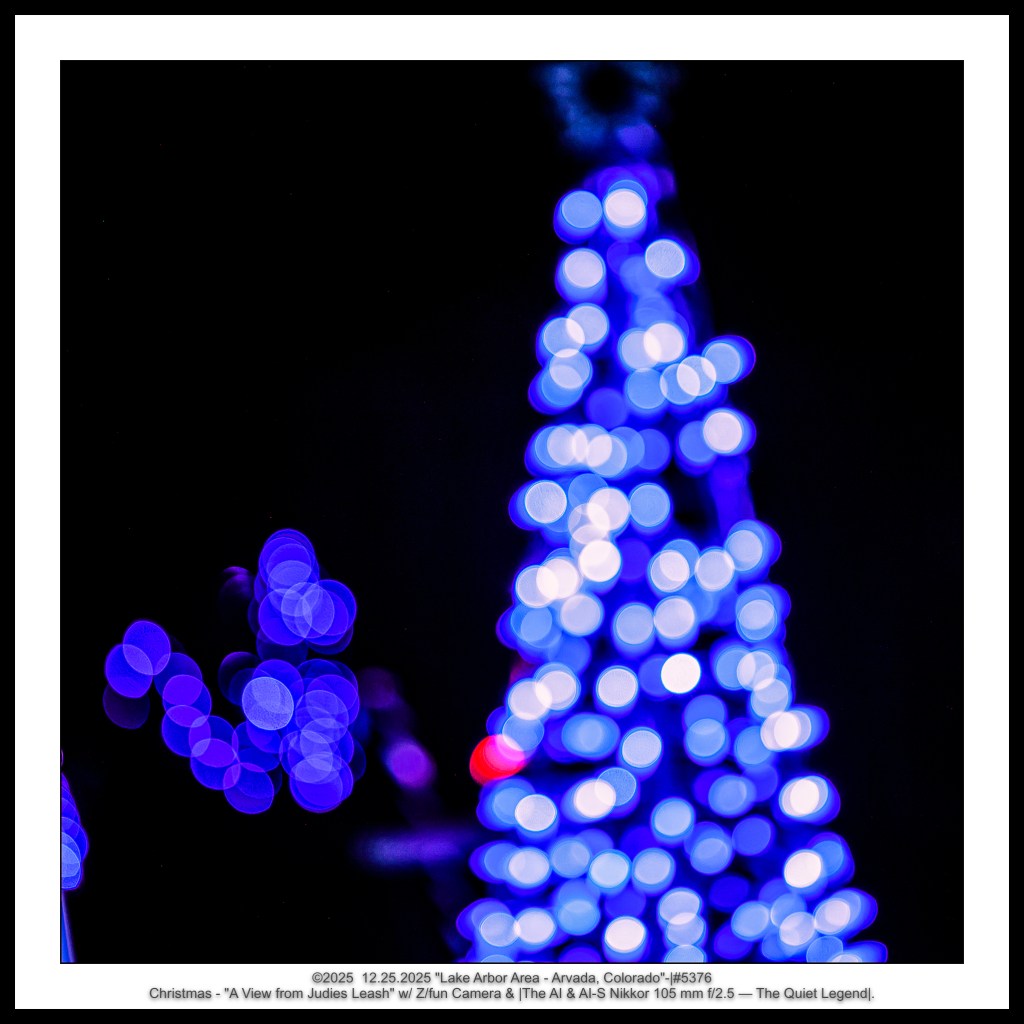
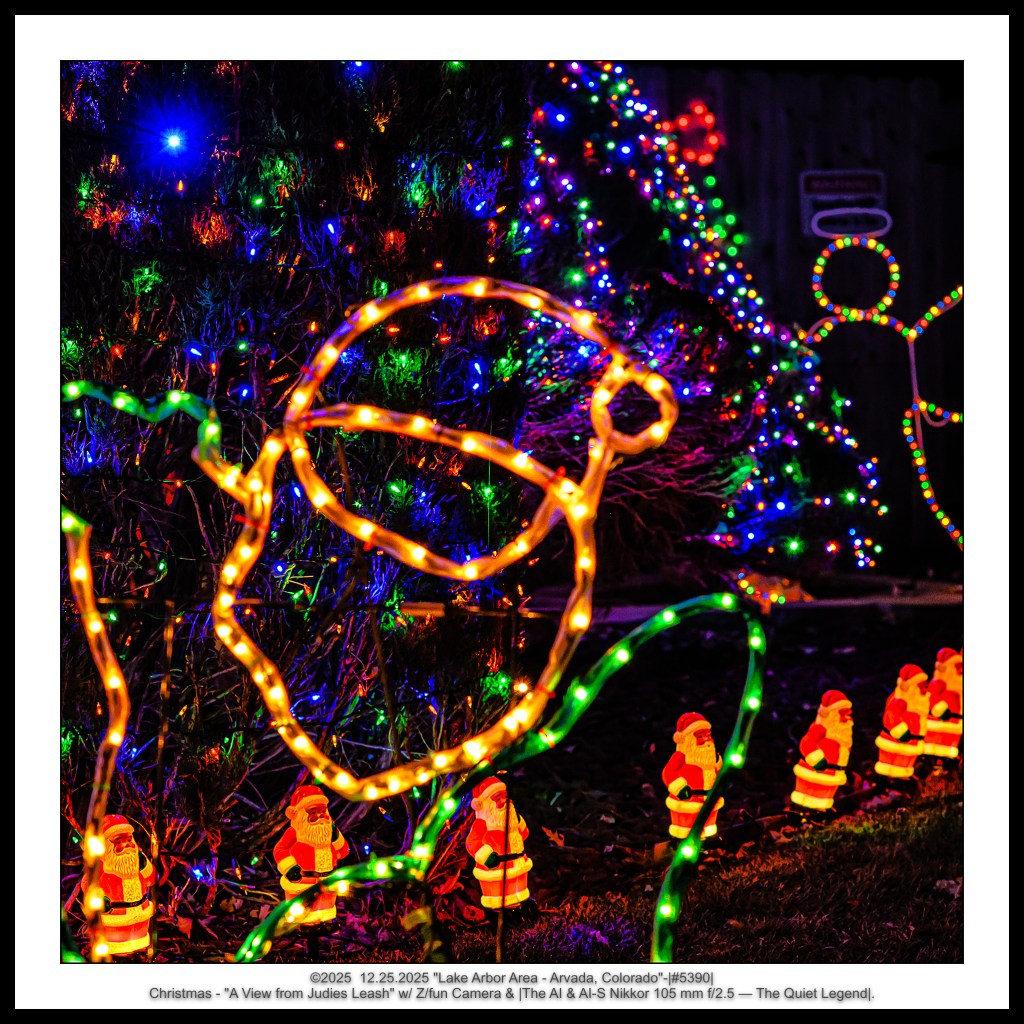
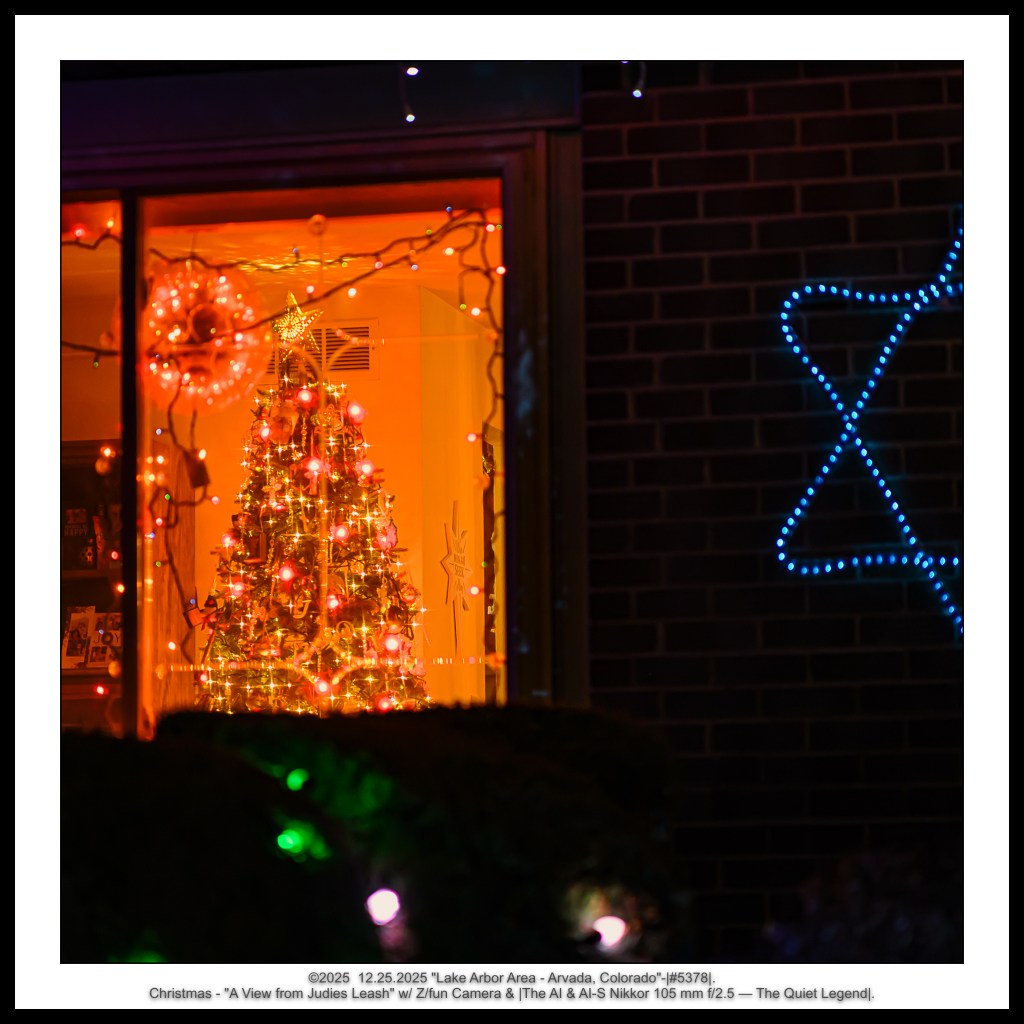
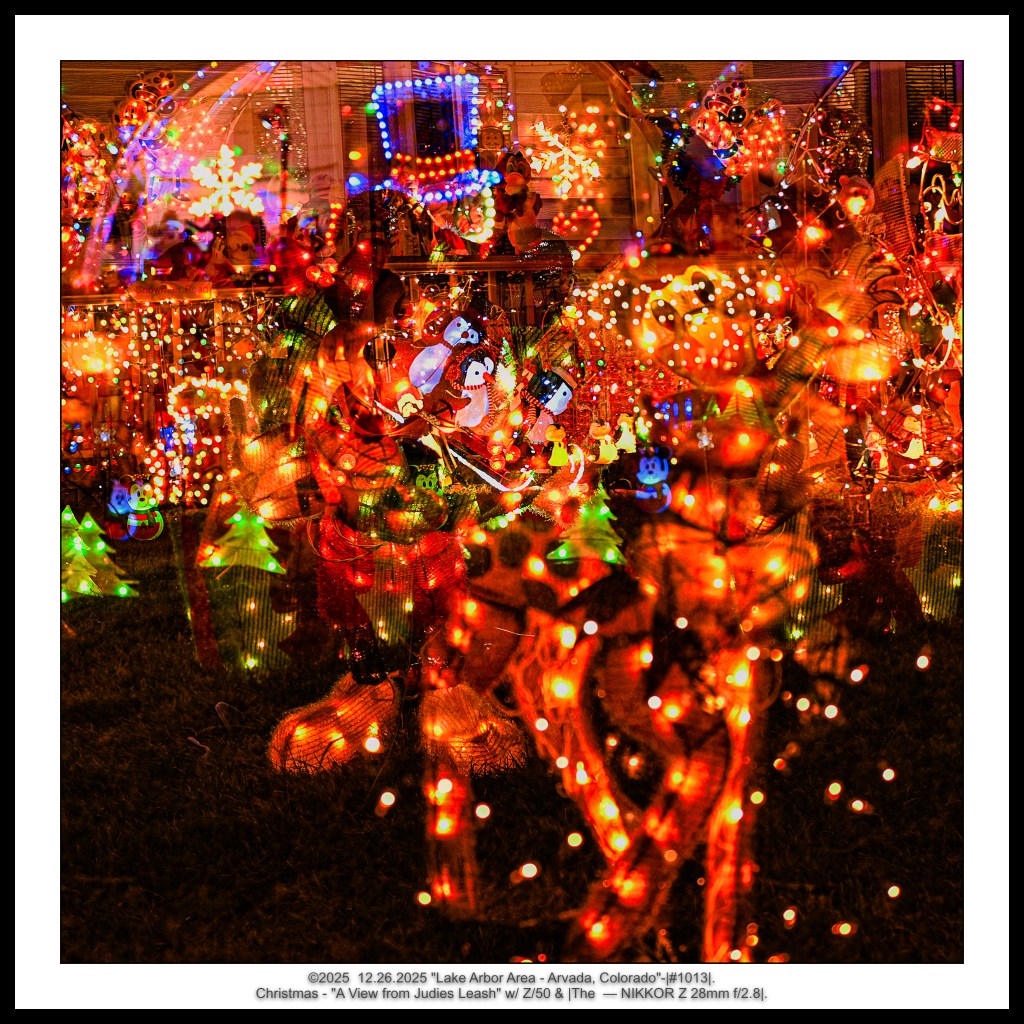
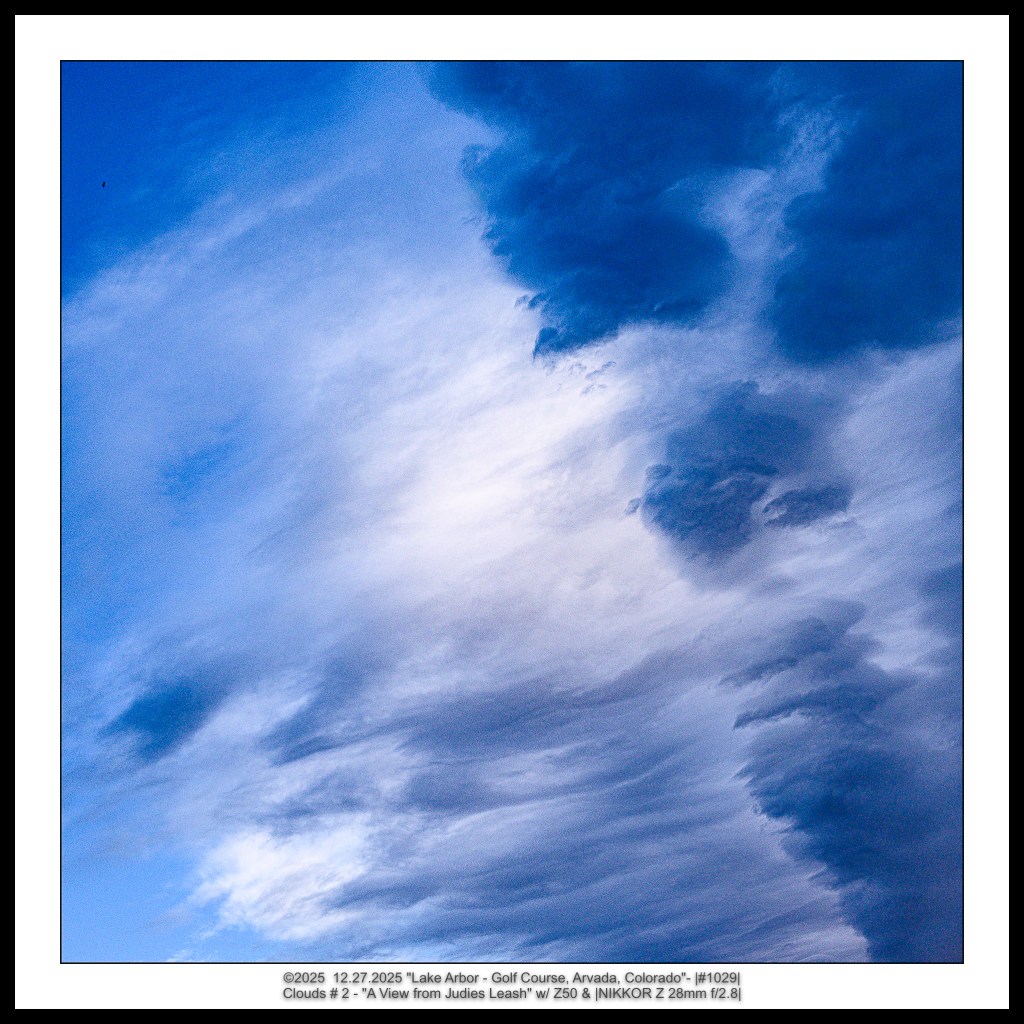
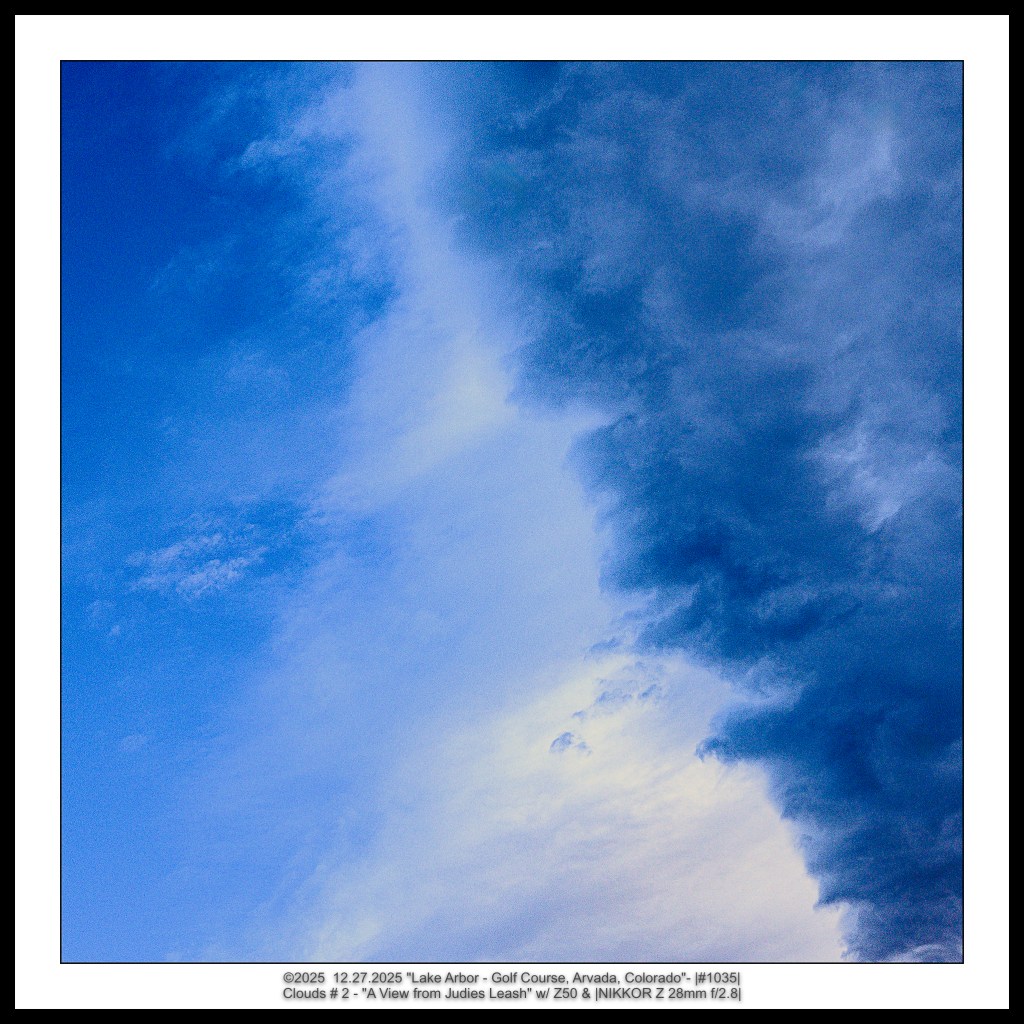
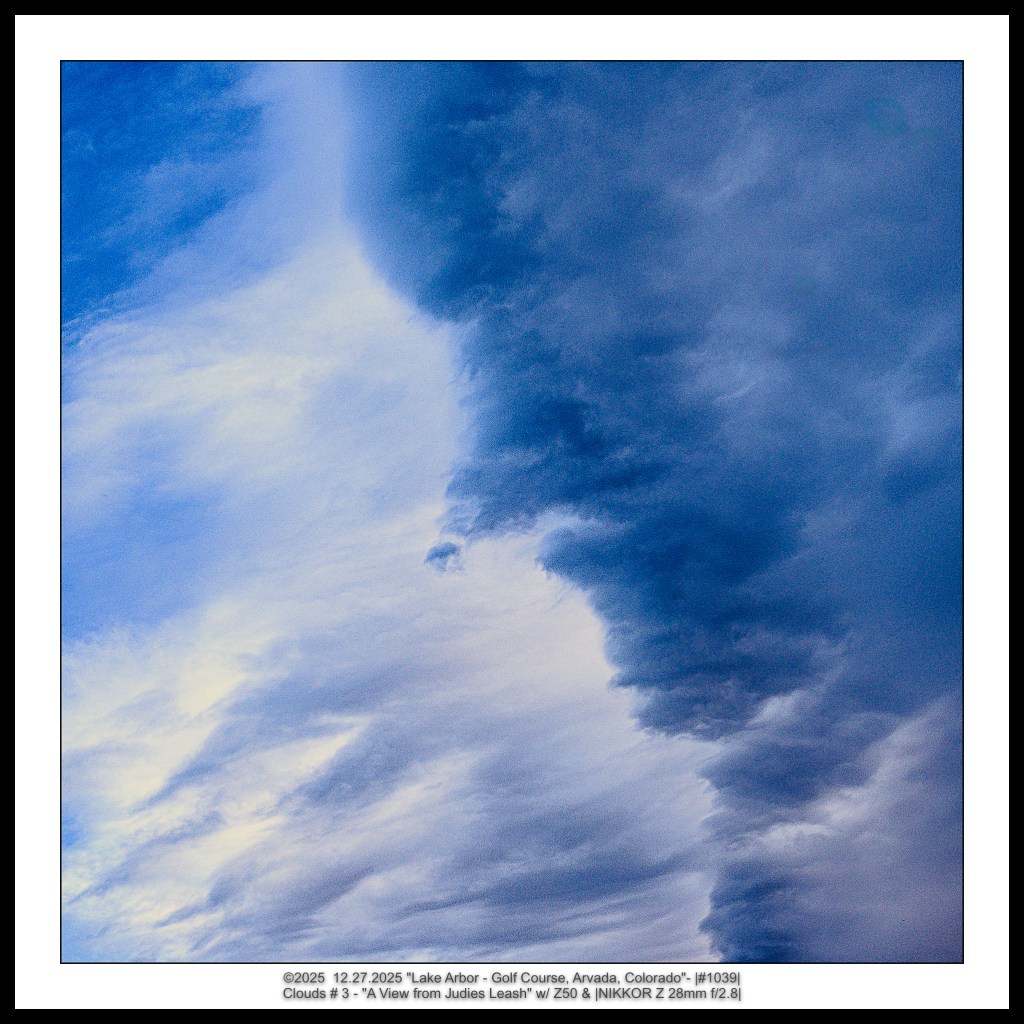
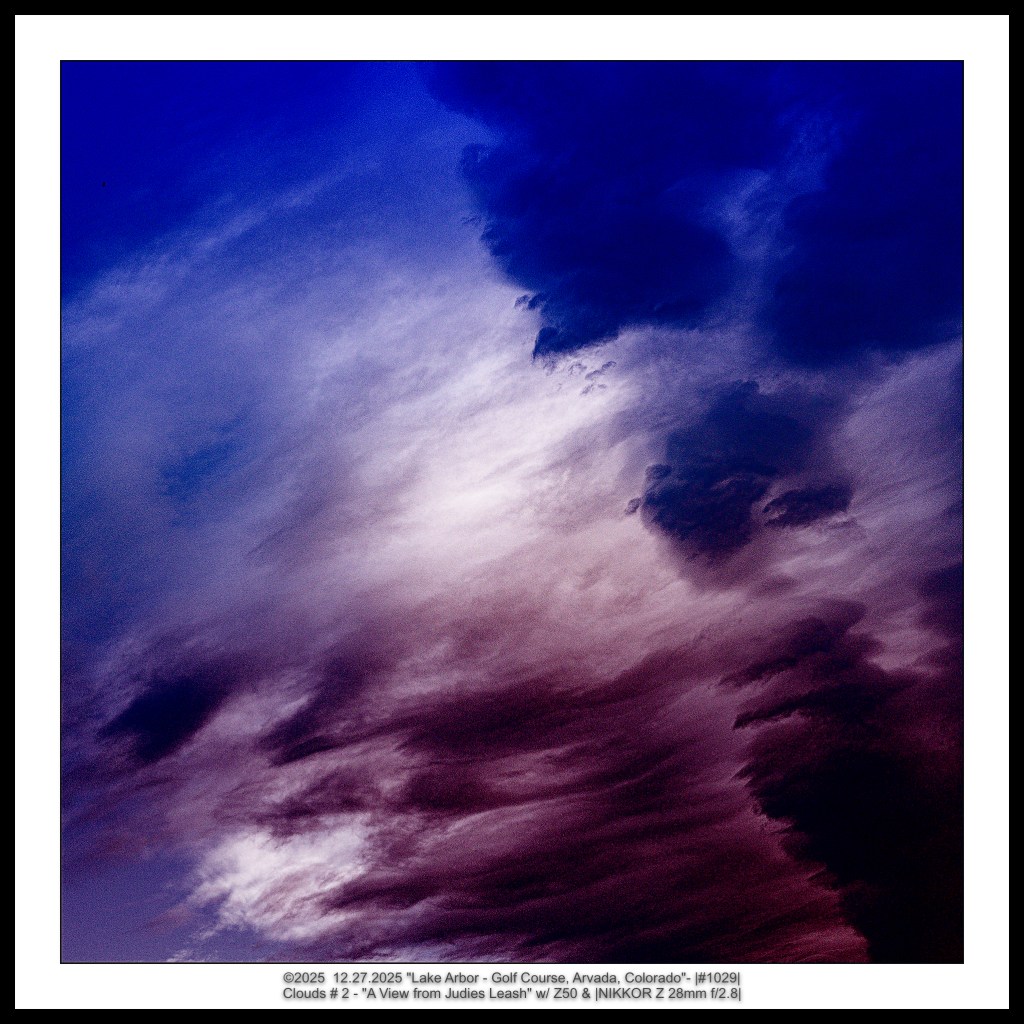
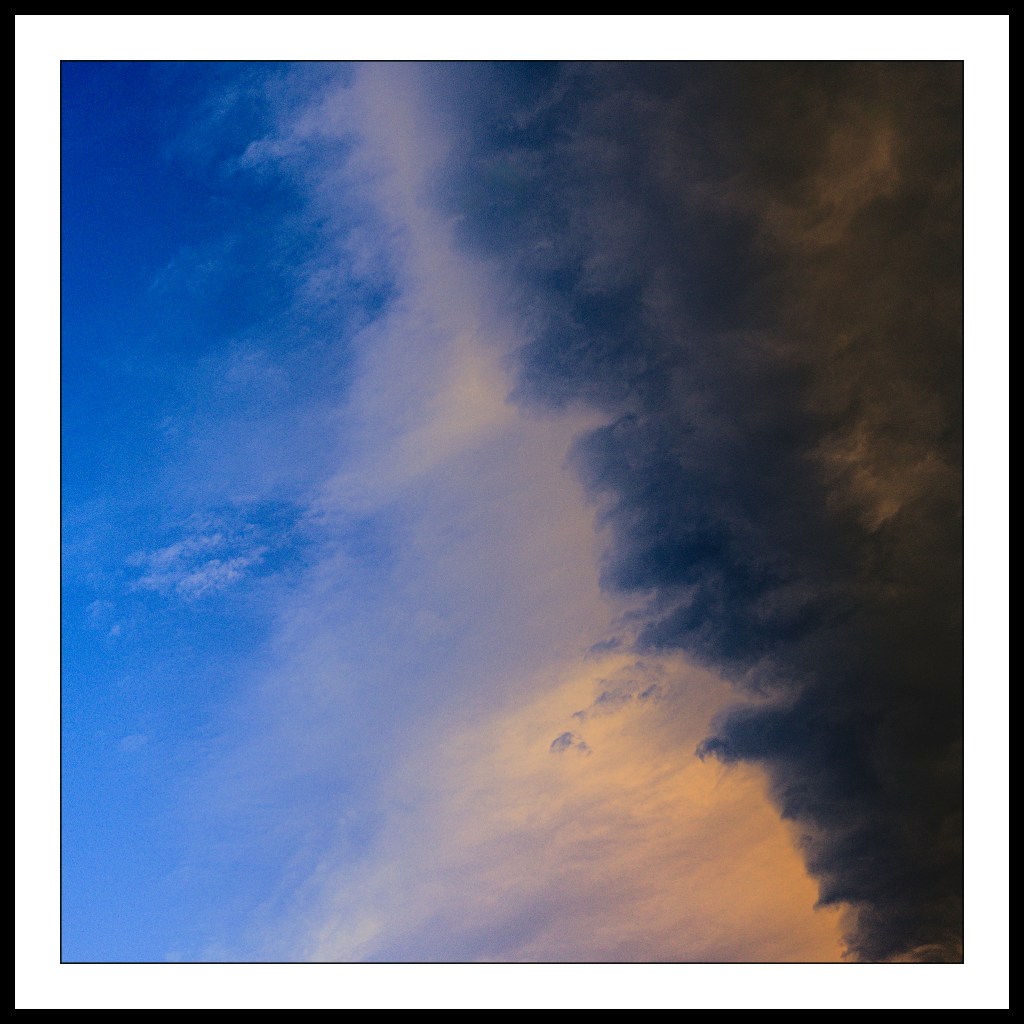
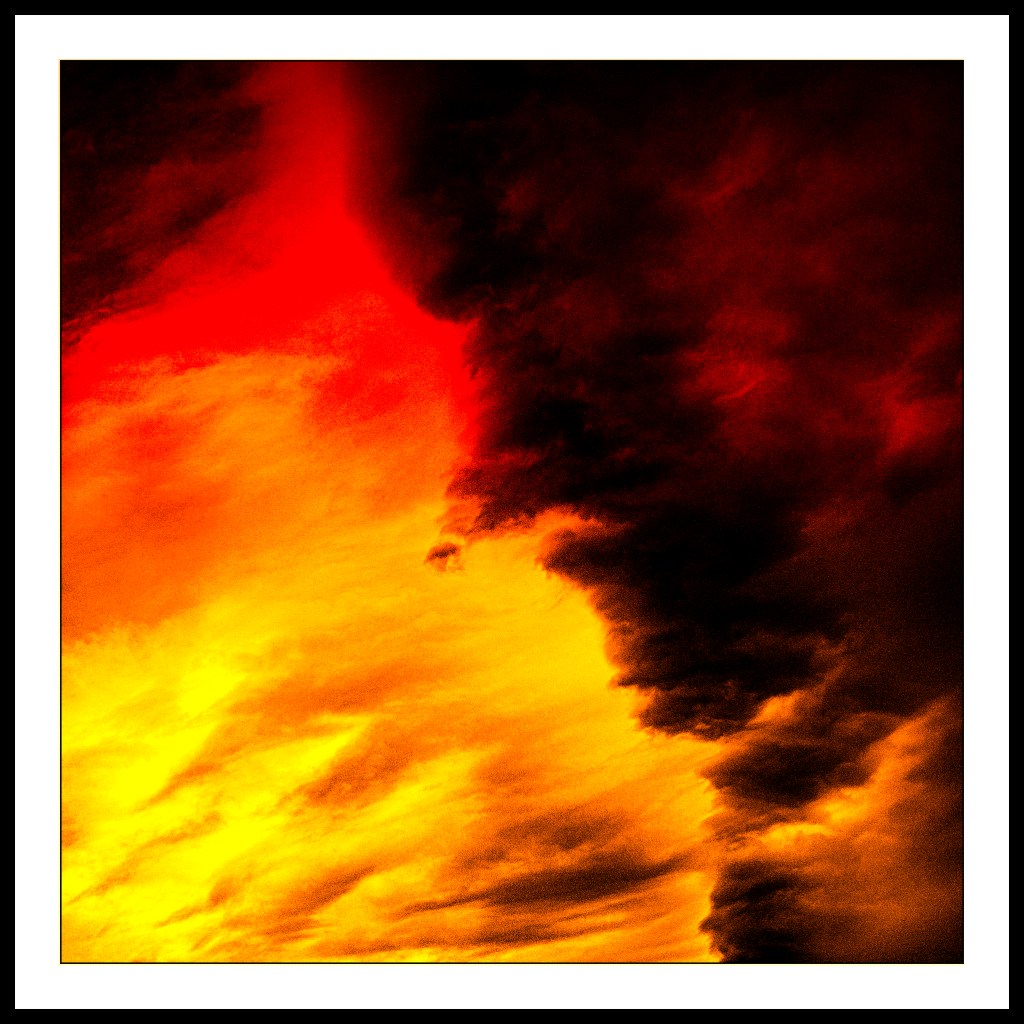
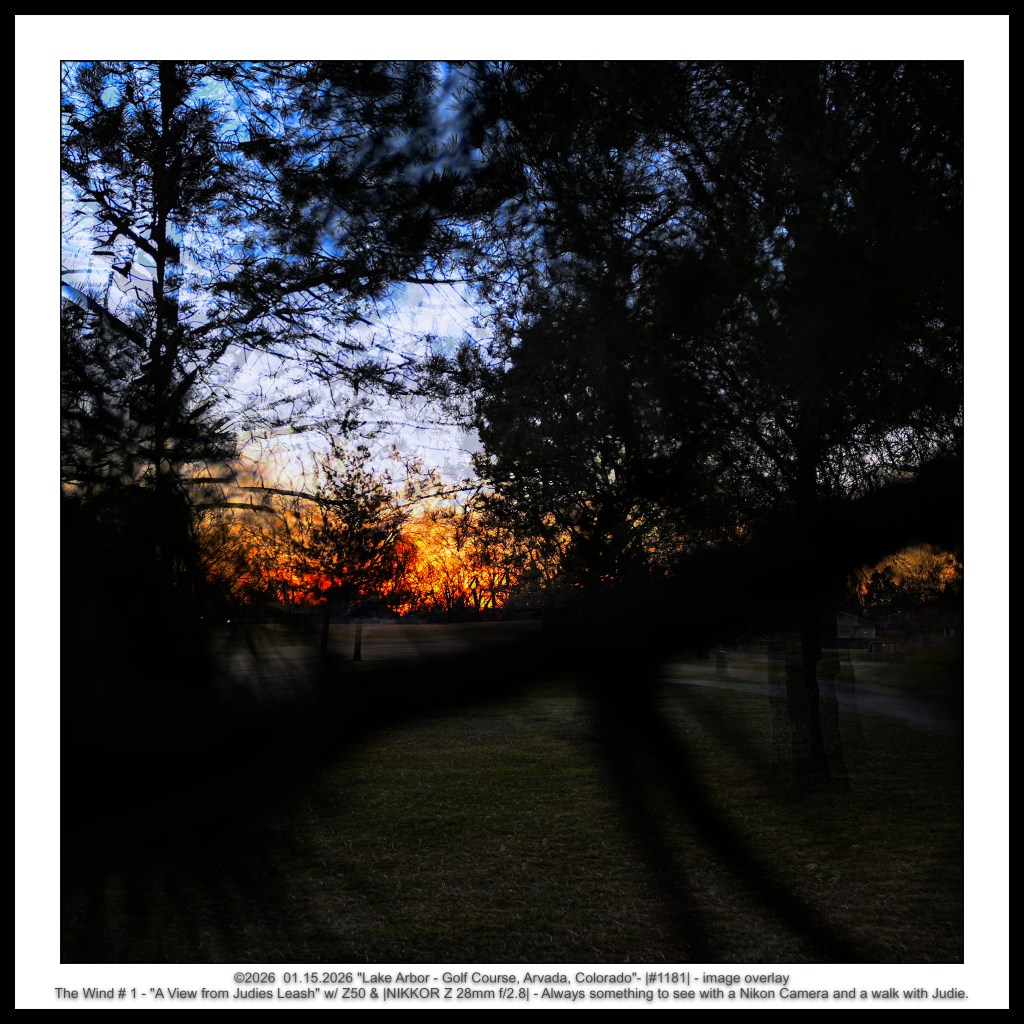
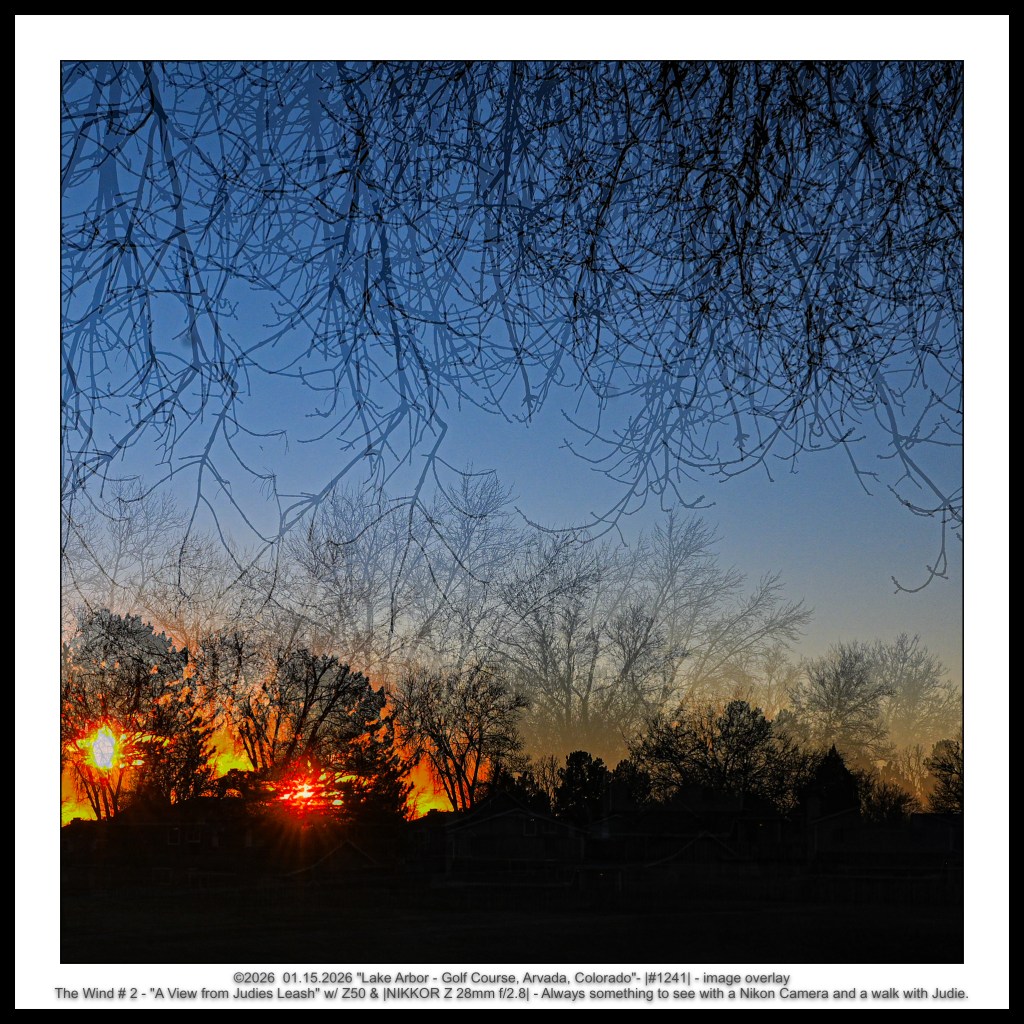
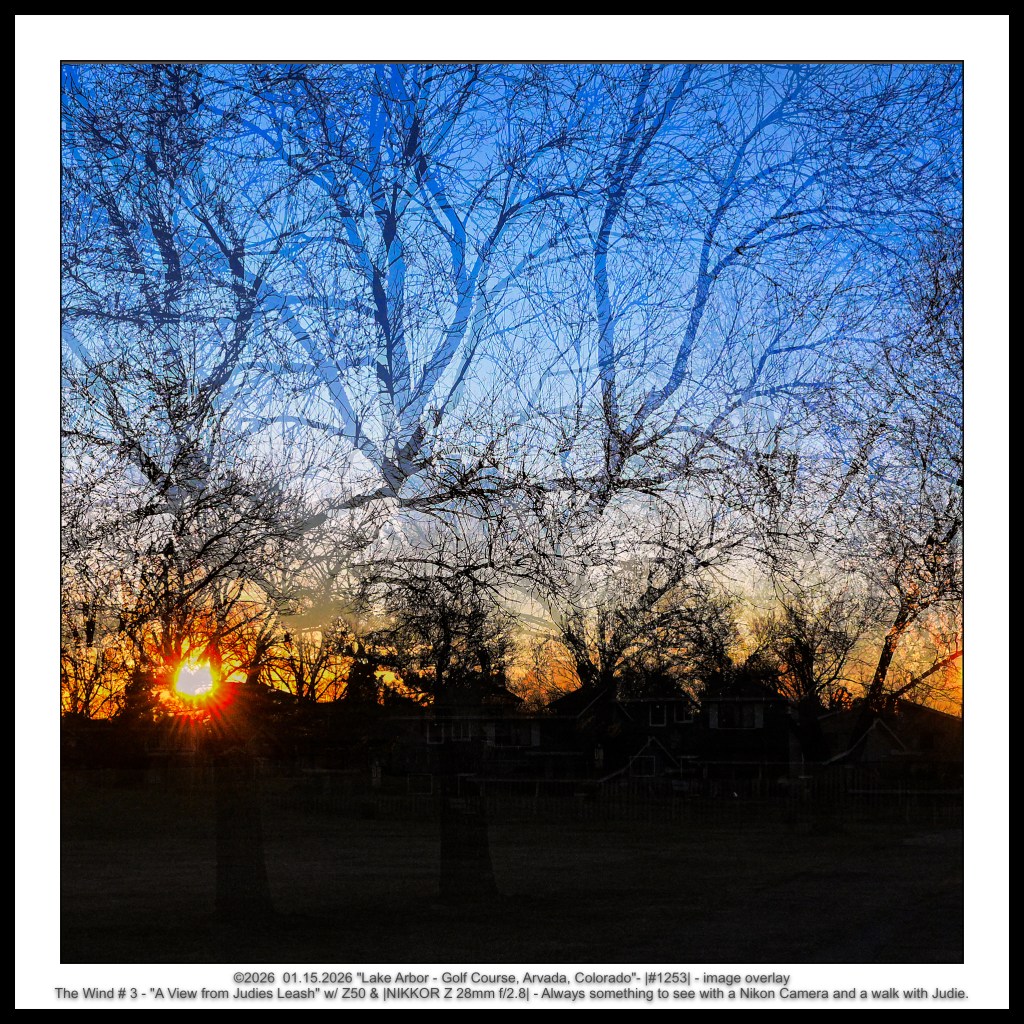
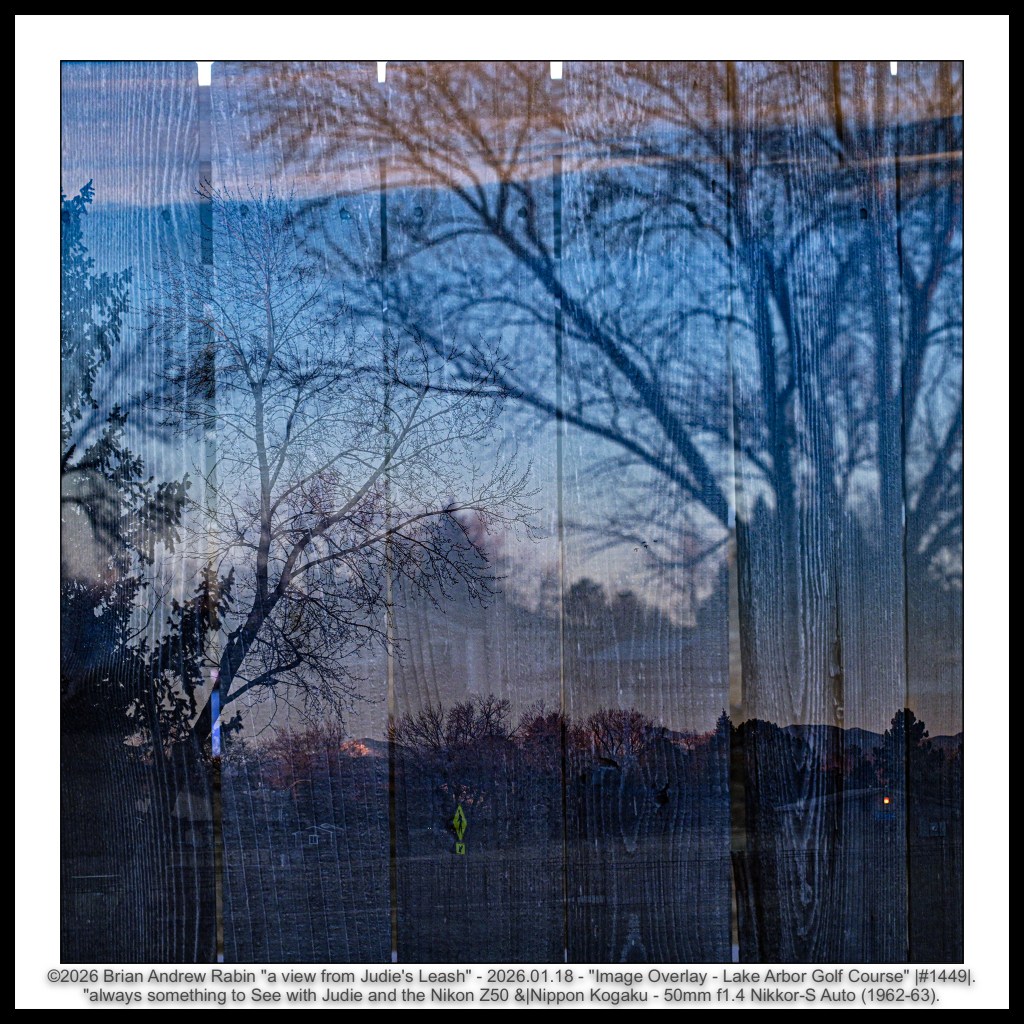
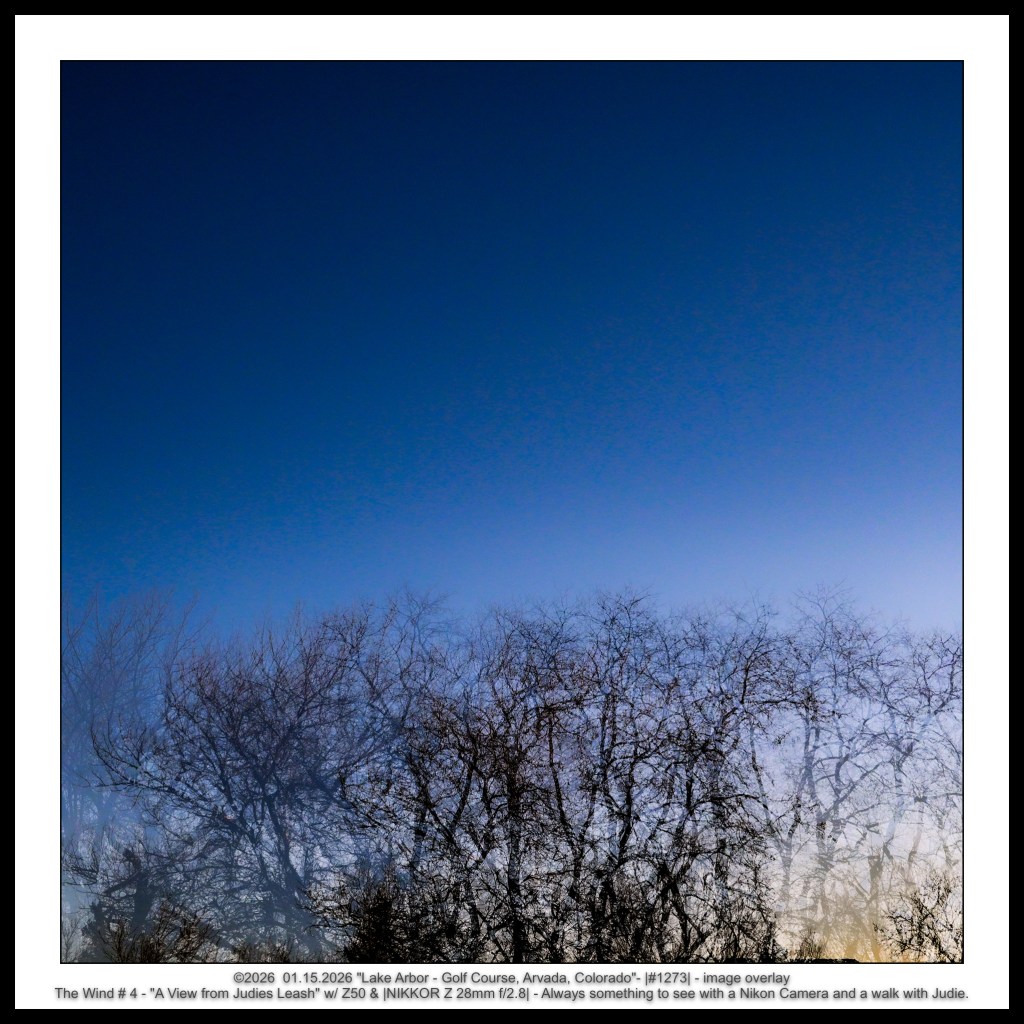
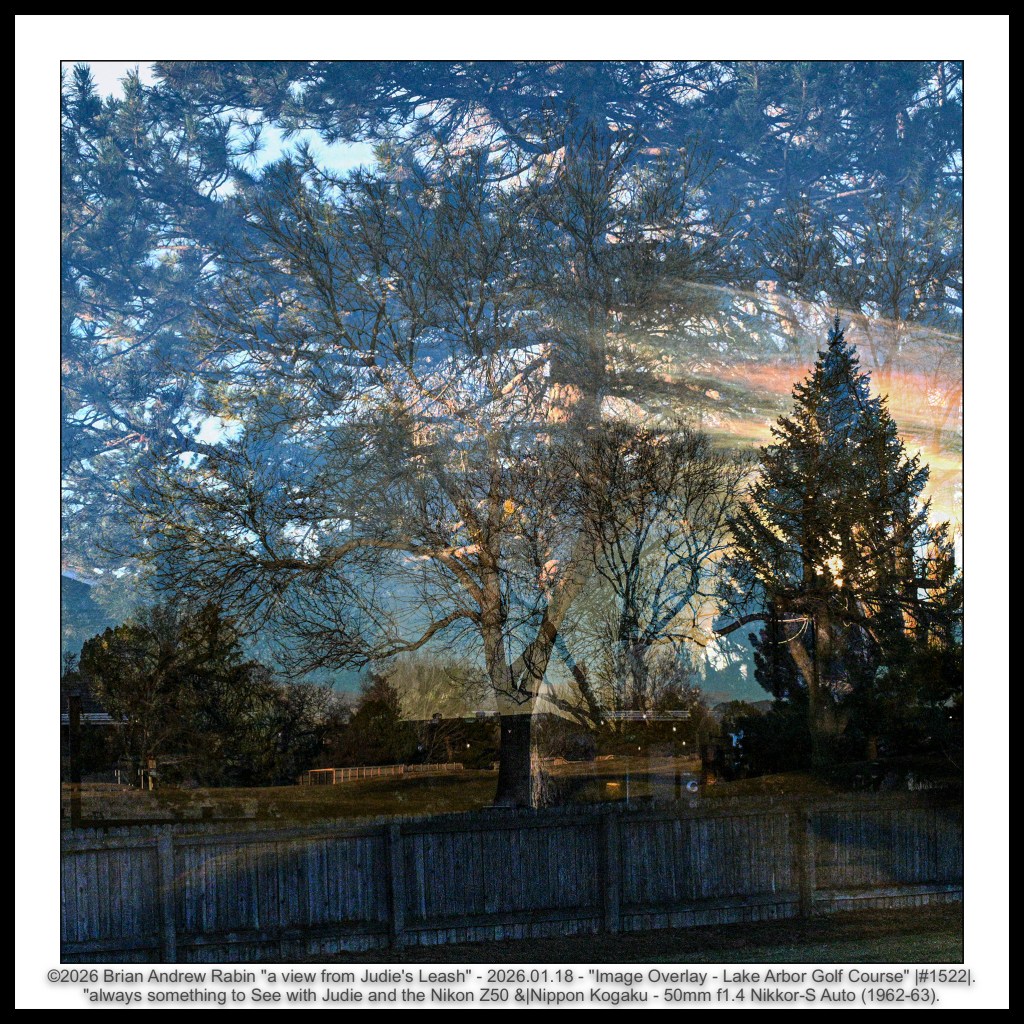
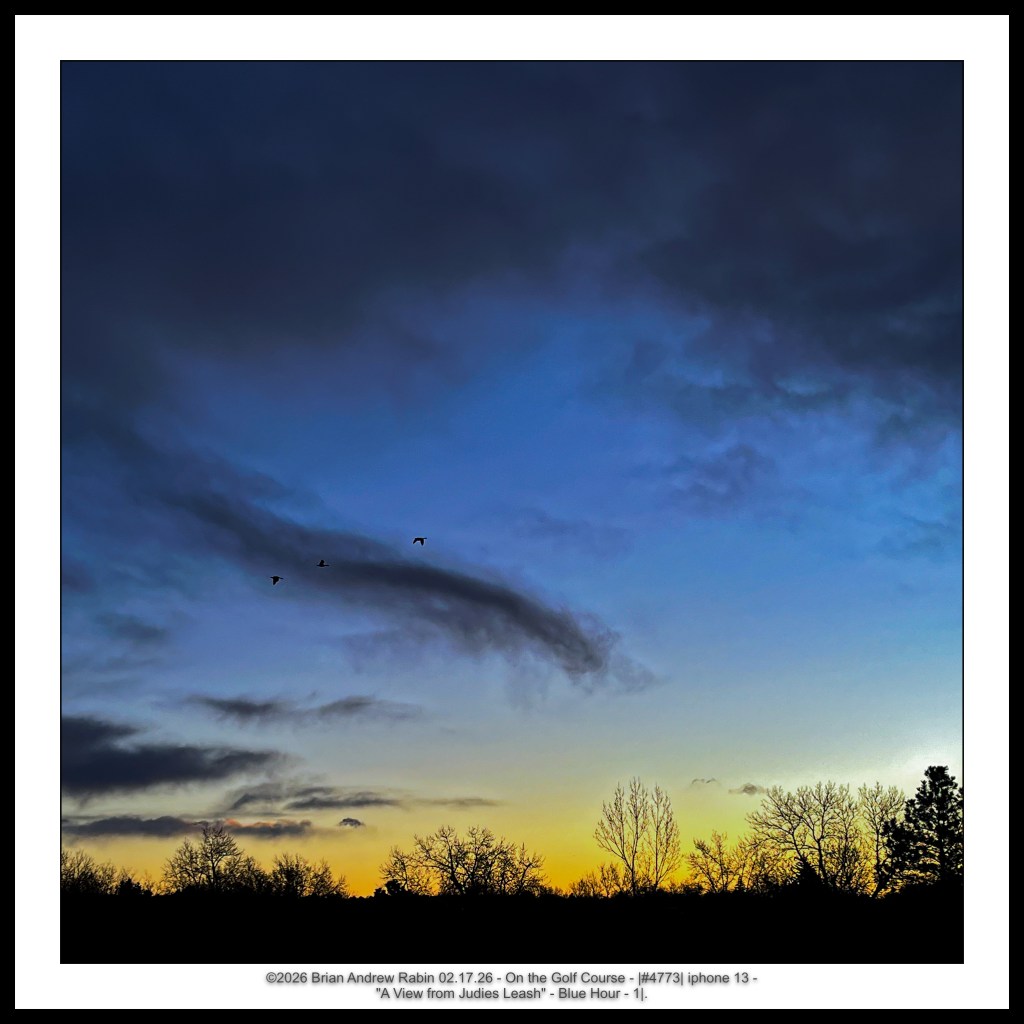
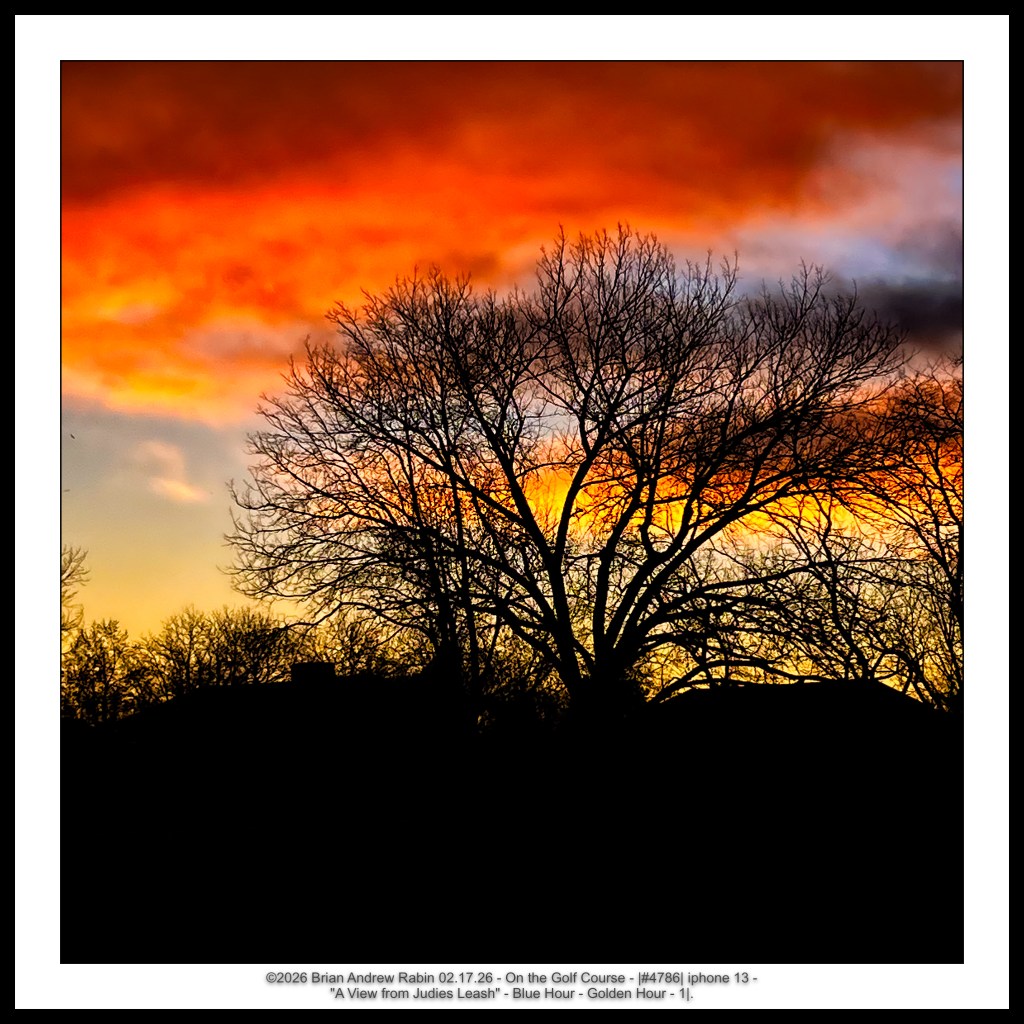
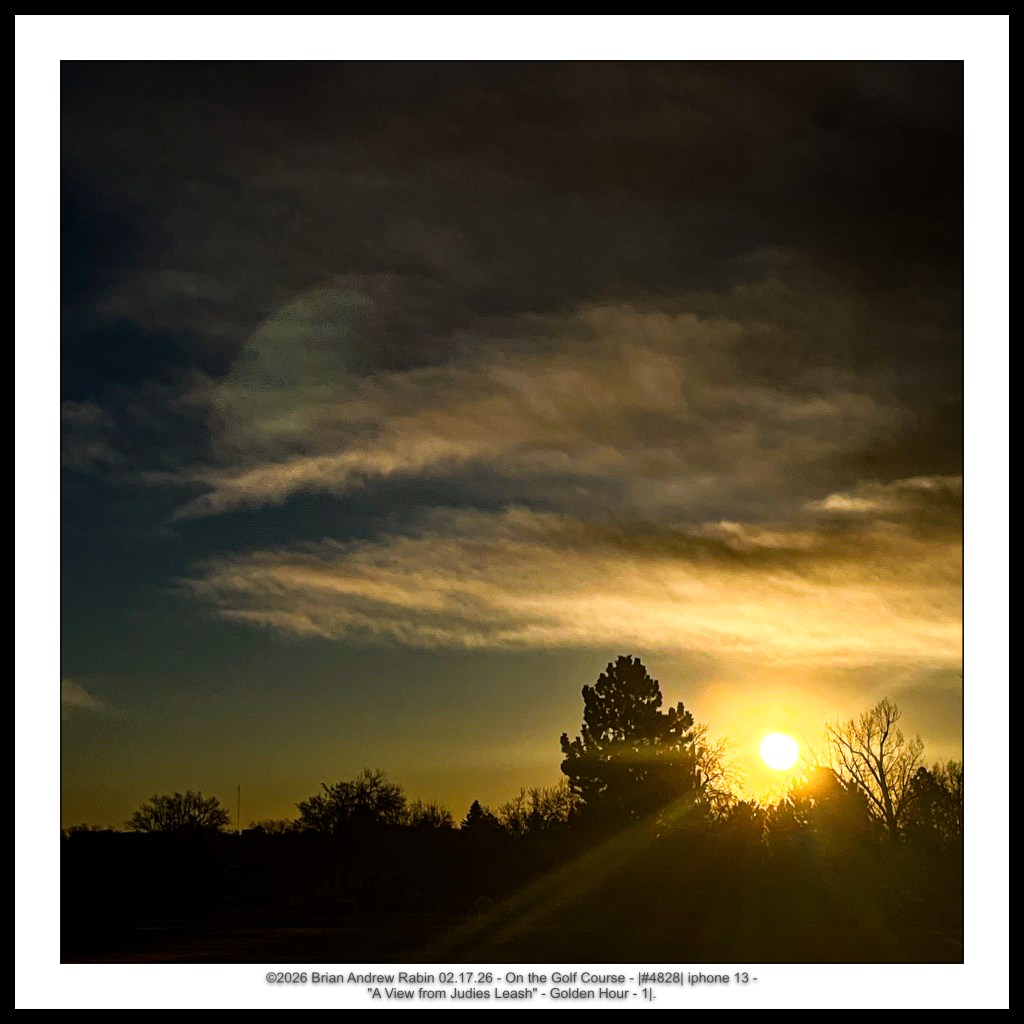
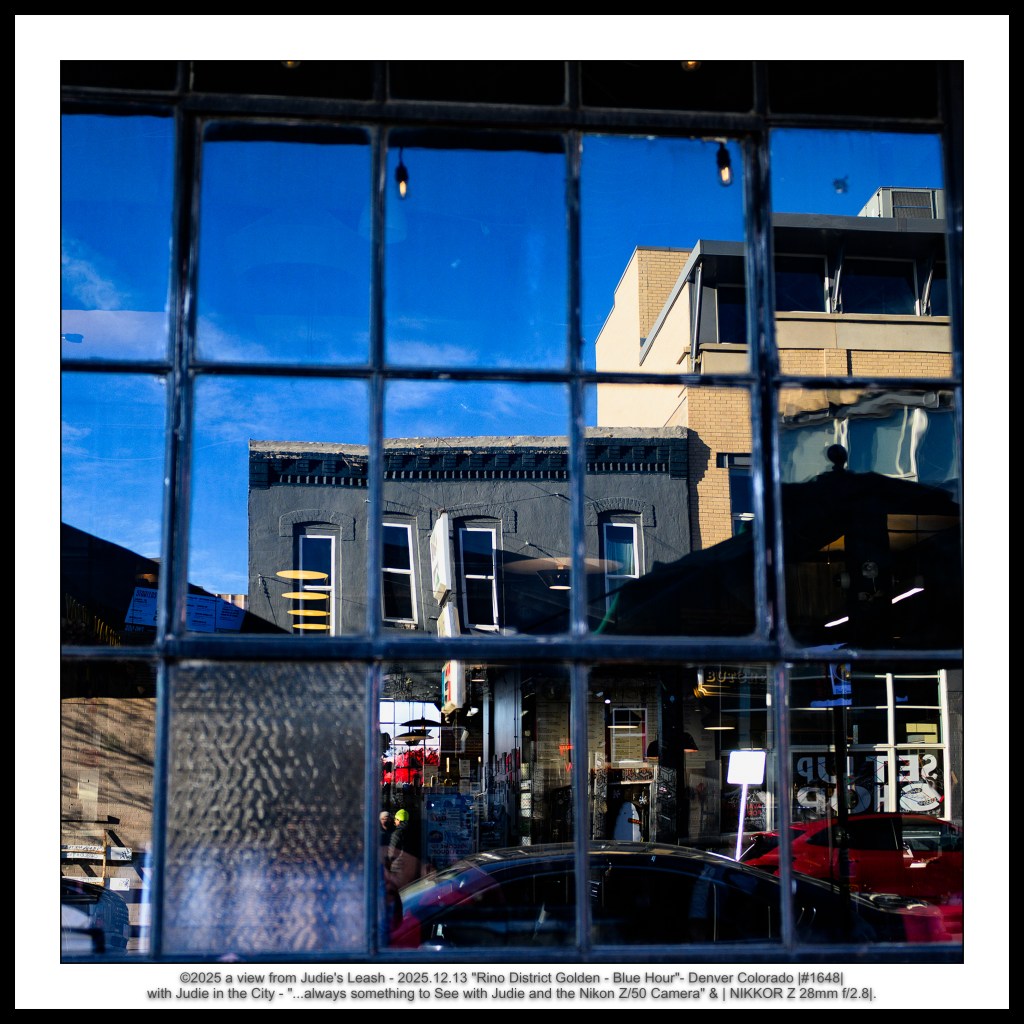
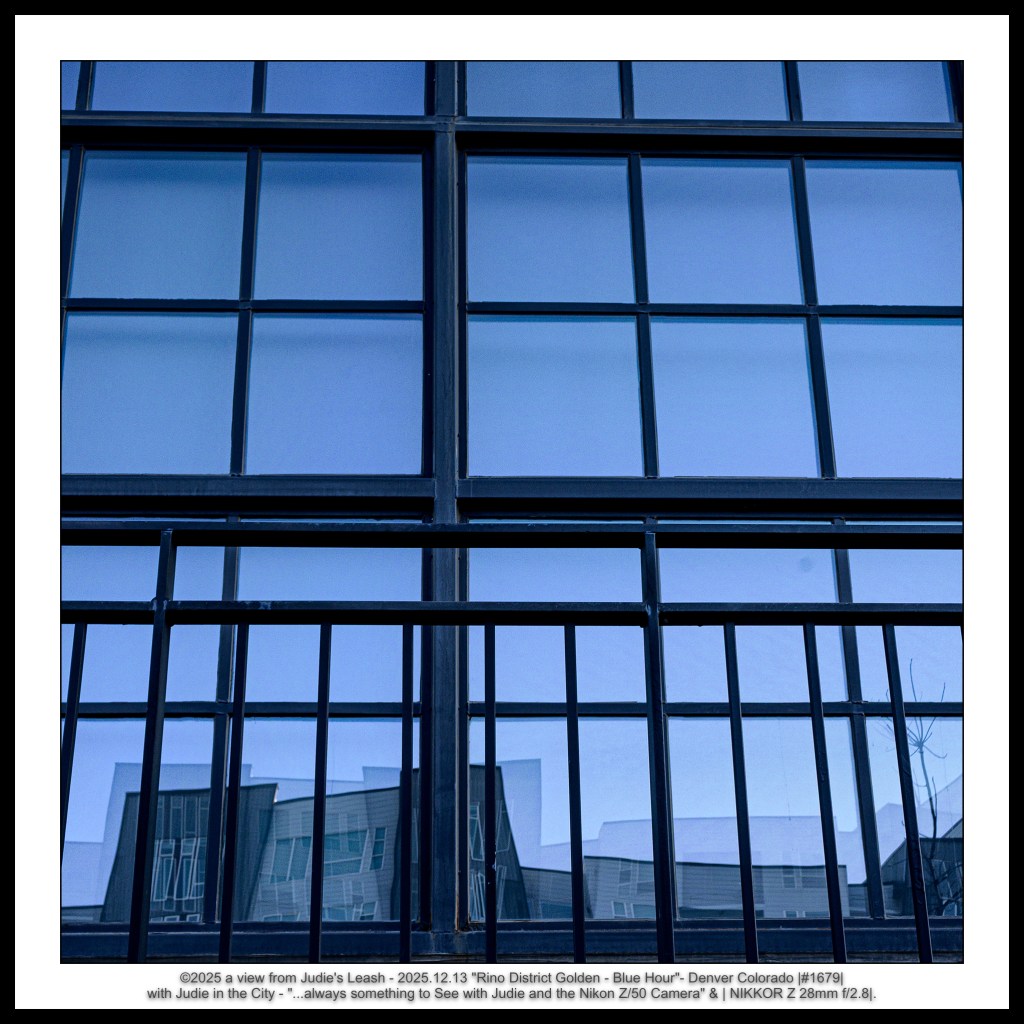
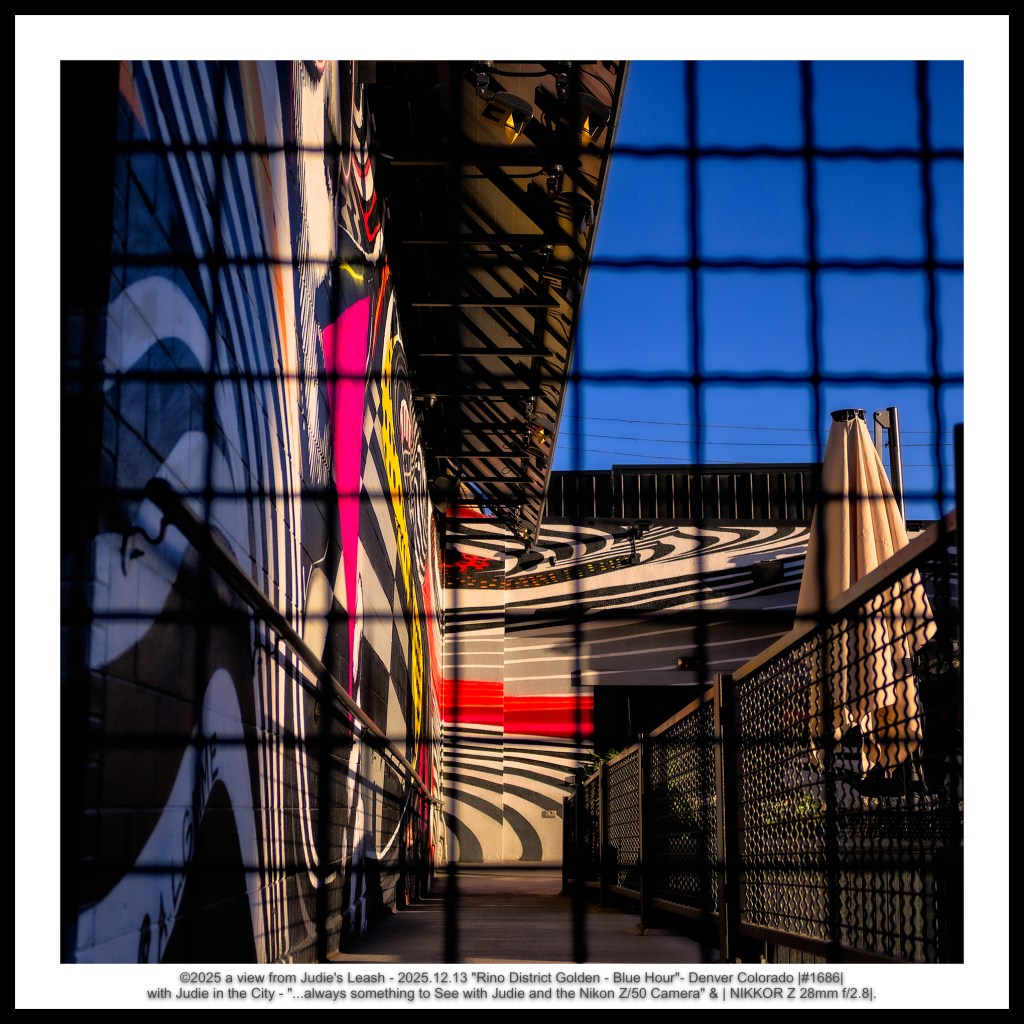
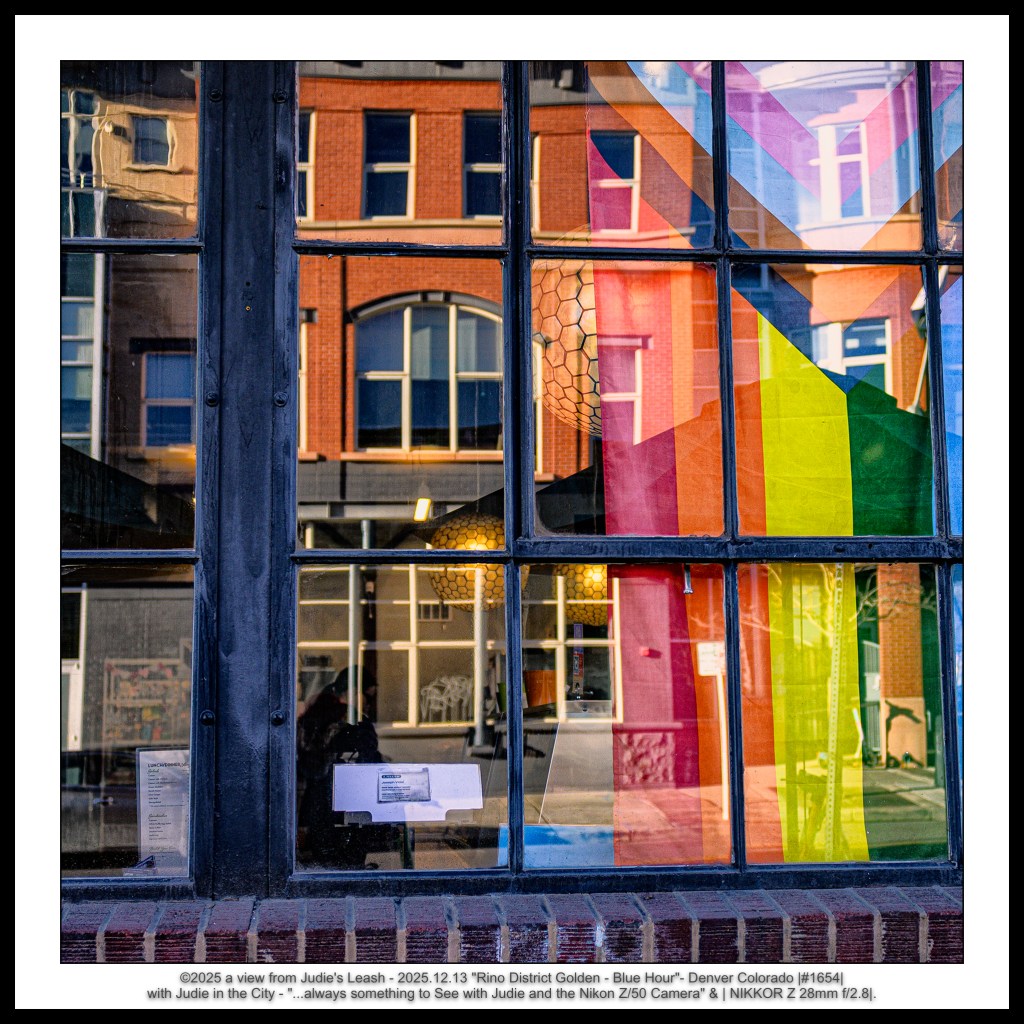
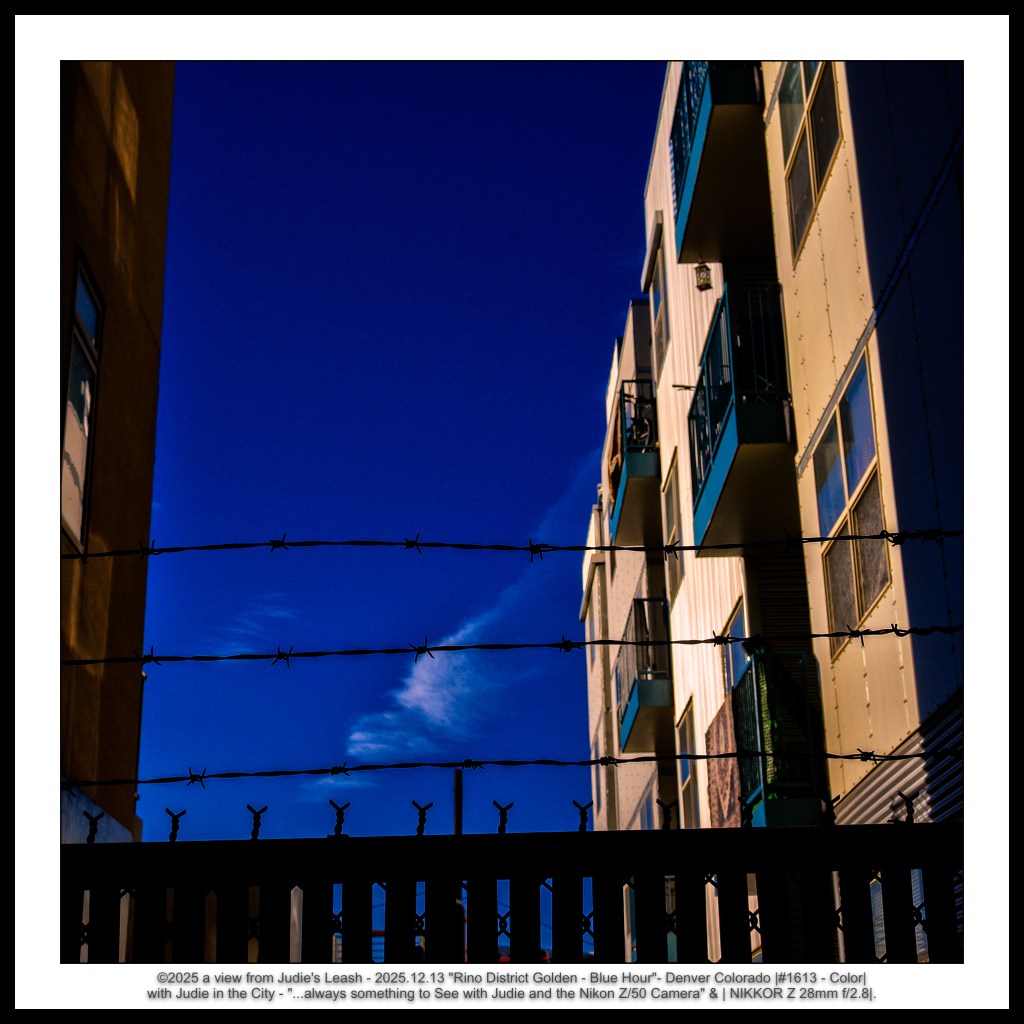
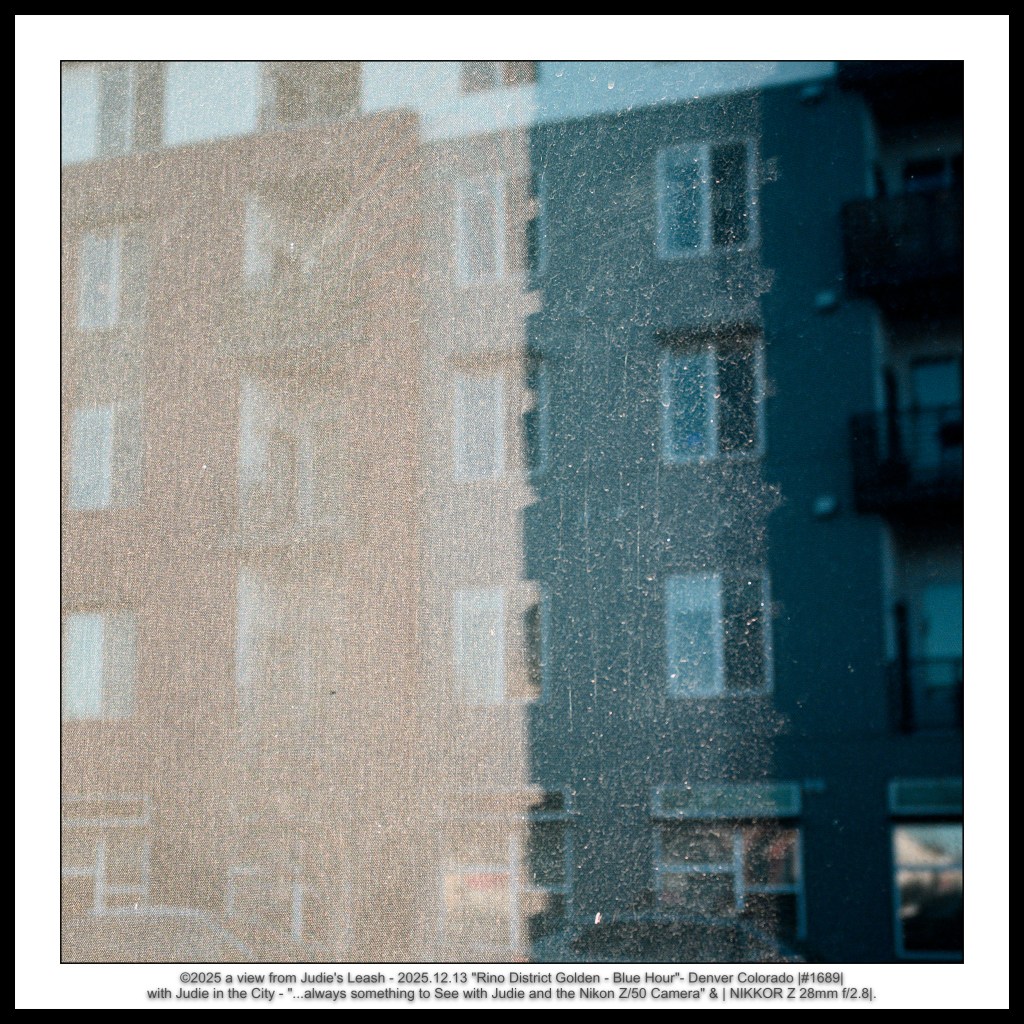
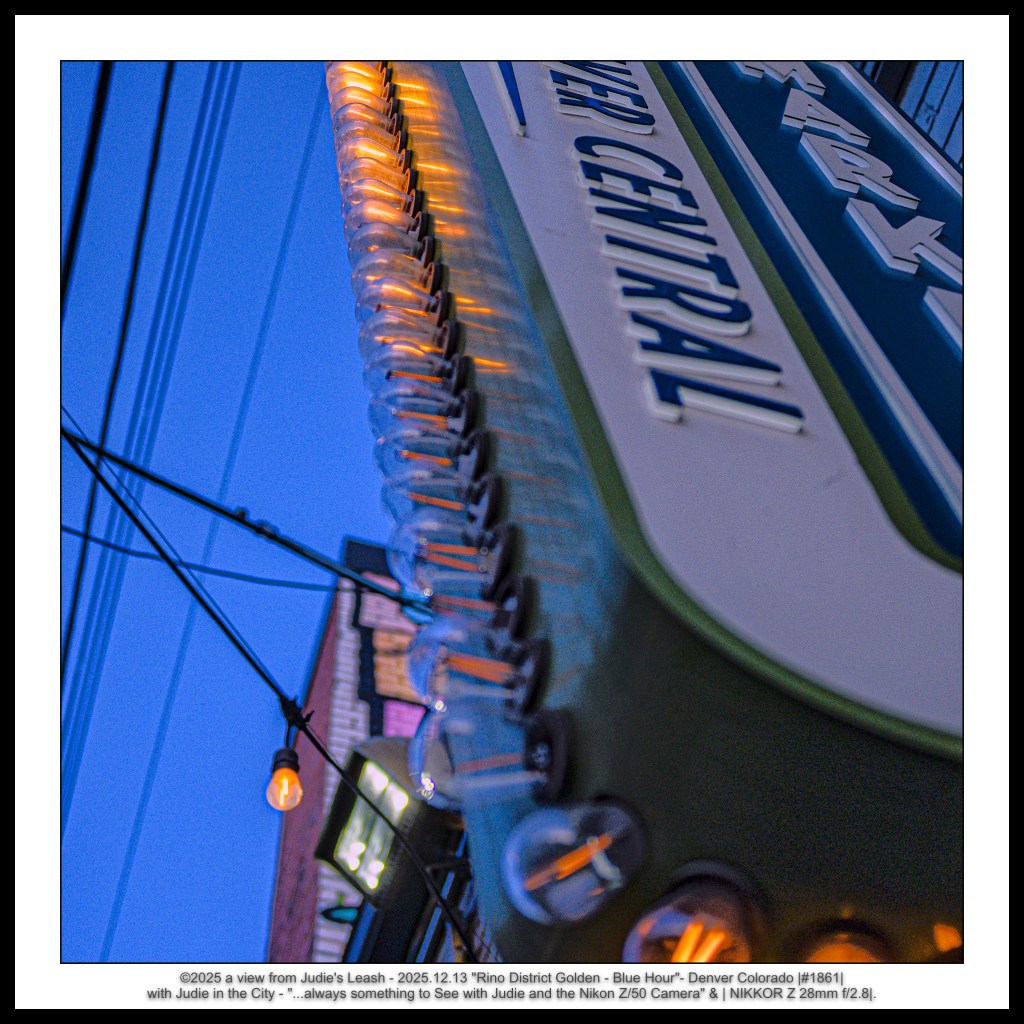
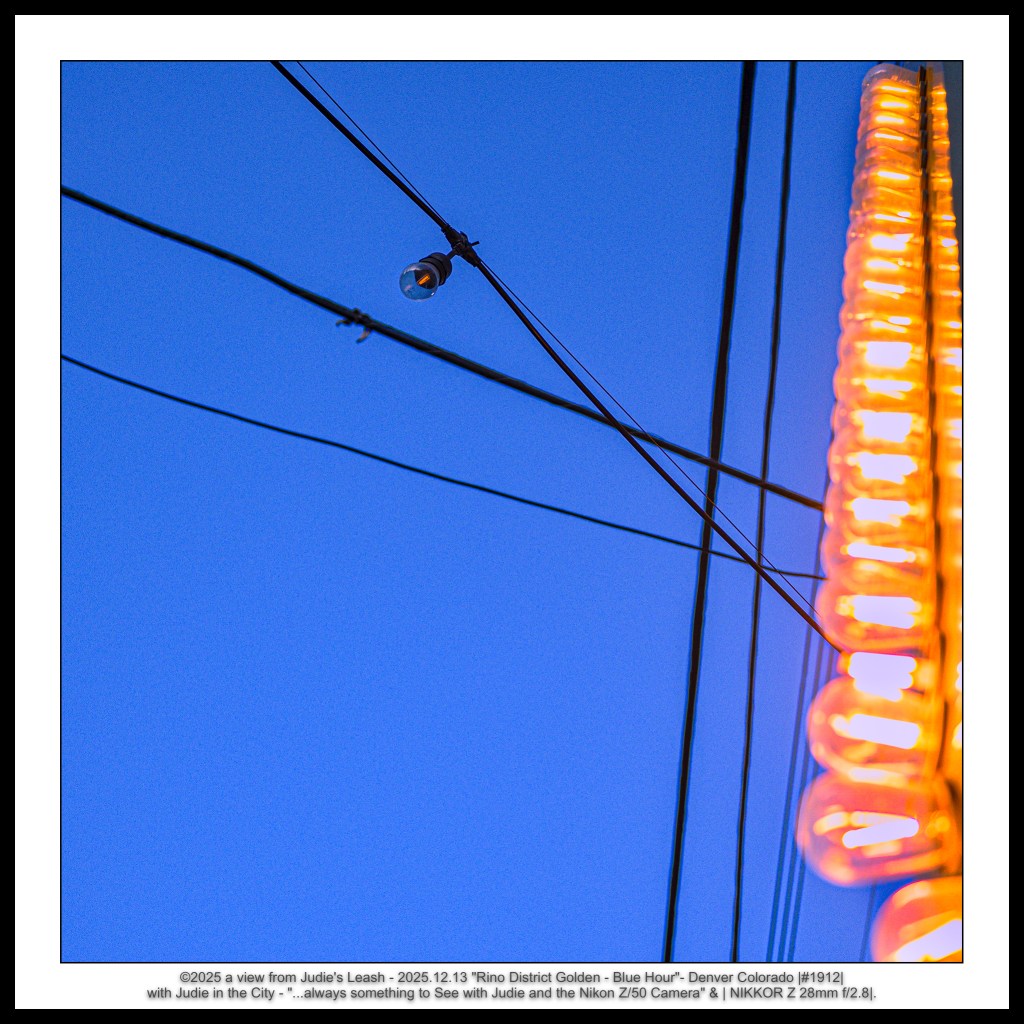
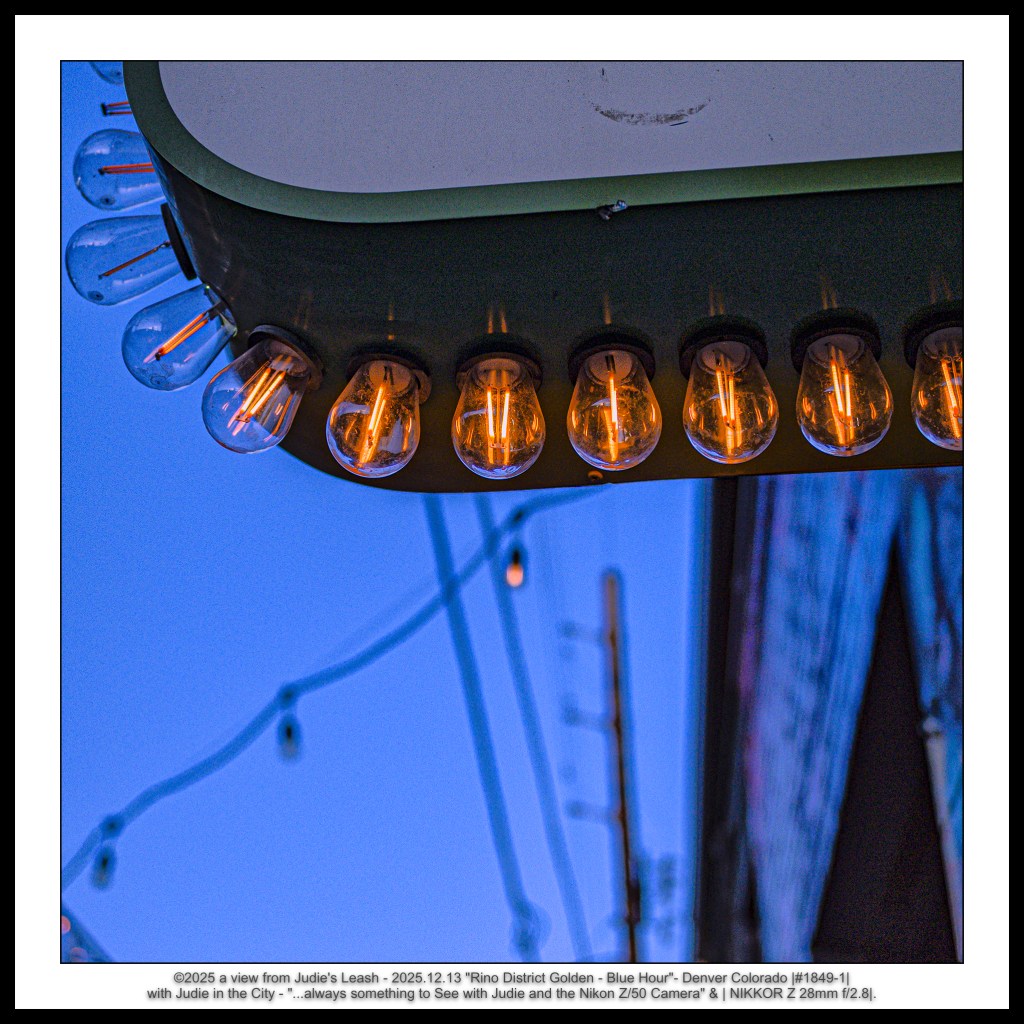
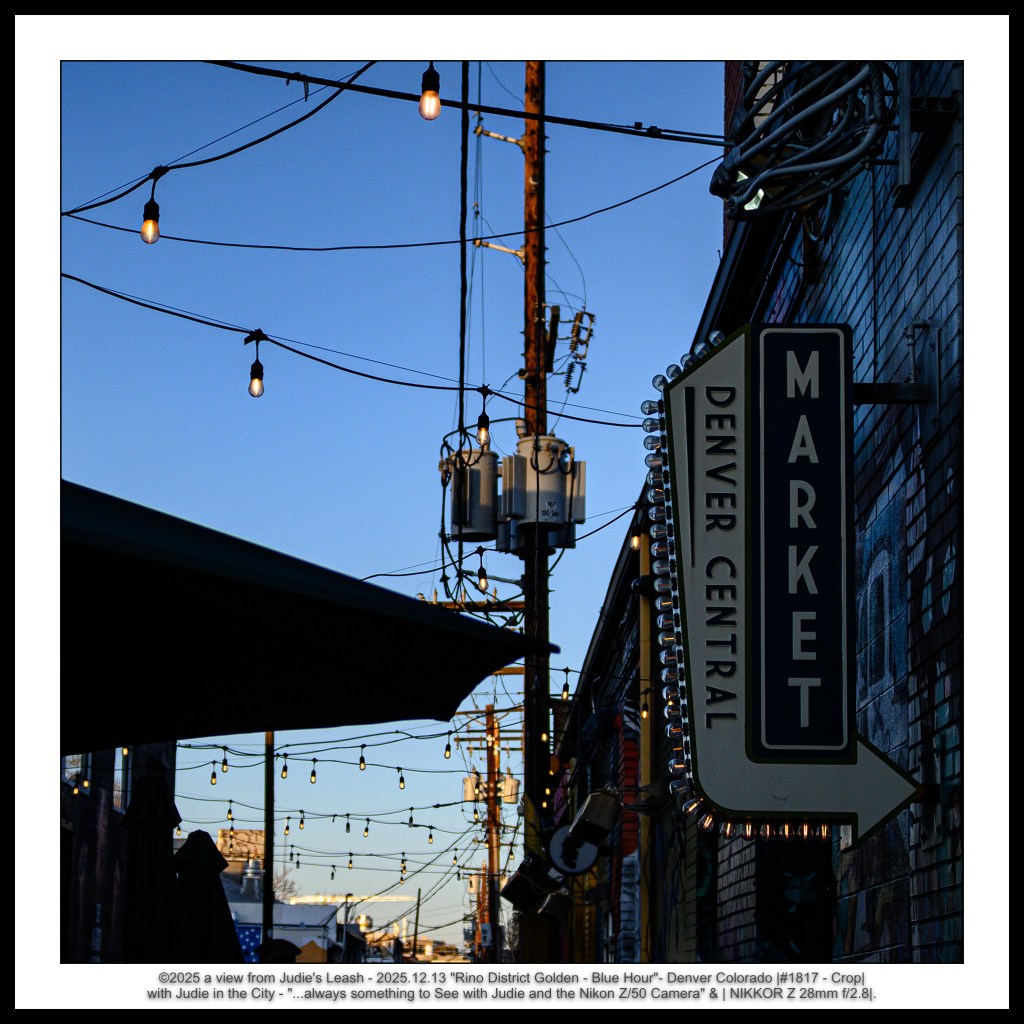
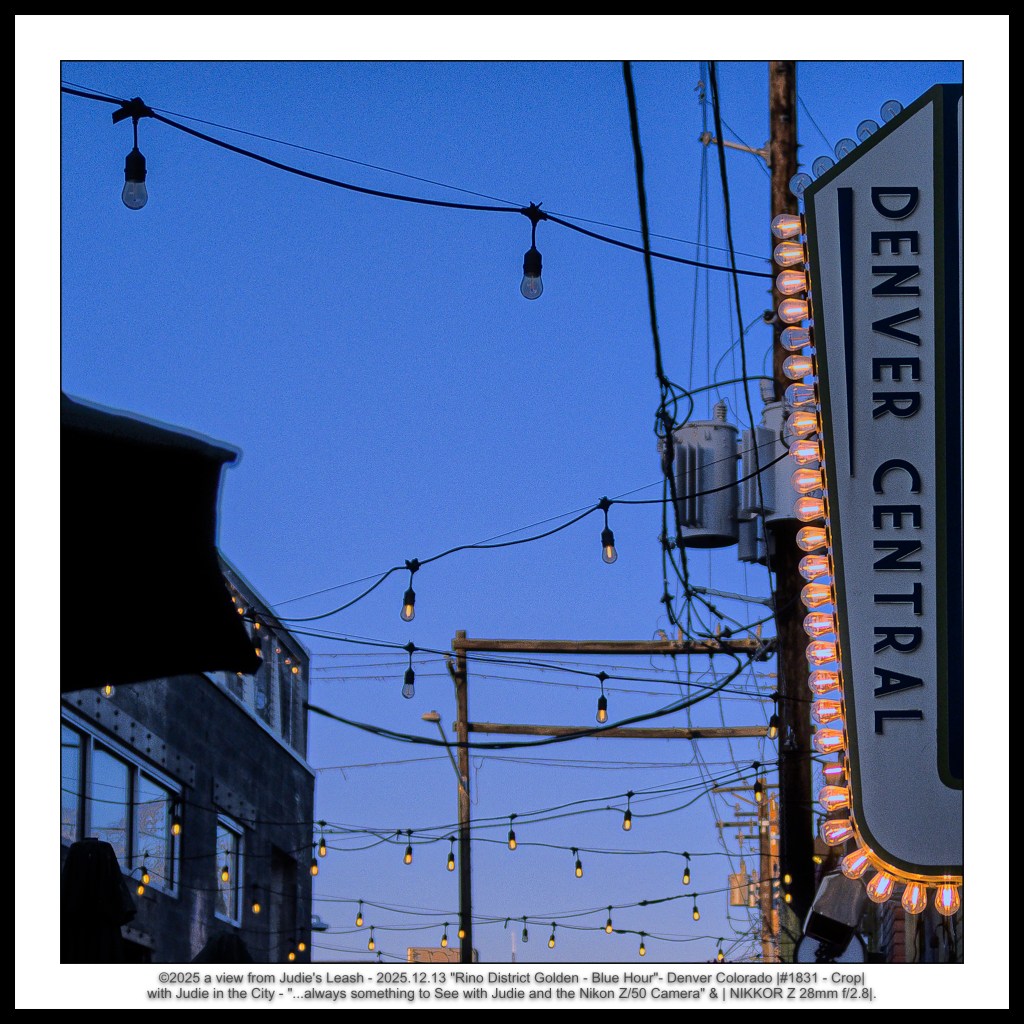
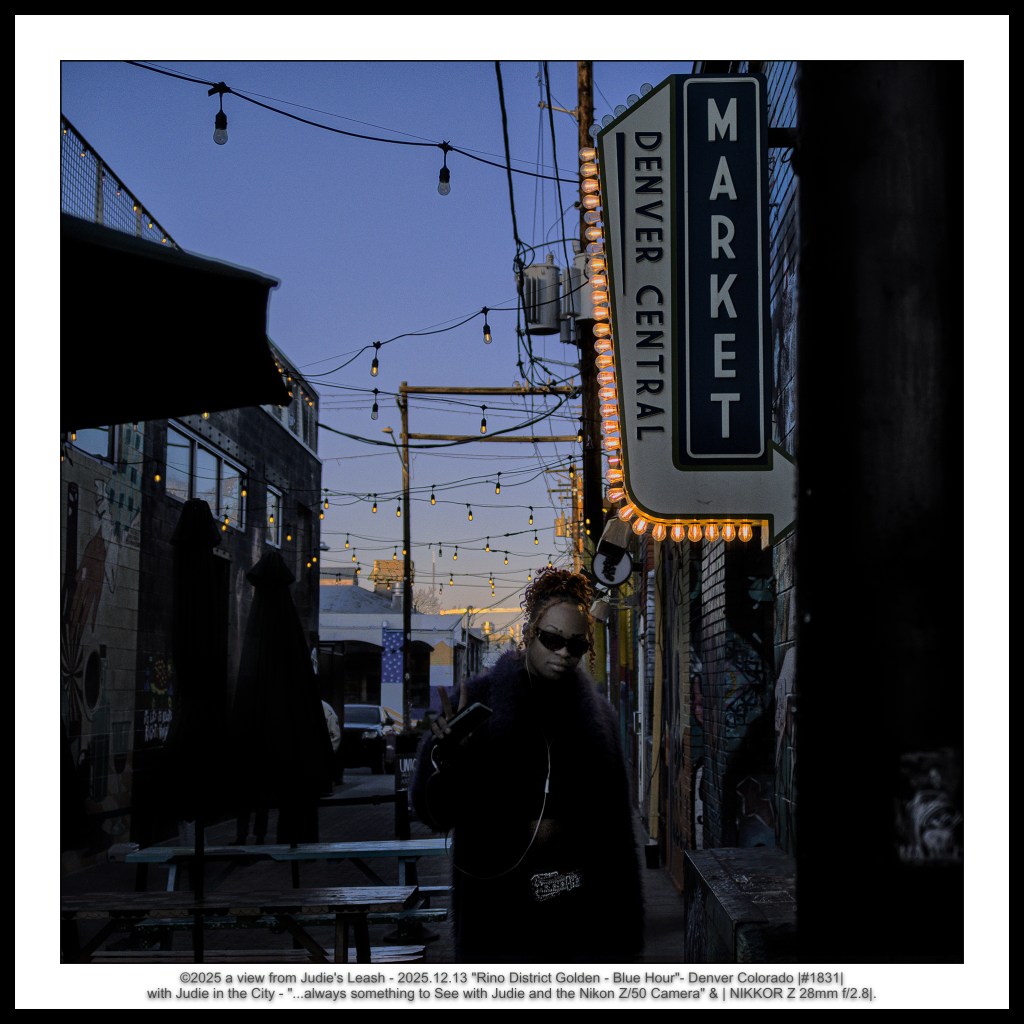
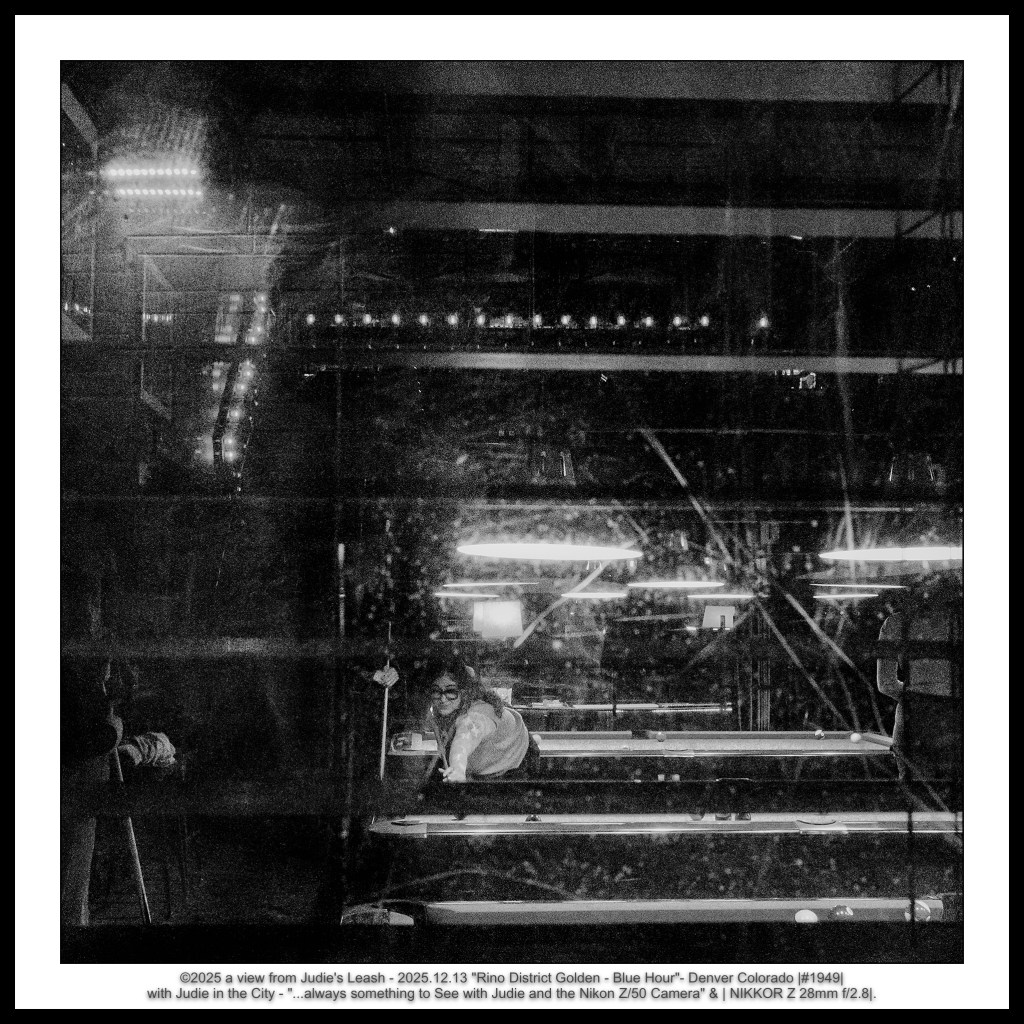
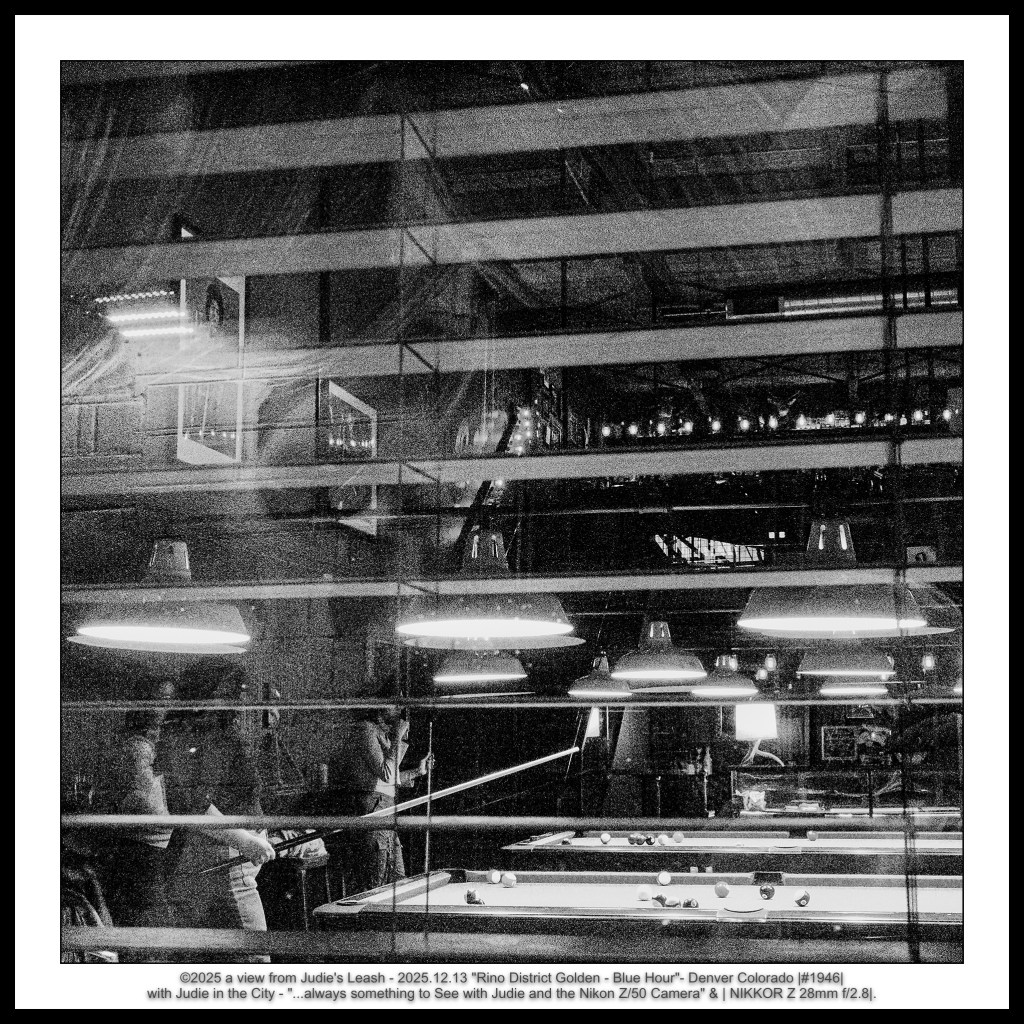
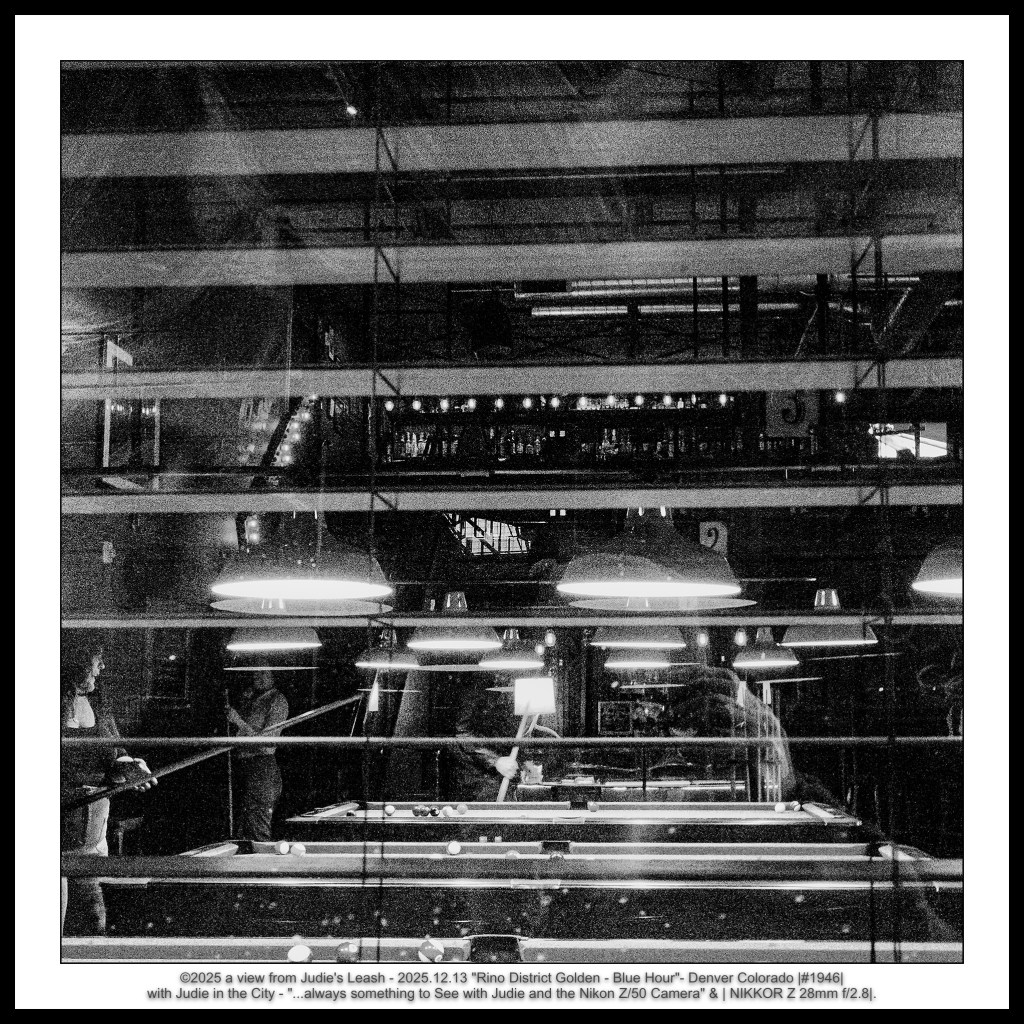
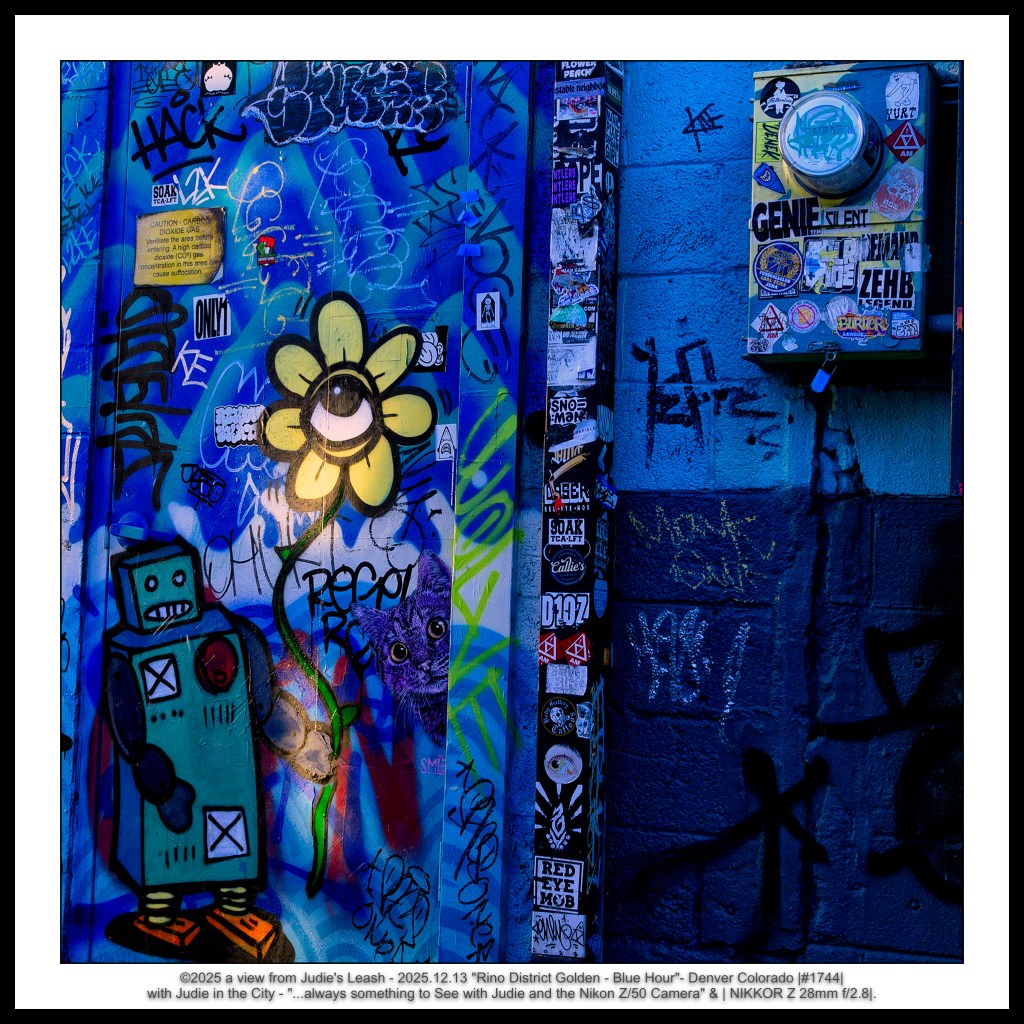
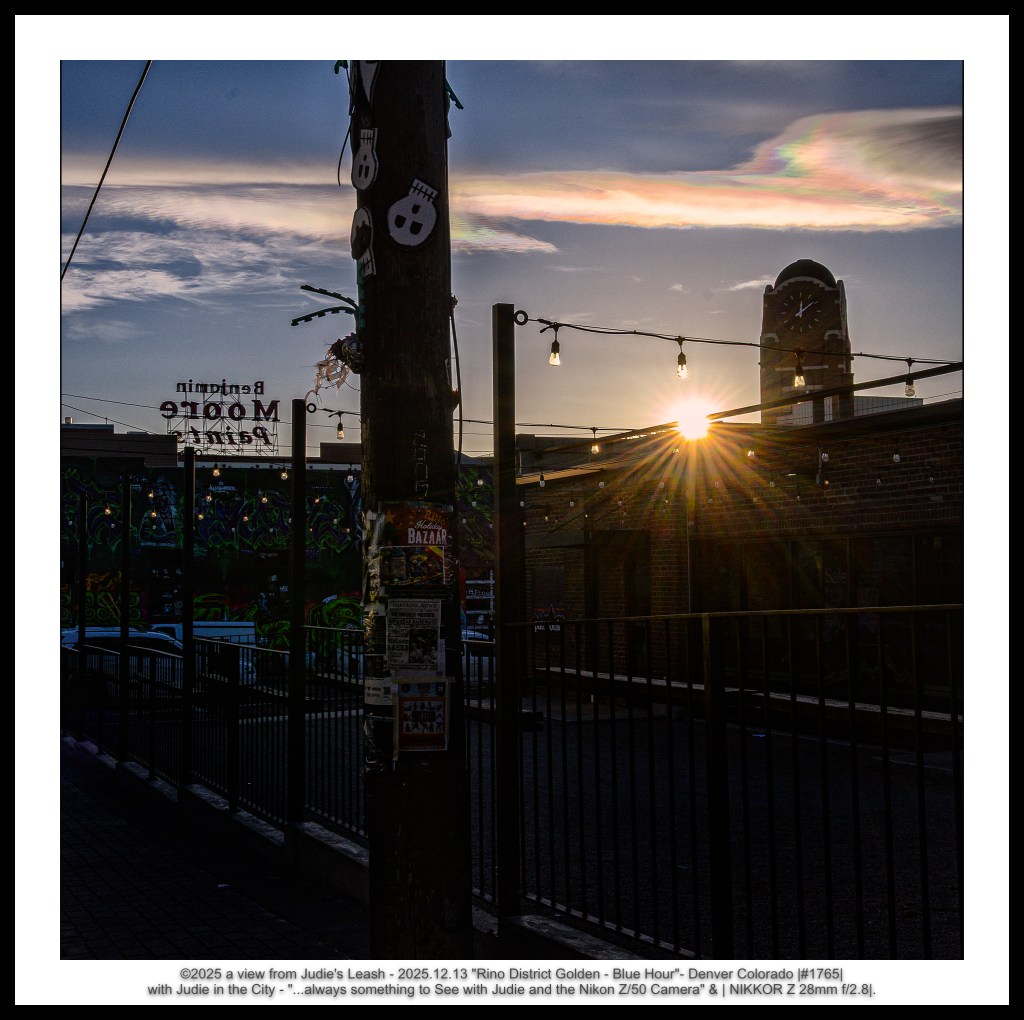
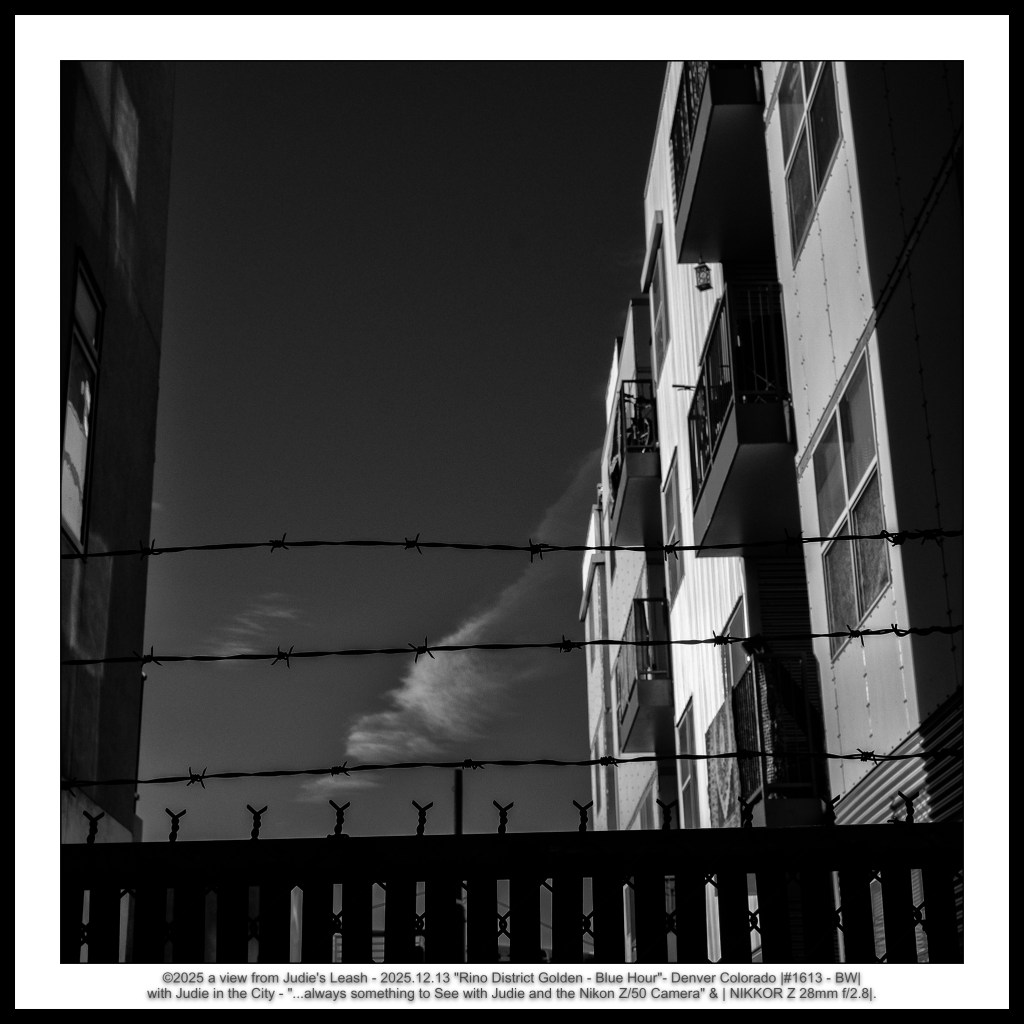
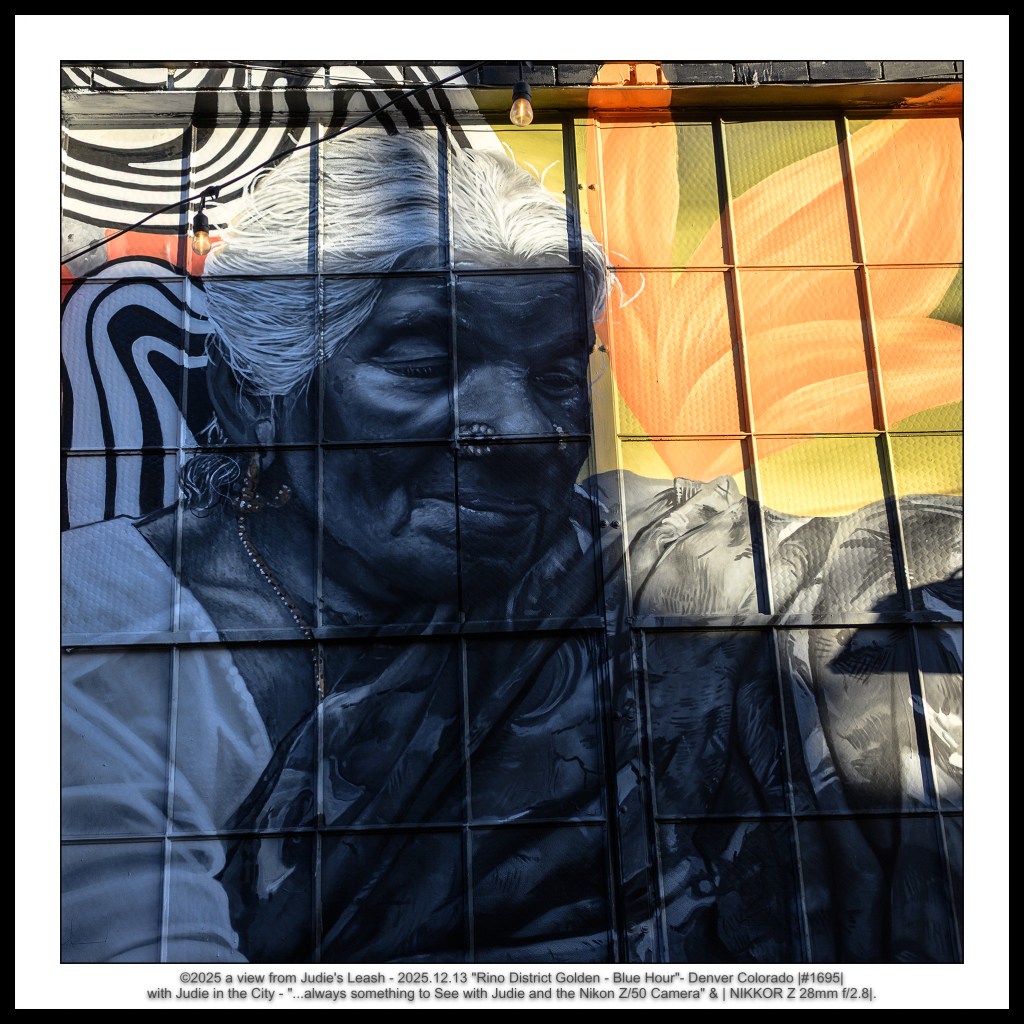
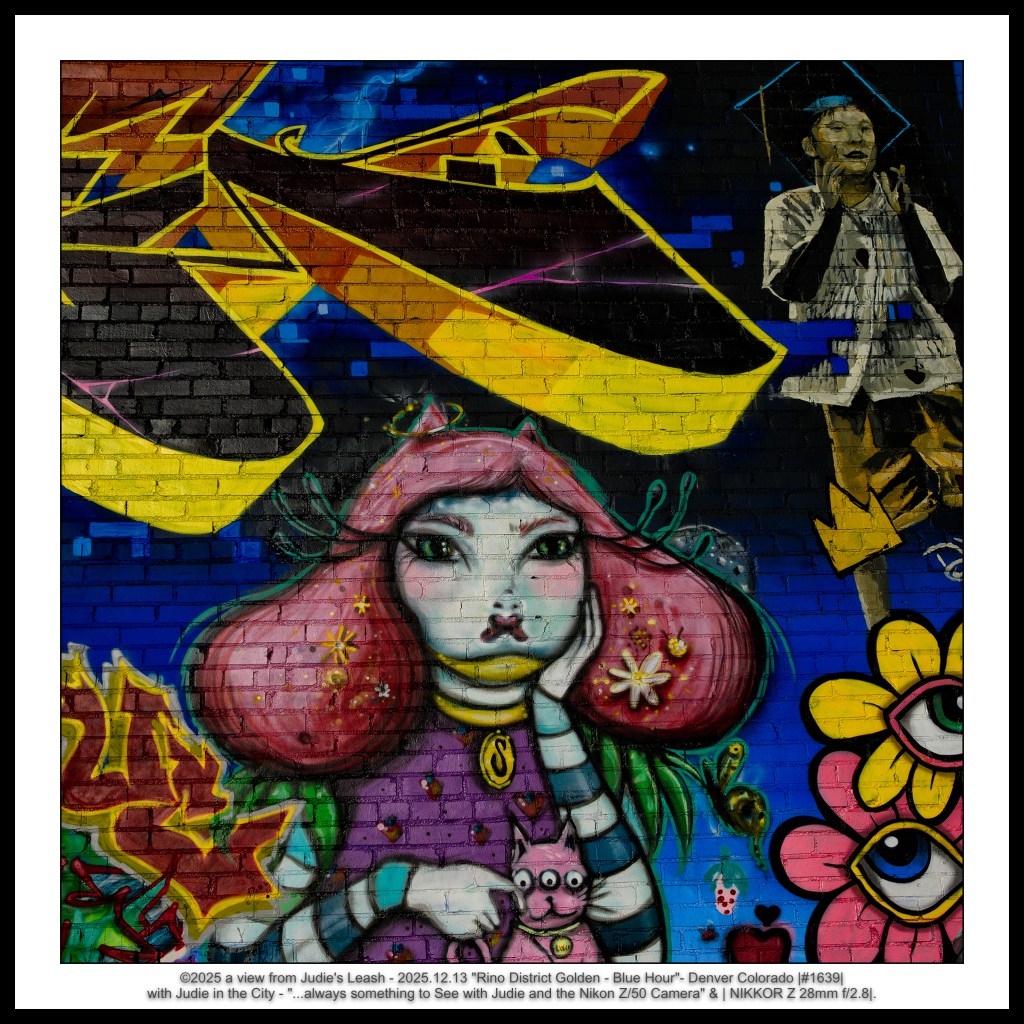
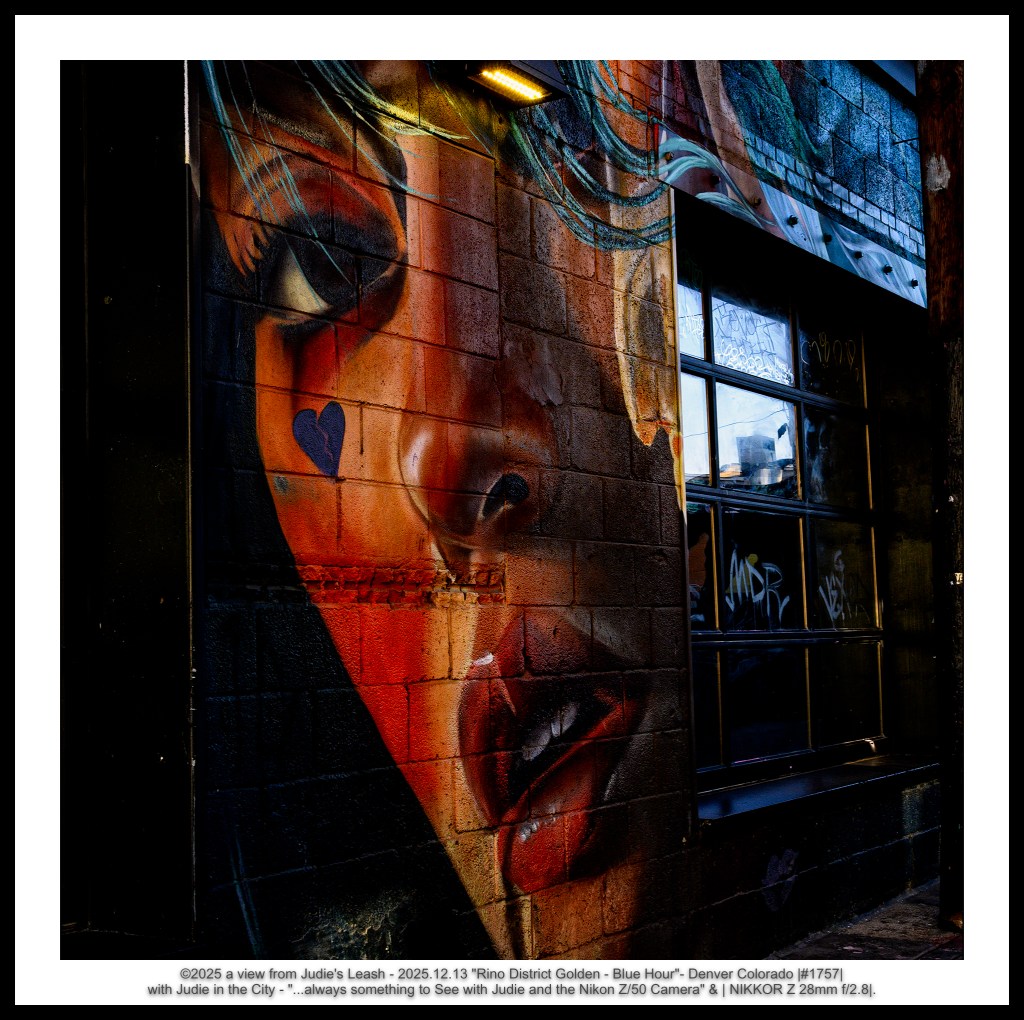
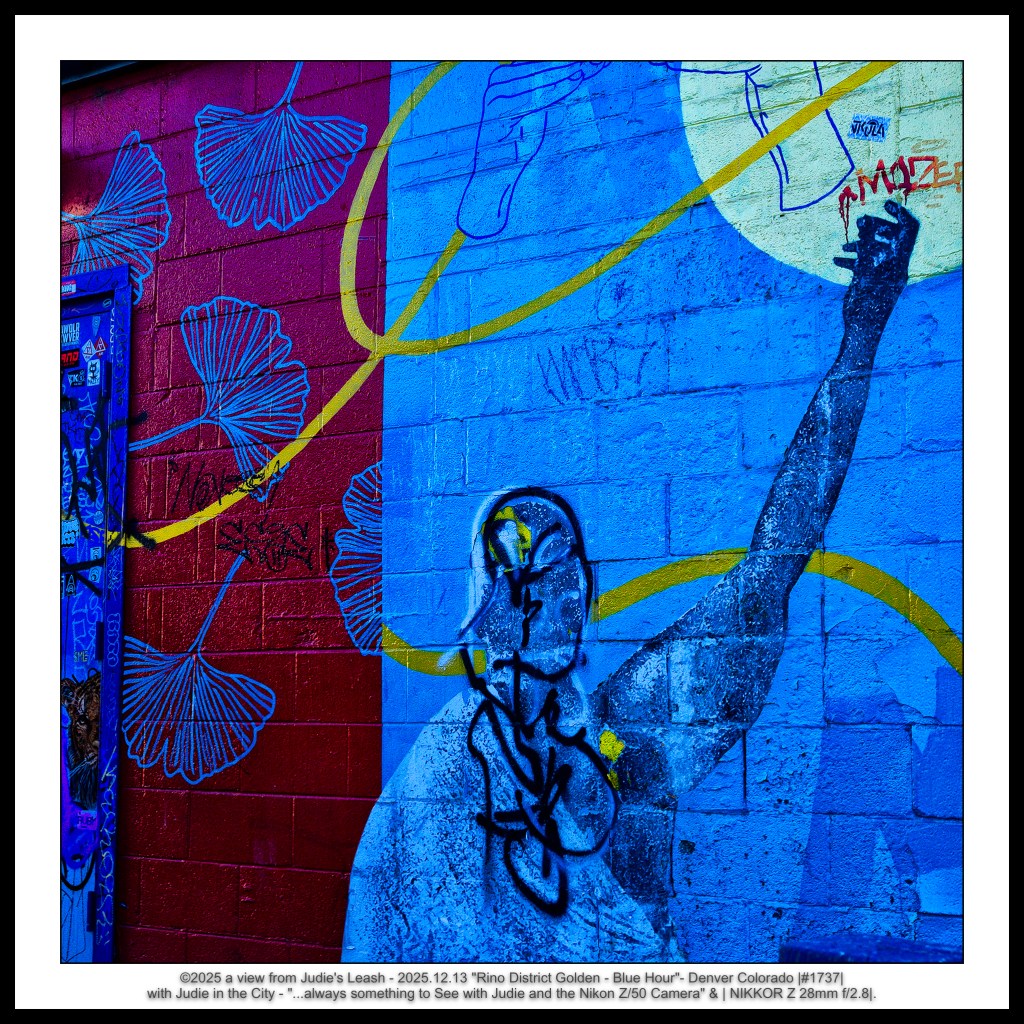
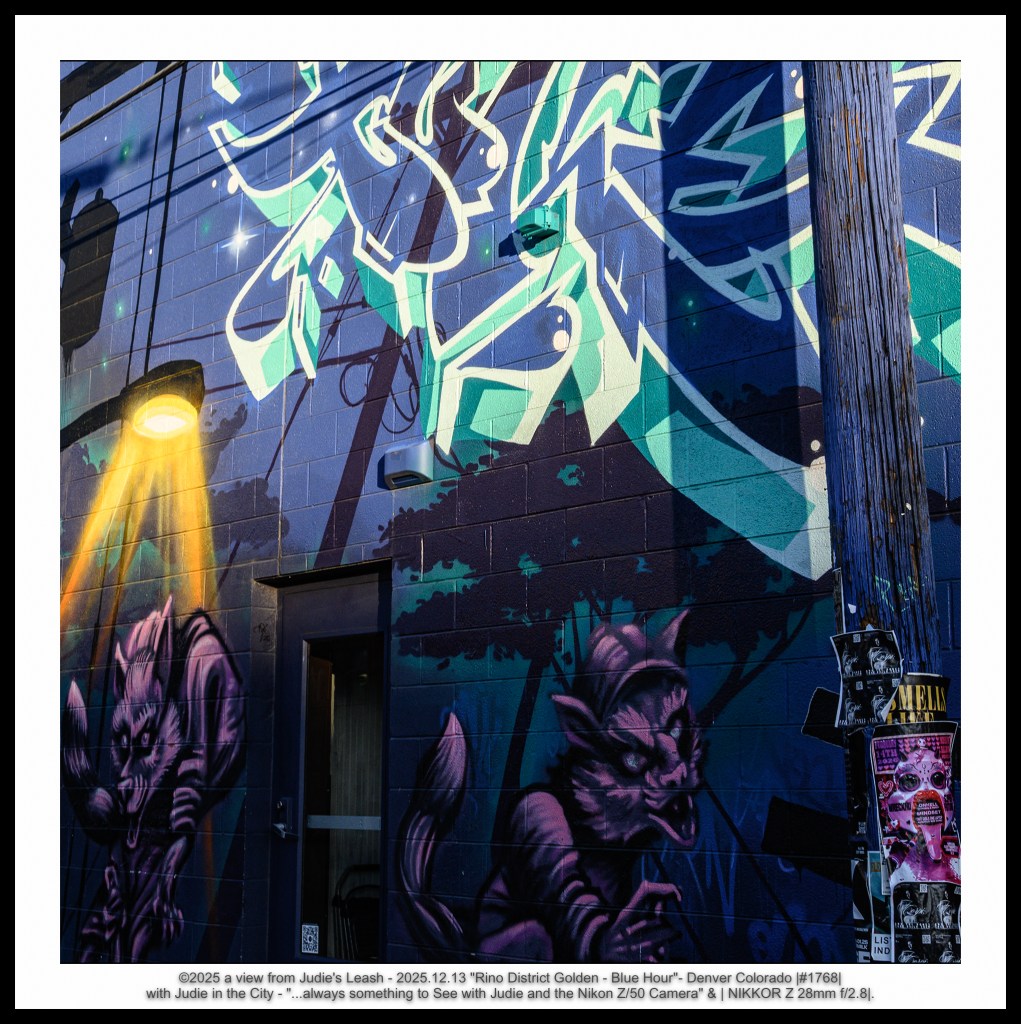
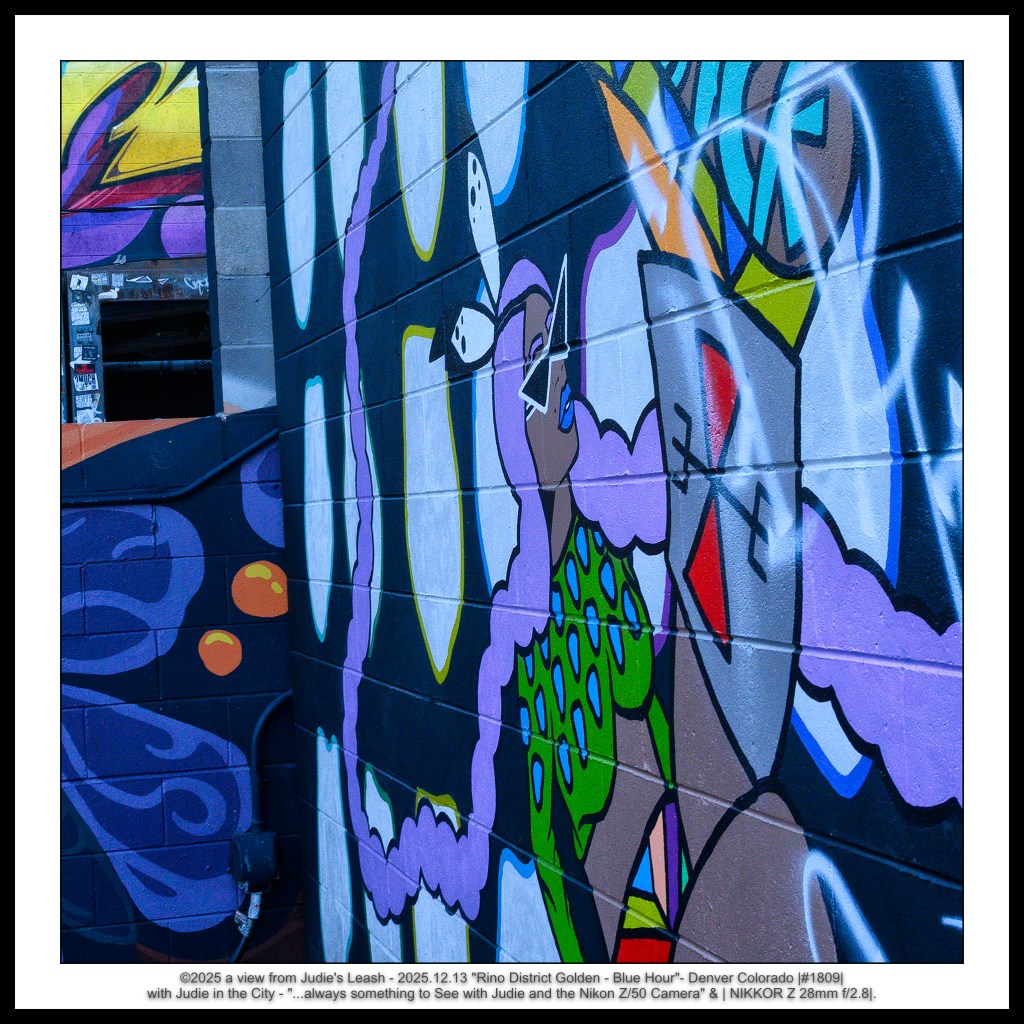
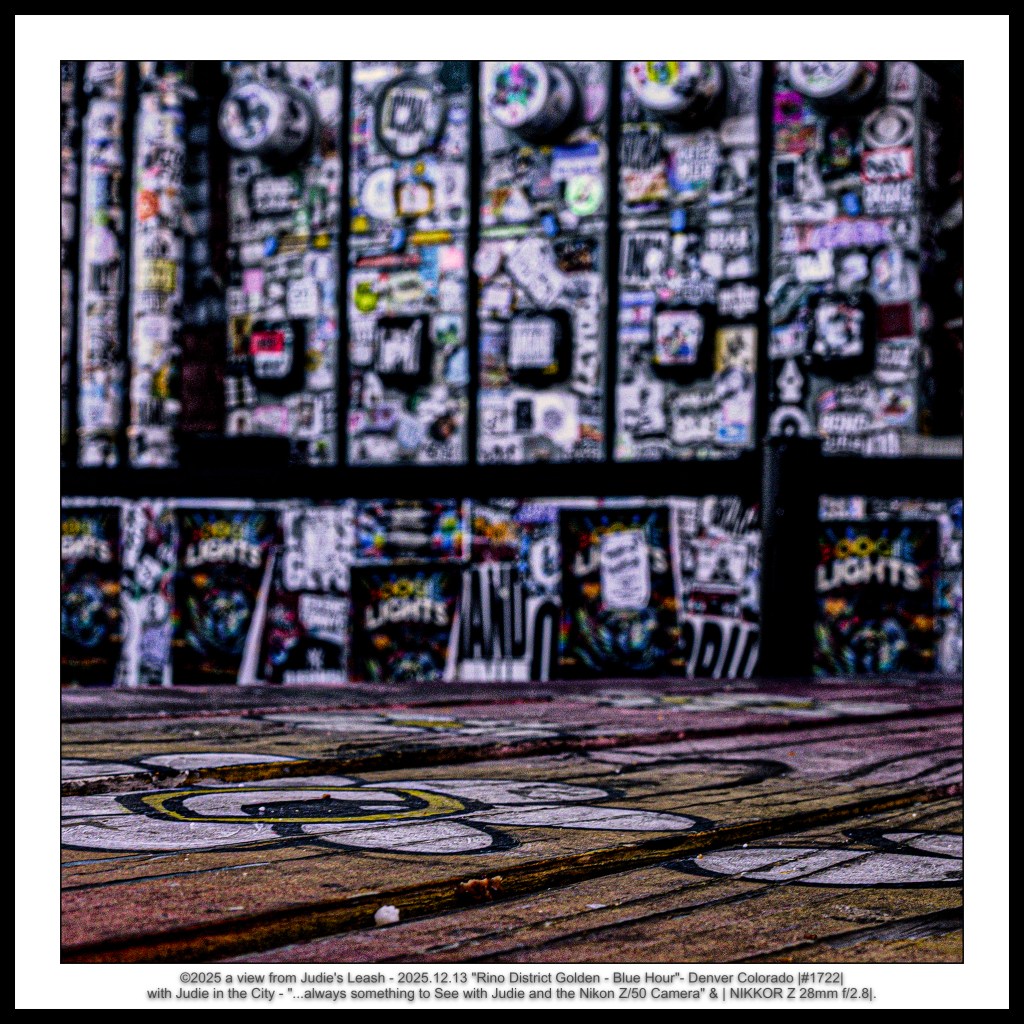
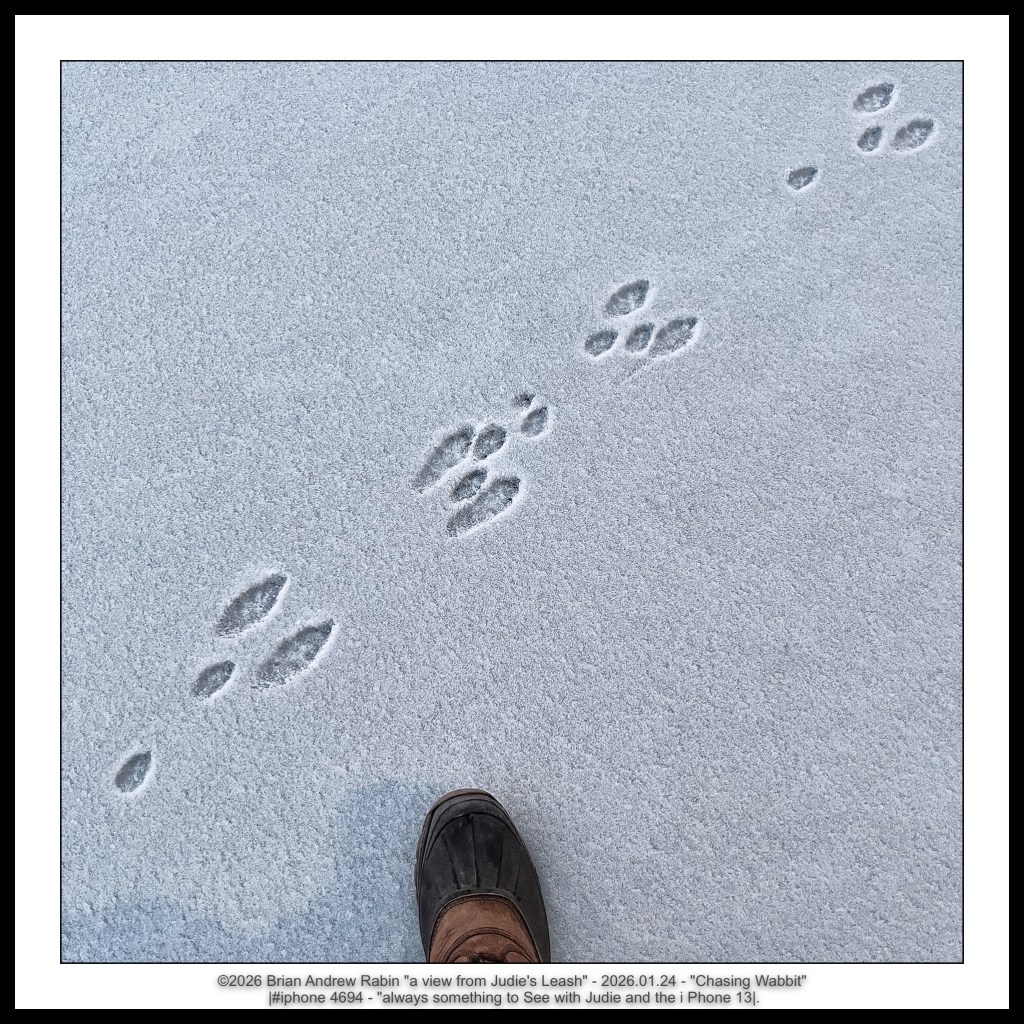
Each photo is part of an ongoing series captured from the imagined point of view of Judie, our curious and adventurous 3-year-old Pug—named in honor of my Aunt Judie, a lifelong animal lover. Each morning, Judie and I explore our neighborhood, and this image reflects the world as seen from her height and perspective.
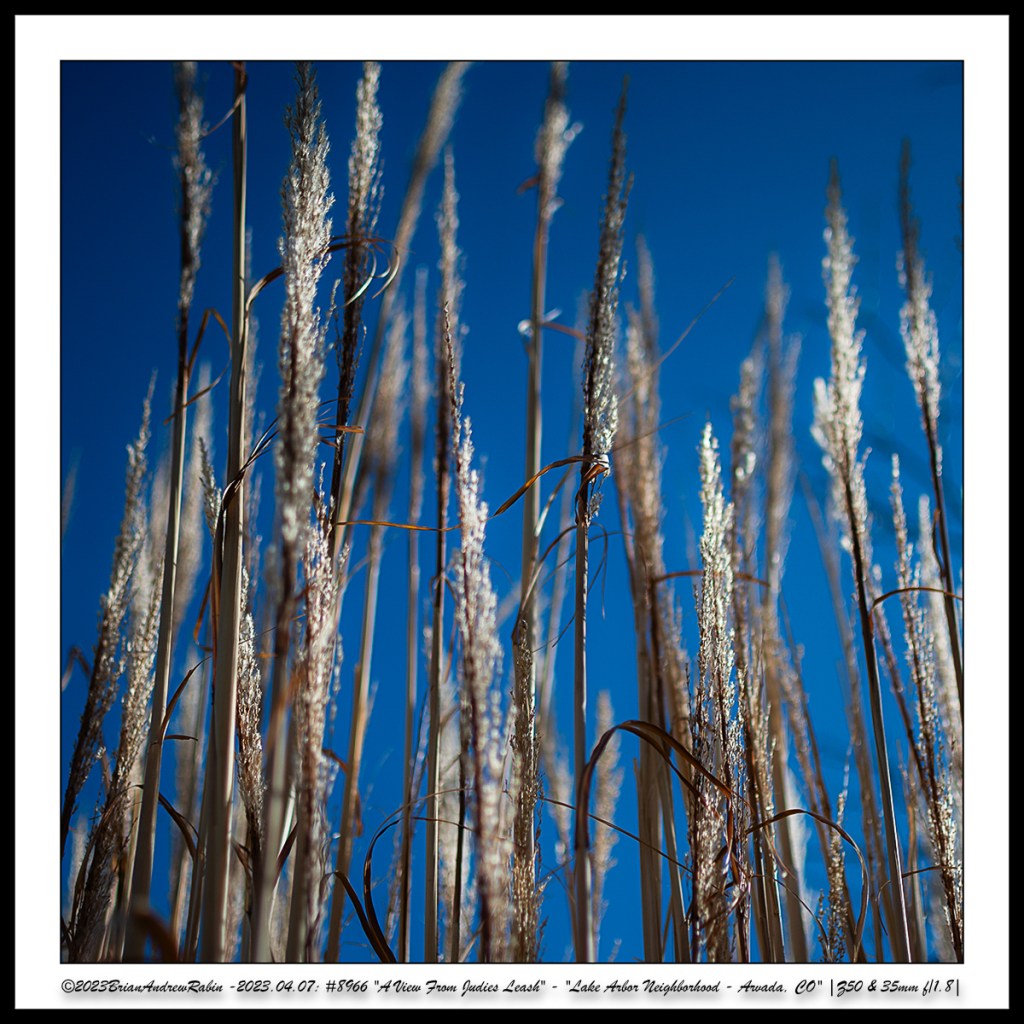
What began as a simple daily walk has slowly become a return to the same places with renewed attention. Familiar paths reveal subtle changes in light, weather, and movement, and small variations in route gently shift perception. Repetition, rather than dulling the experience, deepens it—turning routine into a quiet, integrated practice of noticing.
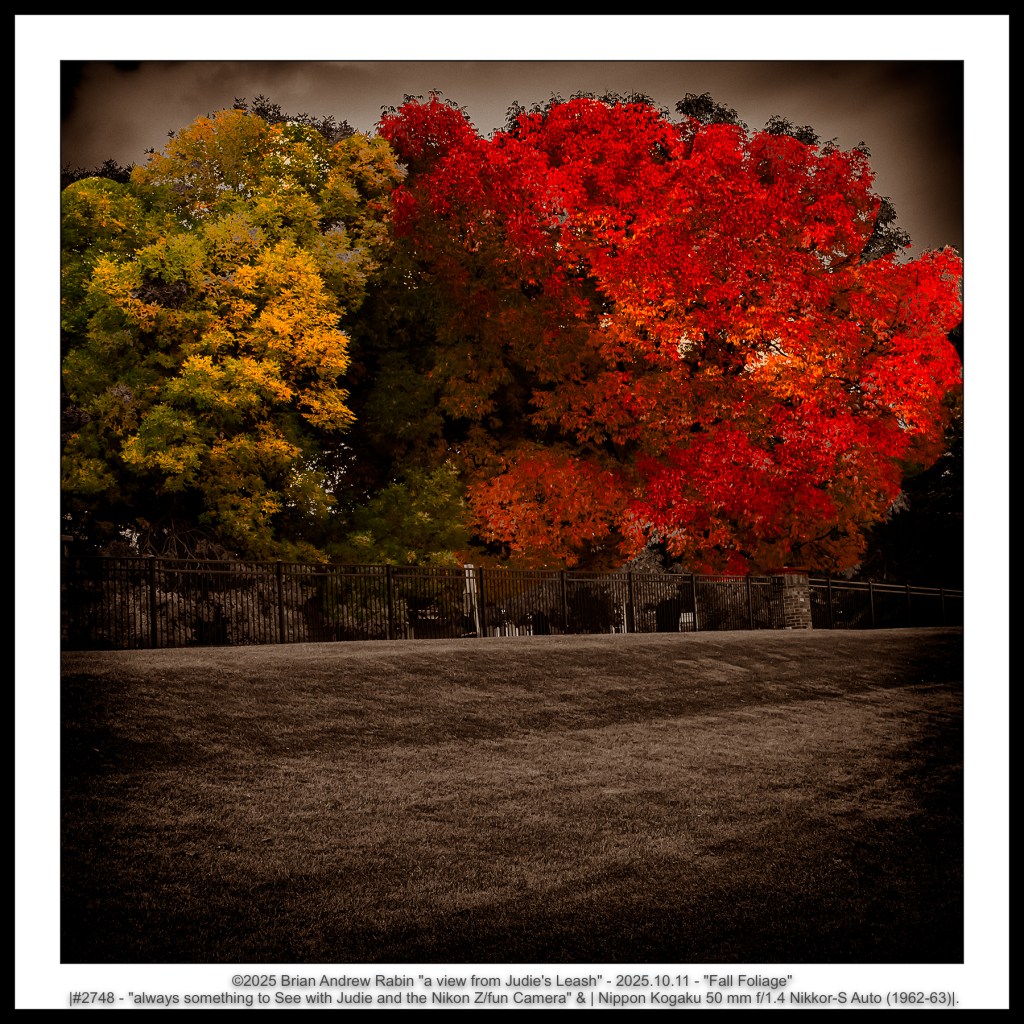
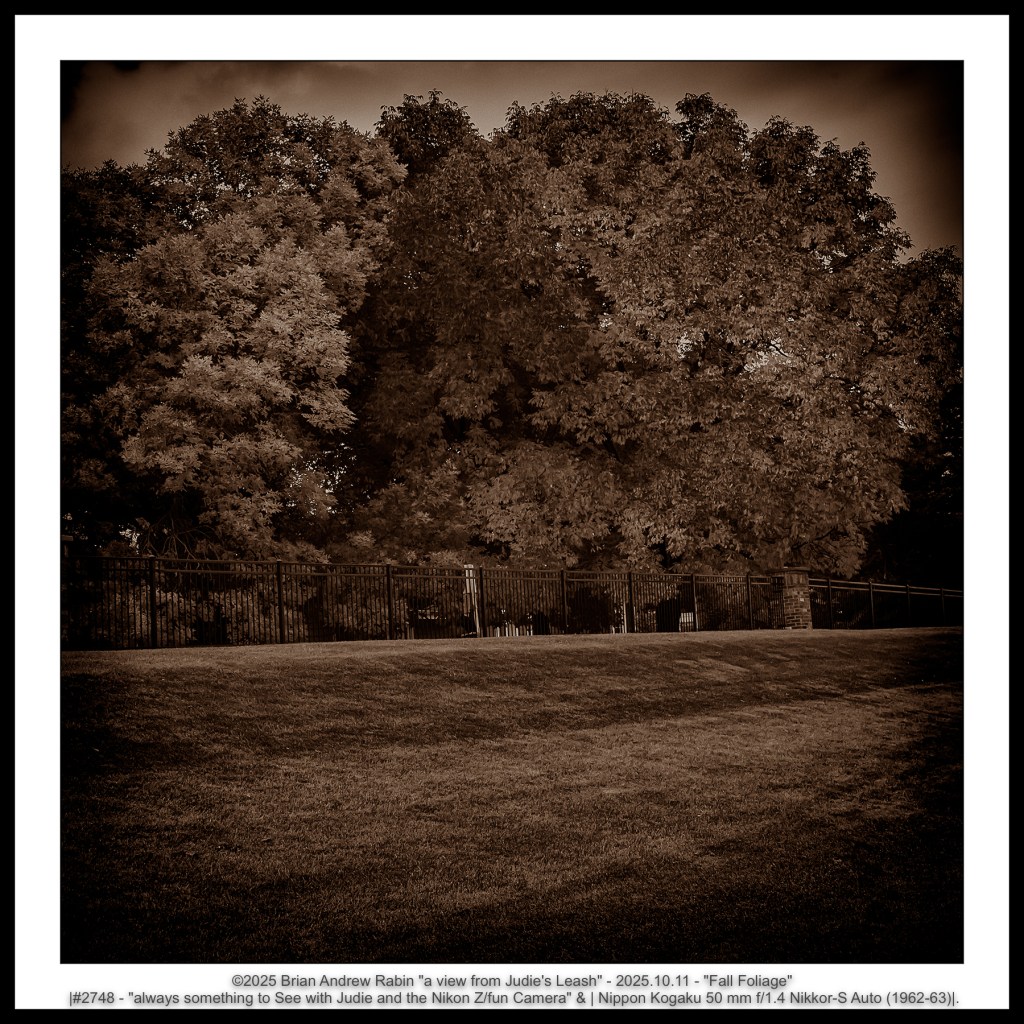
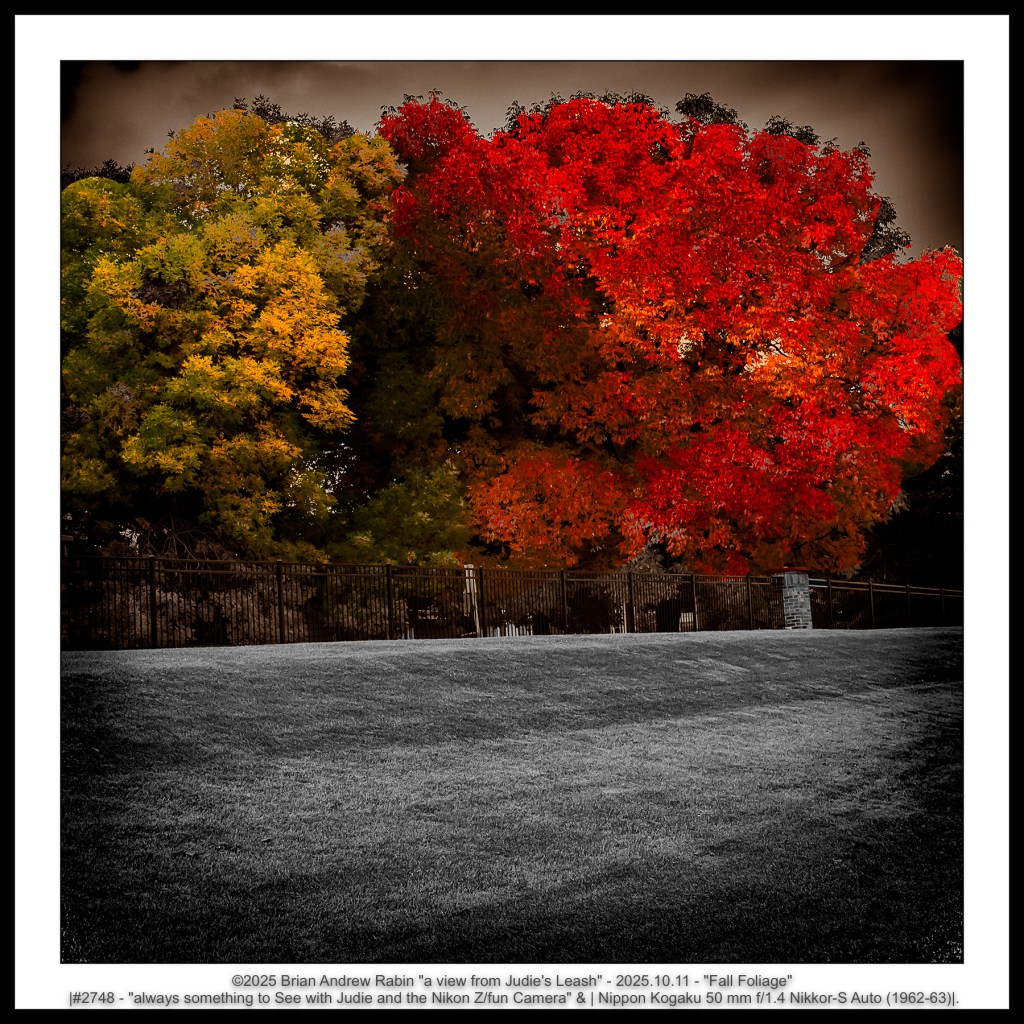
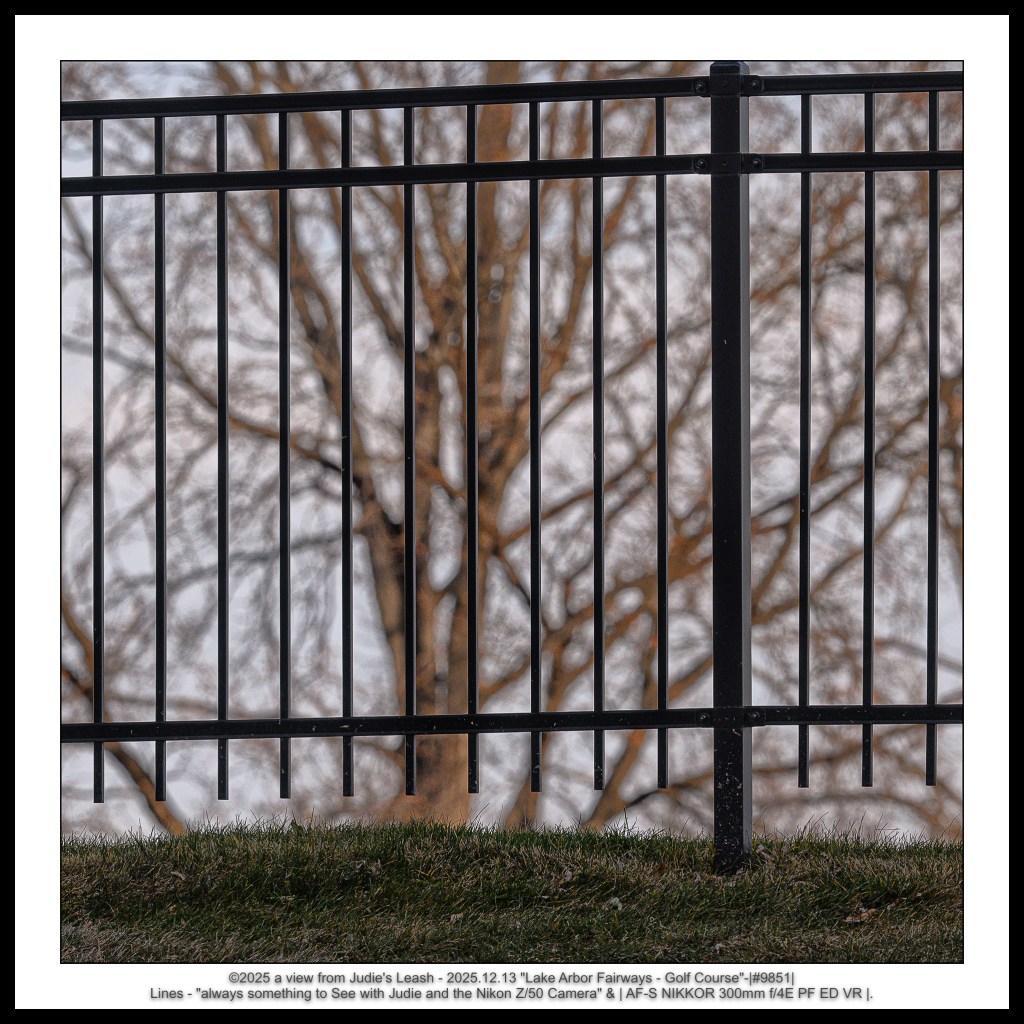
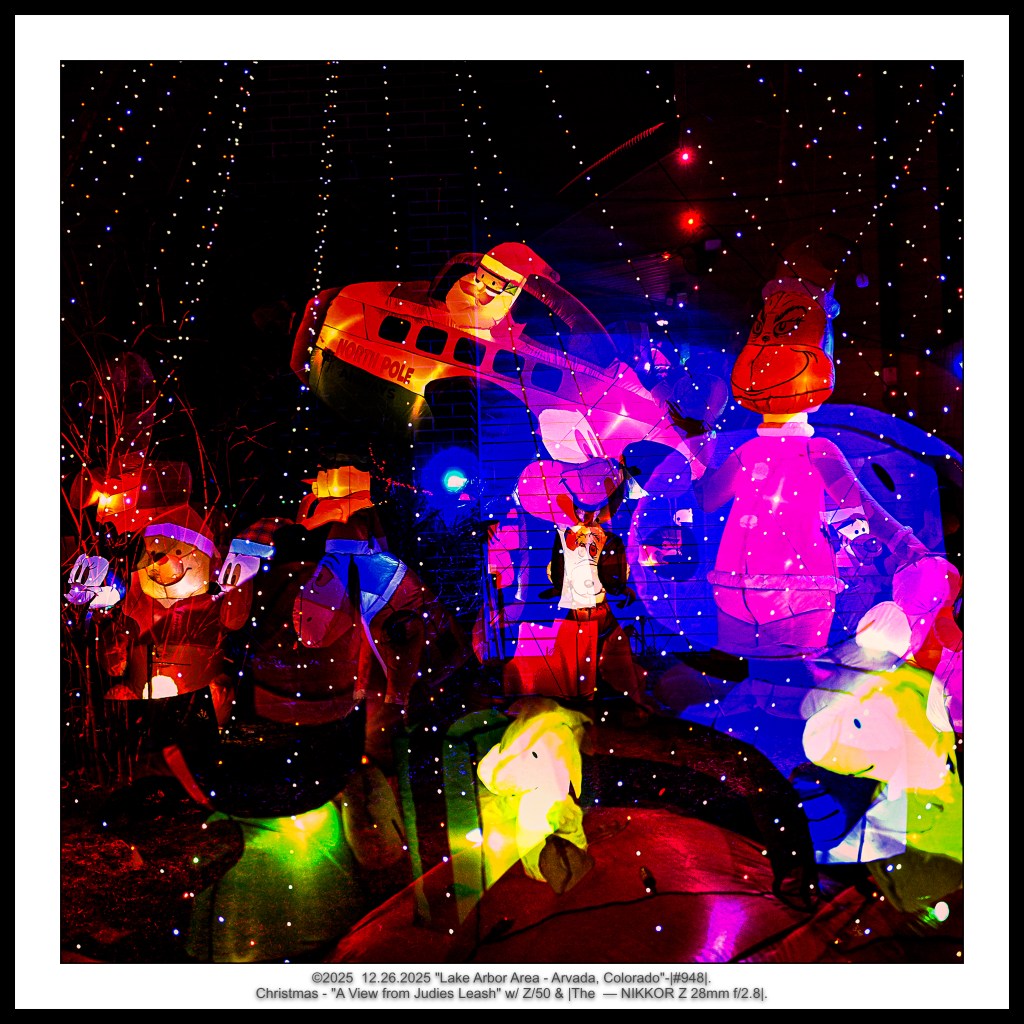
Each photograph grows out of the one before it. No single image exists on its own; lines, colors, and textures gain meaning through their relationship to what has already been seen. Choices made yesterday quietly inform today’s frame, allowing the series to build as a connected whole rather than a collection of isolated moments.
The process does not end when the shutter closes. Looking, seeing, photographing, reviewing, editing, and organizing are part of the same continuous rhythm. Time is spent sitting with the images—considering them, learning from them—before stepping back outside to begin again. In this way, the act of photographing mirrors human perception itself: attentive, reflective, and always in motion.
Over time, this practice has become more than an exercise in seeing light or adjusting aperture and shutter to shape a photograph. Learning the camera is only one part of the walk. These morning—and occasional evening—walks have settled into a way of paying attention, with the exploration of lenses emerging naturally as part of that process.
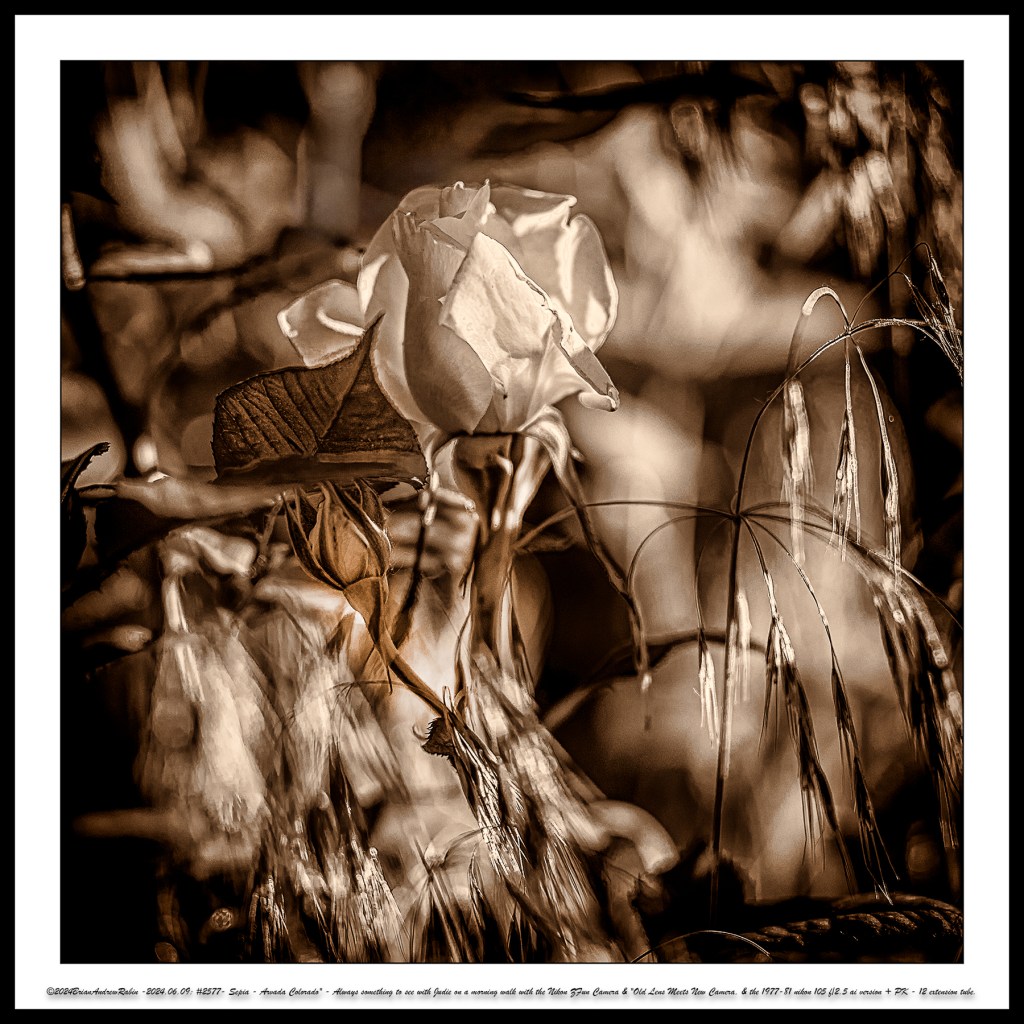
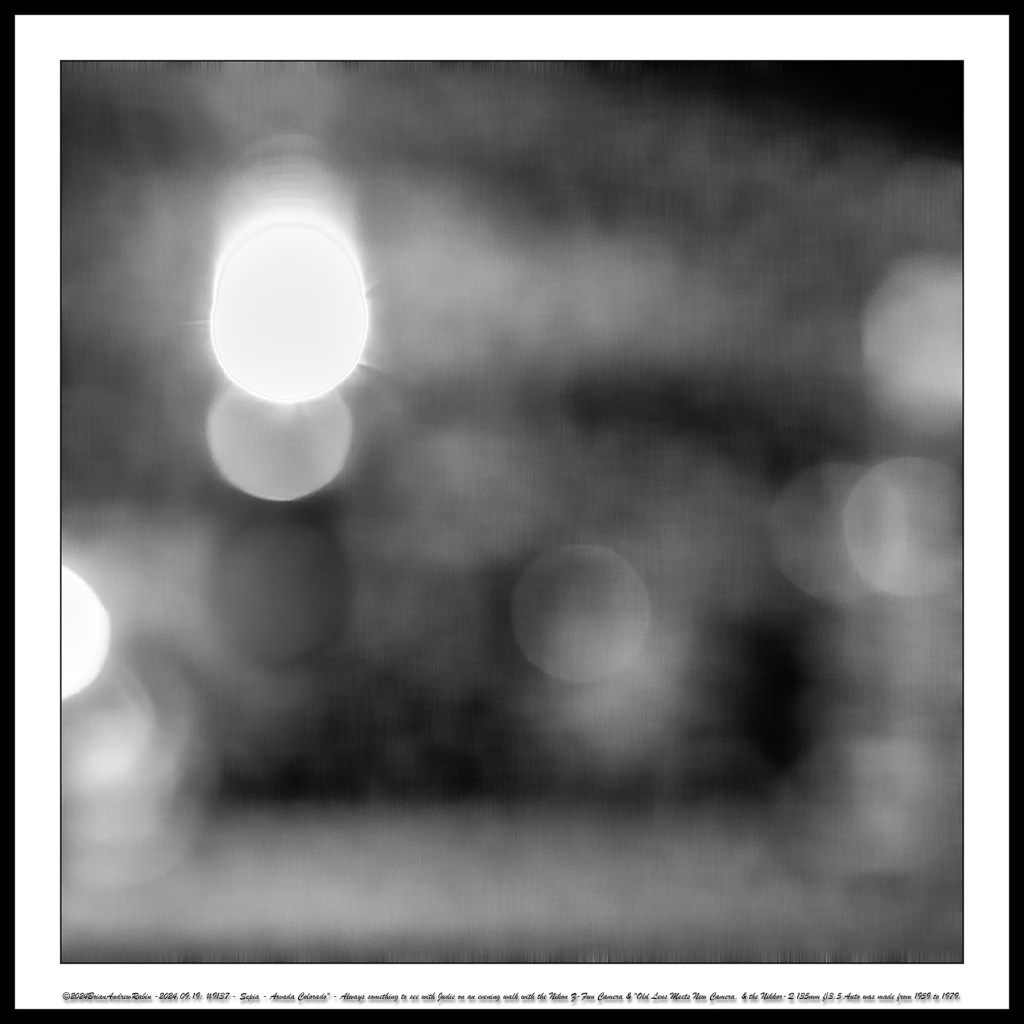
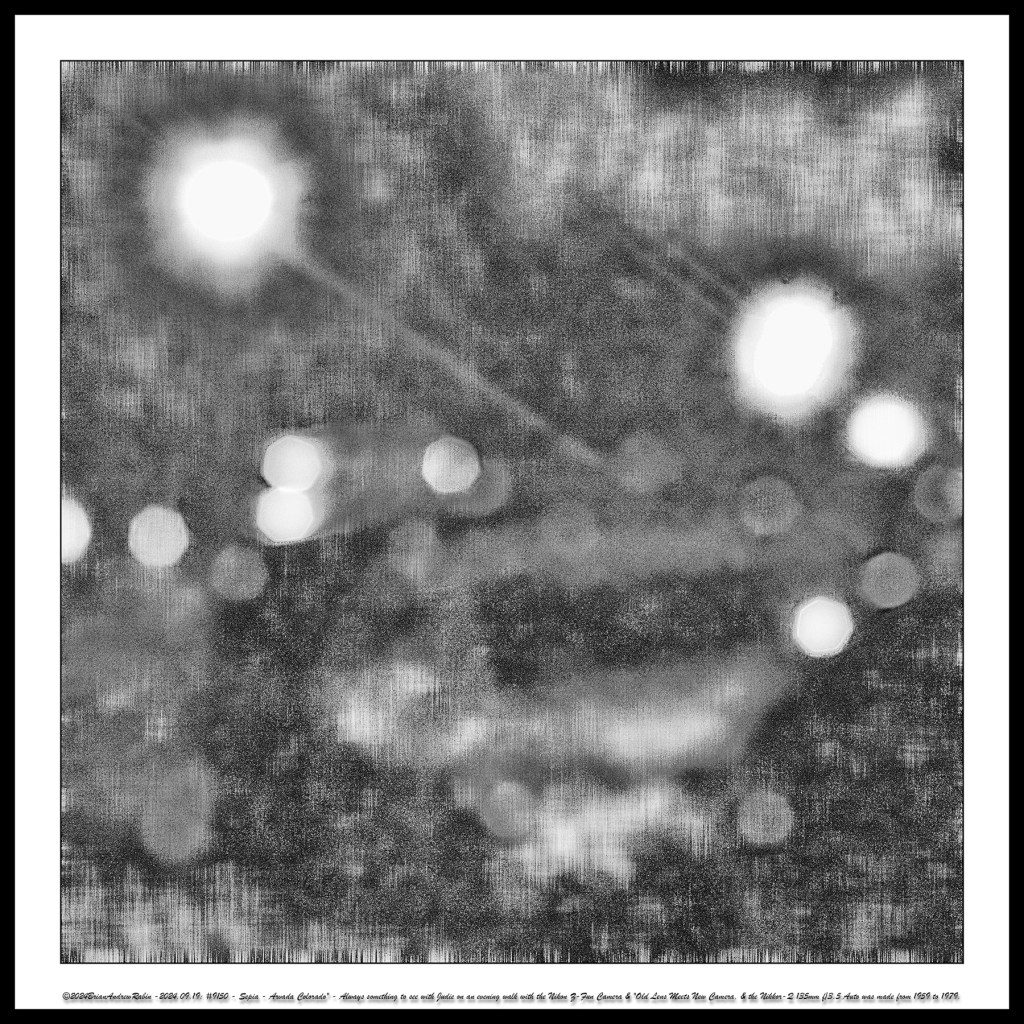
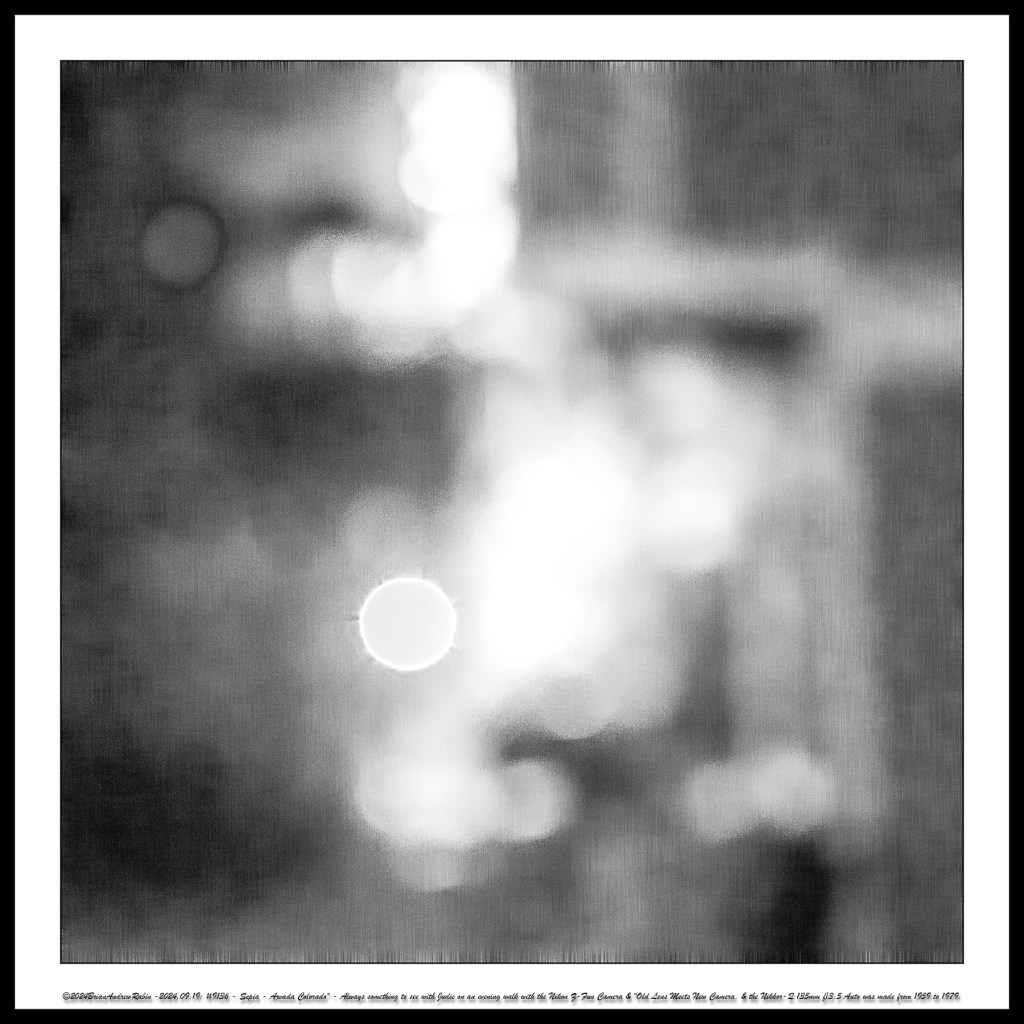
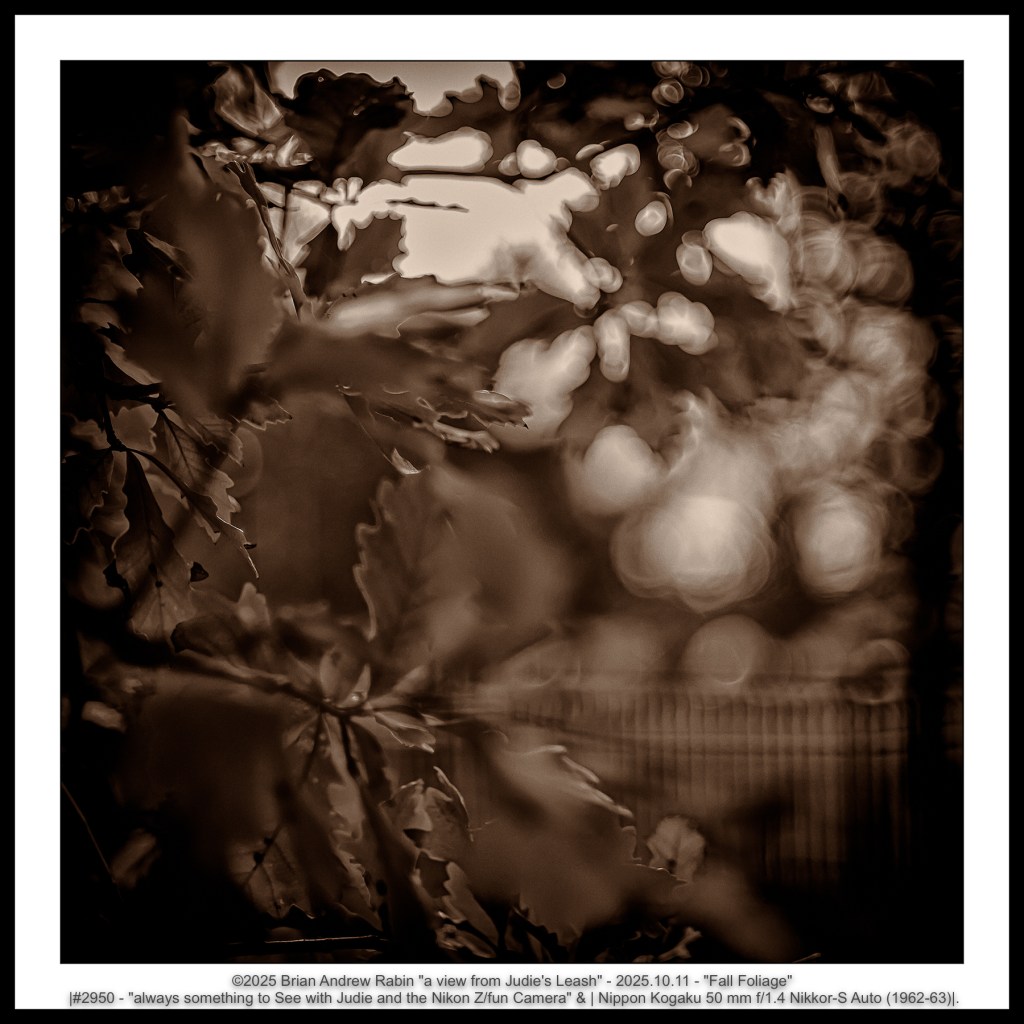
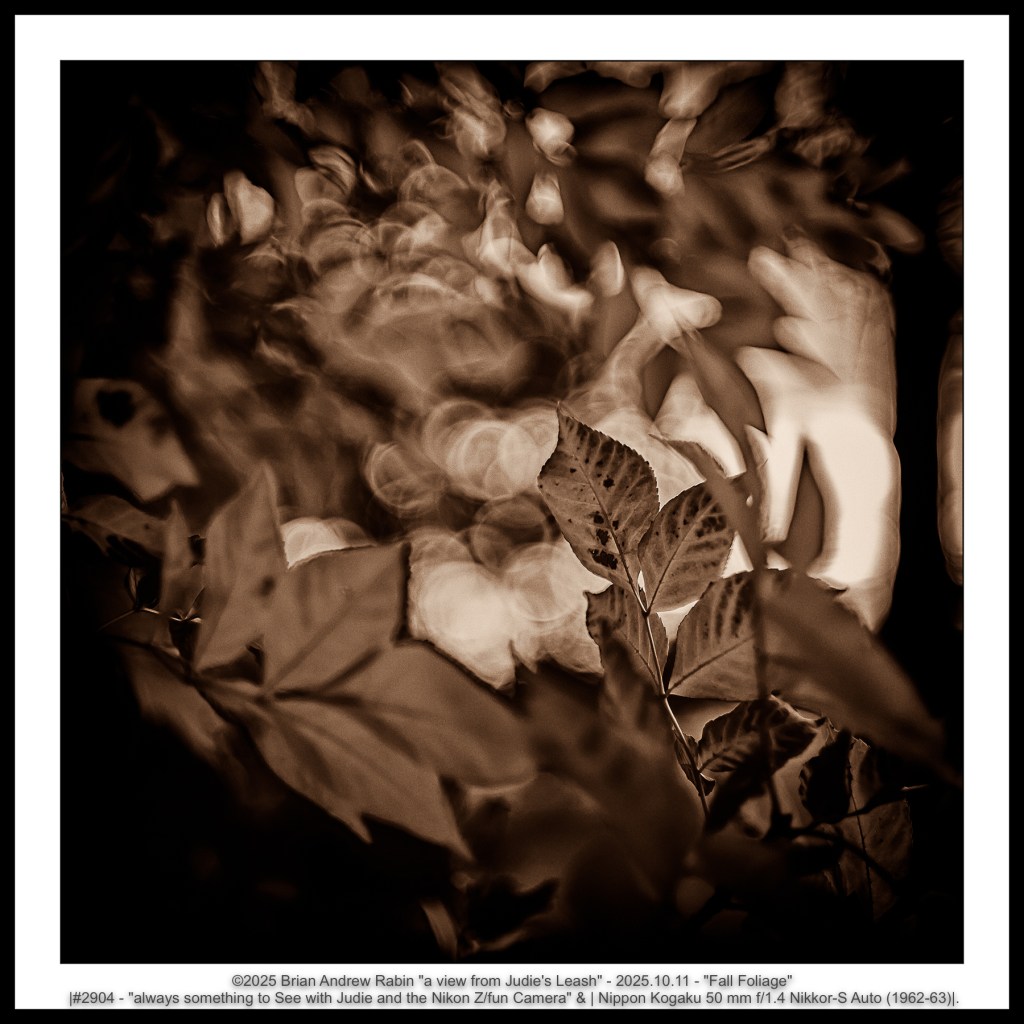
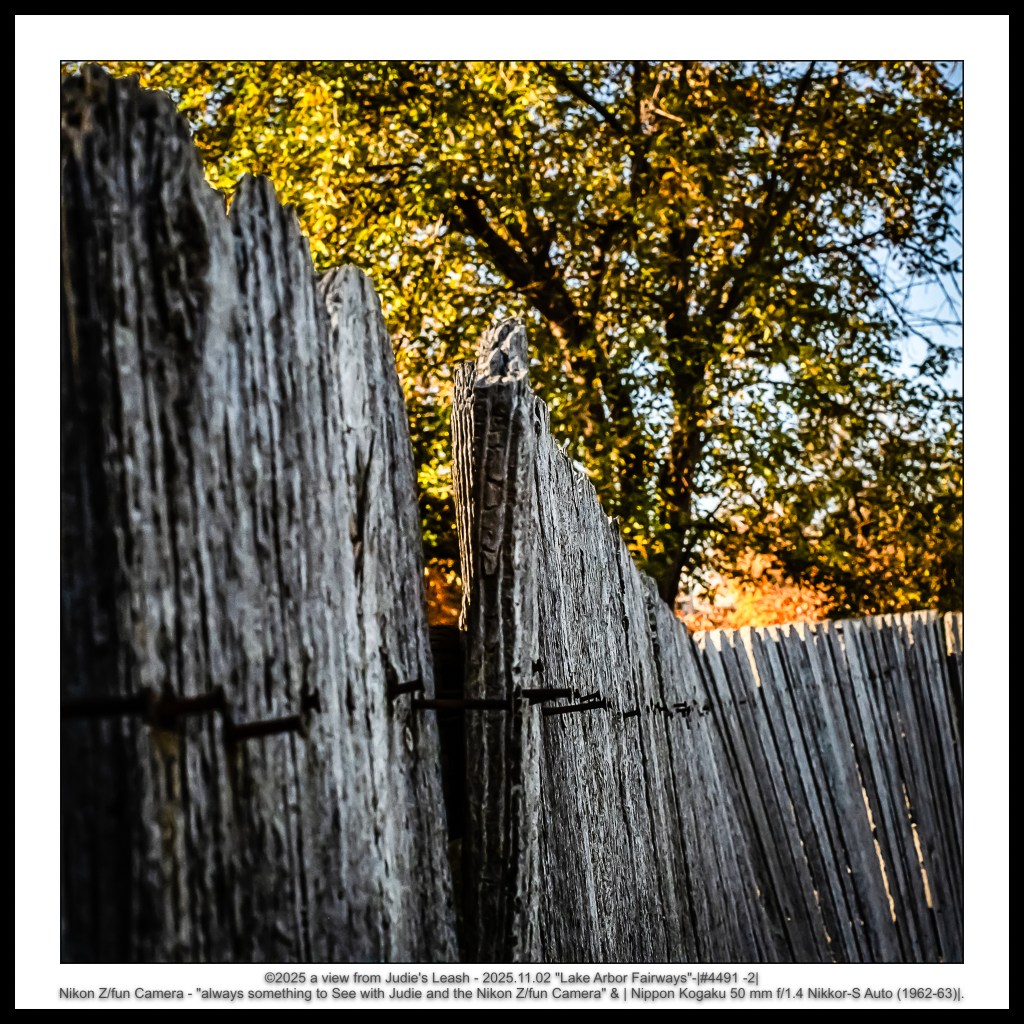
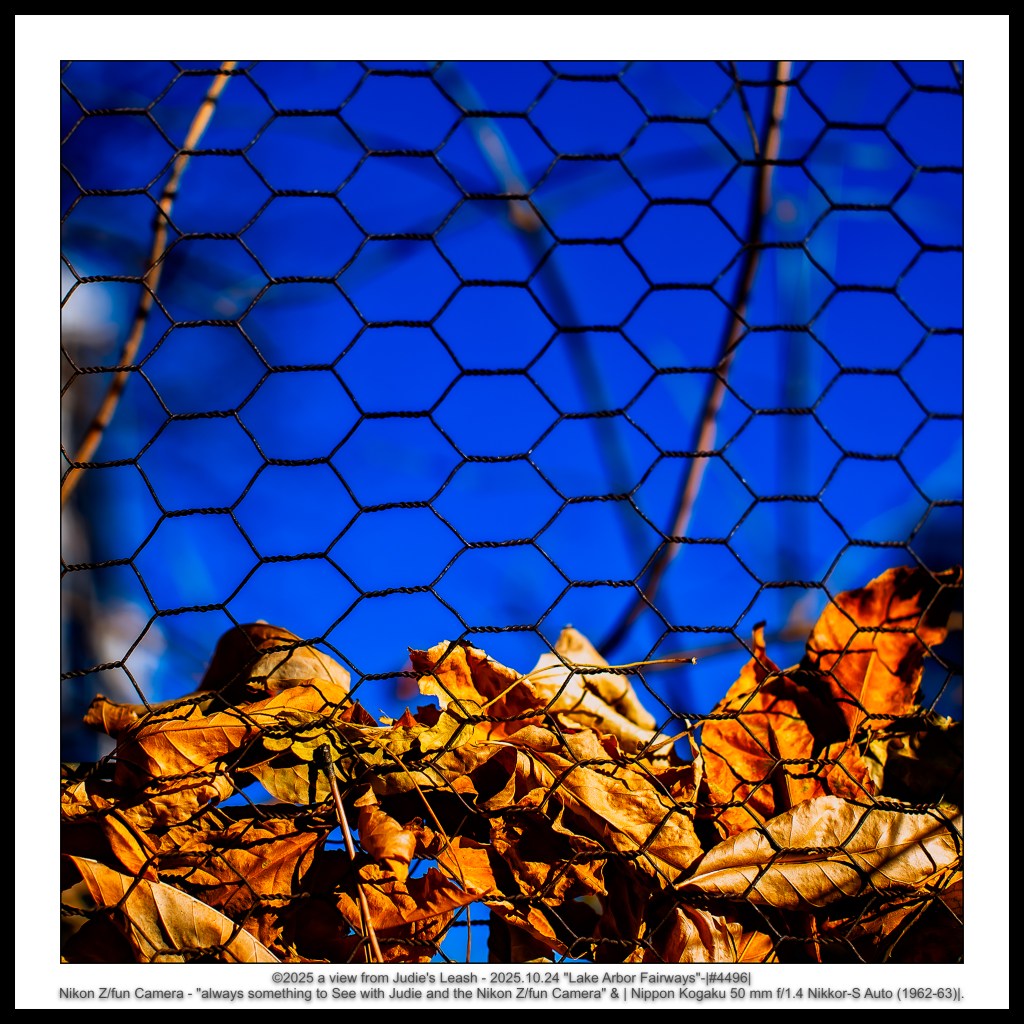
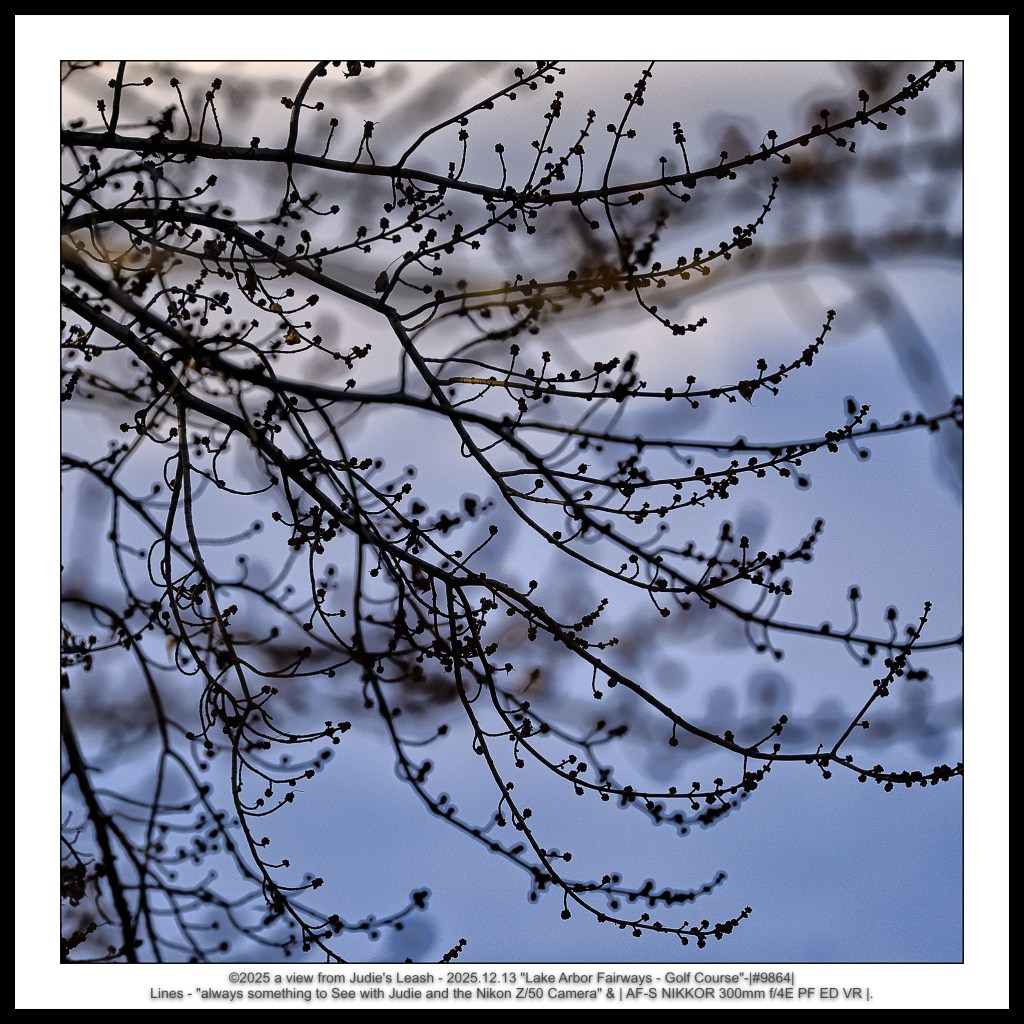
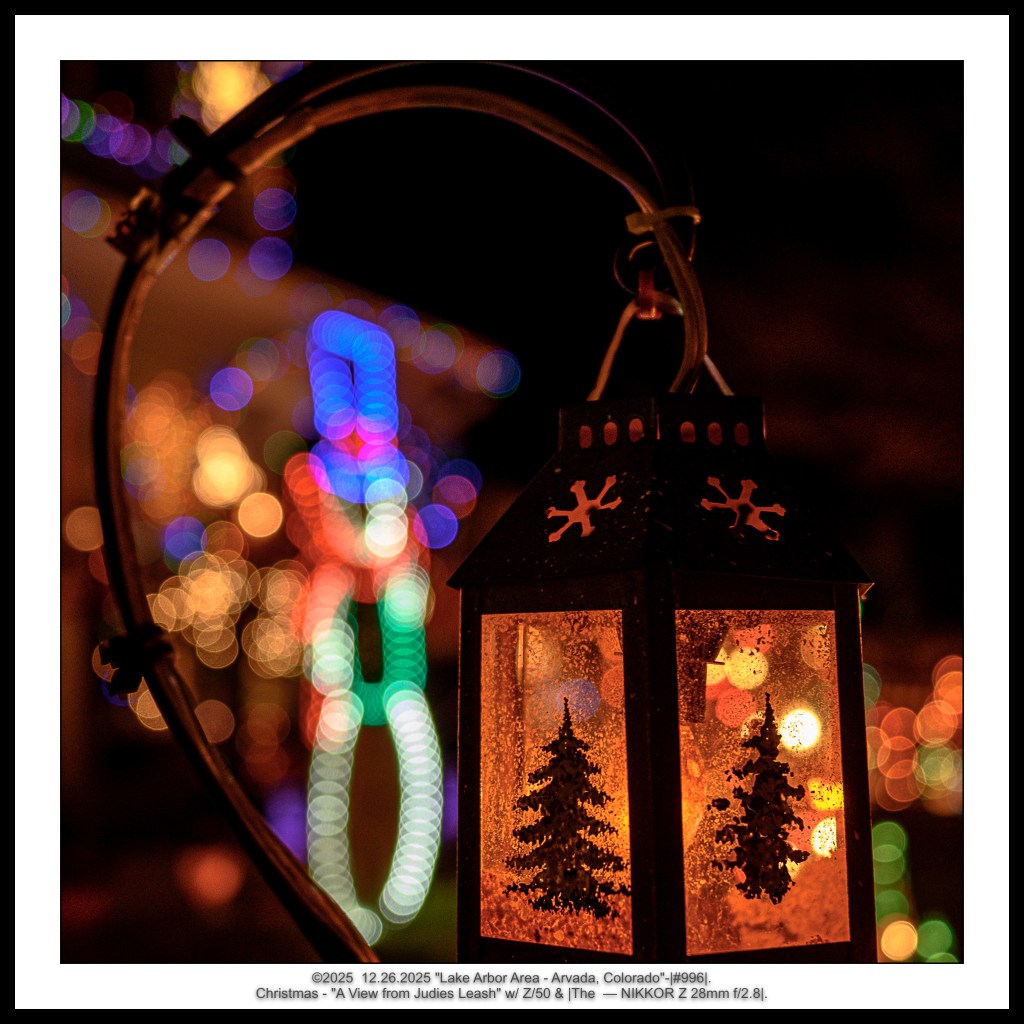
I have long thought of lenses as paintbrushes. Each focal length marks the frame differently, shaping space, compression, and distance according to how a scene is felt rather than simply observed. The choice of lens becomes an interpretive act, guiding how attention is translated into form.
This moment offers an unusual openness. As photography continues its shift from digital SLRs to interchangeable-lens mirrorless cameras, many well-made older lenses have returned to circulation. Their continued usability allows past and present ways of seeing to coexist, inviting experimentation without urgency and reinforcing the sense that each choice quietly builds upon the last.
These older, relatively inexpensive lenses slow the process. Manual focus asks for patience, and mechanical aperture rings encourage intention. In using them, photographing becomes more deliberate and reflective.
The walk grows quieter, the seeing more considered, and the resulting images—ideally—more attentive, both visually and humanistically: grounded in empathy, awareness, and a respect for lived experience, where the act of looking becomes a way of understanding rather than merely recording.
Thank you for spending time with these images; they are part of an ongoing process of walking, looking, learning, and beginning again.
— Brian · January 18, 2026




















 viewfromthehandlebars.com