Introduction
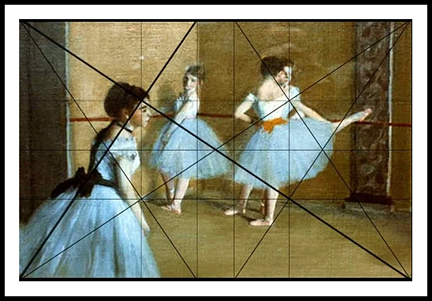
In photography, composition begins with the subject—sometimes even a secondary subject. Once those are identified, other compositional tools come into play to add depth, guide the viewer’s eye, and create balance. Below are essential elements that help shape strong and compelling images.
Elements of Composition
Primary Subject – Clearly define the main focus of the photograph so the viewer knows where to look first.
Secondary Subject – Add a supporting element that provides context, balance, or visual interest to the main subject.
Background – Keep it clean or intentional so it enhances rather than distracts from the subject.
Foreground – Place elements in the front of the frame to create depth and invite the viewer into the image.
Rule of Thirds – Divide the frame into thirds to position the subject in a balanced, visually appealing way.
Lines – Use leading, diagonal, or curved lines to guide the viewer’s eye through the scene.
Texture – Highlight surface details to add richness and dimension to the image.
Depth of Field – Control focus to separate your subject from its surroundings or add layered sharpness.
Shutter Speed – Freeze action for clarity or blur motion to convey energy and flow

 viewfromthehandlebars.com