
The Precision of Quiet Light – A Tale of the Micro-NIKKOR 55mm f/3.5 (1969–1979)
I’ve always believed that some lenses teach you more than any class or textbook ever could. The Nikon 55mm f/3.5 Micro-NIKKOR is one of those teachers
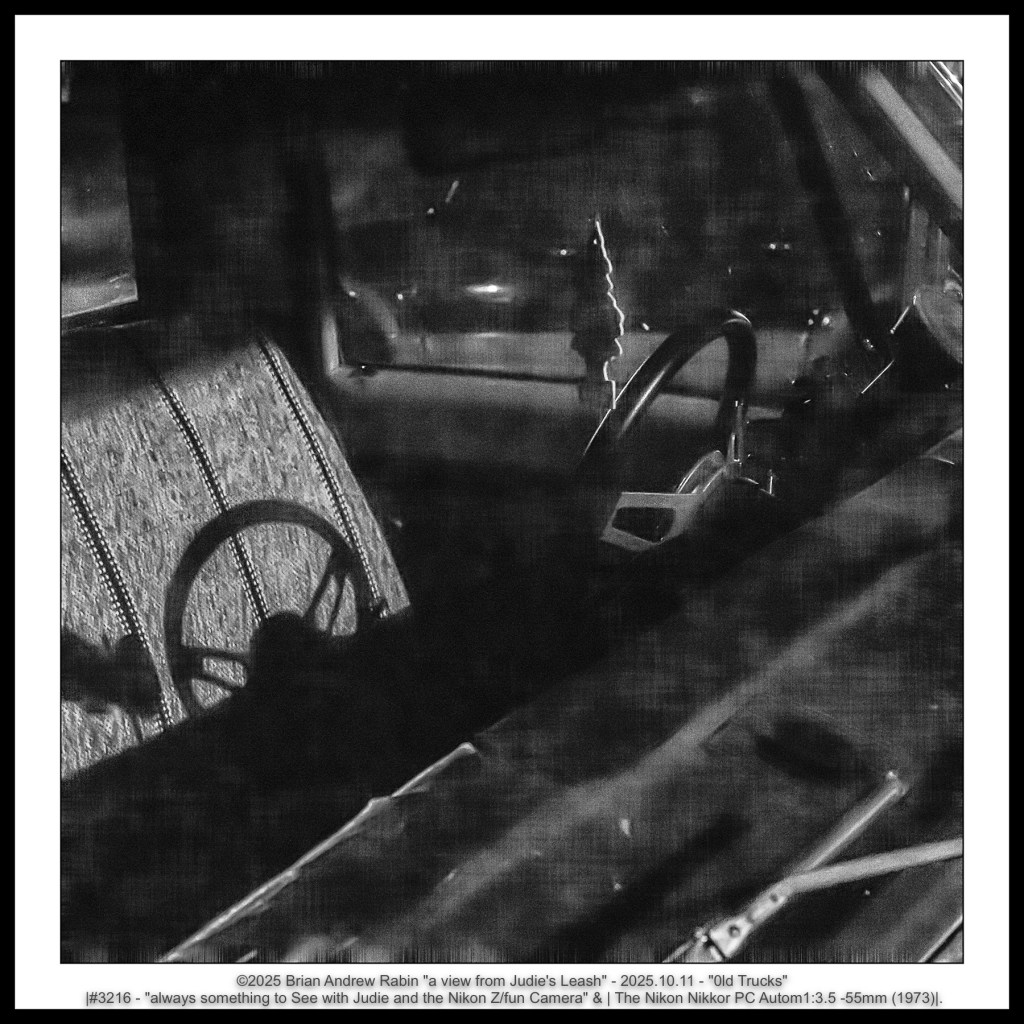
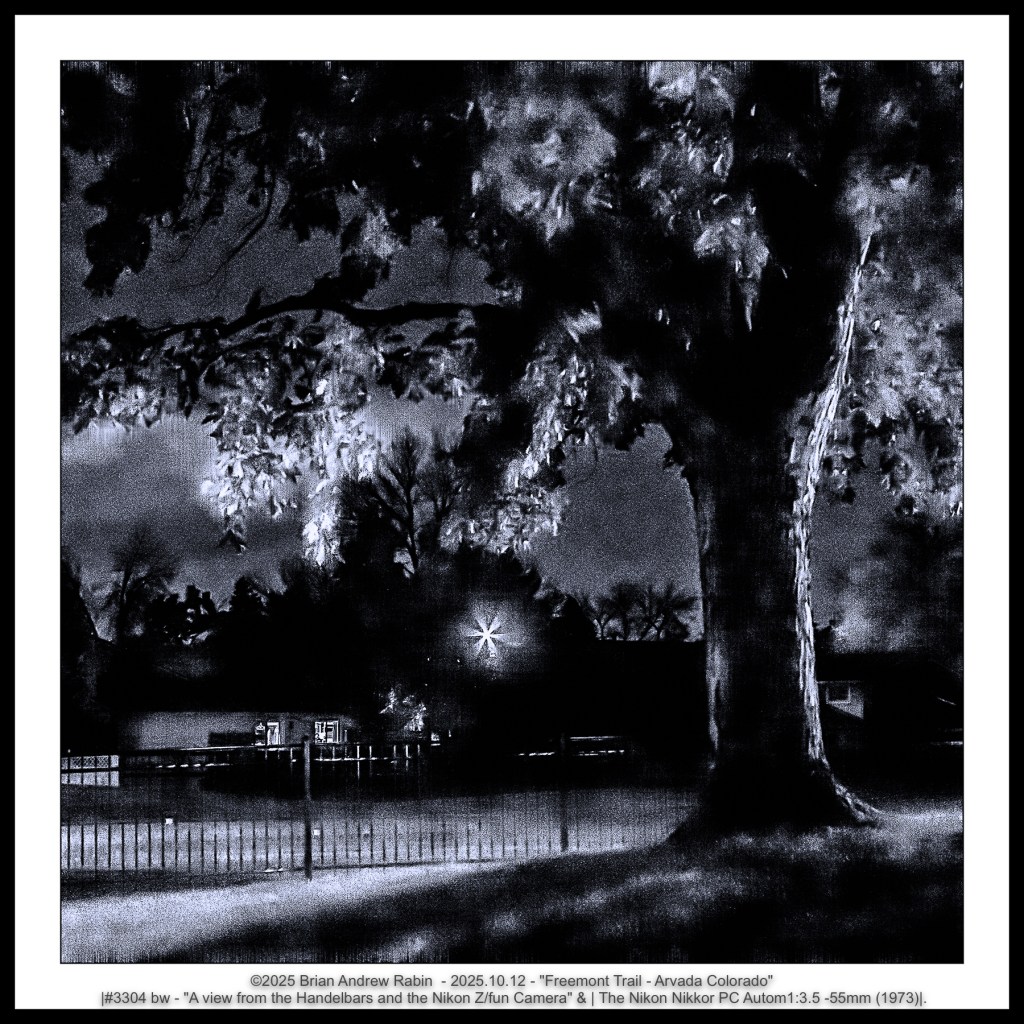
I first appreciated this lens at an open wildflower field in Boulder, Colorado off Folsom St. and again at the butterfly pavilion in Westminster where I often tech.
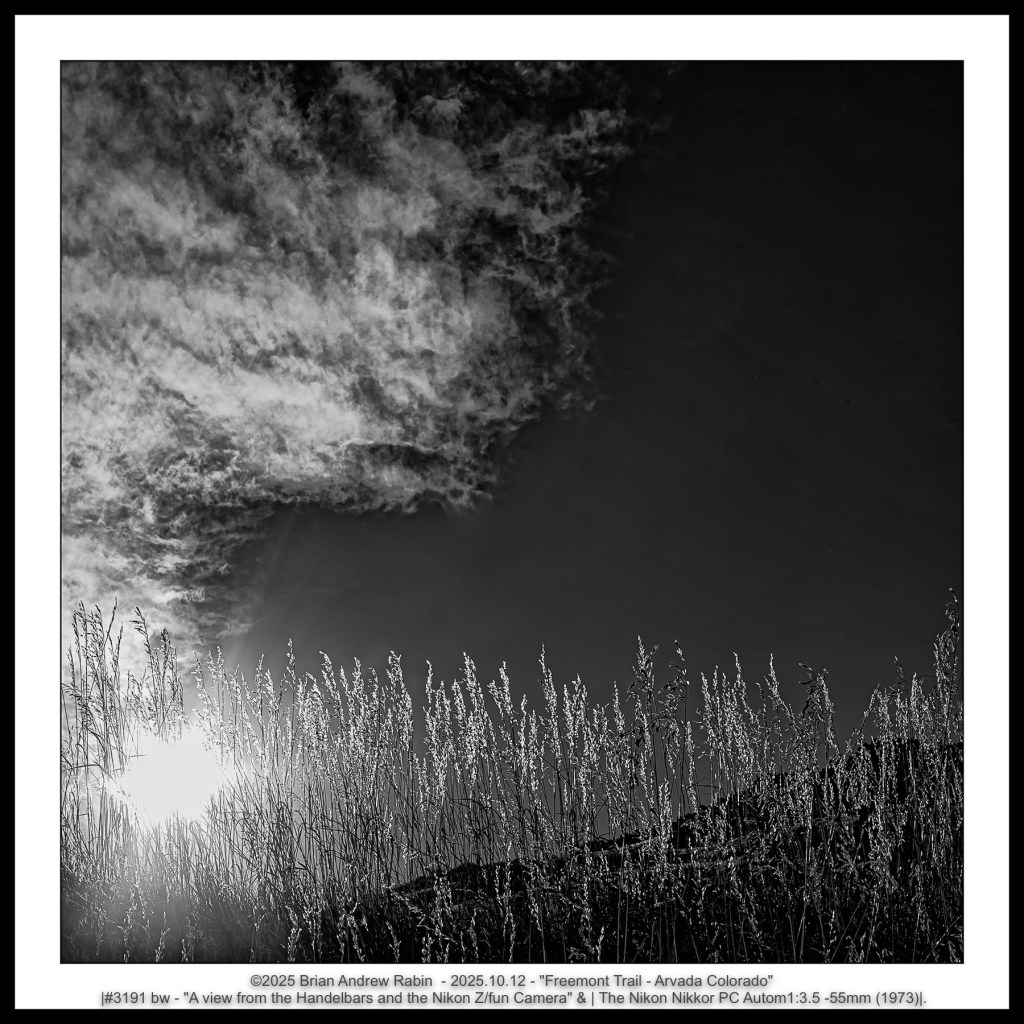
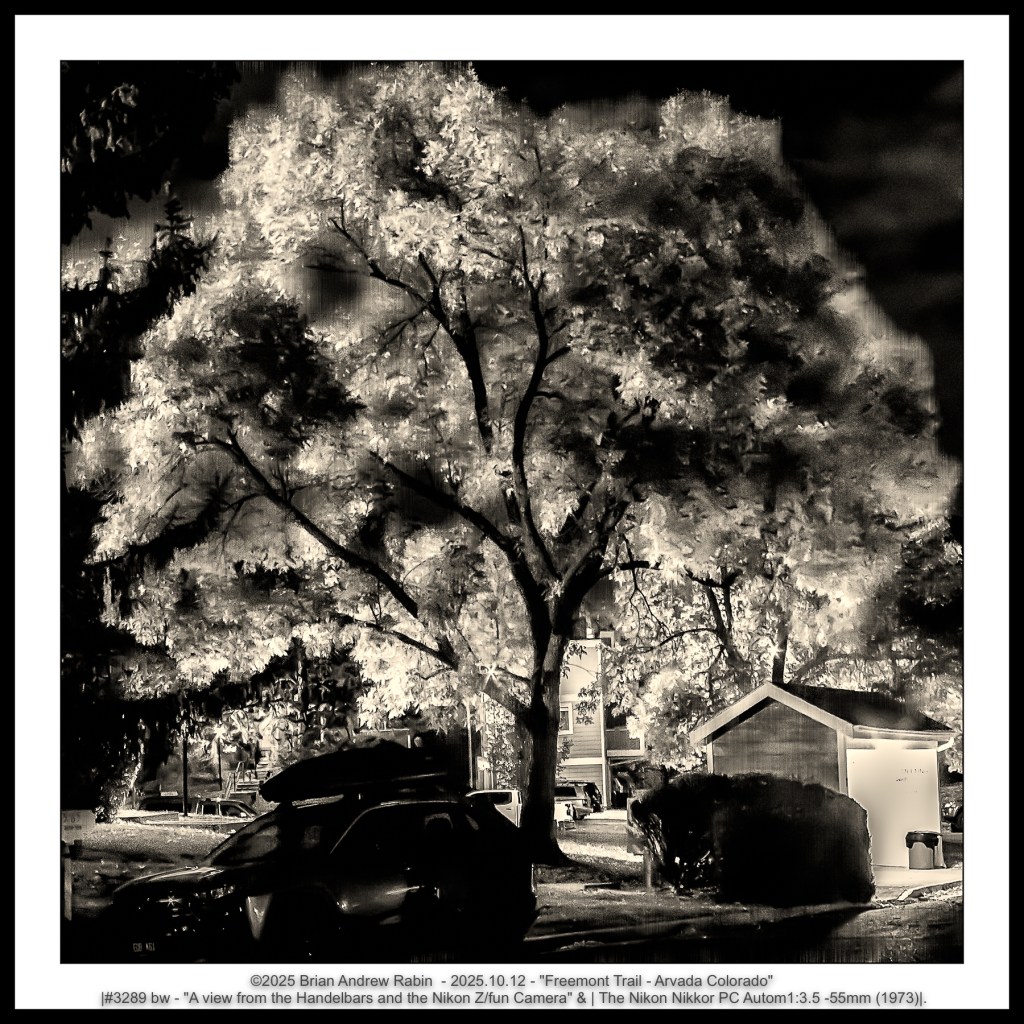
This lens is great to explore light, texture, and patience. Over time, this lens became one of many for my daily walk with Judie.
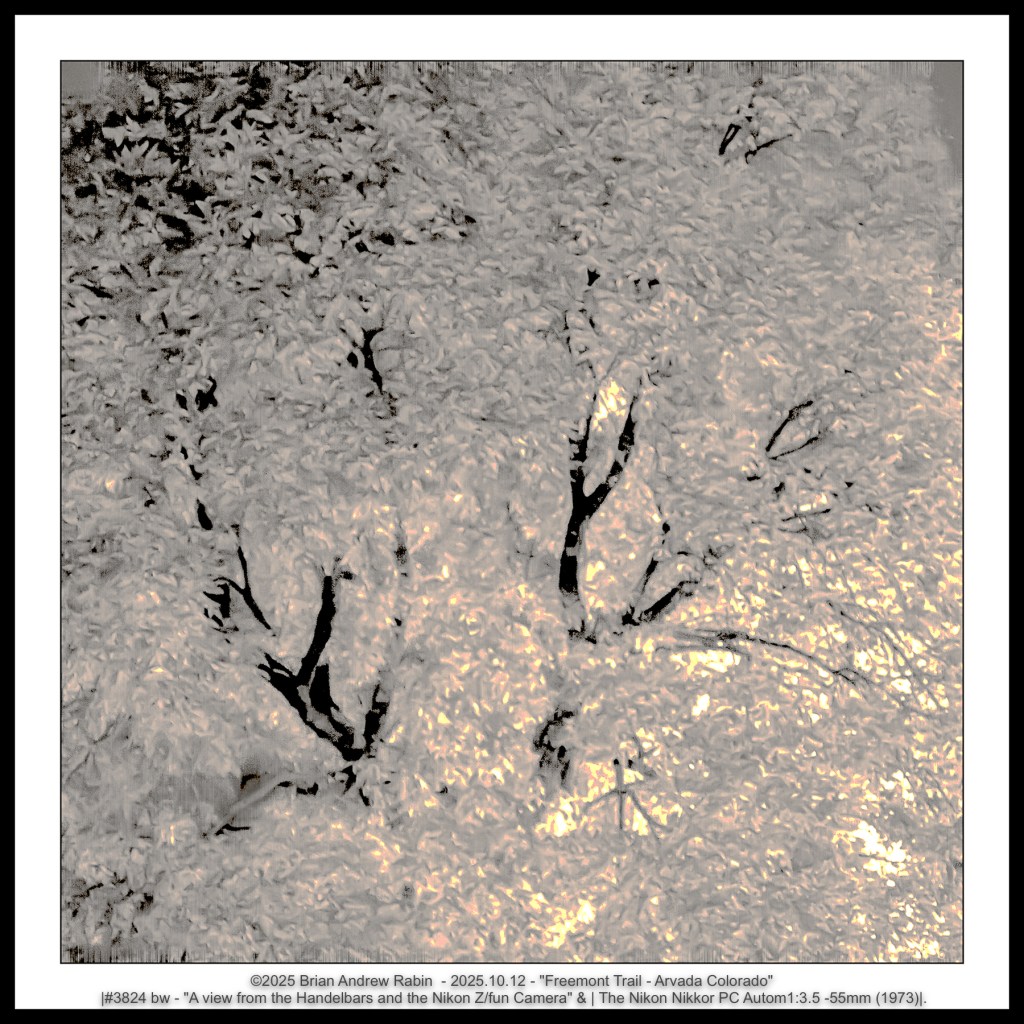
It’s the one I’ll choose when I want to look closer — at the fine detail of something on a fence post, the weathered texture of a metal fence, or a reflection in a puddle that I might have missed otherwise. Those small details have a way of grounding you, both as a photographer and as a person.
There’s a kind of calm precision that lives inside the 55mm f/3.5 Micro-NIKKOR. It’s not a loud lens, not one that brags about speed or exotic glass. Instead, it sits in that quiet space between the technical and the poetic — where light becomes structure, and detail becomes story. Built in a period when Nikon’s engineers seemed to care as much about feel as they did about optics, this lens was designed for a different kind of photographer — the one who sees by inches, not miles.
When you pick it up, you notice the craftsmanship first — the deep metal knurling, the weight that feels just right, and that long, deliberate focus throw that rewards patience.
It doesn’t rush you. It asks you to slow down, to see. The f/3.5 maximum aperture never bothered me; it’s not about light gathering, it’s about clarity. Stopped down to f/5.6 or f/8, this lens resolves with the kind of quiet confidence that reminds you why Nikon built its reputation on glass, not marketing.
What made this lens special wasn’t just its sharpness — though it’s legendary for that — but its flat field and natural rendering. This was Nikon’s working tool for scientists, copy artists, and anyone who needed precision in the frame. Mounted on a bellows or extension tube, it could achieve true 1:1 reproduction, and the results still stand up today.
On a modern mirrorless body, it delivers the same understated brilliance — crisp detail, gentle transitions, and that smooth tonal roll-off that feels more like film than digital.
There’s also something deeply personal about using a lens like this. It connects you to a slower process — to the ritual of focus, the awareness of texture, and the respect for distance. It teaches you patience, and it rewards intention. Photographing with the Micro-NIKKOR is like listening to a story that unfolds one millimeter at a time.
Technical Reflection:
The 55mm f/3.5 Micro-NIKKOR used a 5-element, 4-group optical design refined from Nikon’s early close-focus lenses. Its CRC (Close Range Correction) system wasn’t yet introduced — that came later with the 55mm f/2.8 — but even without it, the flatness of field was exceptional. Early versions were single-coated; later ones (especially the AI version) introduced Nikon’s improved multicoating for better flare control. The lens focuses down to 0.25 meters, giving 1:2 magnification natively, and achieves 1:1 with the M2 extension tube. Its six-blade diaphragm forms a round aperture at mid stops, creating that gentle, film-like transition from focus to blur. Even on modern sensors, it still holds its own — crisp, contrasty, and quietly alive.
















Here’s a clean, easy-to-read table listing the Nikon PK extension tubes (used with the 55 mm f/3.5 Micro-NIKKOR) and the approximate magnification ratios you’ll achieve when the lens is focused to its closest distance (1 : 2 native):
| Extension Tube | Length (mm) | Total Magnification with 55 mm f/3.5 Micro-NIKKOR | Notes / Use Case |
| None | 0 mm | 1 : 2 (0.5×) | Native close-focus of the lens alone (0.25 m). |
| PK-3 | 14 mm | ≈ 1 : 1.2 (0.8×) | Early, all-metal tube. Slightly under true life-size. |
| PK-11A | 8 mm | ≈ 1 : 1.3 (0.77×) | Adds a small increase in magnification; compact setup. |
| PK-12 | 14 mm | ≈ 1 : 1.0 (1×) | Replaces the older M2; gives true life-size (1 : 1). |
| PK-13 | 27.5 mm | ≈ 1 : 0.8 (1.3×) | Pushes beyond 1 : 1 for higher magnification work. |
| PK-11A + PK-13 | 35.5 mm | ≈ 1 : 0.7 (1.4×) | Practical maximum before light loss and working-distance limits become noticeable. |
Notes:
- Magnification values are approximate because the lens’s optical formula shifts slightly with extension.
- Each 55 mm of total extension adds roughly one additional “life-size” step.
- With the M2 (the original companion tube from the 1970s, 27.5 mm), the lens achieved exactly 1 : 1 magnification — Nikon later standardized that with the PK-13.
- Light loss at 1 : 1 is about one stop; plan exposure accordingly.

 viewfromthehandlebars.com