
The AI & AI-S Nikkor 105 mm f/2.5 — The Quiet Legend
The AI Nikkor 105 mm f/2.5 remains one of Nikon’s most revered optics — a lens that seems to breathe between precision and poetry. Its rendering of skin tone and edge detail is a perfect study in restraint: never overly contrasty, never clinical, yet always revealing. This is the lens that taught many photographers what “character” truly means.
The early AI version (late 1970s) delivered that signature tonal roll-off and creamy bokeh Nikon inherited from the original 1971 Xenotar-type formula. By the time the AI-S revision arrived in the mid-1980s, Nikon had refined the coatings, introduced a built-in telescoping hood, and improved stopped-down sharpness for uniformity across the frame. The result was a slightly more modern optic that kept its painterly grace while becoming a bit crisper — the perfect evolution of a classic.
Portraiture and Macro Adaptability
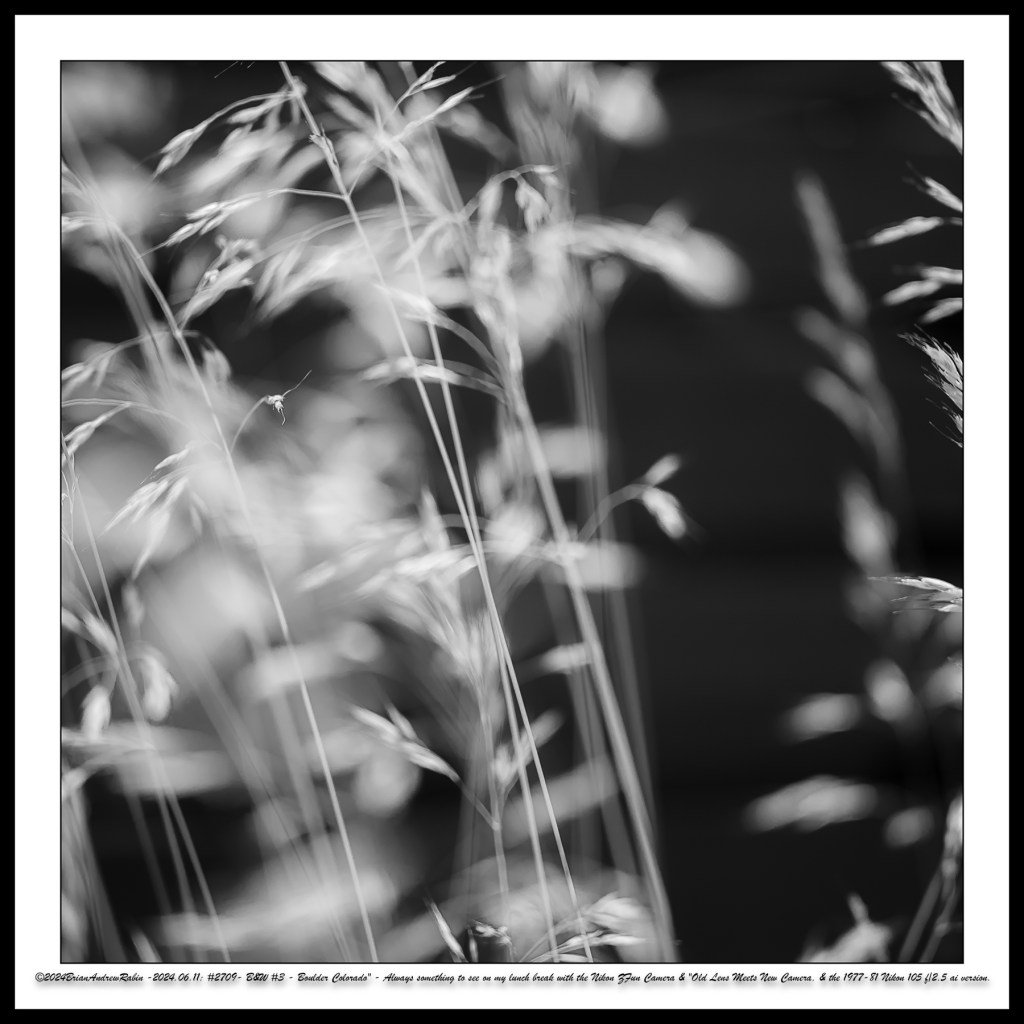
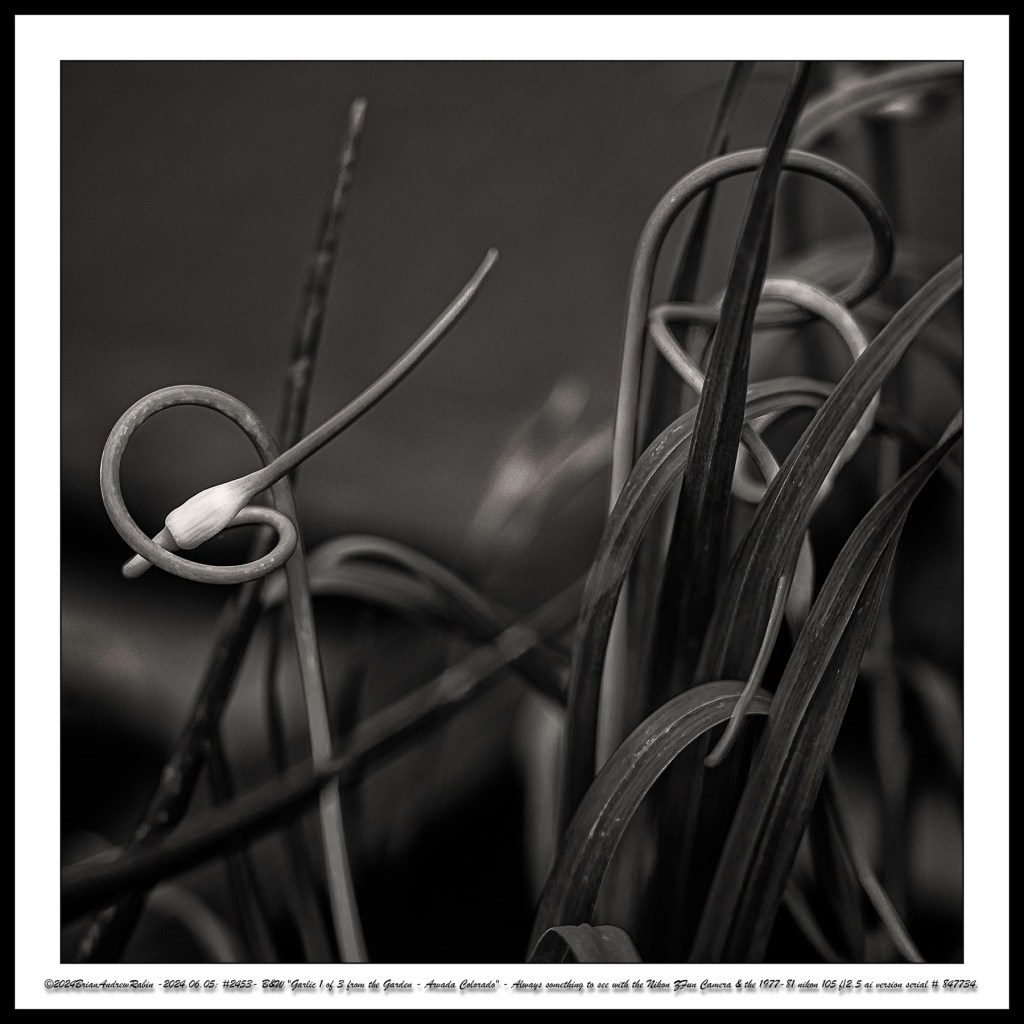
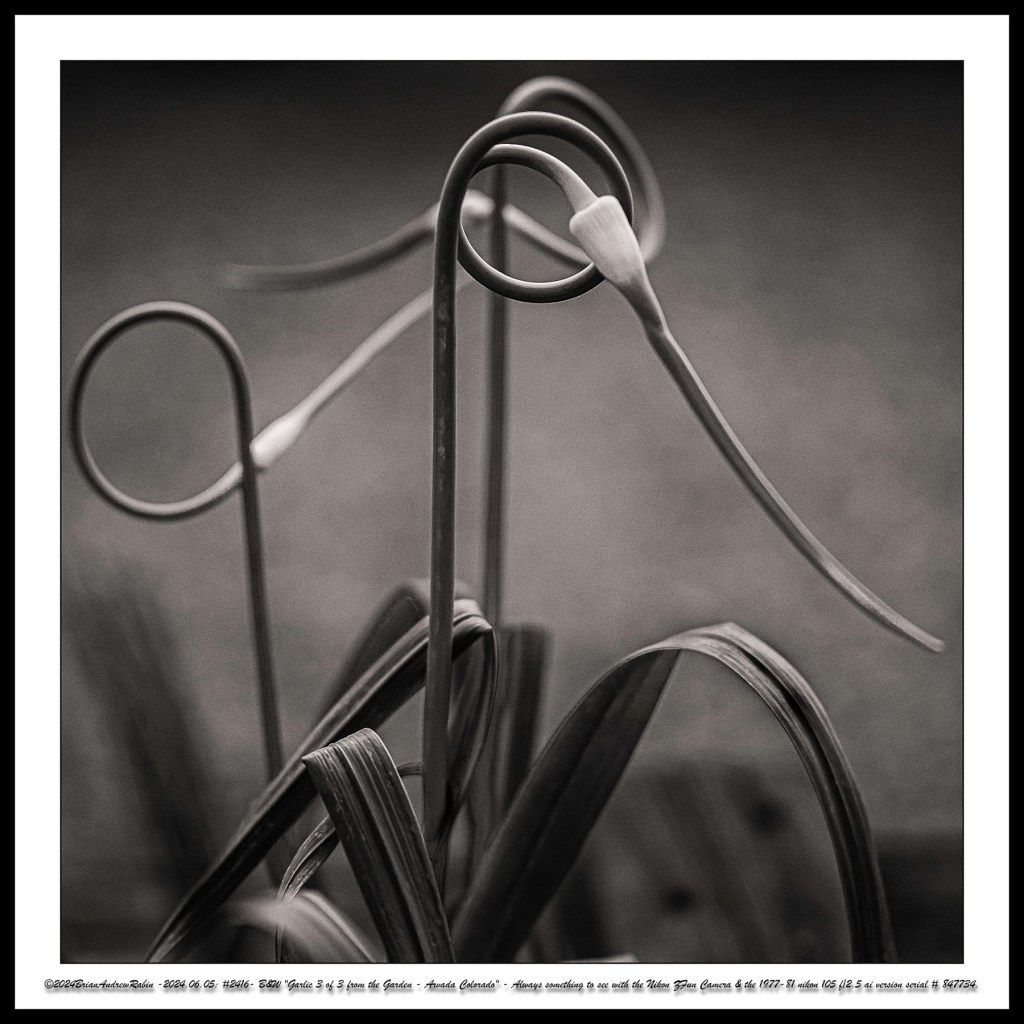
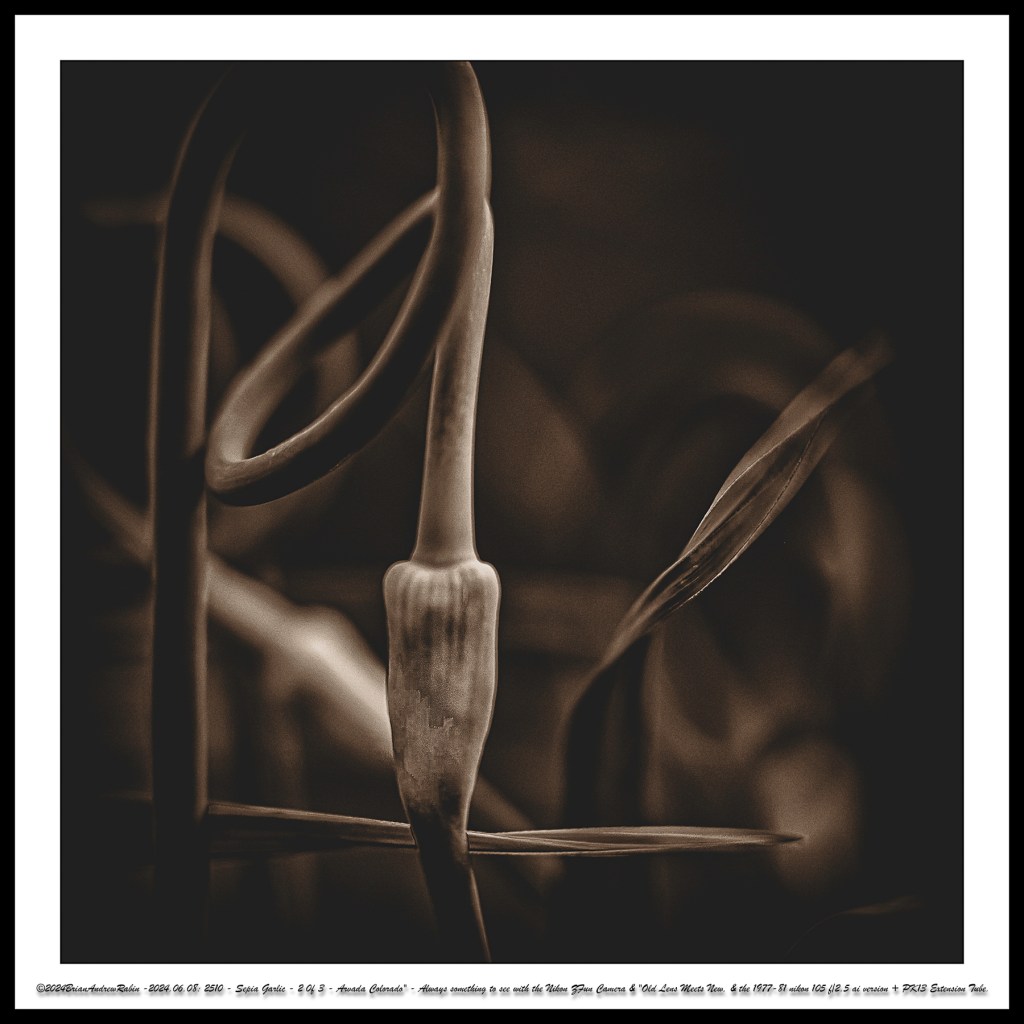
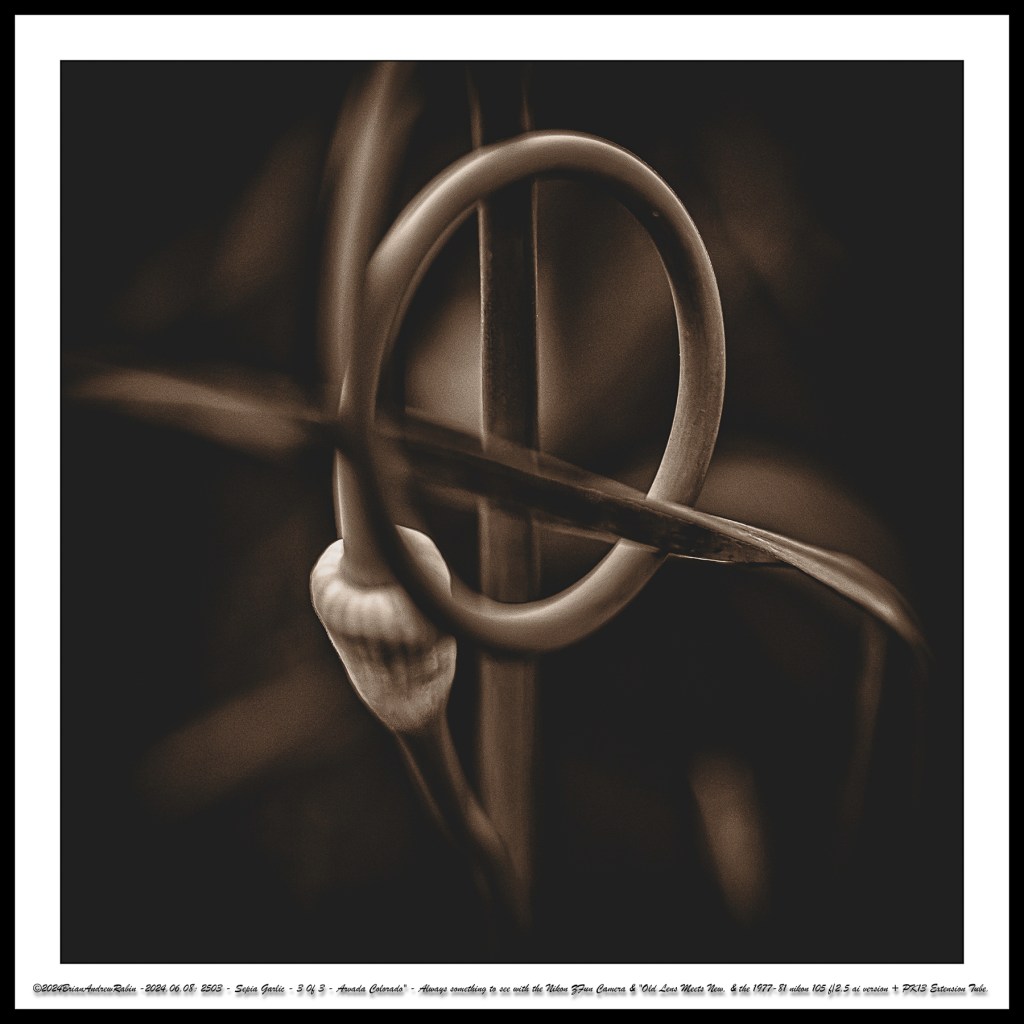
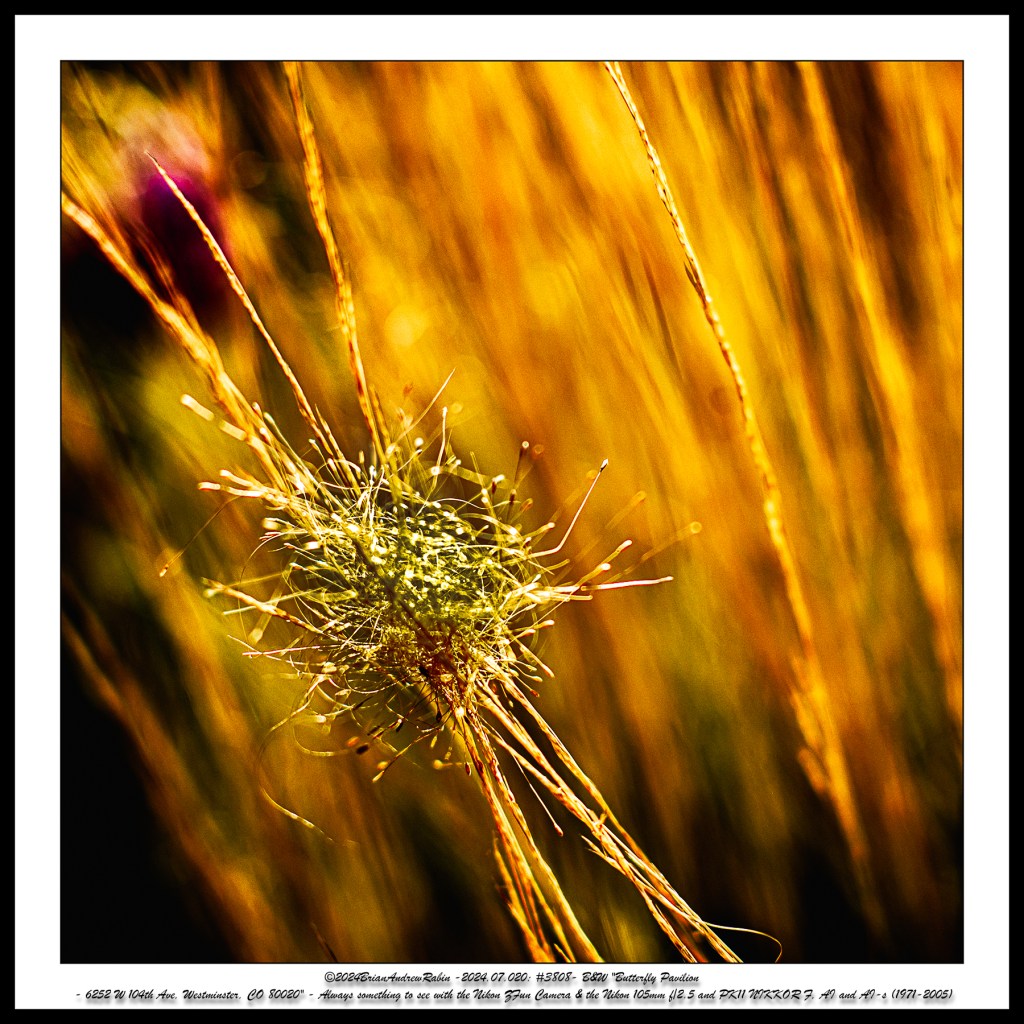
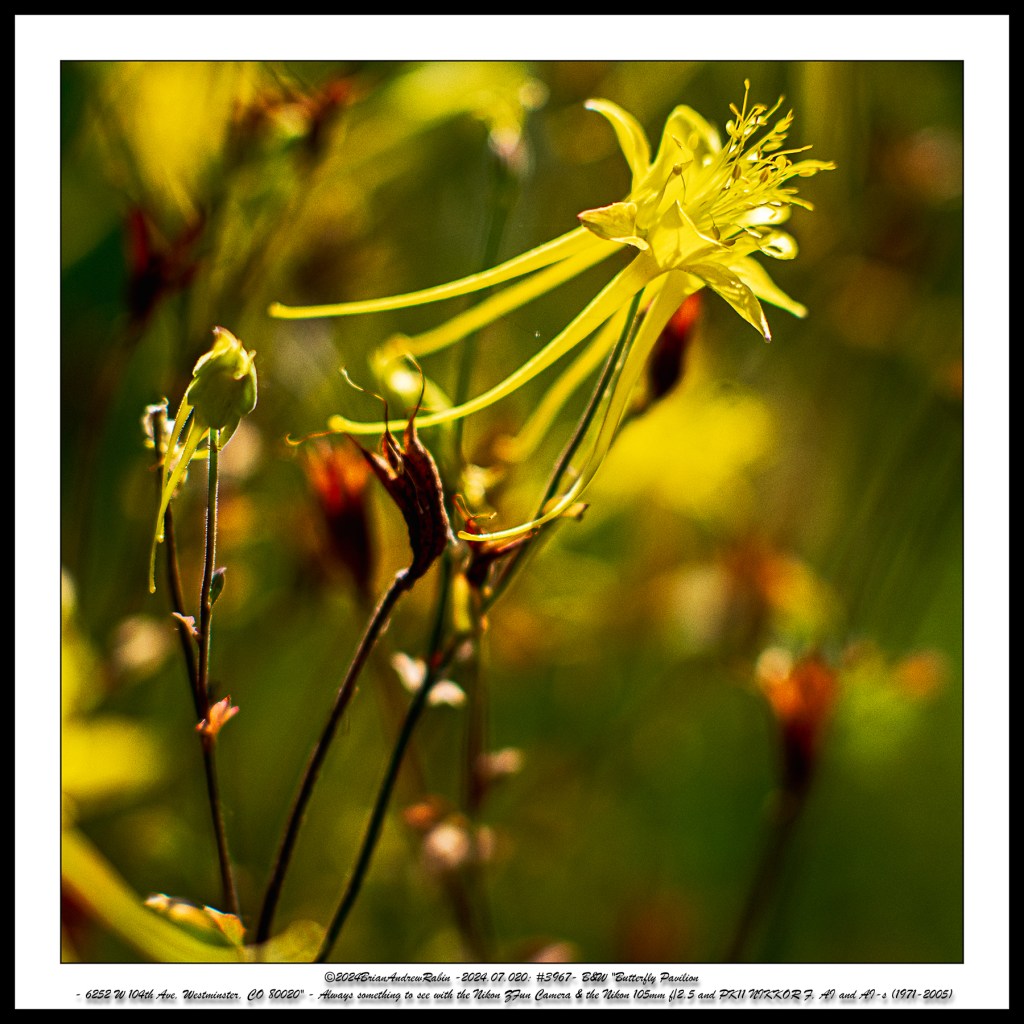
Though celebrated as a portrait lens, the 105 mm f/2.5 transforms beautifully into a near-macro tool when paired with Nikon’s PK extension tubes. The long focal length preserves generous working distance, letting you shape light and background separation while retaining that trademark compression.
With the PK-13 (27.5 mm), the lens achieves roughly 1:3 reproduction, an ideal range for flowers, textures, and still-life studies. Colors remain faithful, and the shallow-focus transition turns even small objects into sculptural compositions. For portraits, the shorter tubes (PK-11A or PK-12) allow subtle close-focus without distortion — perfect for detail-rich headshots or eyes-in-shadow compositions lit by a window or reflector.









PK Extension Tube Chart — Single Tubes with the 105 mm f/2.5
| PK Tube | Extension (mm) | Approx. Magnification | Min. Focus Distance (m) | Notes |
| PK-11A | 8 | 0.13× | 0.9 | Soft compression; ideal for portraits with gentle background falloff |
| PK-12 | 14 | 0.20× | 0.75 | Excellent for half-length portraits and close environmental details |
| PK-13 | 27.5 | 0.33× | 0.55 | True close-focus range; rich contrast and smooth bokeh |
| PN-11 | 52.5 | 0.65× | 0.40 | Approaching half-life size; tripod or macro rail recommended |
Combined Extension Tubes — Approximate Magnification
| Tube Combination | Total Extension (mm) | Approx. Magnification | Working Distance (cm) | Remarks |
| PK-11A + PK-12 | 22 | 0.25× | ~65 | Useful close-portrait setup |
| PK-11A + PK-13 | 35.5 | 0.41× | ~48 | Ideal all-around near-macro range |
| PK-12 + PK-13 | 41.5 | 0.47× | ~44 | Tight framing with strong subject isolation |
| PK-11A + PK-12 + PK-13 | 49.5 | 0.55× | ~40 | Approaches 1:2 macro; tripod stability required |
| PK-13 + PN-11 | 80 | 0.85× | ~34 | Excellent near-macro detail with very shallow depth of field |
(Values are approximate and vary slightly with focus distance and mount register.)
Field Notes — Light, Balance, and Character
Handheld, the 105 mm f/2.5 remains remarkably well-balanced, particularly on a Nikon Z body with the FTZ adapter. Its focus throw is long but fluid, allowing critical precision for both eyes in portraiture and flower stamens in close-ups. At near-macro distances, even slight breathing adds a cinematic quality — the frame subtly tightening as you focus closer.
Lighting responds beautifully to directional sources: a window at 45°, a silver reflector beneath, or a small LED panel feathered to the side. The lens loves soft contrast, revealing textures without glare. Stopped down to f/4 – f/5.6, it delivers a crispness rivaling modern optics, yet wide open, it still whispers — a signature look that continues to define Nikon’s optical legacy.

 viewfromthehandlebars.com